




Edwardian Ceramic Table Lamps
Edwardian ceramic table lamps bring character to a room through fired clay bases and period wiring.
Edwardian Ceramic Table Lamps
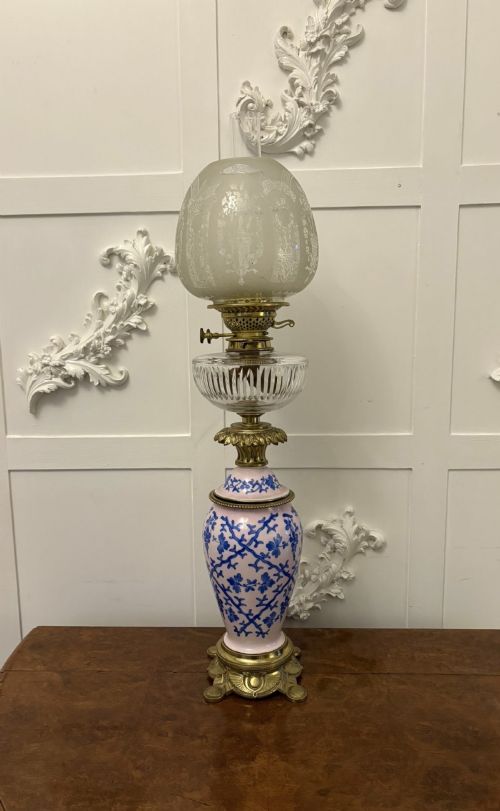
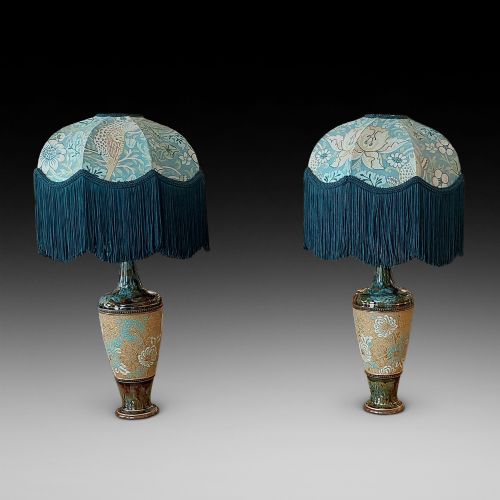
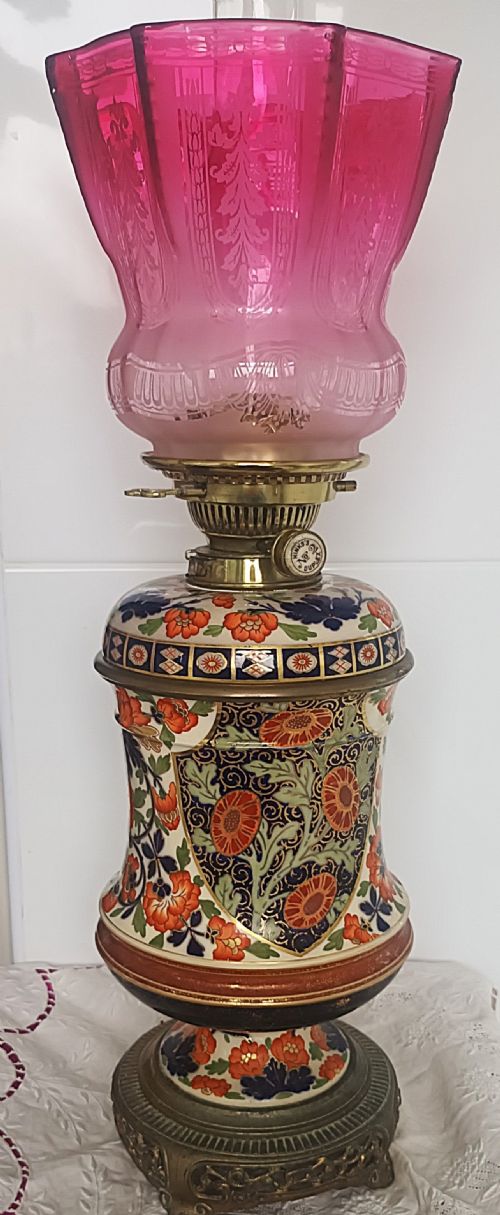
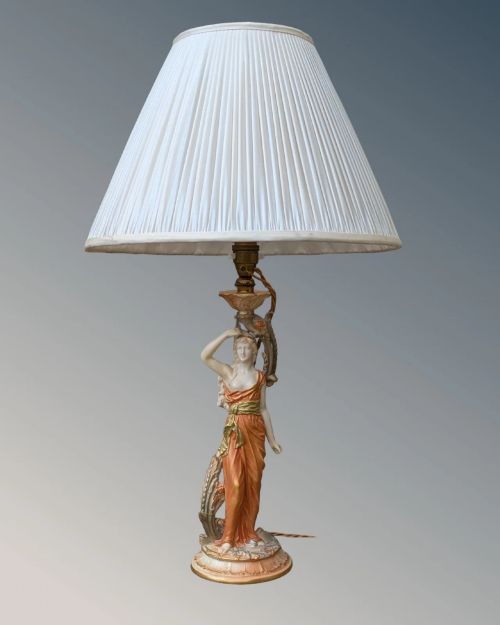
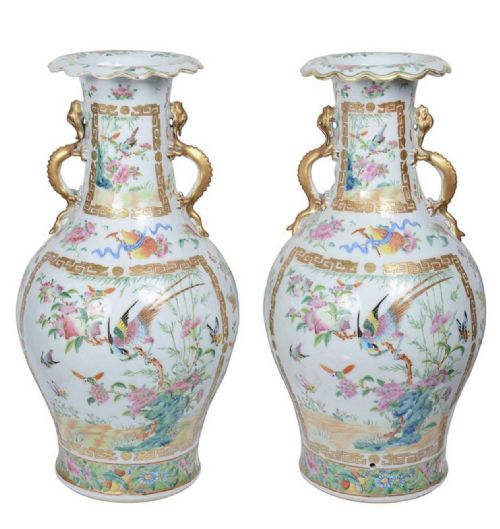
Edwardian ceramic table lamps combine durable pottery bodies with functional lighting mounts from the early twentieth century. When searching for edwardian ceramic table lamps, buyers encounter diverse forms ranging from converted tobacco jars to hand-painted porcelain and majolica bodies.
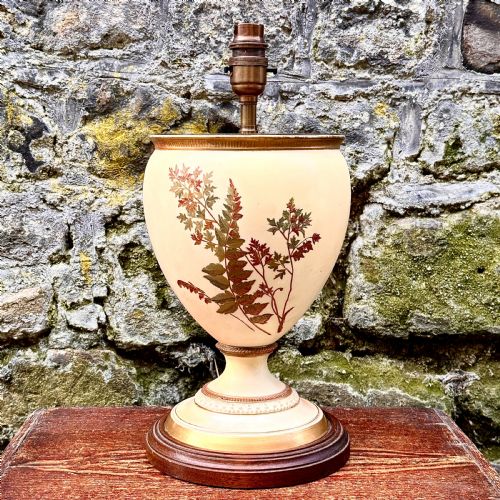
Many examples utilise ceramic or porcelain bases paired with brass mounts, reflecting the decorative tastes of the era. The selection includes works by factories such as Royal Worcester and Royal Doulton alongside French and Chinese export pieces.
Materials and construction
Makers fashioned these bases from ceramic, porcelain, and earthenware, often applying hand-painted glazes, majolica enamels, or gilt details. Brass fittings and mounts secure the electrical or oil components to the ceramic bodies.
Potters and ceramists shaped vessels on wheels or in moulds before firing, occasionally adapting existing tobacco jars or vases into functional lamps during or after the period.
The listings show ceramic and porcelain bodies combined with brass, oak, and fabric elements across various late nineteenth and early twentieth-century styles.
Assessing quality in ceramic lamps
Quality rests upon the fineness of the ceramic body, the crispness of any hand-painted decoration, and the integrity of the brass mounts. Superior examples display balanced proportions between the ceramic base and the lighting fittings.
Pieces bearing factory marks from notable potteries like Royal Worcester or Royal Doulton hold distinct advantages over unmarked productions through documented provenance and refined glazing techniques.
Royal Worcester·Royal Doulton·Taylor Tunnicliff·Hinks
The Edwardian Ceramic Table Lamps Glossary
- Majolica
- A type of earthenware decorated with opaque colourful tin glazes. It provides vibrant tones on nineteenth-century and Edwardian lighting bases.
- Porcelain
- A vitrified ceramic material made by heating raw ingredients including clay. It offers a smooth, white finish suited to delicate hand-painted motifs.
- Faience
- European tin-glazed earthenware similar to majolica. French makers utilised this technique for decorative table lamps.
- Gilt
- Application of gold leaf or gold paint to a surface. It highlights the brass mounts and ceramic details on finer lamps.
- Export
- Goods manufactured in one country for sale in another. Chinese export porcelain often reached European homes before conversion into lamps.
Edwardian Ceramic Table Lamps: Frequently Asked Questions
Are these lamps converted from oil lamps?
Many Edwardian ceramic table lamps began as oil lamps or decorative vessels before conversion to electricity. The process retained the original ceramic body while updating the burner or mount for modern bulbs.
Buyers should examine the fitting areas to understand how the original structure was adapted for electrical wiring.
How do I identify an Edwardian lamp?
Edwardian lamps typically display stylistic traits from the early twentieth century, combining traditional ceramic bodies with period brass hardware. Maker marks and registration numbers often assist in dating the piece accurately.
Comparing the glaze colours and mount styles with documented examples helps confirm the production period.
Can I use standard lampshades with them?
Most ceramic table lamps accept standard shade fittings provided the harp and shade carrier match the height and weight of the base. Selecting a shade proportioned to the ceramic body maintains visual balance in a room.
Consulting a lighting specialist ensures the electrical fittings support the chosen shade securely.
How should I clean a ceramic base?
Ceramic and porcelain bases require gentle dusting with a soft, dry cloth to protect hand-painted glazes and gilt details. Avoid harsh chemical cleaners that might damage the fired surface or nineteenth-century finishes.
Regular care preserves the integrity of both the ceramic material and any applied metal mounts.