

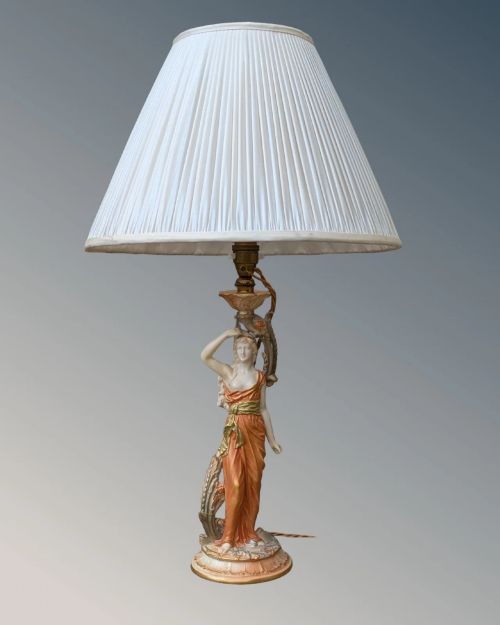


Antique Ceramic Desk Lamp
An antique ceramic desk lamp brings hand-painted pottery and rich glaze colour to a workspace, offering soft illumination paired with historic character.
Antique Ceramic Desk Lamp
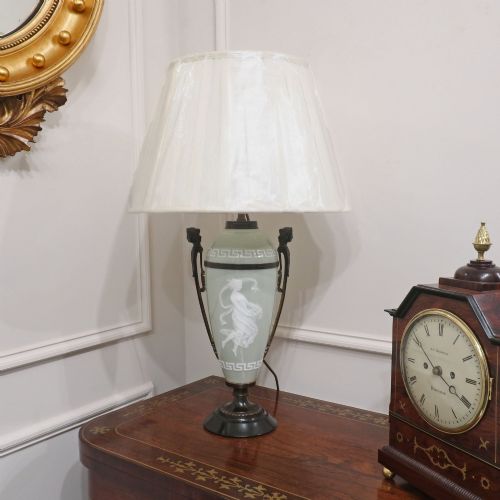
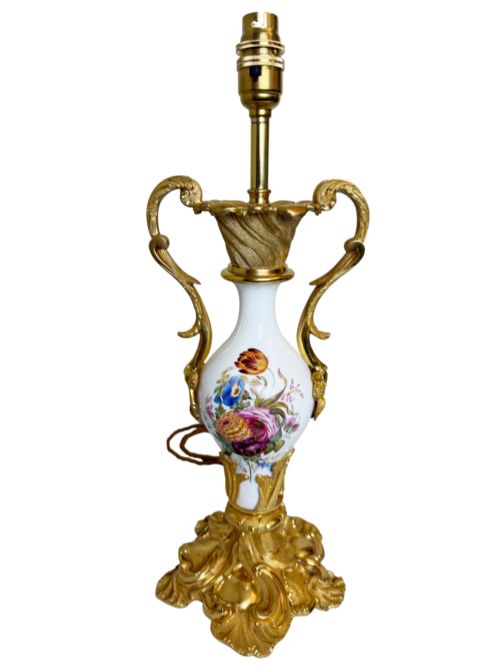
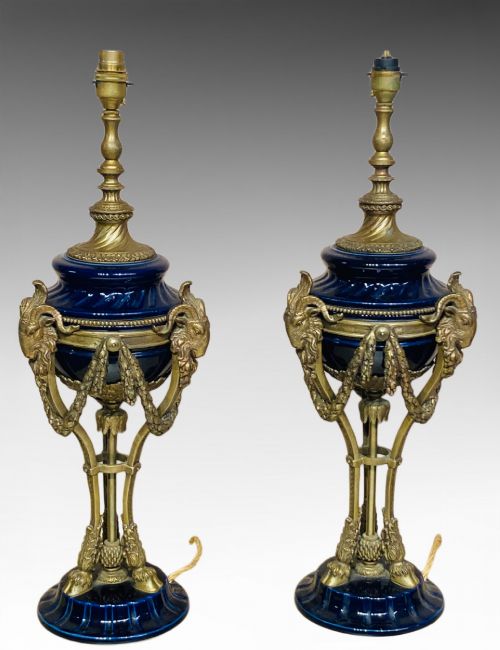
The antique ceramic desk lamp category comprises historic vessels, vases and oil lamps adapted for modern electrical use. Many examples originate from 19th-century European potteries or feature imported Asian ceramics mounted with brass and ormolu.
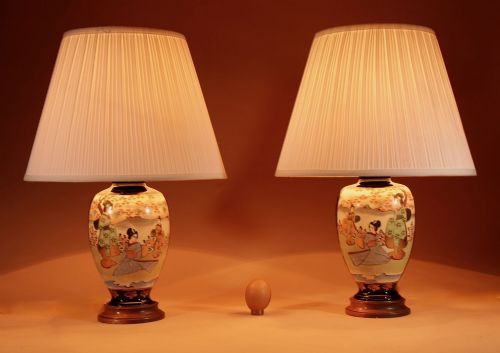
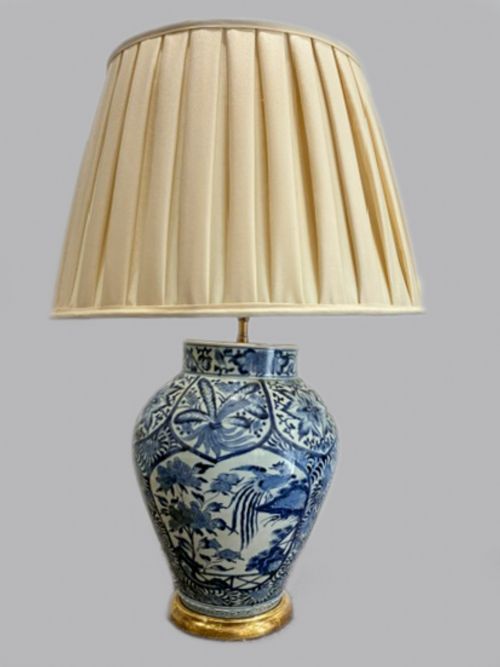
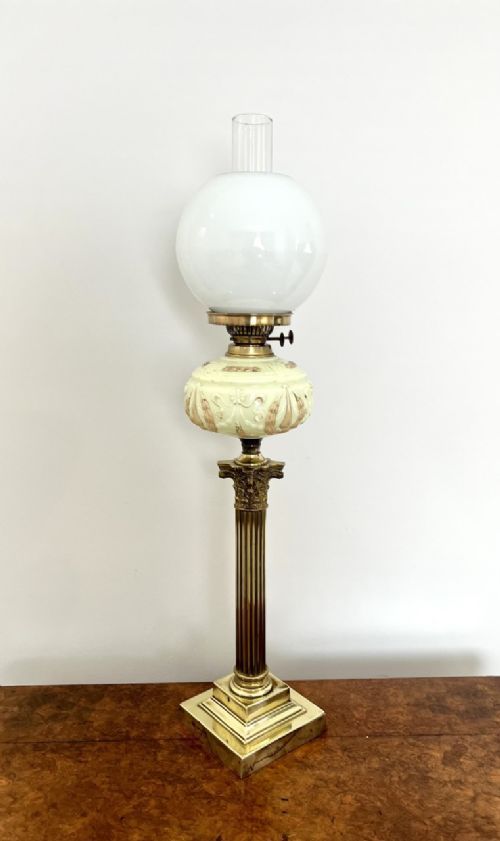
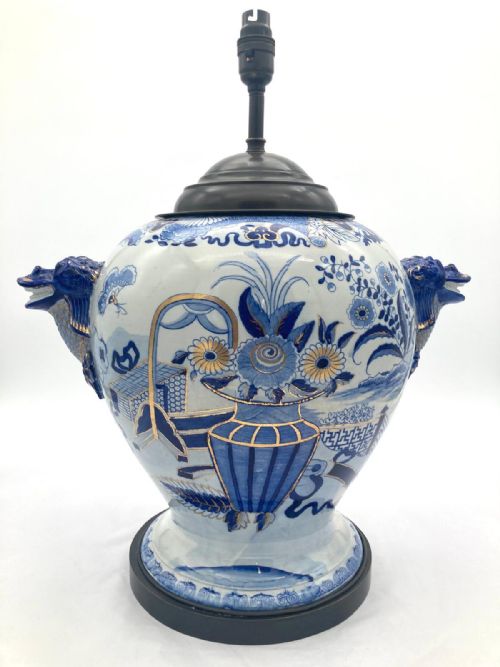
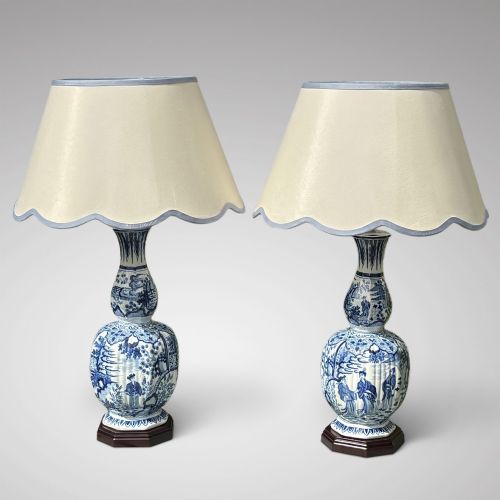
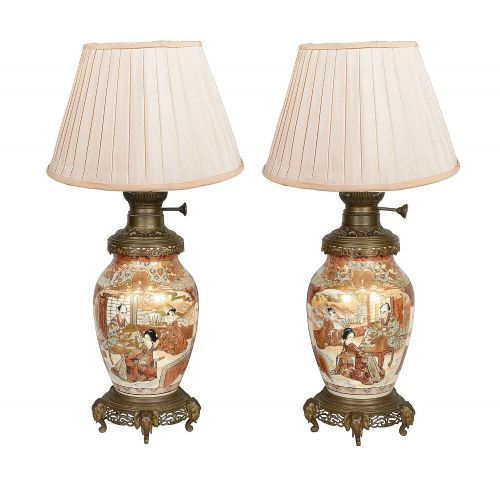
Vessels range from blue and white Delft vases and Chinese porcelain ginger jars to Japanese Satsuma and Kutani pieces. Buyers frequently encounter converted oil lamps combining ceramic bodies with brass columns and black glass bases.
Most entries span the Victorian, Edwardian and Art Deco periods, alongside earlier 17th and 18th-century pieces. These lamps serve as functional task lighting while retaining the decorative presence of their original ceramic forms.
How they were made
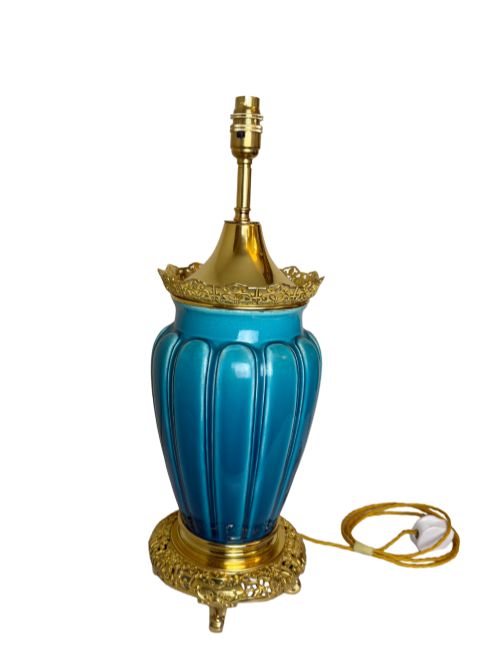
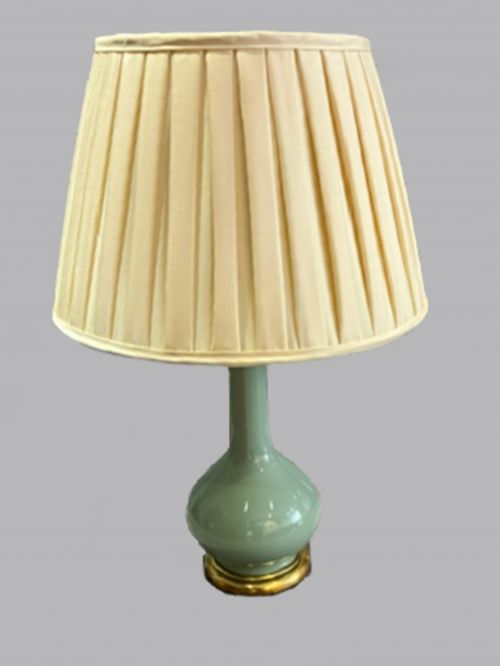
Potters shaped these bodies from earthenware, ironstone and porcelain, applying glazes such as celadon, turquoise and famille verte before kiln firing. Artisans often added hand-painted decoration in floral or figural motifs directly onto the ceramic surface.
Metalworkers mounted the completed ceramic bodies with brass, gilt bronze and ormolu fittings, creating stable bases and secure mounts for lamp hardware. Silk and fabric shades completed the assembly, frequently paired with hand-finished wiring during conversion.
Listings include porcelain, earthenware, brass, silk, and gilt bronze across Victorian, Edwardian, and Art Deco periods.
What varies in quality
Quality rests in the crispness of the ceramic glaze, the hand-painted detail on the pottery body and the weight of the metal mounts. Fine porcelain and well-executed Satsuma or Famille Rose enamelwork distinguish superior examples from standard production.
The integration of the conversion matters significantly, as the alignment between the ceramic vessel and its brass or ormolu mounts determines structural balance. Matching pairs command higher regard due to the difficulty of keeping two identical antique ceramic desk lamps intact over centuries.
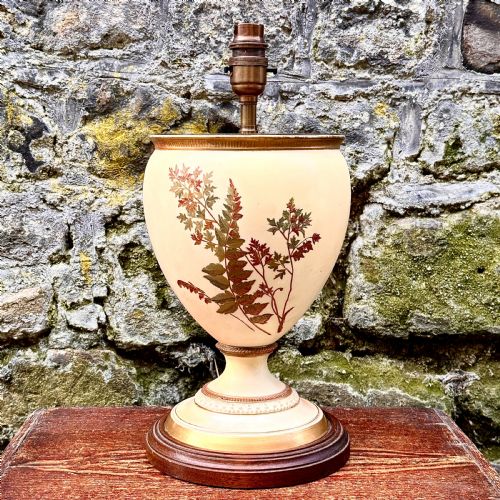
Ernst Bohne & Sohn·Royal Worcester·Hicks and Meigh
The Antique Ceramic Desk Lamp Glossary
- Ormolu
- Gilded bronze mounts used to decorate the base and collar of ceramic lamp bodies. This technique adds metallic contrast and structural support to porcelain vessels.
- Famille Verte
- A Chinese porcelain enamel palette dominated by green hues, frequently seen on 19th-century vase lamps. Artisans applied these mineral colours over a white glaze before a secondary firing.
- Satsuma
- Japanese earthenware pottery featuring a crackle glaze and elaborate hand-painted polychrome and gilt decoration. These pieces often depict traditional figures and floral scenes.
- Majolica
- Low-fired earthenware covered with an opaque tin glaze, popular during the Victorian and Edwardian eras. This technique produces vibrant, glossy surfaces suitable for moulded relief designs.
- Celadon
- A pale green jade-like glaze applied to porcelain and stoneware vessels. Originating in East Asia, this finish relies on iron oxide reacting within a reduction kiln.
Antique Ceramic Desk Lamp: Frequently Asked Questions
Can original vases be converted back?
Most converted pieces started life as jars, ginger jars or decorative vases before receiving electrical fittings. Drilling or mounting typically alters the original vessel permanently.
Reverting a lamp back into a static display vase is rarely practical once the ceramic has been adapted for wiring and hardware.
How do I match a shade to a ceramic base?
Consider the proportion between the height of the ceramic body and the width of the fabric shade. Silk or textured fabric shades help balance heavy porcelain or brass components.
Neutral tones complement intricate blue and white patterns, while bolder shades pick out secondary colours within the glaze.
How do I date a ceramic lamp?
Dating relies on identifying the style of the pottery, the glaze composition and any maker marks stamped underneath the base. Mounts and hardware styles also provide clues to the Victorian or Edwardian adaptation period.
Comparing the ceramic body against documented production eras helps establish the manufacturing decade of the base.