


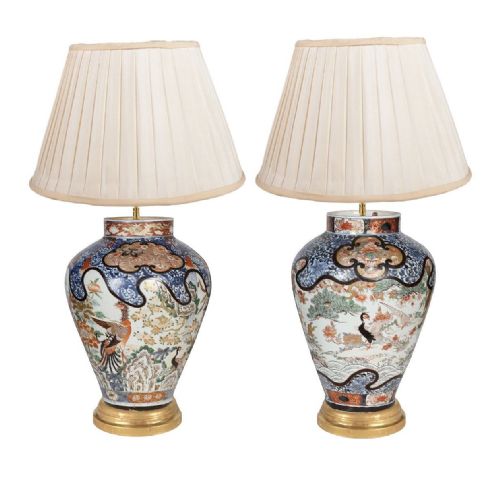


Japanese Ceramic Lamp
A japanese ceramic lamp brings centuries of ceramic artistry into a room, offering a functional light source shaped from transformed antique vases.
Japanese Ceramic Lamp
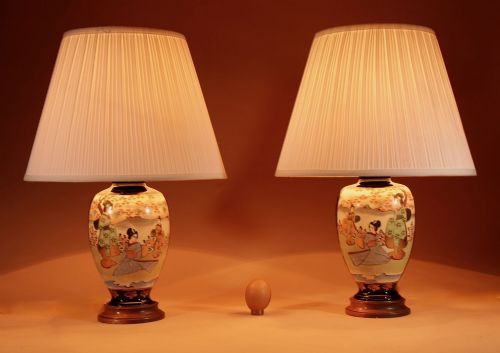
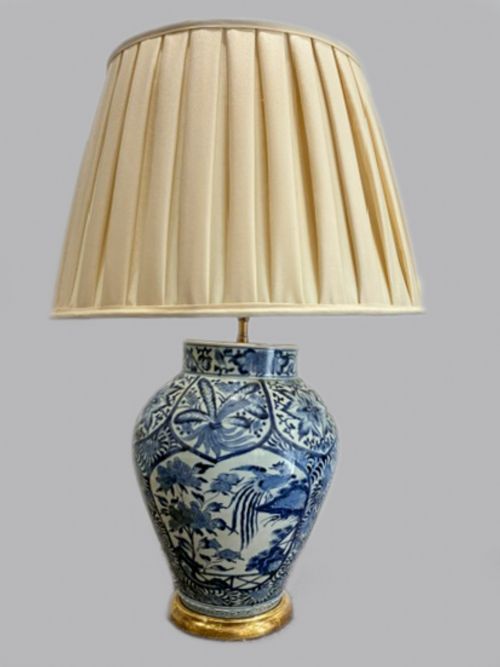
A japanese ceramic lamp transforms historic vessels into functional lighting for domestic interiors. These pieces take the form of table lamps built from antique vases originating in Japan.
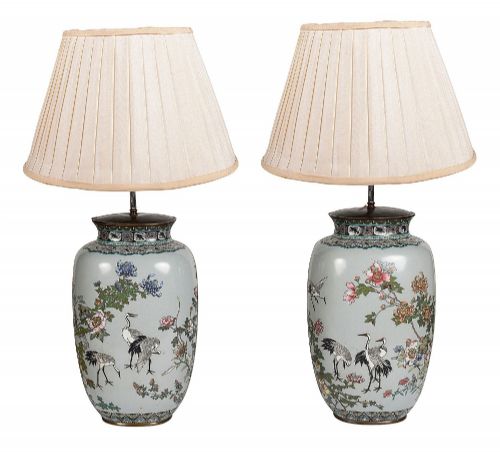
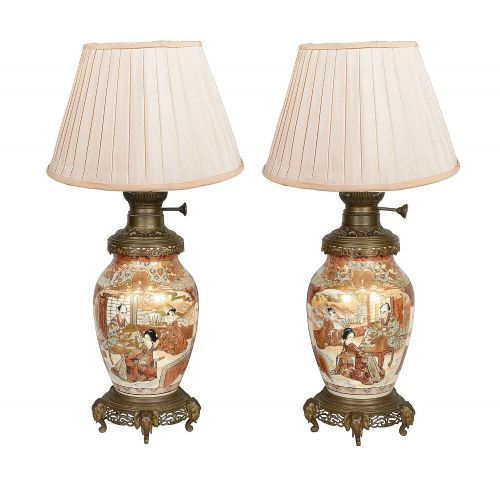
Many examples appear as matched pairs, though single vessels converted into lamps also feature. These items merge traditional East Asian ceramic traditions with Western electrical and mounting adaptations.
Materials and Construction
Vessels utilise porcelain, earthenware, and enamel surfaces painted or glazed with intricate designs. Artisans employed ceramic bodies shaped by hand or wheel before applying coloured pigments and metallic finishes.
Metal mounts in brass or gilt bronze often secure the base and upper electrical hardware to the ceramic body. Fabric and silk components frequently complete the fixtures as lamp shades.
Listings include porcelain, earthenware, and enamel pieces spanning the seventeenth to early twentieth centuries.
Factors of Quality
Quality depends on the preservation of the original ceramic body and the precision of the conversion into a lamp. Intricacy in painted enamel or porcelain details distinguishes finer examples from simpler production.
The integration of metal mounts and structural stability affects the overall standard. Original forms retaining their finish without excessive wear command greater attention from collectors.
Fukagawa porcelain·Yokohama Porcelain
The Japanese Ceramic Lamp Glossary
- Satsuma
- A type of Japanese earthenware featuring a pale, ivory-coloured crackle glaze decorated with enamel and gilt. These wares became particularly popular during the Meiji period.
- Imari
- A style of Japanese porcelain decorated in underglaze blue and overglaze red, green, and gold. Originating from the Arita area, these pieces were widely exported to Europe.
- Kutani
- Japanese porcelain distinguished by bold colour palettes, often centring on greens, reds, yellows, and purples. The tradition is associated with Kutani village kilns.
- Cloisonné
- A metalwork technique where compartments are created on a vase surface using wire and filled with coloured enamel paste. Fired pieces exhibit vibrant decorative patterns.
- Meiji Period
- The era in Japanese history spanning from 1868 to 1912, characterised by extensive artistic output for international export markets.
Japanese Ceramic Lamp: Frequently Asked Questions
Are these lamps converted antique vases?
Many examples on this page began life as decorative vases or jars before being fitted for electricity.
The conversion process integrates wiring and mounts while preserving the historic ceramic body.
How do I identify Satsuma ware?
Satsuma pieces typically display a distinctive creamy crackle-glaze earthenware surface adorned with detailed polychrome and gilt motifs.
This style appears frequently across late nineteenth and early twentieth century table lamps.
What periods do these lamps cover?
The inventory spans multiple centuries, including seventeenth-century Arita pieces, eighteenth-century Imari designs, and nineteenth-century Meiji period works.
Dates range from early examples up to creations from around nineteen-twenty.
Do these lamps come in pairs?
A significant portion of the selection consists of matched pairs of table lamps made from identical vases.
Single lamps also appear for use on smaller surfaces or side tables.