




18th Century Porcelain Lamps
These 18th century porcelain lamps combine centuries-old ceramic vessels with later electrical fittings to bring texture and history into a room.
18th Century Porcelain Lamps
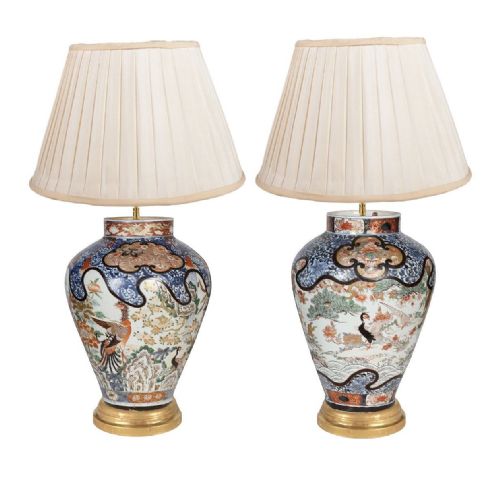
Buyers searching for 18th century porcelain lamps encounter converted vessels that started life as vases, jars, or lidded containers before receiving mounts and lamp wiring. These pieces originate from Chinese export kilns, Japanese Arita workshops, and Dutch or English centres producing Delftware and earthenware.
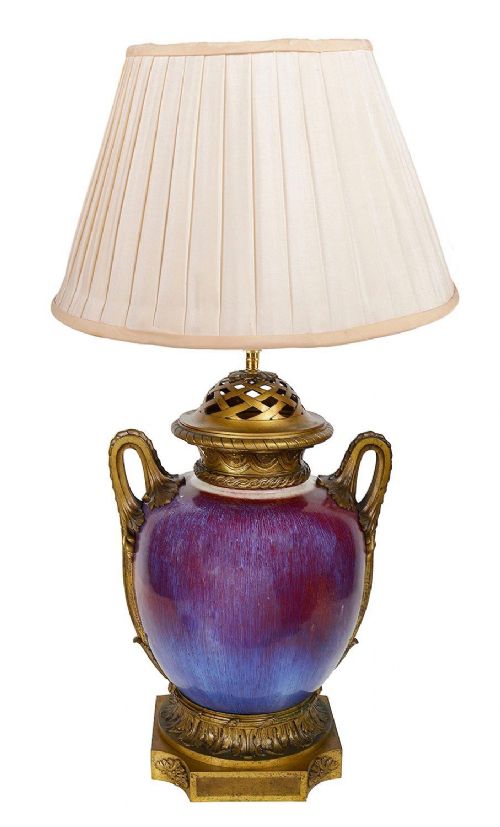
The version most commonly met on this page is the vase adapted as a table lamp, often elevated by gilt bronze, ormolu, or brass mounts. These conversions range from period alterations to later 19th century mountings paired with fabric or silk shades.
How they were made
The core bodies rely on high-fired porcelain or earthenware, shaped by hand or wheel before receiving cobalt blue, famille verte, or sang de bouef glazes. Potters fired these vessels in traditional kilns, achieving the dense body and rich surface colour characteristic of export wares.
Metalworkers subsequently added brass, ormolu, or gilt bronze mounts to stabilise the ceramic and provide secure mountings for lighting components. Silk and fabric shades complete the construction, sitting above the transformed vessel.
Many a stately European parlour owes its soft evening glow to an unfortunate vase that lost its lid and found a second career as a reading light.
What varies in quality
Quality rests primarily on the integrity and age of the ceramic body, alongside the craftsmanship of any metal mounting. Early Arita and Chinese export vases display finer baseline potting and more controlled glaze application than later derivative styles.
The integration of the conversion work also dictates standard. Finely fitted ormolu or gilt bronze mounts that complement the contours of the porcelain without damaging the original ceramic body elevate the piece.
The 18th Century Porcelain Lamps Glossary
- Imari
- A style of Japanese export porcelain decorated in underglaze blue, iron red, and gilt. Pieces often feature intricate floral and panel designs.
- Ormolu
- Gilt bronze mounted on decorative objects and furniture. This technique uses finely ground gold mercury amalgam applied to bronze.
- Sang de bouf
- A rich, deep red copper-red glaze developed in Chinese kilns. The colour relies on precise firing reduction atmospheres.
- Famille verte
- A palette of green enamels used in Chinese porcelain decoration. It often combines with other colours to depict figures and landscapes.
- Chinoiserie
- European artistic styles reflecting Chinese motifs. Artisans applied these designs to furniture, ceramics, and textiles during the period.
18th Century Porcelain Lamps: Frequently Asked Questions
Are these lamps professionally wired?
Current listings feature electrical components added during conversion, though buyers should consult a qualified electrician to inspect the wiring before daily use.
Electrical standards change over time, and older fittings often benefit from modern rewiring to ensure safety in domestic settings.
How do I clean ceramic lamp bases?
Dust the porcelain gently with a dry, soft cloth to prevent surface grime from accumulating in crevices or around mounts. Avoid harsh chemical cleaners that might damage antique glazes or vintage metallic finishes.
Keep moisture away from any electrical wiring or socket components during routine maintenance.
Can shades be easily replaced?
Most lamp fittings allow for standard shade carriers, making it straightforward to swap fabric or silk covers to suit your interior. Ensure the new shade proportions match the weight and scale of the ceramic base.
Matching the drop and diameter keeps the assembled lamp visually balanced.
How do I identify Japanese Arita ware?
Arita porcelain typically presents a dense, slightly greyish-white body with crisp underglaze blue painting or Imari polychrome enamels. These wares were exported extensively through Dutch trading posts.
Examining the foot rim often reveals the characteristic texture of the clay body and kiln support marks.