




Gold Gilt Bronze Lamps
Gold gilt bronze lamps bring decorative warmth to a room, combining metallic lustre with period lighting forms.
Gold Gilt Bronze Lamps
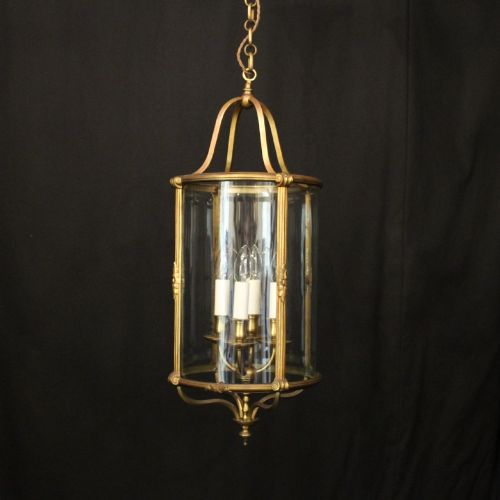
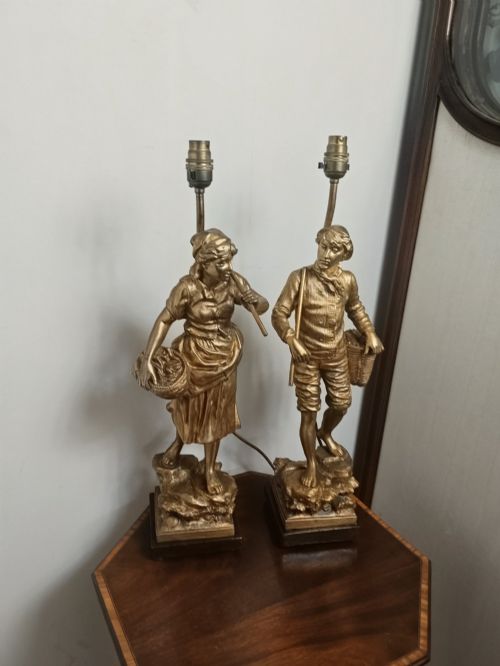
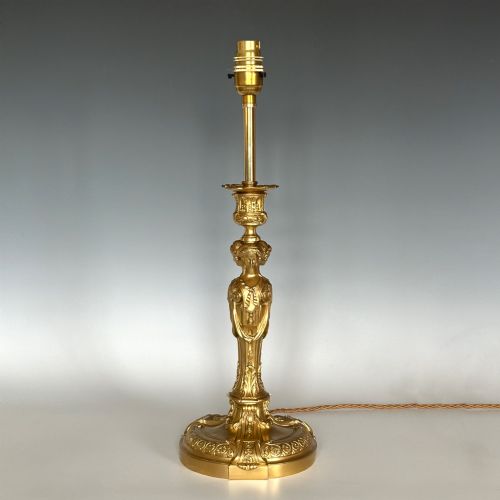
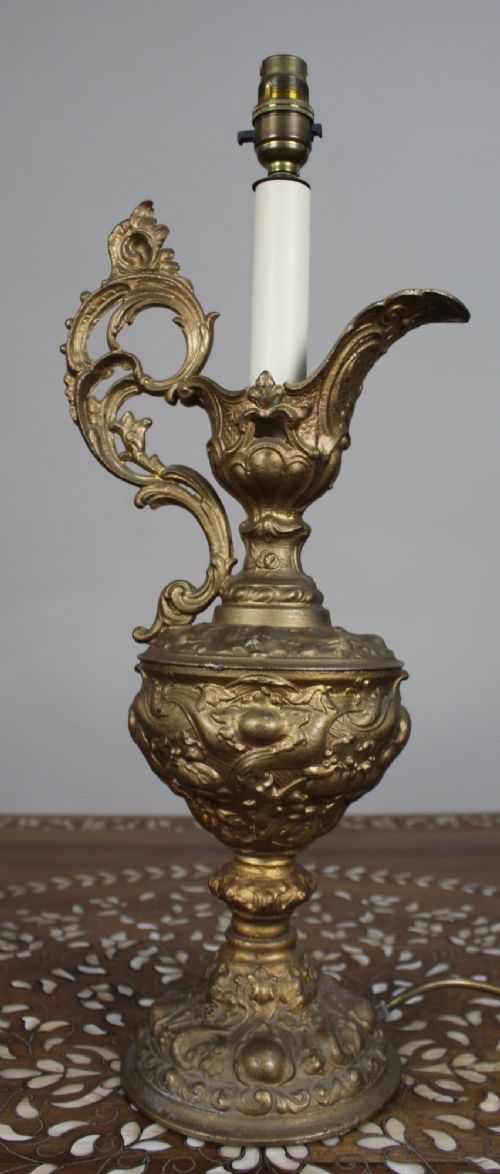
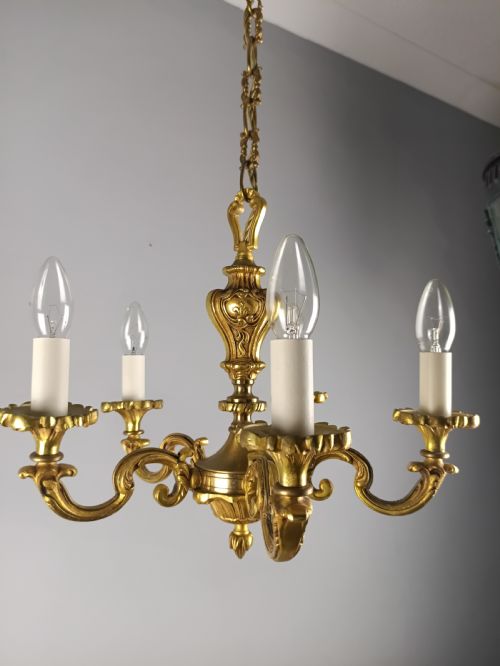
Gold gilt bronze lamps encompass table lamps, wall lights, and chandeliers originating from the nineteenth century through the early twentieth century. Many pieces demonstrate French stylistic influences, specifically French Rococo, Neoclassical, and French Empire designs.
How they were made
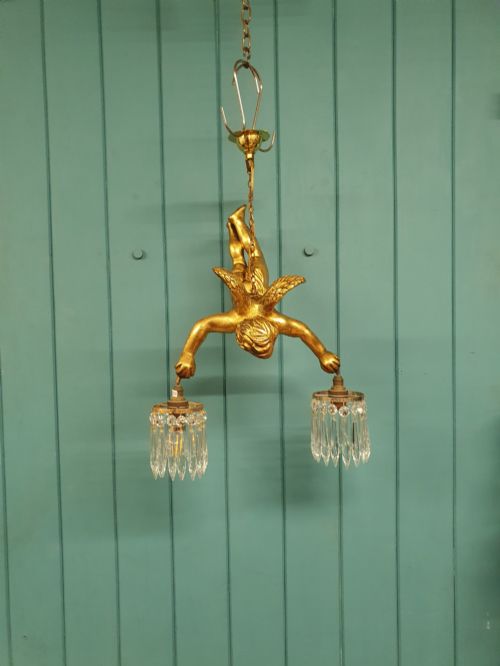
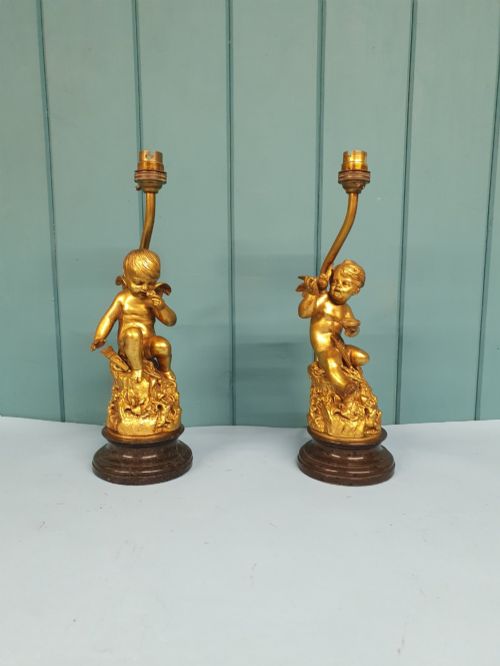
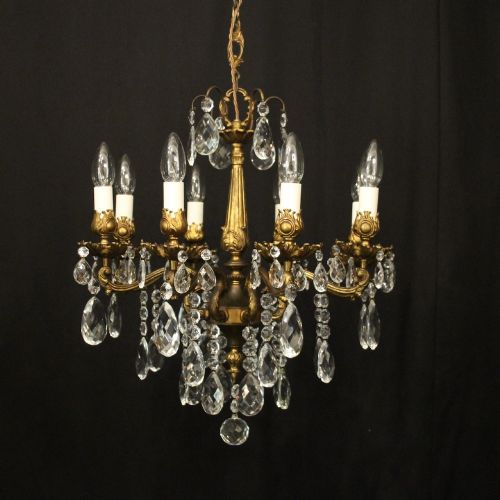
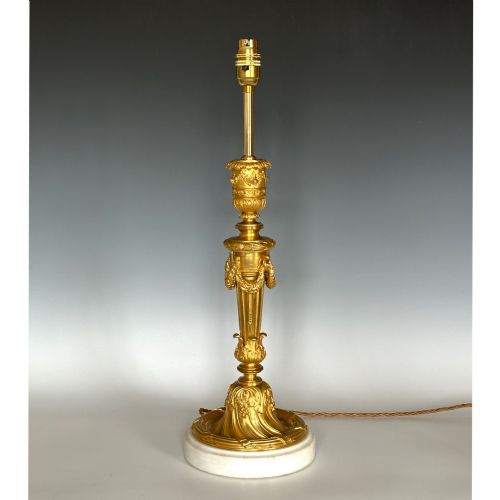
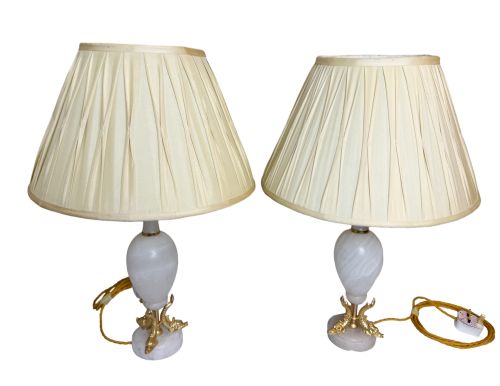
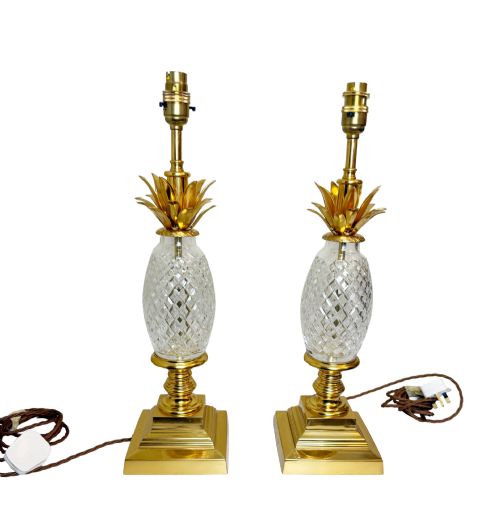
These items utilise cast metals, predominantly gilt bronze, ormolu, and brass, shaped into detailed figures, floral motifs, and architectural columns. Metal components are frequently combined with cut glass crystal drops, fabric shades, or ceramic bodies such as Chinese vases.
Craftsmen applied gilding techniques to bronze and brass bases to create a durable, golden surface finish. Structural mounts and trimmings were then assembled alongside glass pendants and lamp fittings.
Listings feature items spanning from the Victorian period through to 1930, utilising materials including marble, crystal, and ormolu.
What varies in quality
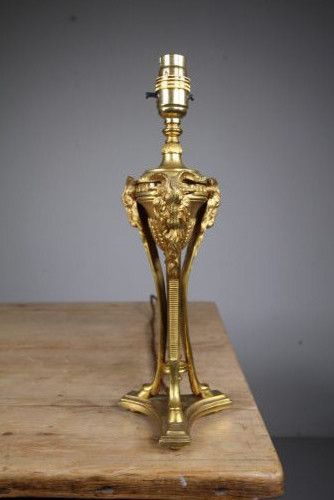
The refinement of the metal casting and the crispness of the chased detail dictate the distinction between standard production and top tier pieces. Sculptural elements like cherubs, rams' heads, or lion paw feet show varying degrees of hand-finished depth and clarity.
Material pairings also influence overall standard, particularly the clarity of crystal pendants, the weight of the underlying bronze or ormolu, and the integration of natural stones like marble and onyx.
E Rousseau·Corby Castle·Dugourc
The Gold Gilt Bronze Lamps Glossary
- Ormolu
- Gilt bronze produced by applying a mercury and gold amalgam to a bronze object, then heating to drive off the mercury. This technique creates a durable golden finish characteristic of French decorative items.
- Gilt Bronze
- Bronze metal that has been coated with a thin layer of gold leaf or gold paint. It provides a bright metallic appearance while utilising a stronger base metal.
- Rococo Revival
- A nineteenth-century design style reviving the asymmetrical scrolls, curves, and naturalistic motifs of the French Rococo period. It appears frequently in wall lights and chandeliers.
- Neoclassical
- A style drawing inspiration from classical antiquity, featuring symmetrical lines, urns, columns, and architectural motifs. This aesthetic is common in nineteenth-century chandeliers and table lamps.
Gold Gilt Bronze Lamps: Frequently Asked Questions
How do I identify a French gilt bronze lamp?
Look for characteristic design elements such as Rococo scrolls, Neoclassical columns, or Empire motifs combined with heavy cast bronze bases. French pieces often incorporate crystal drops or fine ormolu mounts.
Examining the weight of the metal and the precision of the chasing helps distinguish these pieces from later reproductions or alternative brassware.
What materials are paired with these lamps?
These items frequently combine gilt bronze or ormolu with cut glass crystal, marble, onyx, and fabric. Some examples incorporate ceramic bodies like powder blue Chinese vases.
Each added material influences the overall weight and visual balance of the lighting fixture.
Are these lighting fixtures rewired for modern use?
Many antique lighting pieces have been updated with modern wiring to meet contemporary safety standards for domestic installation. Rewiring preserves the historical metalwork while ensuring practical functionality.
Buyers should inspect the specific electrical fittings of each individual fixture before installation.
How do I date a gilt bronze lamp?
Dating relies on stylistic markers associated with specific periods like the Victorian era, the Neoclassical revival, or the 1920s and 1930s. Manufacturing techniques and assembly methods also provide clues to the age of the metalwork.
Comparing the decorative motifs against documented historical styles assists in narrowing down the era of production.