



Imari Ceramic Table Lamps
Imari ceramic table lamps combine centuries-old export porcelain with later electrical conversion, offering striking blue and burnt-orange palettes for interiors.
Imari Ceramic Table Lamps
When you search for imari ceramic table lamps, you encounter traditional Japanese export vases and English vessels adapted for domestic illumination. These objects bridge the gap between ancient ceramic production and functional household lighting.
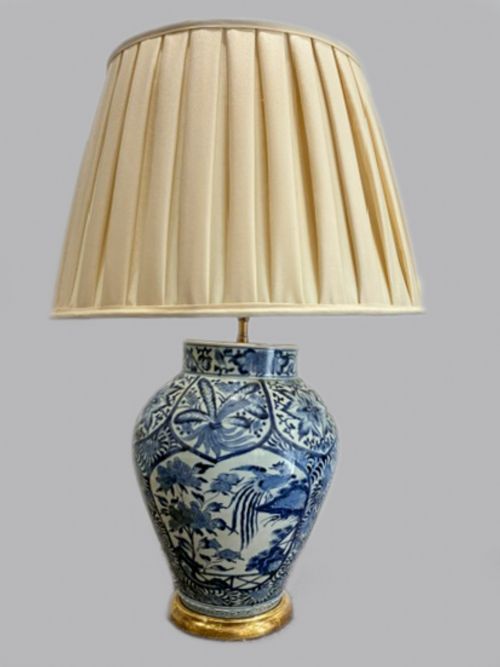
The pieces on this page span the seventeenth, eighteenth, and nineteenth centuries, originating mostly from Japanese kilns during the Edo and Meiji periods alongside Victorian English manufacturing. Vases from the Arita and Fukagawa traditions frequently form the ceramic bodies of these conversions.
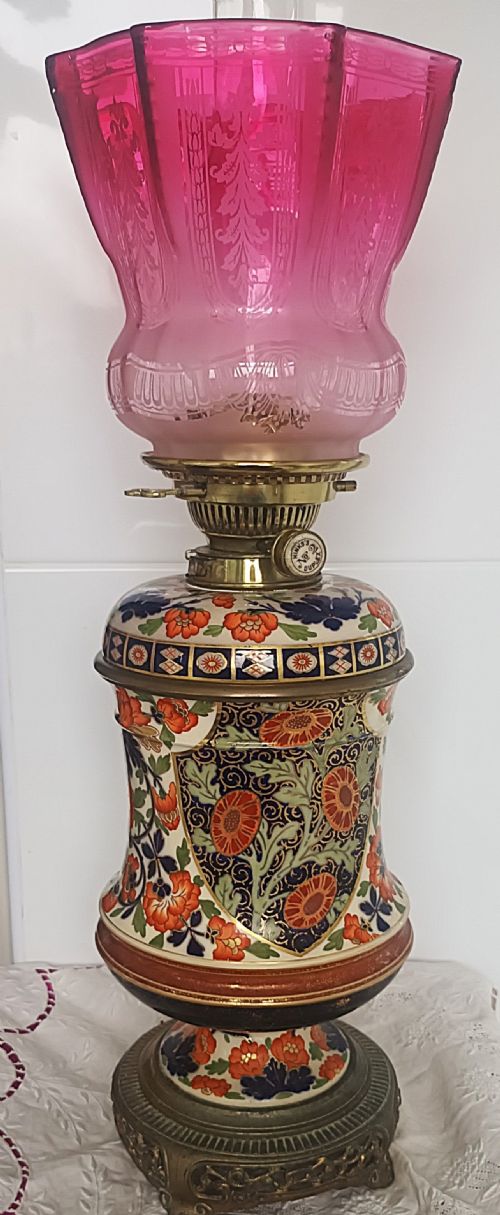
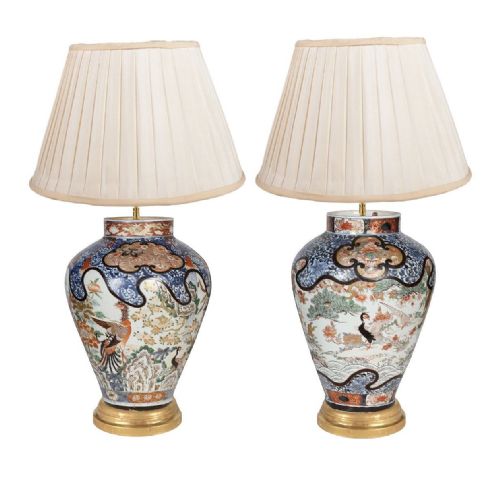
Makers often took antique spill vases or oil lamps, such as those associated with Hinks or Taylor Tunnicliff, and fitted them with brass or giltwood components. Pairs regularly appear alongside single large vessels, providing symmetrical options for sideboards and mantelpieces.
How they were made
The foundation of these pieces relies on hard-paste porcelain thrown and fired in East Asian or British kilns, decorated underglaze in cobalt blue and overglaze in iron red and gold. Potters shaped these bodies as spill vases or storage vessels before subsequent generations drilled them for wiring.
Metalworkers added brass collars, mounts, and fittings to secure the electrical hardware to the fragile ceramic neck. Wooden bases, including giltwood supports, were frequently constructed to elevate and stabilise the heavier porcelain bodies.
A remarkably patient potter shaped these vases centuries before anyone thought to hide a lightbulb inside them.
What varies in quality
Quality rests primarily on the integrity and age of the underlying ceramic vessel, with seventeenth and eighteenth-century Arita pieces commanding attention for their crisp potting and hand-painted pigments. Later nineteenth-century examples show shifts in production scale that alter the fineness of the brushwork.
The discretion of the conversion process determines how well the antique body integrates with its modern function. Professional adaptation preserves the original decorative scheme without compromising the stability of the porcelain or the alignment of the brass mountings.
Taylor Tunnicliff·Fukagawa
The Imari Ceramic Table Lamps Glossary
- Imari
- A style of Japanese porcelain decorated in underglaze blue, iron red, and gilt, named after the port from which it was shipped to Europe. This palette creates a rich decorative surface ideal for prominent rooms.
- Arita
- The Japanese town and surrounding region in Hizen province where porcelain production began in the early seventeenth century. Kilns here produced the vast majority of export wares destined for Western markets.
- Edo Period
- The period in Japanese history spanning from sixteen hundred and three to eighteen hundred and sixty-eight, noted for economic growth and strict isolationist foreign policies. Export ceramics from this era reached European courts via trade monopolies.
- Meiji Period
- The era spanning from eighteen hundred and sixty-eight to nineteen hundred and twelve, characterised by the modernisation and opening of Japan. Porcelain made during this time often catered directly to Western Victorian tastes.
- Spill vase
- A small upright container originally designed to hold wooden spills used for lighting pipes, fires, and candles. These vessels frequently provide the slim proportions utilised for table lamp conversions.
Imari Ceramic Table Lamps: Frequently Asked Questions
Are these lamps originally made for electricity?
Almost all imari ceramic table lamps started life as seventeenth, eighteenth, or nineteenth-century vases, jars, or oil lamps. They were converted decades or centuries later to hold electrical fittings.
This adaptation process usually involved drilling a discreet hole through the base or lower wall of the porcelain to feed the internal wiring.
How do I date an Imari lamp?
Dating relies entirely on the ceramic body rather than the electrical wiring or modern brass fixtures. Seventeenth and eighteenth-century pieces often display heavier potting and specific cobalt tones, while nineteenth-century items reflect Meiji or Victorian manufacturing standards.
Examining the footring and glaze pooling underneath the lamp base helps confirm the original period of the porcelain.
Can I find matching pairs?
Pairs do appear among the nineteenth and eighteenth-century items, offering symmetrical lighting solutions for larger tables or sideboards. These companion pieces usually share identical vase forms and hand-painted motifs.
Because many were converted independently or survived from different households, finding a matched pair remains less common than discovering individual lamps.
What fabric shades suit these lamps?
Silk and traditional woven fabric shades complement the rich cobalt blue and iron-red palette of the ceramic bodies. Selecting neutral or textured lampshades ensures the hand-painted export patterns remain the visual focal point.
Proportion matters significantly, so the shade diameter should balance the widest part of the antique vase below.