





Traditional Asian Table Lighting
Traditional Asian table lighting brings hand-finished ceramic and bronze vessels into domestic interiors, offering warm illumination through converted antique vases and lanterns.
Traditional Asian Table Lighting
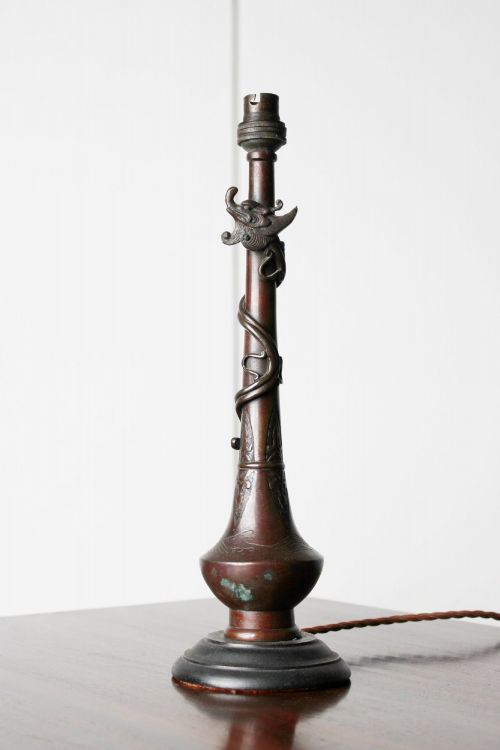
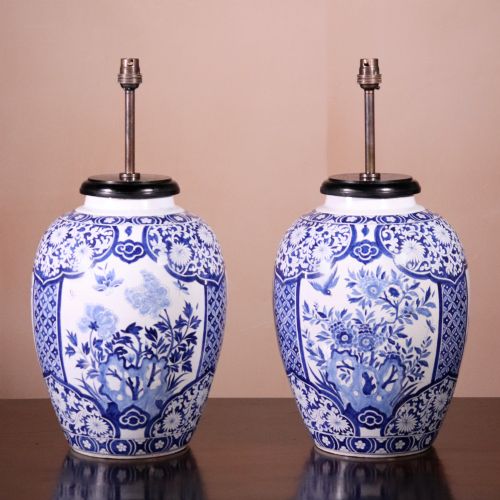
Traditional Asian table lighting encompasses converted porcelain, bronze and enamel vessels that serve as characterful lamps in living spaces. When exploring traditional asian table lighting, buyers encounter objects ranging from delicate Japanese Satsuma and Kutani porcelain vases to robust Chinese bronze figures.
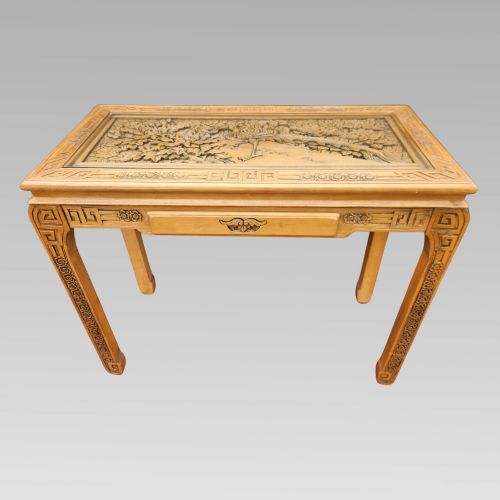
The pieces on this page span several centuries, including 18th century Arita Imari works, 19th century Qing dynasty pieces, and items from the Edwardian era. Alongside actual table lamps, the selection includes related items such as hardwood lantern stands and elm side tables designed to support such decorative objects.
How they were made
These items utilise traditional materials such as porcelain, bronze, brass, enamel, and carved wood. Artisans shaped ceramic bodies by hand before applying intricate underglaze blue, polychrome enamels, or cloisonné wirework.
Metal components involve cast bronze and brass, often paired with carved elm or hardwood bases. Fabric shades complete the construction, complementing the hand-decorated surfaces of the vessels.
An elephant once served as a bronze lamp base, standing ready to illuminate the room with nineteenth-century style.
What varies in quality
Quality in these lighting pieces rests upon the crispness of the hand-painted detail and the fidelity of the cast metalwork. Finer ceramic specimens display precise brushwork and well-defined glazes that reflect their period of origin.
The integrity of the original vessel conversion and the balance of the mounted components also dictate the standard of the piece. Superior examples retain their original surface patination across both the ceramic body and any bronze or wooden elements.
The Traditional Asian Table Lighting Glossary
- Satsuma
- A type of Japanese earthenware featuring a crackle glaze and elaborate polychrome and gilt decoration. These pieces were frequently adapted into table lamps during the early twentieth century.
- Cloisonné
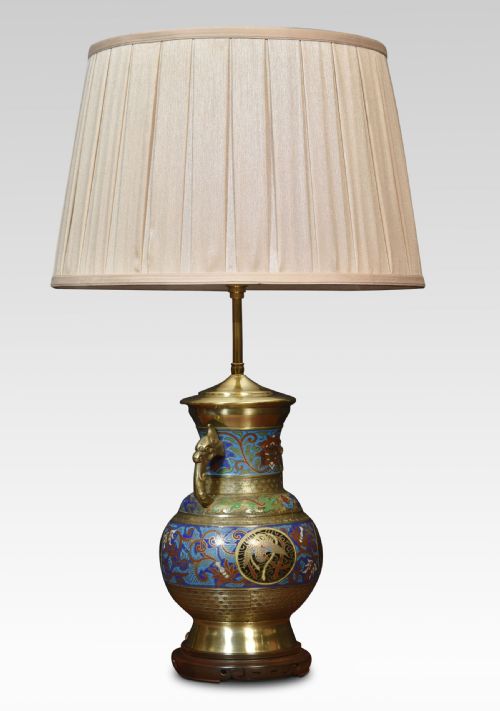
- An ancient technique for decorating metalwork objects with coloured glass pastes placed within wire compartments. The resulting vessels display vibrant patterned surfaces well suited to domestic illumination.
- Imari
- A style of Japanese export porcelain characterised by a palette of underglaze blue, iron red, and gold. Eighteenth century examples demonstrate particular refinement in their hand-painted floral motifs.
- Celadon
- A term for ceramics denoting a pale green jade-like glaze originating in East Asia. These heavy vessels provide a restrained focal point when converted for electrical use.
- Meiji Period
- The era in Japanese history spanning from 1868 to 1912, noted for highly decorative bronze work and exported ceramics. Works from this period often incorporate naturalistic animal or floral motifs.
Traditional Asian Table Lighting: Frequently Asked Questions
How are antique vases safely converted into lamps?
Conversion typically involves running a discreet electrical cord through a drilled base or using a fitted brass mount that avoids damaging the antique ceramic body. Professional wiring ensures the piece functions safely as a modern table lamp.
Buyers should check that the mounting hardware respects the structural integrity of the original vessel. Many pieces retain their original character despite these internal adaptations for modern domestic use.
What periods do these lamps come from?
The lighting options span from the eighteenth century through the Victorian and Edwardian periods up to the 1930s. Earlier examples often feature hand-painted Arita or Imari porcelain.
Later pieces frequently date to the Meiji period or the early twentieth century, showing a blend of traditional Asian craftsmanship with contemporary wiring methods.
How do I care for antique ceramic lamps?
Dust the porcelain and bronze surfaces regularly with a soft, dry cloth to prevent the accumulation of grime. Avoid harsh chemical cleaners that might damage delicate enamel or gilt details.
Keep the lamps away from direct sunlight to preserve the richness of the hand-painted pigments. Ensure any fabric shades are brushed gently according to their specific textile type.
Can I match different styles in a room?
Mixing Japanese Satsuma porcelain with Chinese bronze elements creates an eclectic interior that reflects historical collecting habits. The shared use of traditional materials helps disparate pieces sit comfortably together.
Pay attention to scale and proportion when placing these lamps on side tables or console tables. Consistent shade styles can also help unify varied vase forms across a room.