

Antique Ceramic Figure Pair
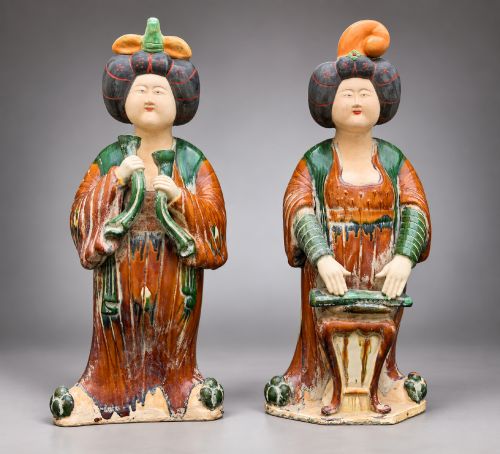
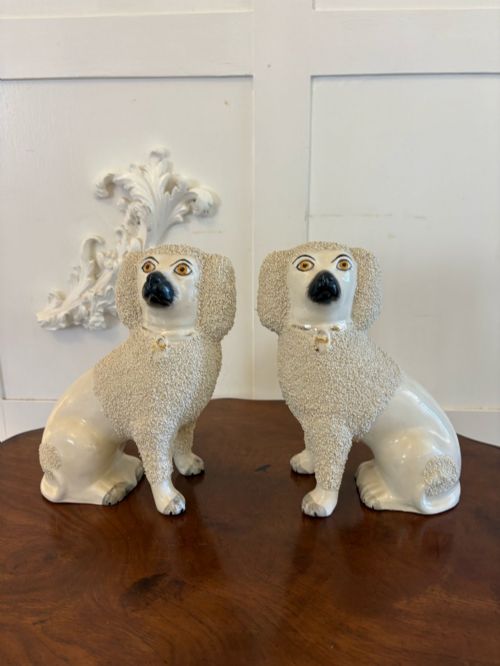
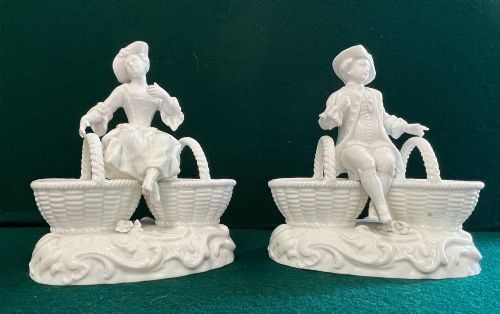
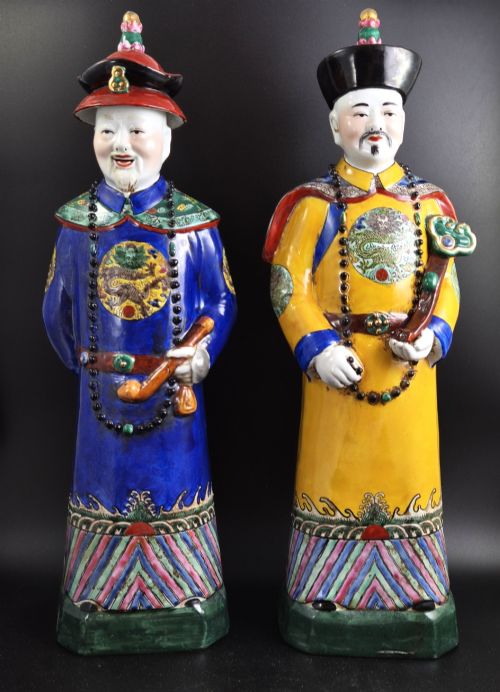
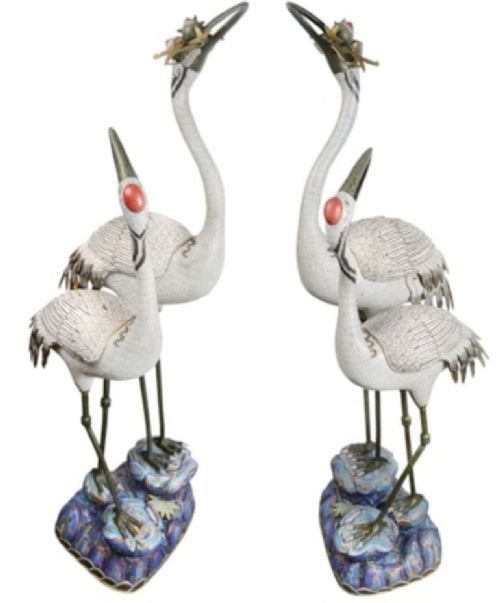
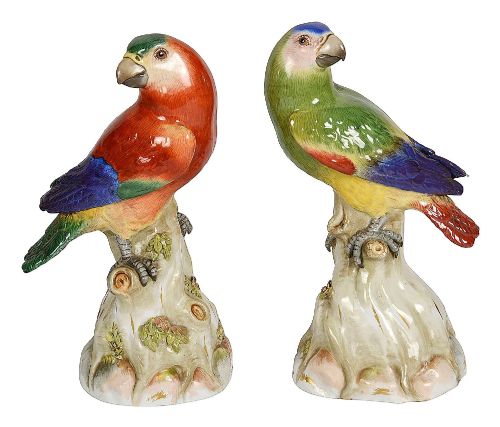
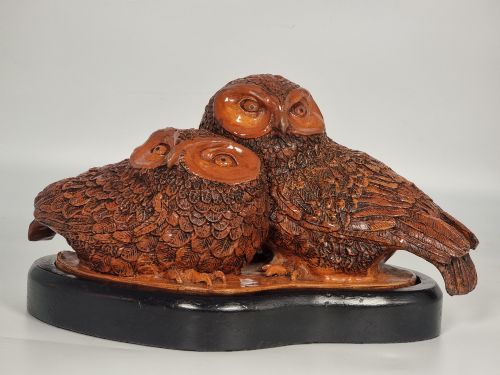
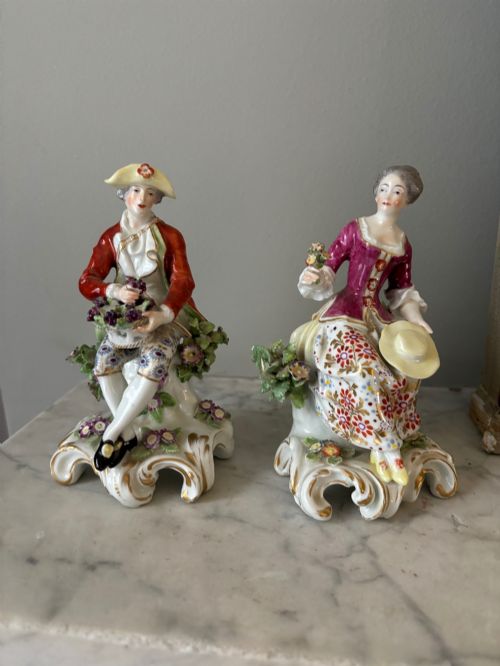
An antique ceramic figure pair brings balance and symmetry to a mantelpiece, offering matched subjects from animals to historical personages.
Antique Ceramic Figure Pair
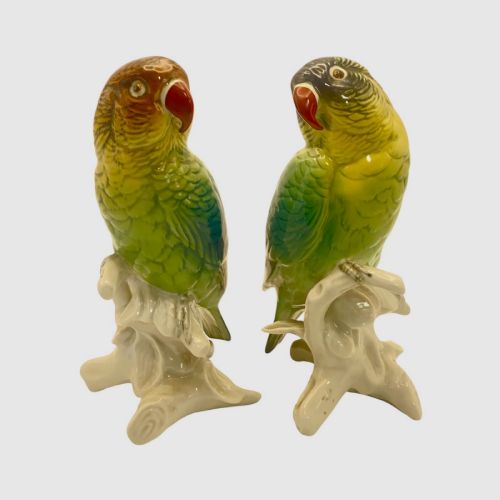
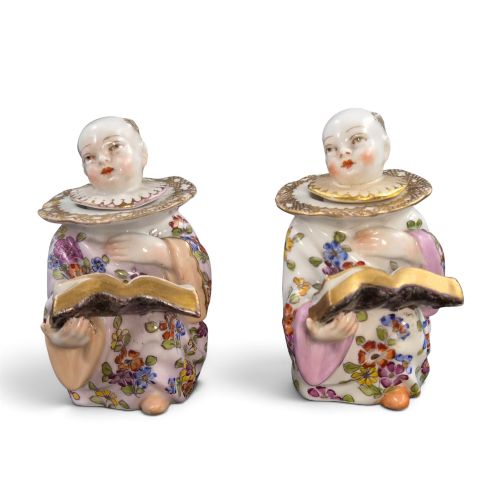
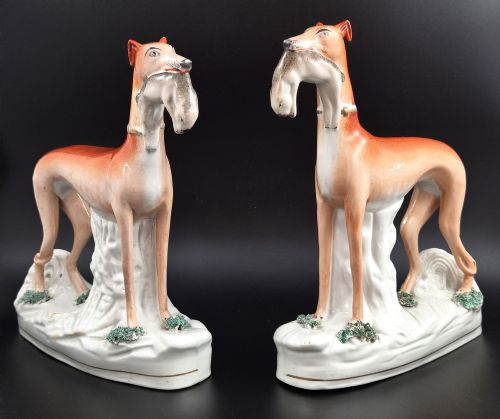
When you search for an antique ceramic figure pair, you encounter matched sets designed to sit symmetrically on mantelpieces, sideboards, or console tables. These decorative objects span domestic animals like spaniels, poodles, greyhounds, and cows, alongside human subjects such as historical figures, gardeners, and theatrical characters.
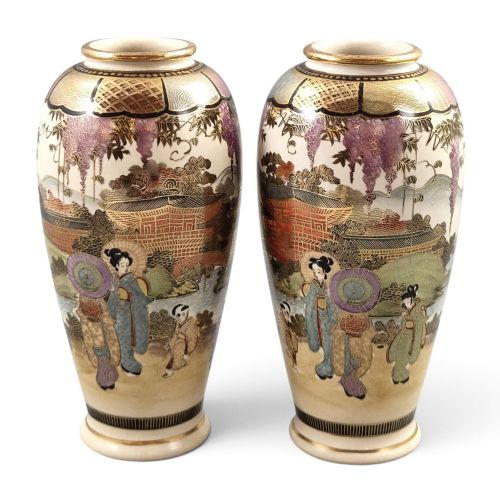
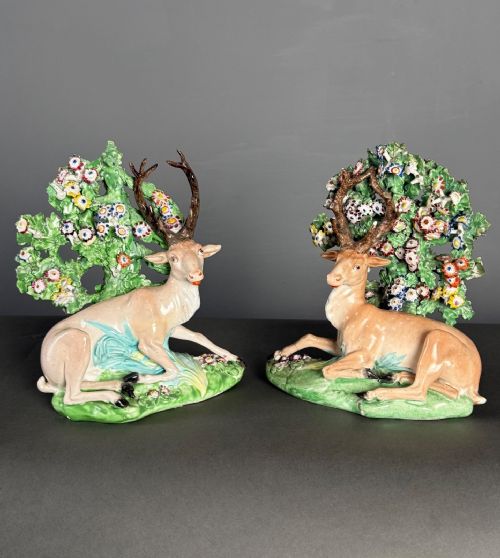
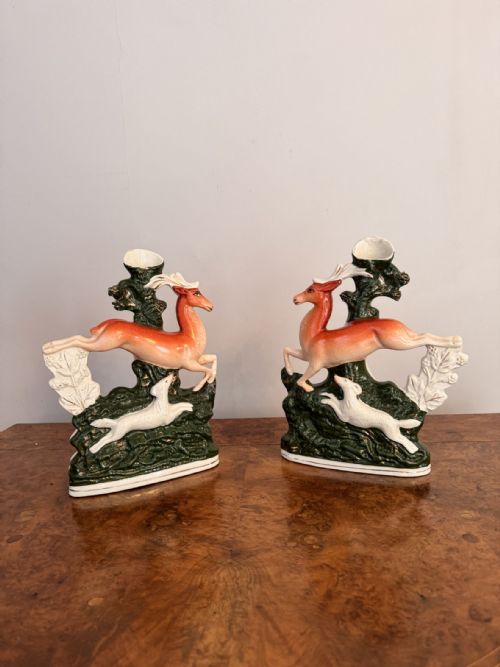
The selections on this page draw heavily from nineteenth-century Staffordshire pottery, alongside eighteenth-century Derby works, continental porcelain from Meissen and Edmé Samson, and Japanese Satsuma production. English earthenware flatbacks and spill vases sit alongside French faience and earthenware carnival figurines.
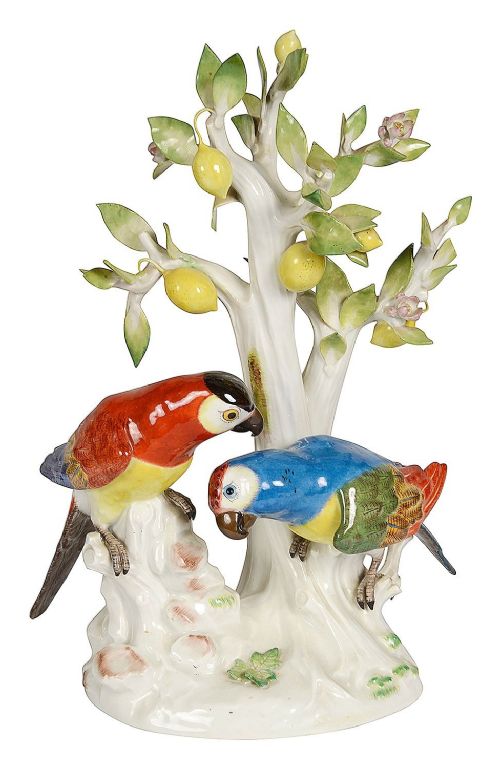
Buyers meet everything from utilitarian tobacco jars and figural inkwells to elaborate candlesticks and decorative porcelain vases modelled with birds or human groups. Each matching couple shares a common palette, moulding, and period origin, intended to be displayed together.
Materials and methods
Potters constructed these figures using earthenware, porcelain, and pearlware, shaping the clay through press moulding or slip casting in distinct halves. Artisans then joined the sections before applying lead glazes, enamel colours, and occasionally gold leaf or gilding to highlight specific details.
Firing took place in traditional kilns, after which painters decorated the surfaces by hand with enamels or cobalt blue underglazes, particularly seen in Dutch Delftware and Chinese export styles. Candlestick variants and bocage figures required complex assembly, fusing separate foliage elements and structural sockets to the main ceramic body before the final glaze firing.
Materials documented across the pieces include Enamel, Earthenware, Glaze, Porcelain, Gold Leaf, Ceramic, Lead Glaze, and Gilding.
Markers of quality
Superior examples distinguish themselves through crispness of moulding and the precision of hand-painted enamel work, where facial expressions and fine garments remain sharp rather than blurred. The depth and clarity of the glaze, alongside the careful application of gilding or gold leaf, separate workshop output meant for daily mantel display from mass-produced wares.
The integrity of the matching pair matters significantly, as matched sets that have survived together without heavy restoration retain greater consistency in pigment and wear. Finer pieces demonstrate careful attention to anatomical detail in animals or drapery in human figures, showing the modeller's skill before the clay met the kiln.
Karl Ens·Edmé Samson·James Hadley·H Schubert
The Antique Ceramic Figure Pair Glossary
- Flatback
- A ceramic figure modelled with a finished front and a flat, unpainted reverse intended to stand flush against a wall or mantelpiece. This construction saved materials and kiln space during production.
- Spill vase
- A hollow figural vessel designed to hold wooden spills used for lighting pipes, candles, or fires. These pieces combine practical utility with decorative modelling.
- Bocage
- An intricate background of applied ceramic leaves, flowers, and branches surrounding a central figure. This delicate technique is common in eighteenth- and nineteenth-century porcelain.
- Pearlware
- A refined fine earthenware developed by English potters featuring a pale bluish-white glaze that pooled in recesses. It bridges the technical gap between salt-glazed stoneware and later creamware.
- Faience
- Tinsglazed earthenware produced across continental Europe, notably in France and the Netherlands. The opaque white glaze provided a smooth ground for painted enamel decoration.
Antique Ceramic Figure Pair: Frequently Asked Questions
What rooms suit an antique ceramic figure pair?
These matched sets work well on living room mantelpieces, dining room sideboards, or entrance hall console tables where symmetrical placement creates visual balance. Their varied subjects bring character to traditional and eclectic interiors alike.
Placing them on secure, level surfaces away from heavy foot traffic protects delicate porcelain limbs and protruding elements like spill vase rims from accidental knocks.
How were figural candlesticks used?
Makers combined functional lighting sockets with decorative ceramic figures, allowing households to illuminate rooms using matched pairs of candles on tables or mantelpieces. The figures often depicted pastoral scenes, children, or exotic birds to enhance the room's decor.
Owners extinguished flames before the wax reached the ceramic body to prevent heat damage or smoke staining on the delicate hand-painted glazes.
How do I distinguish Staffordshire pottery from porcelain?
Staffordshire pieces typically utilise heavier earthenware or pearlware bodies with opaque glazes, often featuring flat backs designed for wall placement. Porcelain examples employ finer, denser ceramic bodies that can be translucent when held to the light.
Porcelain figures from makers like Meissen or Derby also exhibit finer brushwork and crisper surface detail compared to popular Staffordshire models.