

Antique English Pottery Pair
An antique english pottery pair brings symmetry and character to a room, offering paired figures and vessels made by historical makers.
Antique English Pottery Pair
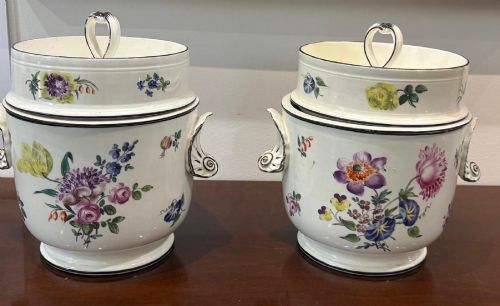
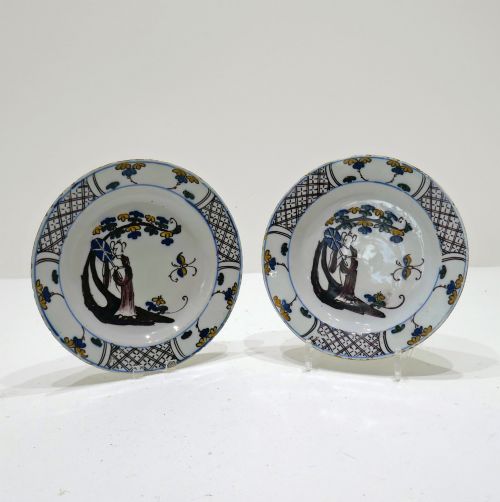
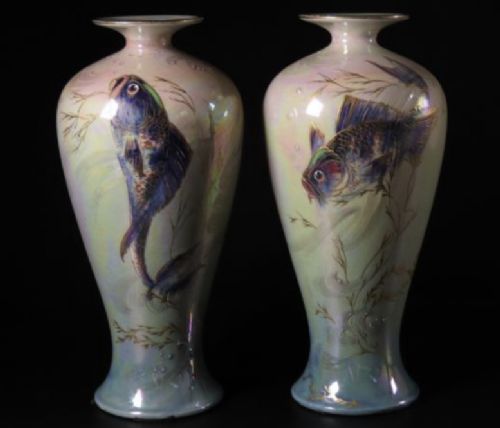
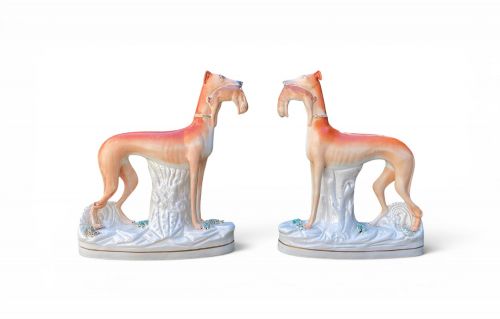
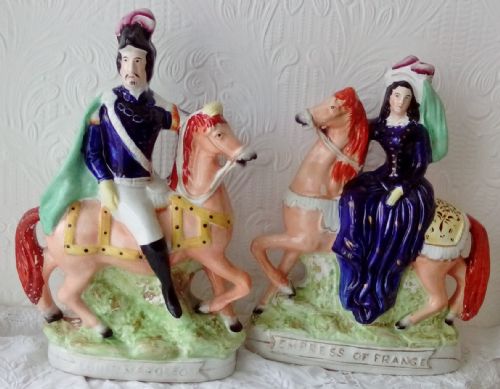
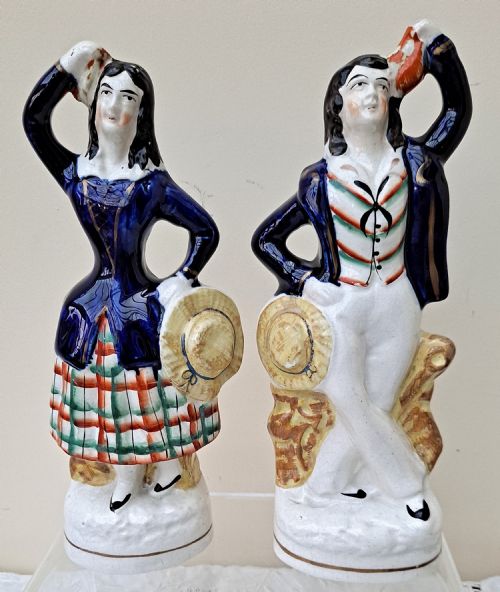
An antique english pottery pair comprises matched groupings created for symmetry and display, predominantly spanning eighteenth-century delftware plates through to Victorian Staffordshire figurines and twentieth-century vases.
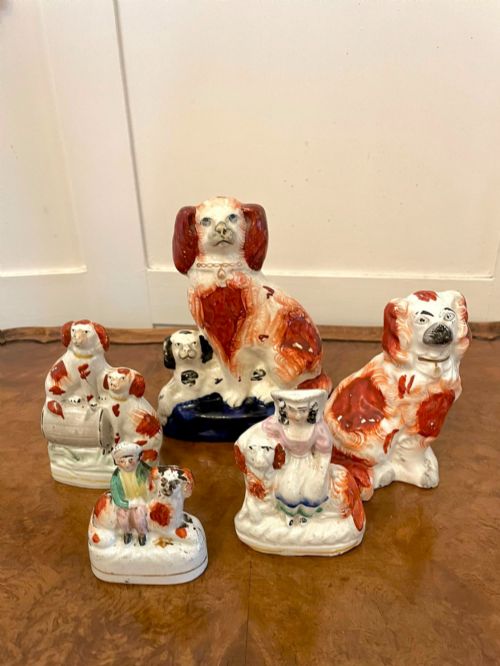
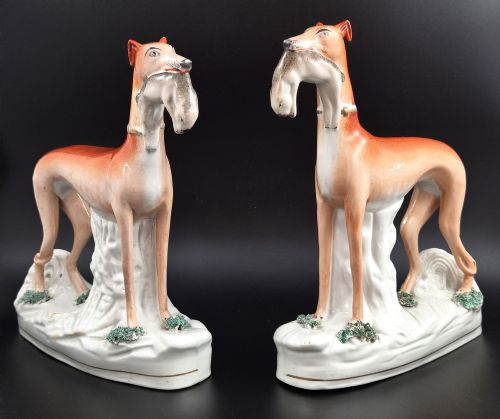
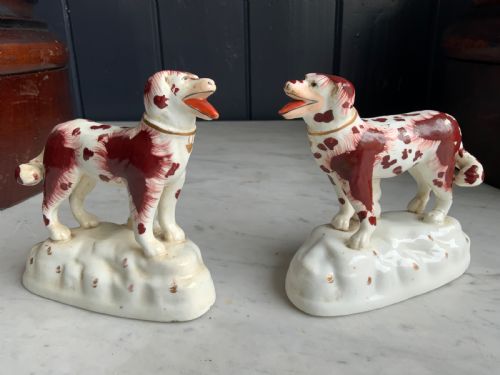
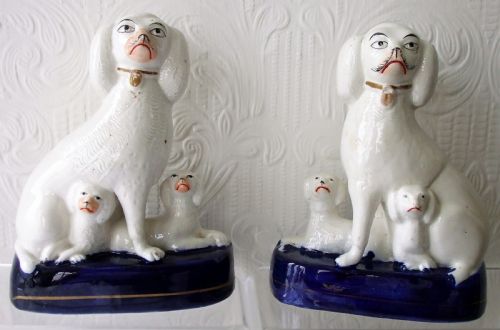
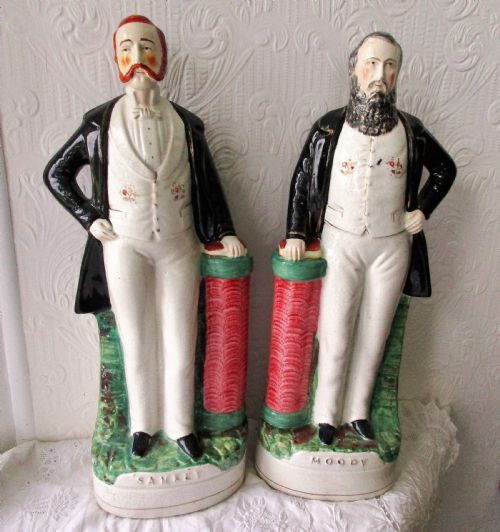
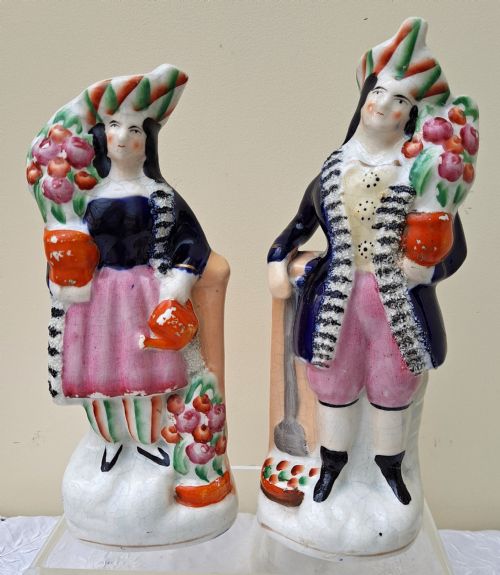
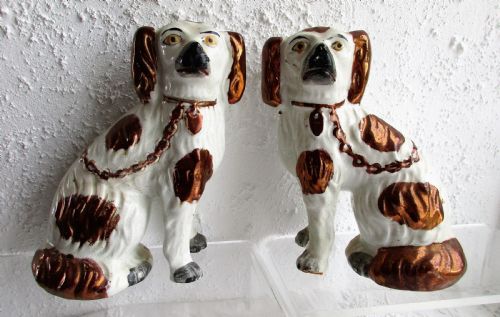
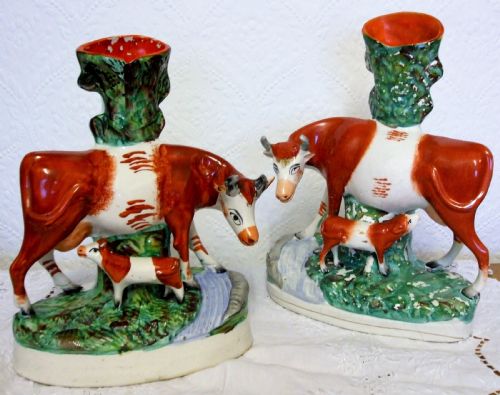
The selections on this page lean heavily towards nineteenth-century Staffordshire animals, portrait figures, and spill vases, alongside earlier delftware plates and later ironstone or lustre vessels.
Buyers seeking these coordinated sets will find both utilitarian tableware and purely decorative mantel ornaments originating from various English kilns and workshops.
How They Were Made
Potters utilised earthenware, creamware, pearlware, and ironstone as bodies, shaping pieces by hand or pressing clay into moulds.
Surfaces were finished with lead glazes, tin glazes, or enamel decoration, sometimes incorporating gold leaf or lustres for visual impact.
Among the menagerie of hounds and lions, snow leopards make a surprisingly fierce appearance.
What Varies in Quality
Early earthenware and delftware specimens demonstrate distinct glazing characteristics, while later Victorian figures show differing degrees of decorative crispness and enamel retention.
Walter Slater·Royal Doulton·Mason’s Ironstone
The Antique English Pottery Pair Glossary
- Delftware
- Tin-glazed earthenware produced in England during the seventeenth and eighteenth centuries, known for its distinctive white surface and blue or polychrome painted designs.
- Pearlware
- A fine earthenware developed in the late eighteenth century with a bluish-tinted glaze designed to mimic the appearance of Chinese porcelain.
- Creamware
- A refined earthenware possessing a warm, pale yellow or cream-coloured lead glaze, perfected by English potters during the Georgian era.
- Spill Vase
- A hollow ceramic vessel designed to hold taper spills used for lighting candles and pipes, frequently modelled as animals or figures.
- Staffordshire
- A major English ceramic-producing region in the Midlands, famous for producing earthenware figures, animals, and mantel dogs during the Victorian period.
Antique English Pottery Pair: Frequently Asked Questions
What are Staffordshire dogs used for?
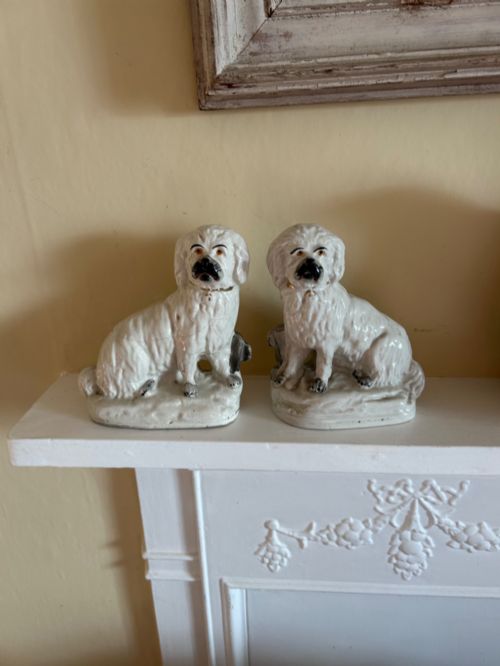
Staffordshire dogs were traditionally placed on mantelpieces in pairs, facing inward toward each other to greet visitors.
Victorian households used these ceramic spaniels and greyhounds to project respectability and domestic comfort.
How do I date antique pottery?
Dating involves examining the ceramic body, glaze formulation, and painting style to match known historical periods.
Earlier eighteenth-century pieces often feature delftware or pearlware bodies, while Victorian items typically show heavier earthenware mouldings.
Are these plates meant for dining?
Most antique english pottery plates from the eighteenth century, such as delftware, were produced for display or occasional use rather than modern heavy dining.
Their tin glazes and earthenware bodies are susceptible to chipping and scratching from modern cutlery.
Why are they sold as pairs?
Pairs were designed specifically to maintain symmetrical arrangement on furniture, mantelpieces, and architectural ledges in British homes.
Matching figures or vases provided balance and visual harmony to interior decor schemes.