





Polychrome Earthenware Statuettes
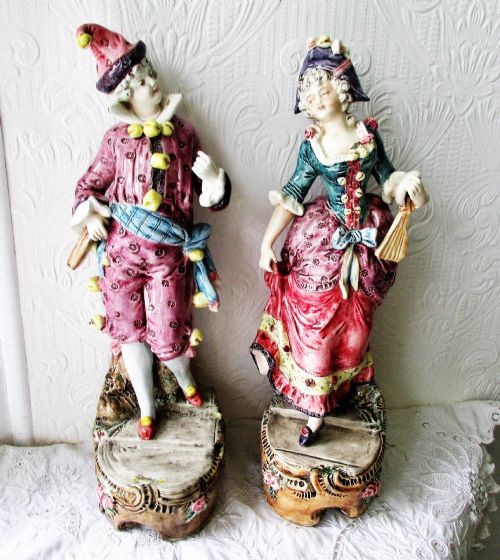
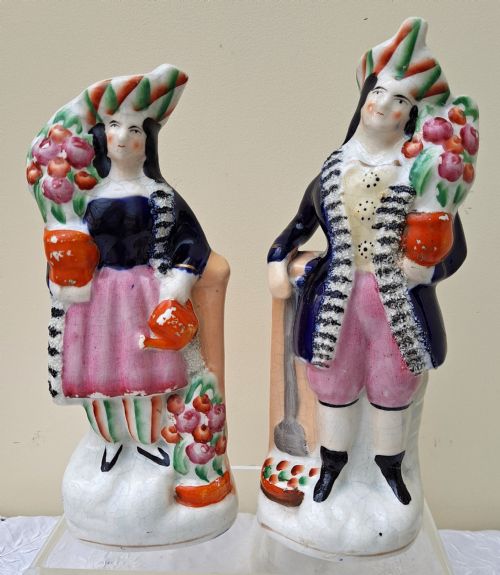
Polychrome earthenware statuettes bring character to a room, ranging from Staffordshire pottery figures to French carnival figurines.
Polychrome Earthenware Statuettes
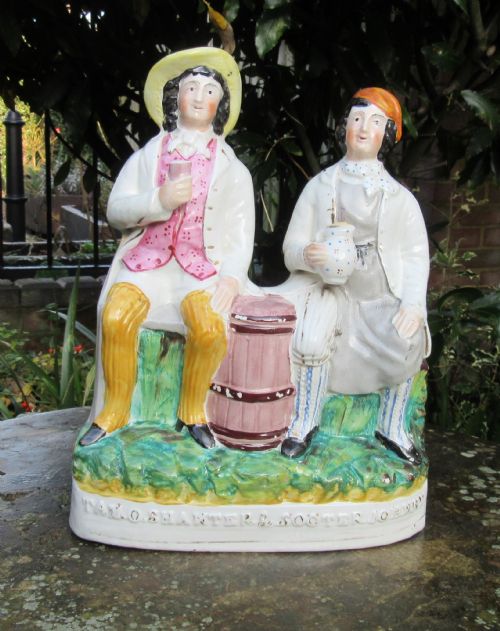
When searching for polychrome earthenware statuettes, buyers encounter decorative figures and ceramic figurines modelled in clay and painted in multiple colours. These pieces capture historical events, literary characters, theatrical portraits, and everyday occupations across various eras.
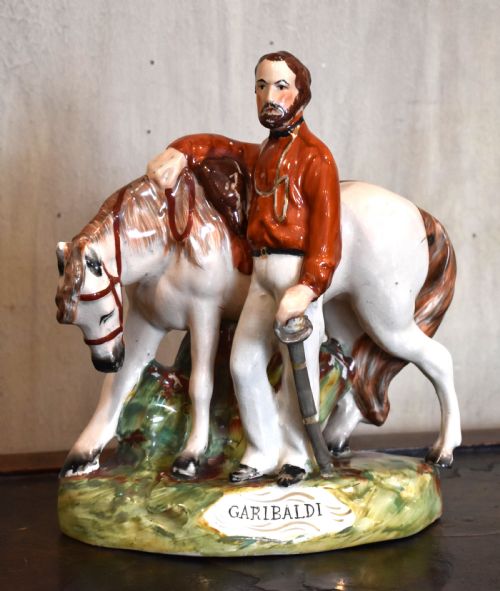
The selections available here lean heavily toward Victorian Staffordshire figures and pottery gardeners, alongside French earthenware carnival figures and Tang Dynasty style glazed pottery. Collectors also find porcelain figures and majolica works depicting figures such as Jenny Lind and Garibaldi.
Originating from English and continental workshops, these statuettes serve as decorative ornaments that reflect the popular culture and artistic tastes of the nineteenth and early twentieth centuries. Each piece offers a tangible link to historical ceramic traditions.
How they were made
Makers shaped these statuettes from earthenware and ceramic bodies, often applying a glaze to seal the clay before adding surface decoration. Some pieces utilise porcelain or majolica techniques to achieve distinct finishes.
Listings feature Victorian, Georgian, and twentieth-century periods, spanning materials from earthenware and porcelain to majolica and sancai glazes.
What varies in quality
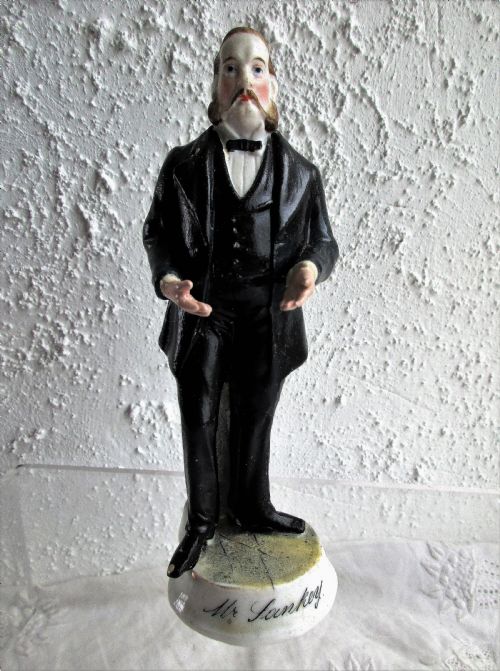
The fidelity and crispness of the modelling distinguish finer statuettes from simpler commercial output, particularly in facial expressions and hand-painted details. Portrait figures of historical or theatrical subjects demand precise likenesses to succeed.
The application of glaze and enamel paint contributes significantly to visual appeal, where controlled brushwork and rich colour saturation elevate a piece. Greater scale and paired groups also introduce complexity in both firing and composition.
Royal Worcester·Shelley
The Polychrome Earthenware Statuettes Glossary
- Earthenware
- Porous pottery fired at relatively low temperatures which requires glazing to hold liquids and achieve a smooth surface. It forms the primary body for traditional Staffordshire figures.
- Polychrome
- Decorated in several colours. This term describes ceramic pieces painted with varied enamel pigments.
- Majolica
- Opaque tin-glazed earthenware known for bright, saturated colour palettes. Royal Worcester produced notable examples in this technique.
- Sancai
- A three-colour glaze tradition associated with Tang Dynasty styles, typically employing amber, green, and cream tones.
- Staffordshire pottery
- Earthenware figures produced by numerous potteries in the Staffordshire region of England. These pieces frequently depict historical events, literary scenes, and notable personalities.
Polychrome Earthenware Statuettes: Frequently Asked Questions
What are polychrome earthenware statuettes?
These pieces are moulded ceramic figures decorated with multiple enamel colours over a glazed earthenware body. They depict historical figures, theatrical performers, and everyday characters.
Originating largely from British and European potteries, they functioned as mantelpiece ornaments and decorative parlour displays during the nineteenth and early twentieth centuries.
How do I identify Victorian Staffordshire figures?
Victorian Staffordshire figures typically feature earthenware construction with hand-painted enamel decoration depicting historical events, literary characters, or pastoral scenes. They often display flat or hollow unglazed bases with small vent holes.
Subjects range from political leaders and military heroes like Garibaldi to gardeners and theatrical portraits such as Jenny Lind.
How do I care for antique ceramic figures?
Antique ceramic statuettes require gentle dusting with a soft, dry brush to prevent the accumulation of dirt on painted surfaces and glazed areas. Avoid using liquid cleaners, which can damage historic enamel paints.
Keep the figures away from direct sunlight and areas subject to sudden temperature fluctuations to protect the ceramic body and glaze stability.
What is majolica pottery?
Majolica is a type of pottery featuring a lead glaze mixed with tin oxide to produce an opaque white surface, which is then painted with metallic oxide colours. This technique creates vibrant, glossy finishes seen on nineteenth-century figures.
Key makers utilised this method to achieve rich colour saturation and sculptural depth on decorative figurines.