




Ceramic Basket Figures
Ceramic basket figures combine modelled human or animal forms with woven receptacles, offering a charming display of historical craftsmanship.
Ceramic Basket Figures
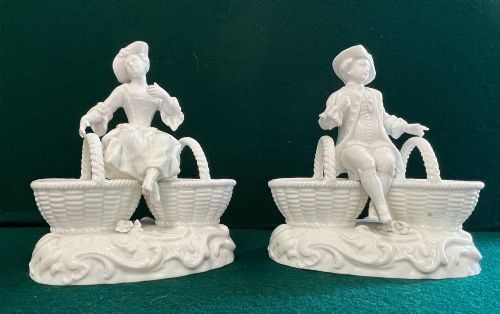
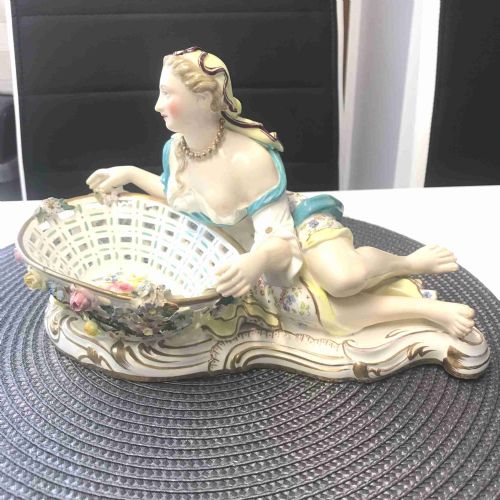
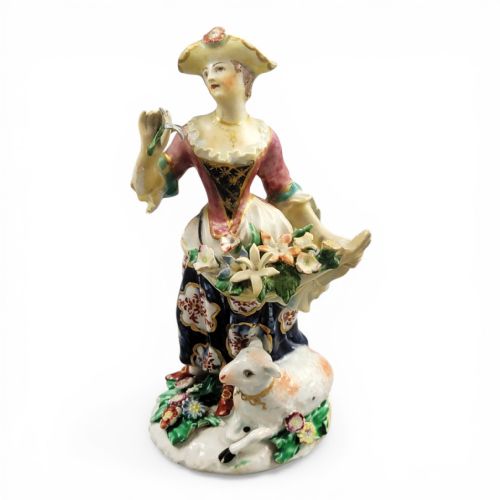
Ceramic basket figures encompass sculptural representations of people, animals, and cherubs holding, carrying, or standing beside woven receptacles. These pieces appear frequently as pairs of figures, single maidens, street sellers, and table centrepieces from various European and Asian traditions.
The objects span multiple periods, ranging from eighteenth-century porcelain examples to nineteenth-century terracotta and twentieth-century factory productions. Collectors encounter forms such as sweetmeat dishes, bouquetiere figures, and quill holders integrated with basketwork.
Origins stretch across English, German, French, Austrian, and Chinese kilns, demonstrating diverse regional interpretations of sculptural ceramics. Figures often depict ladies with flowers, gardeners, and cherubs interacting directly with the modelled baskets.
Methods and materials of manufacture
Makers utilised porcelain, terracotta, and majolica as primary bodies, shaping them through moulding and hand-modelling techniques. Fired clay received glazes, enamel paints, and occasionally gold leaf or gilt highlights to define details on garments and woven surfaces.
Complex pieces required multiple firings to set the ceramic body before applying delicate polychrome enamel colours and metallic accents. Terracotta works relied on detailed surface modelling and paint, whilst porcelain productions utilised translucent glazes and intricate hand-formed floral elements.
Listings feature works spanning the eighteenth, nineteenth, and early twentieth centuries, executed in porcelain, terracotta, and majolica.
Assessing quality in ceramic figures
The delicacy of applied elements, such as individual porcelain flowers and leaves around the base, distinguishes finer works from heavier productions. Restoration and the loss of fragile modelled parts heavily influence the integrity of older specimens.
Goldscheider·Meissen·Royal Dux Bohemia·Royal Worcester·Sitzendorf
The Ceramic Basket Figures Glossary
- Bouquetiere
- A vessel or figure designed specifically to hold small bunches of cut flowers. These pieces often incorporate a central basket or vase section alongside modelled figures.
- Sweetmeat dish
- A small decorative container used for serving confectionery, sweetmeats, or dry delicacies at a dining table. They frequently take the form of figures holding open baskets.
- Parian ware
- A type of unglazed bisque porcelain developed in the nineteenth century to imitate white marble. It possesses a smooth, fine-grained texture ideal for classical figures and detailed busts.
- Majolica
- A type of earthenware coated with an opaque tin-glaze and painted with bright metal oxide colours. This technique produces vibrant, glossy surfaces often seen on nineteenth-century figures.
- Blanc de Chine
- A white porcelain made in Dehua, China, featuring a distinctive creamy glaze. Figures in this style rely entirely on sculptural form rather than polychrome paint for visual impact.
Ceramic Basket Figures: Frequently Asked Questions
What were ceramic basket figures used for?
Many of these pieces served as decorative centrepieces, mantel ornaments, or functional sweetmeat dishes for holding small confectioneries during formal meals.
Others functioned as bouquetiere figures designed to display fresh flowers within their integrated ceramic baskets or accompanying receptacles.
How can I date my ceramic figure?
Dating relies upon examining the paste, glaze characteristics, factory marks on the base, and the stylistic cues of the clothing and modelling. Eighteenth-century pieces typically show softer paste porcelain and hand-painted enamels, whilst nineteenth-century works often employ brighter glazes or parian ware.
Comparing the object's model number and base stamps against known factory production records provides a more precise period of manufacture.
Are these figures fragile to display?
The delicate nature of applied elements like floral bouquets, thin limbs, and woven basket handles requires careful placement away from high-traffic areas and vibrations. Porcelain and terracotta bodies remain stable when stationary, but protruding details need adequate clearance.
Displaying them within enclosed cabinets protects the fine enamel paint and fragile extremities from accidental knocks and dust accumulation.
How do I clean antique ceramic figures?
Dusting with a soft, dry artist's brush removes surface particles safely without abrading the delicate glazes or painted enamel details. Avoid soaking pieces, particularly older terracotta or items with exposed unglazed repairs, as moisture can penetrate the porous ceramic body.
Harsh chemical cleaners must be avoided entirely to preserve the original gilt highlights, gold leaf, and hand-applied colours.