
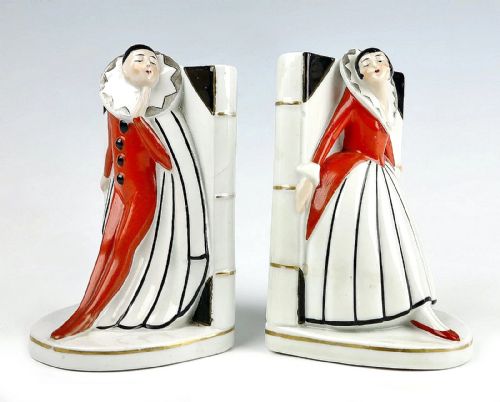


Decorative Ceramic Figure Pair
A decorative ceramic figure pair brings symmetry and character to a room, offering matched storytelling through sculpted porcelain, earthenware, and terracotta.
Decorative Ceramic Figure Pair
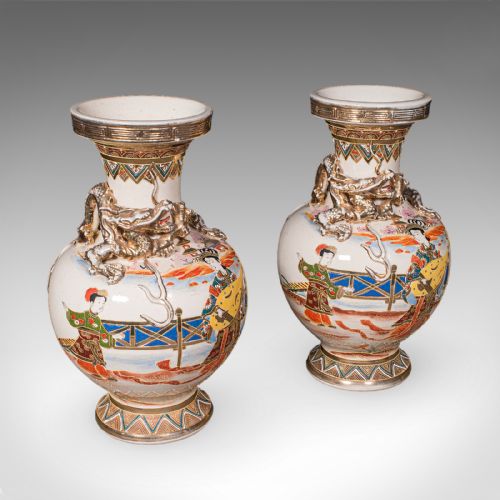
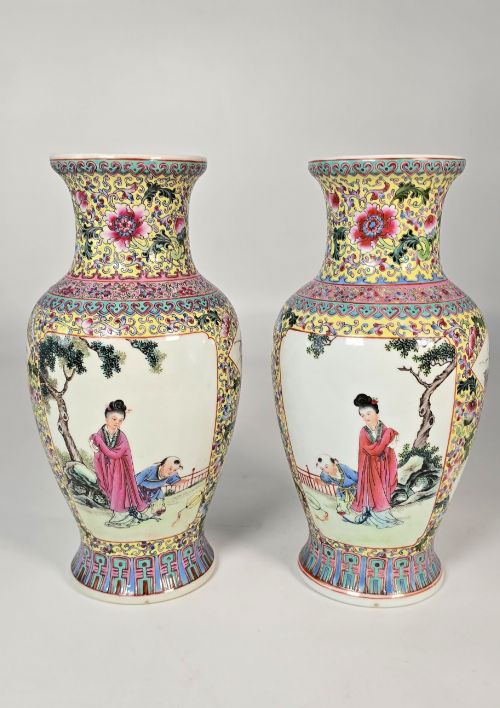
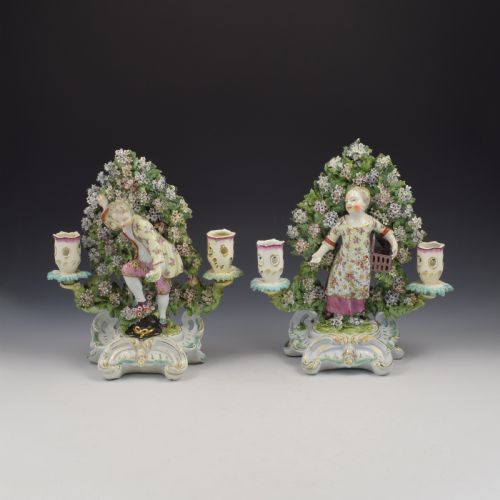
A decorative ceramic figure pair comprises two matching modelled or thrown pieces designed to balance a mantelpiece, sideboard, or console table. When searching this phrase, a buyer encounters everything from eighteenth-century English porcelain bocage candlesticks and nineteenth-century continental figures to twentieth-century earthenware bookends and Japanese Satsuma vases.
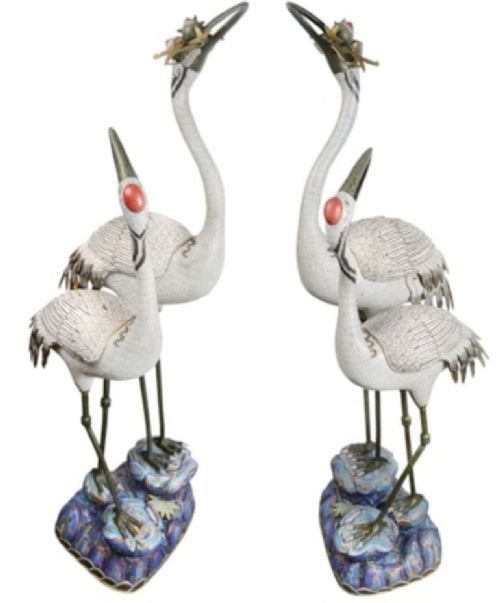
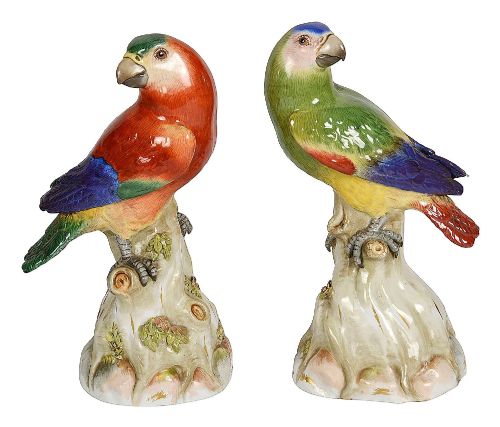
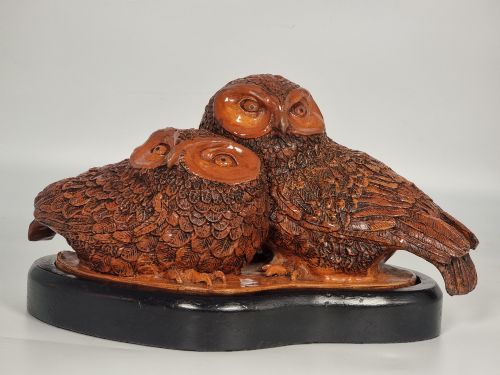
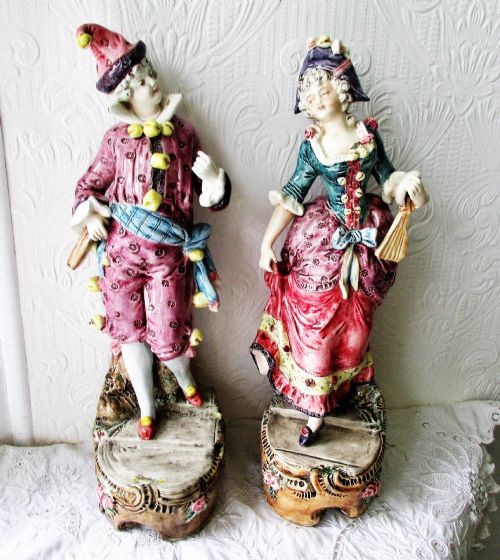
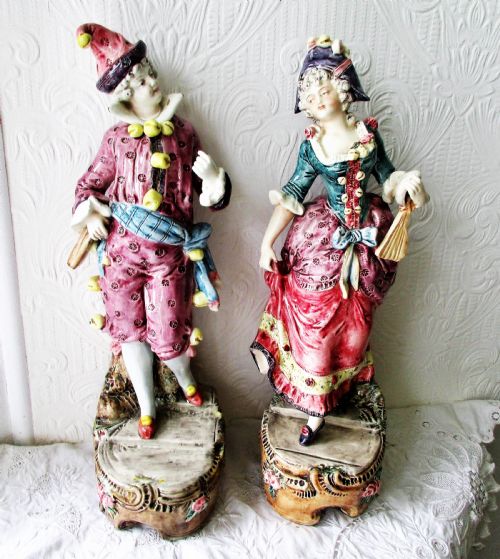
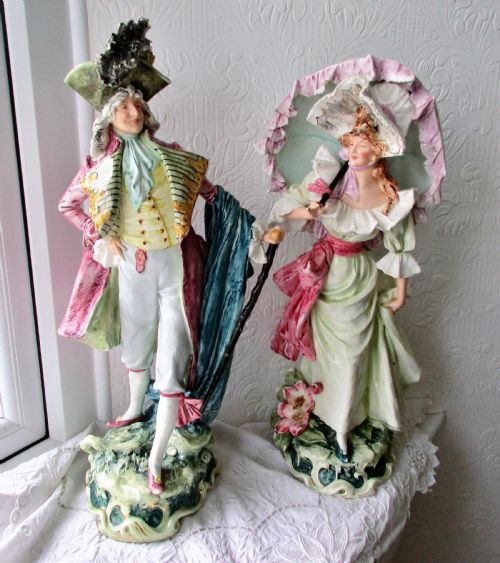
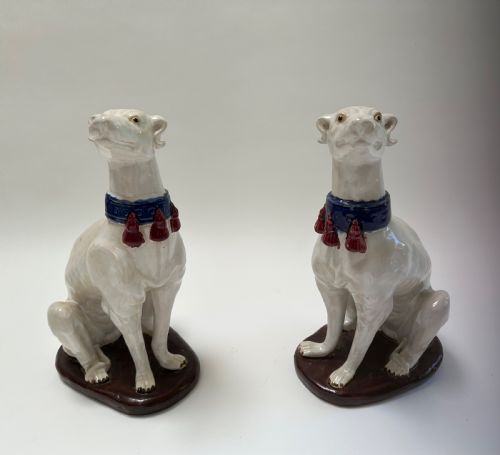
The selection ranges widely across origins and traditions, featuring German hard-paste porcelain harvesters, French faience gallants, Italian terracotta cockerels, and Staffordshire figures of seated Turks. Animal subjects also feature prominently, including Chinese Sancai glaze ducks, pottery owls, Majolica dogs, and Meissen parrots.
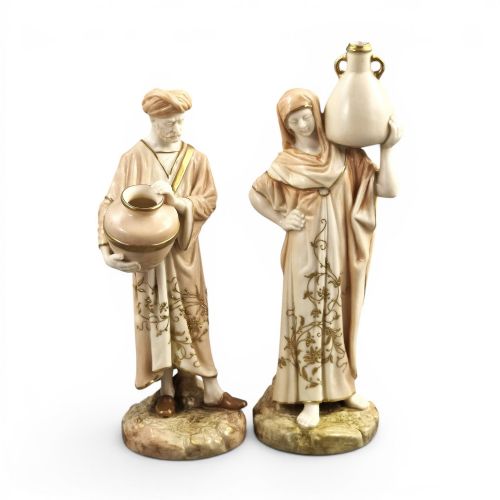
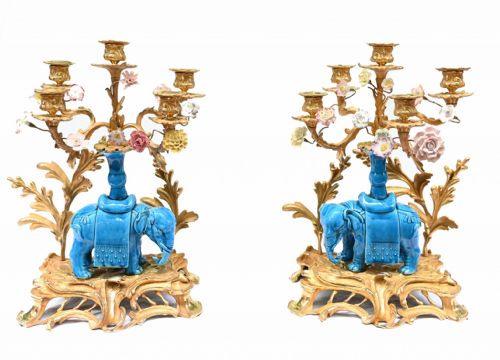
Makers often fashioned these sets as allegorical representations, human figures in regional costume, or mythological scenes such as Alexander the Great conquering India. Buyers also find utilitarian forms modelled as pairs, including porcelain elephant candelabras, water carrier figures, and classical relief vases.
Materials and methods of construction
Potters and modellers utilised hard-paste and soft-paste porcelain, earthenware, faience, terracotta, and biscuit porcelain to create these sculptures. Many pieces received hand-painted enamel decoration, underglaze pigments, or Sancai glazes, whilst others incorporated applied details such as leafy bocage backgrounds, gilding, and gold leaf highlights.
Techniques varied from slip casting and press moulding to intricate hand-sculpting of figures, animals, and architectural bases. Artisans frequently mounted completed ceramic bodies onto specialised supports, including ebonised wooden bases, or enclosed delicate groupings within original glass domes for protection.
Piano babies wait patiently by keyboards, having once kept restless Victorian children quiet during long music practice sessions.
Distinctions in craftsmanship and finish
Quality rests in the crispness of the modelling and the precision of the hand-painted enamels, where fine brushwork brings out facial expressions and costume details. Superior examples display careful handling of applied elements like floral bocage, ensuring leaves and petals retain sharp definition rather than appearing thick or blurred.
The sophistication of the glaze and the purity of the ceramic body also separate standard production from exceptional work. Pieces featuring rich Sancai coloration, detailed gilding, or well-executed biscuit porcelain demonstrate the greater skill of established factories and master modellers.
James Hadley·Royal Worcester·Edme Samson·C. G. Schierholz·Sitzendorf
The Decorative Ceramic Figure Pair Glossary
- Bocage
- Foliate background decoration applied behind figures, common in eighteenth-century English porcelain. It typically depicts stylized leaves and branches made of ceramic.
- Biscuit
- Unglazed ceramic fired once, producing a matte, porous white surface with a texture like marble. It was widely used for neoclassical figures and portrait busts.
- Faience
- Tin-glazed earthenware produced in France and other European countries. It provides an opaque white ground suitable for hand-painted enamel decoration.
- Sancai
- Three-colour glaze tradition originating in China, typically utilising amber, green, and cream or white tones. It frequently appears on ceramic ducks and temple dogs.
- Hard-paste
- True porcelain made from kaolin and petuntse fired at high temperatures. This composition results in a dense, vitrified body that resists scratching.
Decorative Ceramic Figure Pair: Frequently Asked Questions
What is a ceramic figure pair?
A decorative ceramic figure pair consists of two matched sculptures designed to be displayed together for visual symmetry.
These pieces typically depict human characters, animals, or allegorical scenes modelled in porcelain, earthenware, or terracotta.
How were these figures used?
Historically, families placed these matched objects on mantelpieces, dining tables, and pier glass brackets to display taste and wealth.
Some examples also served functional roles as candlesticks, vases, or bookends while maintaining their sculptural decorative purpose.
How do I care for antique figures?
Keep ceramic figures out of direct sunlight to prevent fading on hand-painted enamel and gilded surfaces.
Dust them gently with a soft, dry brush and avoid using water or chemical cleaners on unglazed biscuit porcelain.
How can I tell the period?
Examine the base for factory marks, impressed numbers, and glaze characteristics that correspond to specific manufacturing eras.
Stylistic cues such as Rococo Revival curves or Art Deco lines also help narrow down the date of production.