






Blue Glazed Pottery Figures
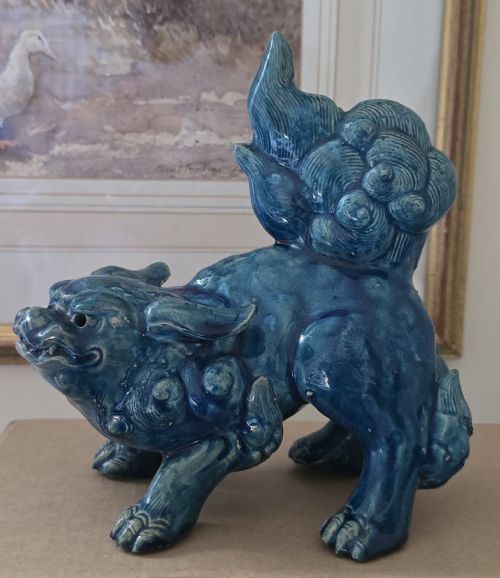
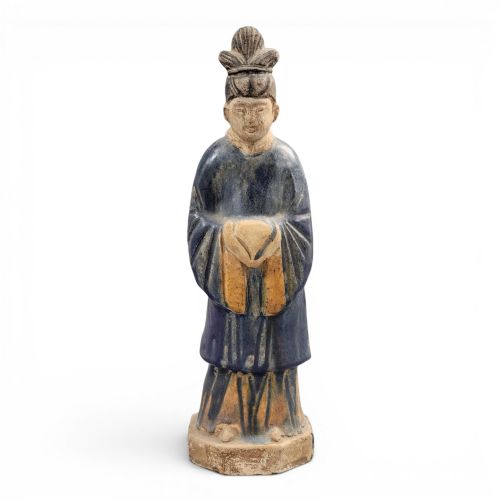
Blue glazed pottery figures bring together hand-formed ceramic subjects and striking cobalt or turquoise washes, offering characterful focal points for a room.
Blue Glazed Pottery Figures
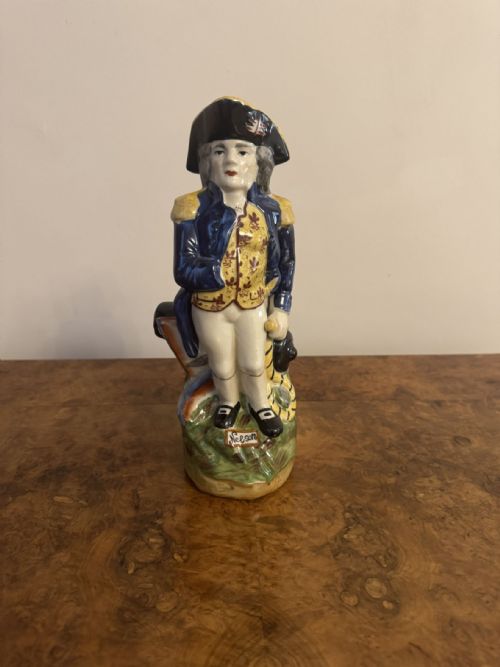
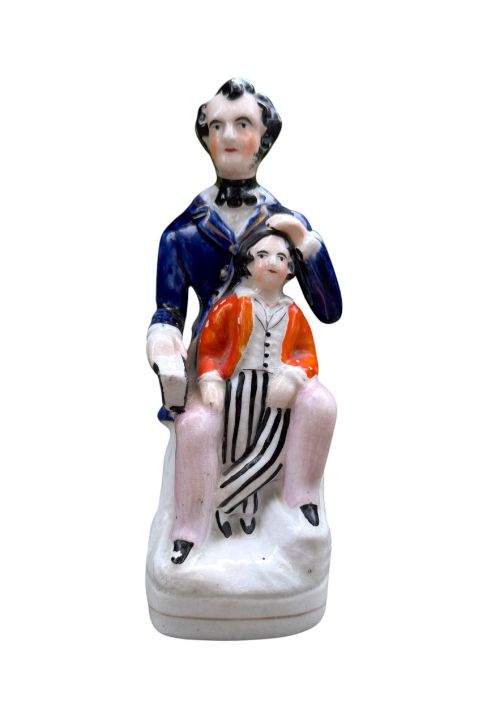
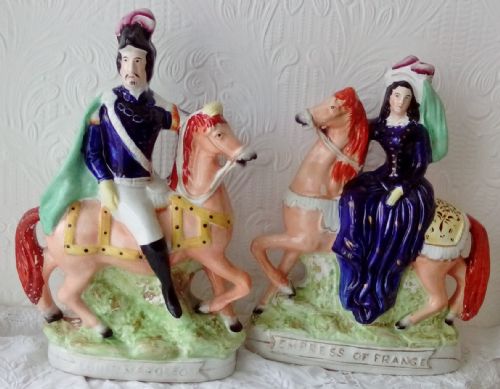
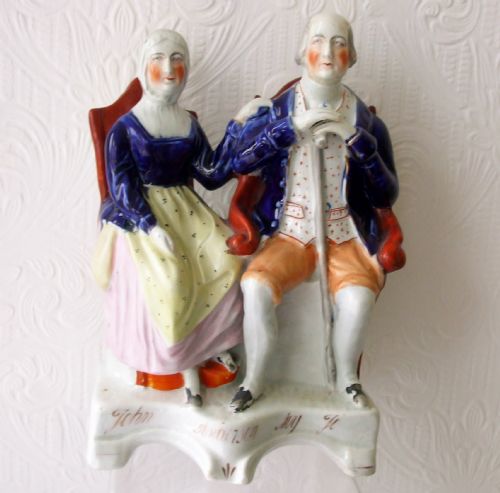
Blue glazed pottery figures encompass diverse ceramic forms shaped across the eighteenth, nineteenth, and early twentieth centuries in Britain, Europe, and East Asia. Buyers seeking these pieces encounter everything from Staffordshire portrait flatbacks and Staffordshire dogs to Japanese Sumida Gawa vessels with applied figures and Dutch Delftware animals.
The English examples lean heavily toward Victorian Staffordshire earthenware, depicting royalty, literary characters, sailors, and animals such as greyhounds and poodles. Alongside these sit continental faience and stonewares, plus Japanese earthenware and stoneware pieces featuring bold glazes.
How they were made
Makers shaped these pieces primarily using earthenware and stoneware bodies, forming figures through slip-casting, pressing into moulds, or hand-modelling clay around vessels. Artisans then applied lead glazes, enamel paint, and occasionally gold leaf to highlight details before firing the ceramic bodies in kilns.
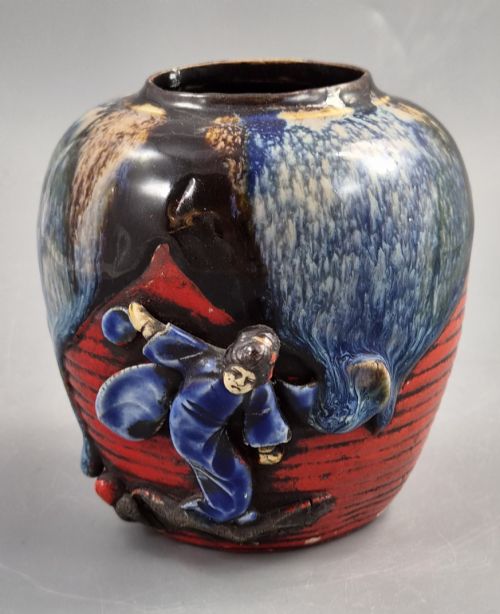
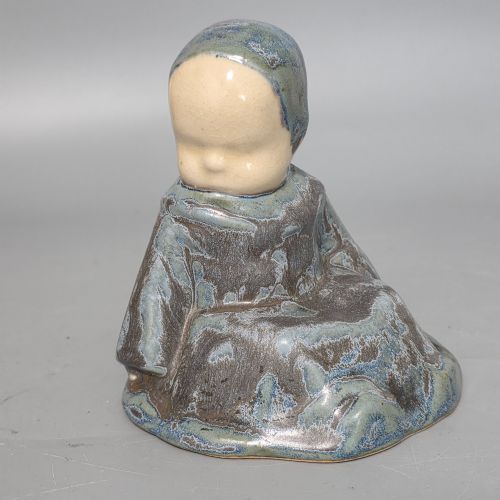
Japanese workshops utilised distinct glazing techniques, producing the characteristic flambé and streaked effects seen on Sumida Gawa wares alongside the finely crackled surfaces of Satsuma pottery. Meanwhile, European potteries relied on cobalt blue pigments beneath or within transparent glazes to achieve deep coloration on earthenware and delftware.
Listings feature earthenware and stoneware figures spanning the eighteenth to the twentieth centuries.
What varies in quality
Quality rests upon the crispness of the modelling and the control of the glaze, separating masterworks from commercial output. Pieces retaining sharp facial expressions, clean application of enamel paint, and even glaze coverage without excessive pooling show superior workshop execution.
The distinction also lies in provenance and maker signatures, particularly on Japanese Sumida Gawa and Satsuma pieces where named artists add documentary value. Finer European figures demonstrate careful hand-painting over the glaze and balanced proportions on flatback bases.
Berthe Savigny·Kōko·Hiroshi·Kinkozan
The Blue Glazed Pottery Figures Glossary
- Flatback
- A ceramic figure designed with a finished front and a plain, unglazed or semi-glazed flat back intended to stand against a wall on a mantelpiece.
- Lead glaze
- A glossy coating containing lead oxide applied to earthenware to seal the porous clay body and impart a smooth sheen.
- Staffordshire pottery
- Earthenware objects produced by numerous potteries in the English Midlands region known for domestic figures, animals, and portrait pieces.
- Spill vase
- A hollow ceramic figure or cylinder incorporating a small holder designed to contain wooden spills used for lighting fires or pipes.
- Sumida Gawa
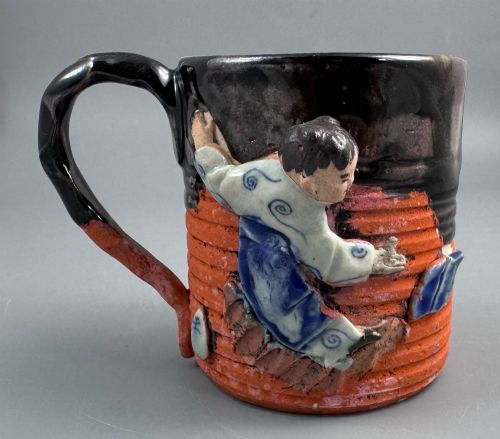
- Japanese ceramic ware characterised by heavily textured, melting glazes and applied figures climbing across the exterior of jars, vases, and mugs.
Blue Glazed Pottery Figures: Frequently Asked Questions
What are blue glazed pottery figures?
These pieces are ceramic representations of people, animals, and historical subjects coated in blue glazes, produced across Europe and Asia during the eighteenth, nineteenth, and early twentieth centuries.
They range from Staffordshire earthenware portrait figures made for British homes to Japanese Sumida Gawa vessels featuring applied figures in vibrant glazes.
How were Staffordshire figures displayed?
Victorian Staffordshire pieces with flat backs were designed to sit on mantelpieces, shelves, or chests of drawers against a wall, as only the front and sides received detailed painting.
Animals like greyhounds and poodles often came in pairs to flank clocks or ornaments, while inkwells and spill vases served practical daily functions on writing desks.
How do I identify Japanese Sumida Gawa ceramics?
Sumida Gawa pieces are recognised by their textured, uneven glazes in oxblood, blue, or turquoise, often paired with distinct clay figures that appear to climb up the sides of vases and mugs.
Many of these Tokyo-region pieces from the Meiji and Taishō periods bear artist signatures impressed or painted directly onto the body.
How can I tell the age of a ceramic figure?
Dating relies on the style of clothing, subject matter, and manufacturing materials, such as the earthenware bodies typical of nineteenth-century English flatbacks or the distinct glazes of Meiji period Japanese works.
Examining the base, glaze crazing, and any maker marks or titled plaques helps place a piece within its historical period.