



Antique Ceramic Female Figure
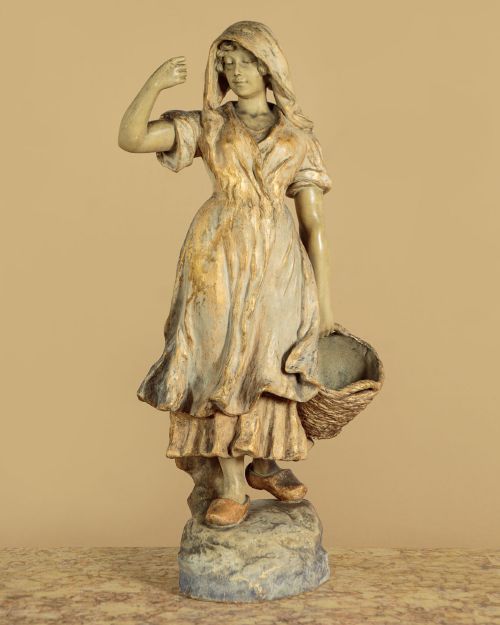
These antique ceramic female figure pieces span centuries of sculptural modelling, offering expressive classical and decorative forms that anchor a room.
Antique Ceramic Female Figure
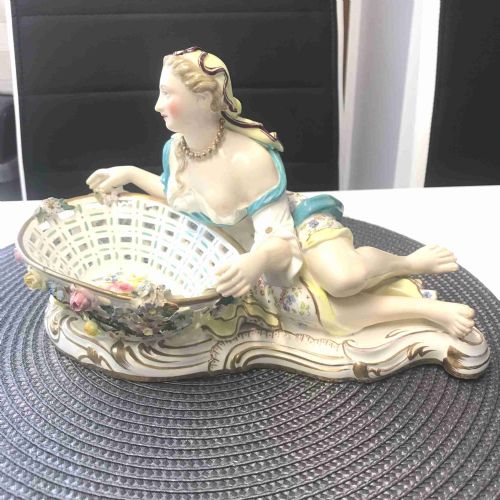
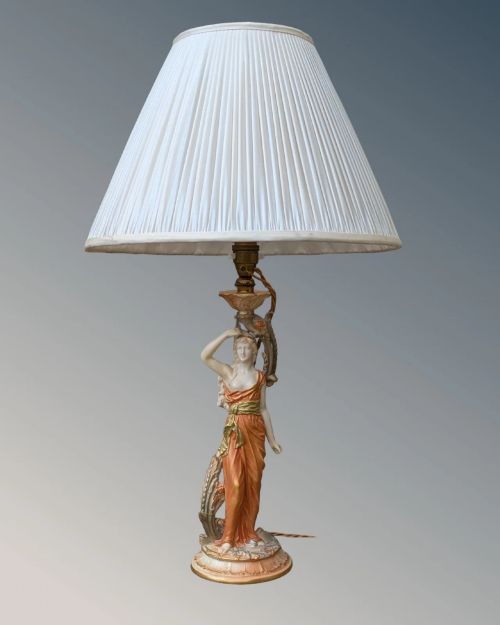
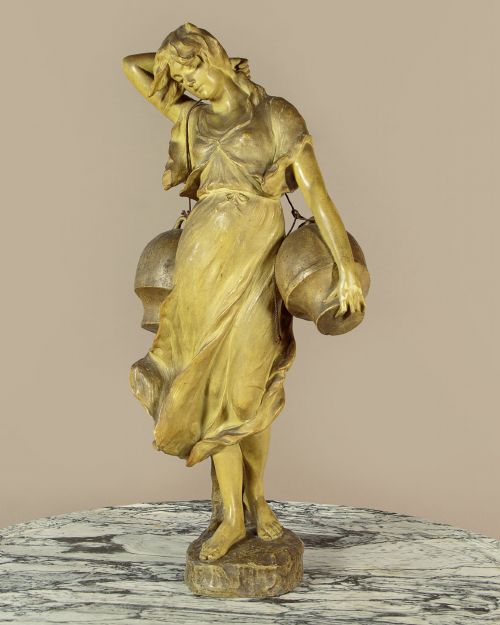
An antique ceramic female figure encompasses sculptural works shaped from earthenware, terracotta, and various forms of porcelain across the nineteenth and early twentieth centuries. Pieces range from small shelf figurines and bouquetiere vessels to monumental figures, portrait busts, and table lamps.
The aesthetic vocabulary shifts from Victorian neoclassical drapery and parian allegories to flowing Art Nouveau maidens and geometric Art Deco nudes. Makers utilise glazes, enamel, and gold leaf to articulate hair, dress, and posture in ways distinctive to each period.
Most entries belong to the nineteenth and early twentieth centuries, though earlier eighteenth-century examples and pre-Columbian terracottas also appear. Collectors select these works for their mastery of form and the historical narrative carried in the clay.
How They Were Made
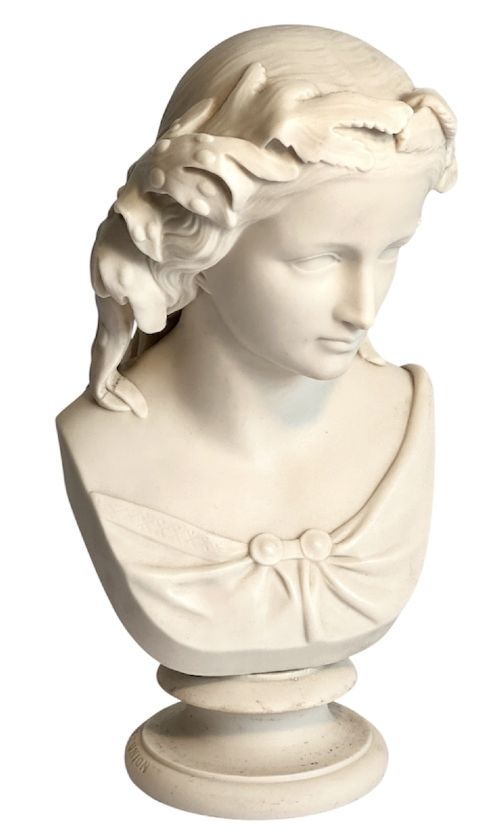
Makers shaped these works using slip casting, press moulding, or hand-modelling in terracotta, earthenware, and fine porcelain bodies such as parian. Bisque porcelain remained unglazed to mimic carved marble, while other pieces received coloured glazes, shot enamel, or hand-painted details.
Factories applied gold leaf and surface highlights before secondary low-temperature firings to fix the decoration. Modelssuch as those from Royal Worcester or Royal Dux required intricate assembly of limbs, drapery, and separate attributes before firing.
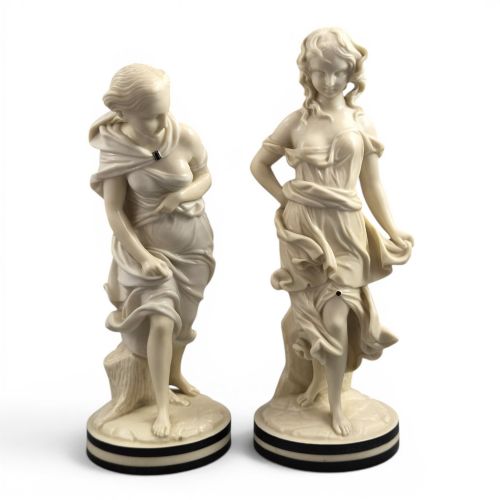
One maiden rests beside a mischievous lizard on a tree stump.
What Varies in Quality
The distinction between standard commercial output and superior execution lies in the crispness of the modelling and the sensitivity of the hand-finishing. Subtle facial expressions, cleanly defined fingers, and delicate folds in drapery separate master modeller designs from routine factory production.
The application of enamel and gilding further marks the tier of a piece, with high-end works displaying nuanced shading rather than flat blocks of colour. Material choice also dictates quality, with fine parian porcelain or carefully cast terracotta achieving greater textural depth than standard earthenware.
Goldscheider·Royal Worcester·Royal Dux Bohemia·Bernard Bloch·Ernst Wahliss·Achille Mollica
The Antique Ceramic Female Figure Glossary
- Parian Porcelain
- A fine-grained unglazed porcelain developed in the nineteenth century to imitate white marble. It captures subtle musculature and drapery detail without the shine of a traditional glaze.
- Terracotta
- A porous reddish-brown earthenware fired at relatively low temperatures. It is frequently left unglazed or finished with surface paint to emphasise sculptural form.
- Bisque
- Biscuit-fired porcelain that has undergone a single kiln run without a final glaze coating. The matte surface resembles carved stone and absorbs shadow effectively.
- Enamel
- Vitreous coloured glass fused to the ceramic surface during firing. It provides durable polychrome decoration on robes, hair, and base details.
- Bouquetiere
- A decorative vessel incorporating sculptural figures designed to hold small arrangements of flowers. These dual-purpose objects combine utility with figurative modelling.
Antique Ceramic Female Figure: Frequently Asked Questions
What periods do these figures come from?
The selection spans primarily from the nineteenth century through the Art Deco era of the 1930s. Earlier examples from the eighteenth century and ancient periods also occasionally appear.
Victorian and Edwardian pieces dominate the range, reflecting shifts from neoclassical revival to Art Nouveau styling.
How do I identify parian porcelain?
Parian porcelain is characterised by its matte, unglazed finish that closely resembles carved marble. It was widely used in the nineteenth century for classical and allegorical subjects.
Running your hand across the surface reveals a smooth, biscuit texture rather than a glossy ceramic glaze.
Were these pieces used as lamps?
Several sculptural figures were adapted as table lamps, particularly during the early twentieth century. These combine decorative ceramic bodies with electrical fittings.
Original lamp conversions integrate the wiring through the base or figure without disrupting the modelled form.
How should I display a ceramic figure?
These sculptures require stable display surfaces away from direct sunlight and heavy traffic areas. Placing them on sturdy shelves or mantels protects delicate extremities like fingers and drapery.
Allowing adequate clearance around larger pieces ensures the silhouette and detailing remain fully visible.