
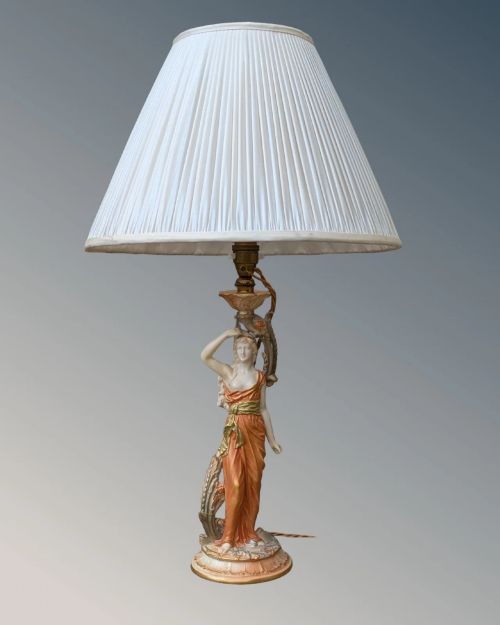


Victorian Royal Worcester Porcelain
Victorian royal worcester porcelain brings together intricate ceramic artistry and late nineteenth century design, offering collectors delicate painted finishes and sculptural figures.
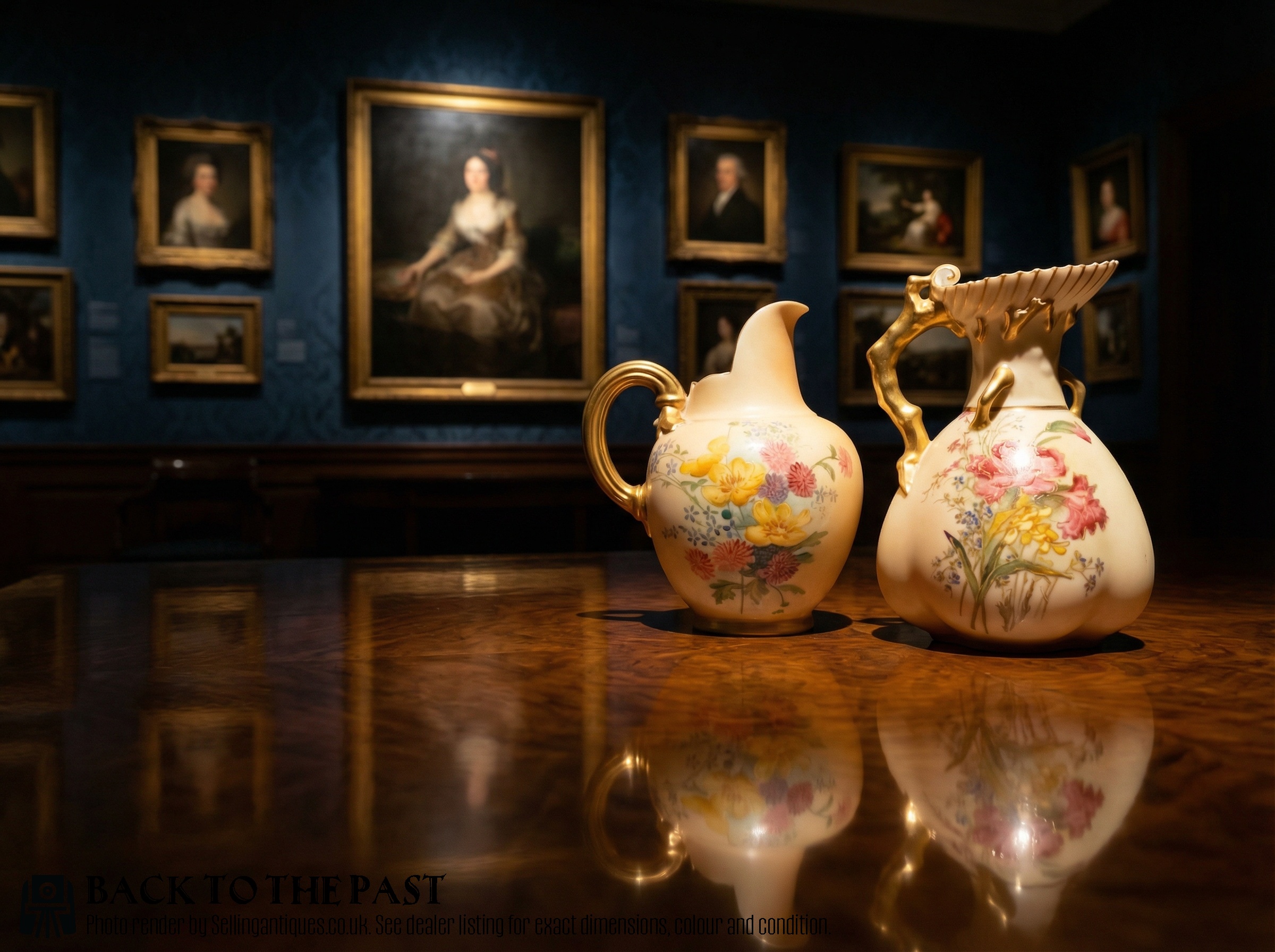
Victorian Royal Worcester Porcelain
Victorian royal worcester porcelain encompasses a diverse range of decorative objects, from vases and ewers to elaborate figurative sculptures and tableware produced during the nineteenth and early twentieth centuries.
The objects frequently encountered on this page span the Victorian and Edwardian periods, with styles drawing on neoclassical traditions, orientalism, and the aesthetic movement.
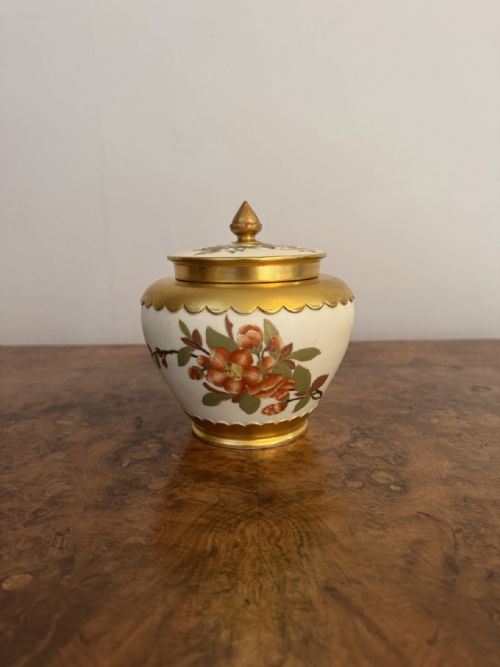
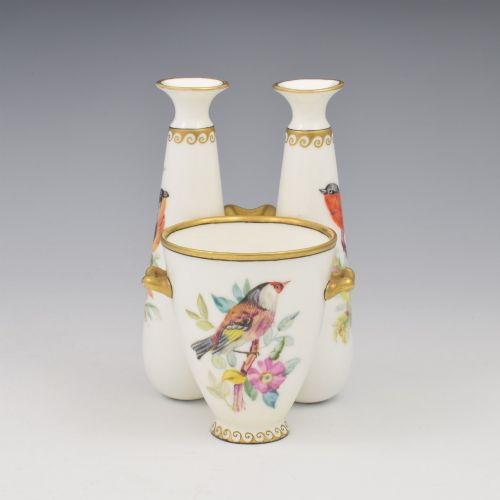
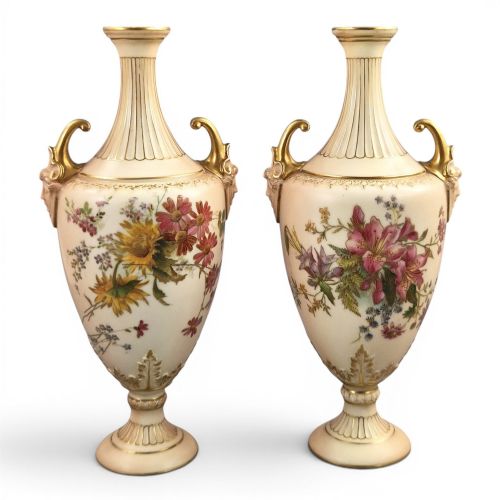
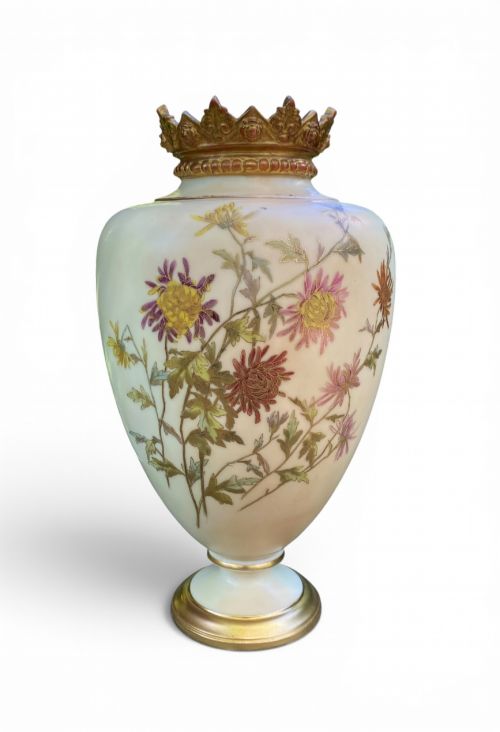
Forms include blush ivory vessels decorated with floral sprays, figural salts, jardinières, and hand-painted cabinet plates created by notable modellers and artists.
Materials and Techniques
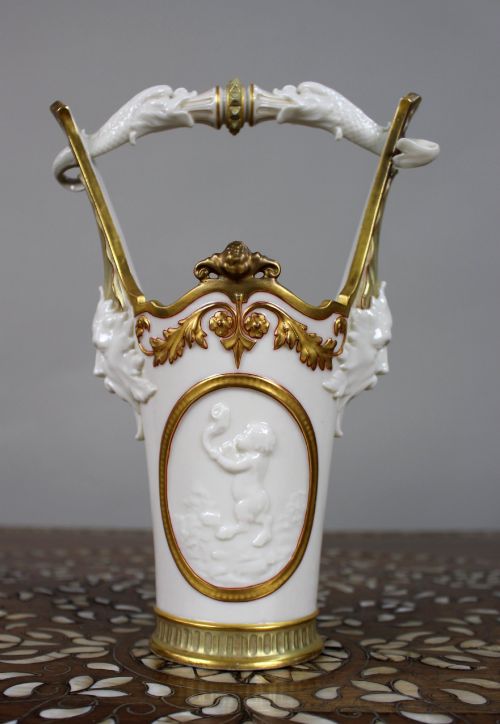
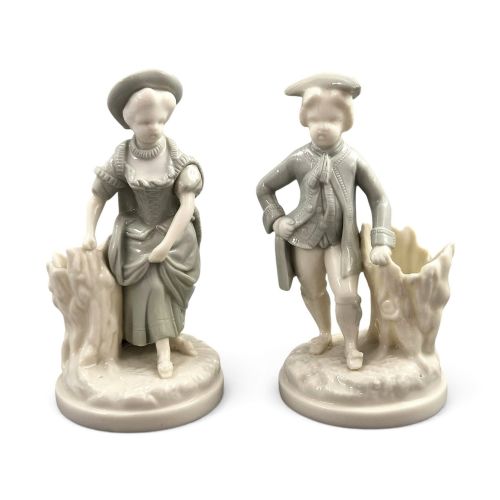
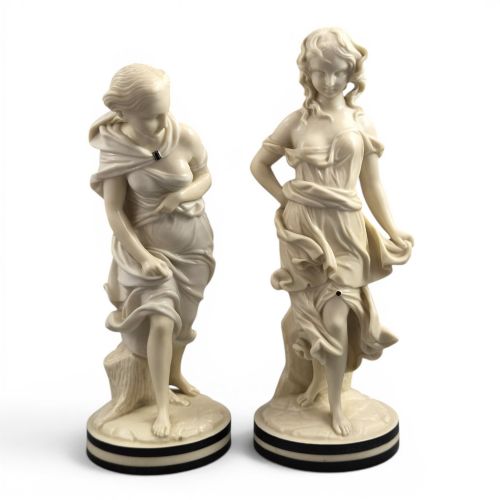
Items are shaped from fine ceramic bodies and porcelain, sometimes utilising parian ware for unglazed sculptural pieces that resemble carved marble.
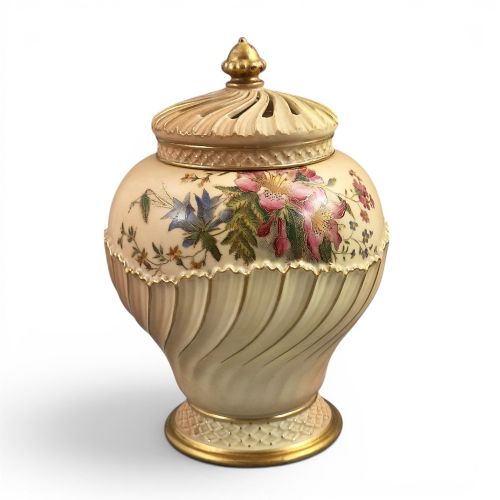
Decoration relies on hand-painted enamel colours, detailed gilding with gold leaf and gilt accents, and specialised glazes that define the blush ivory palette.
Some Victorian pieces feature a delicate porcelain lizard clinging realistically to a tree stump.
Distinctions in Quality
Excellence in these ceramics rests upon the crispness of the porcelain modelling and the skill behind the hand-painted details executed by named artists.
Pieces bearing specific pattern numbers, retailer signatures, or work by known modellers command greater attention from serious collectors.
James Hadley·C Baldwyn·John Hopewell·Chivers·Kerr and Binns·W B Kirk·A B Daniell and Son
The Victorian Royal Worcester Porcelain Glossary
- Blush ivory
- A matte cream-coloured ceramic body developed by the factory, frequently decorated with tinted floral sprays and gilt highlights. It defined much of the late nineteenth century output.
- Parian ware
- A fine-grained, unglazed porcelain resembling white marble, primarily utilised for sculptural figures and busts. It takes its name from Parian marble found in Greece.
- Ewer
- A large jug with a wide spout and ornate handle, traditionally used for pouring water but produced by the factory as a purely decorative ornamental vase.
- Potpourri jar
- A pierced ceramic vessel designed to hold dried fragrant plant material, allowing scent to diffuse through the room while remaining visually decorative.
- Cabinet plate
- A decorative ceramic plate intended for display on a wall or within a glass-fronted cabinet rather than for everyday dining use.
Victorian Royal Worcester Porcelain: Frequently Asked Questions
What is blush ivory porcelain?
Blush ivory is a soft, matte cream ceramic body introduced during the late nineteenth century. It provides a subtle background for hand-painted floral motifs and gilding.
Items finished in this style remain among the most recognisable productions associated with the factory.
How do I identify a Victorian piece?
Dating relies on factory marks stamped or painted on the underside, including standard date ciphers used from the mid-nineteenth century onward. Stylistic clues such as neoclassical motifs or aesthetic movement forms also help place an object in time.
Consulting shape numbers helps narrow down the exact year or production era of a ceramic item.
Were these items meant for daily use?
Many surviving objects, such as cabinet plates, sculptural figures, and ornamental ewers, were created exclusively for display in domestic interiors.
Functional items like teapots and soup dishes did see actual service, though their delicate painted surfaces required careful handling.
How should I display porcelain at home?
Displaying these ceramics requires stable shelving away from direct sunlight to protect enamel colours and gilt finishes from fading over time.
Enclosed glass cabinets offer the best protection against dust while allowing the painted details and sculptural forms to remain fully visible.