




Royal Worcester Classical Figure
These royal worcester classical figure works are sculptural porcelain pieces depicting mythological and historical subjects, sought after for their refined Victorian and Edwardian craftsmanship.
Royal Worcester Classical Figure
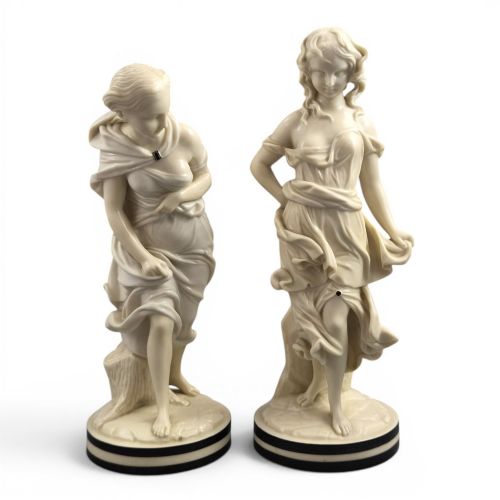
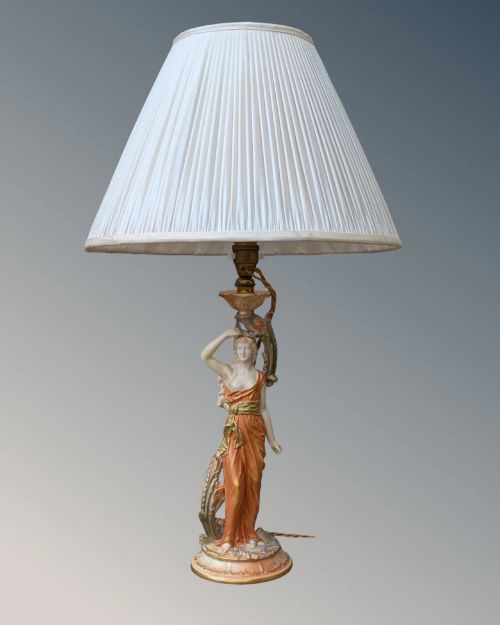
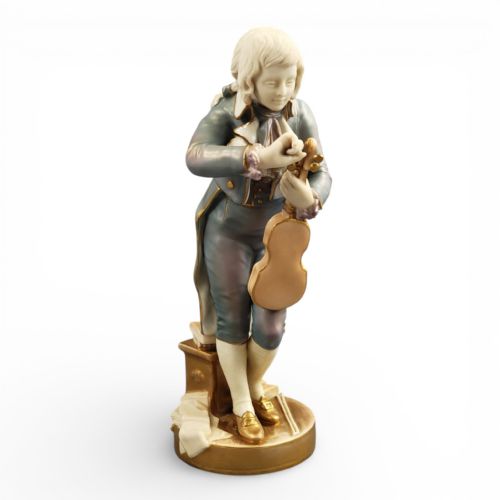
When you search for royal worcester classical figure, you encounter porcelain figurines, sculptural table lamps, and decorative figures spanning the Victorian and Edwardian eras. The subjects draw heavily upon classical revival themes, featuring maidens, mythological figures, and dancers in sculpted poses.
You are most likely to meet Victorian and Edwardian examples on this page, including named models and figural pairs modelled by designers such as James Hadley. These pieces often incorporate rustic bases, columns, or natural elements like tree stumps to anchor the classical subjects.
Materials and manufacture
The pieces on this page are produced using porcelain and parian ware, often enhanced with shot enamel, gold leaf, and gilt accents. Parian ware provides a matte, marble-like finish suited to classical sculpture, while traditional porcelain serves as the base for hand-painted and glazed figures.
Royal Worcester Classical Figure Retail Price Guide 2026
Typical asking prices for royal worcester classical figure among the pieces listed under this phrase on Sellingantiques today, from the lower quarter to the upper quarter. They describe what is for sale here now, not the wider market.
Listings feature porcelain, parian ware, and enamel across Victorian and Edwardian periods.
Assessing quality
Quality in a royal worcester classical figure rests upon the crispness of the modelled detail, particularly in the facial expressions, hair, and flowing drapery of the subject. Finer examples retain delicate fingers, intricate patterns, and precise application of enamel or gilt without blurring the underlying porcelain form.
The distinction between standard production runs and superior works also lies in the complexity of the composition and the finish of the glaze. Multi-figure pairs and pieces featuring specialist techniques like shot enamel demonstrate a higher level of factory ambition and technical execution.
James Hadley·Royal Worcester
The Royal Worcester Classical Figure Glossary
- Parian ware
- A fine unglazed porcelain resembling white marble, developed in the nineteenth century for figures and busts. It takes its name from Parian marble from the island of Paros.
- Shot enamel
- An iridescent enamel finish that changes colour according to the angle of the light. It adds a shimmering metallic quality to the surfaces of certain figures.
- Model
- The specific numbered design assigned by the pottery to a sculptural piece. Collectors use model numbers to trace the production history and identify specific figures.
- Gilt
- A thin layer of gold applied to decorate portions of the porcelain surface. It is often used to highlight borders, garments, and accessories.
- Classical revival
- An artistic movement drawing inspiration from the art and architecture of ancient Greece and Rome. This style heavily influences the poses and drapery of these figures.
Royal Worcester Classical Figure: Frequently Asked Questions
What periods do these figures come from?
The pieces span the Victorian and Edwardian eras, with production dates stretching from the mid-nineteenth century into the early twentieth century. Listings include works from the eighteen sixties through to the nineteen thirties.
Changes in neoclassical tastes across these decades influenced the specific forms, modelling styles, and decorative finishes applied to the porcelain figures.
How were these figures used originally?
These pieces served as decorative ornaments displayed on mantelpieces, side tables, and cabinets within Victorian and Edwardian homes. Some later examples were adapted into table lamps.
Their primary purpose was to signal cultural refinement and an appreciation for classical art within domestic interior decoration.
How do I identify a modelled figure?
Identification relies on examining the stamped factory marks, pattern numbers, and modelled titles usually found on the underside of the base. Model numbers correspond directly to factory records.
Stylistic cues, such as the specific treatment of drapery and the use of parian ware or shot enamel, also help place the piece within a known production period.
How should I care for porcelain figures?
Care involves gentle dusting with a soft, dry brush to prevent the accumulation of dirt within the intricate folds of the porcelain drapery and modelled hair. Avoid using wet cleaning agents, particularly on parian ware or enamelled surfaces.
Keep the pieces away from direct sunlight and areas subject to sudden temperature fluctuations to preserve the glaze and any applied gilt.