
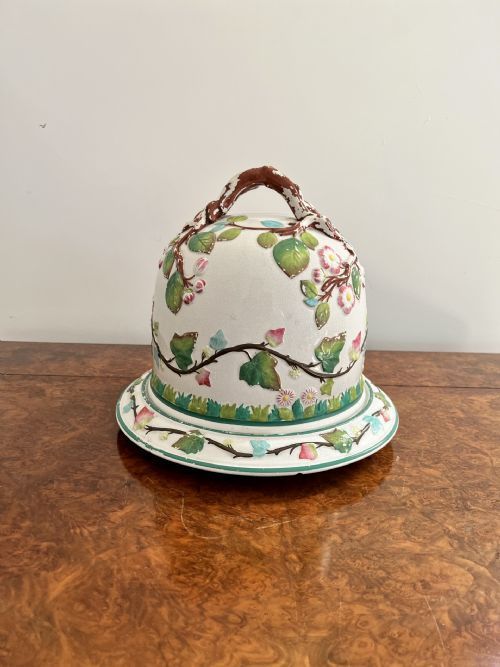


Antique Ceramic Cheese Dish
These antique ceramic cheese dish examples offer heavy covers and matching stands designed to keep dairy cool on the Victorian table.
Antique Ceramic Cheese Dish
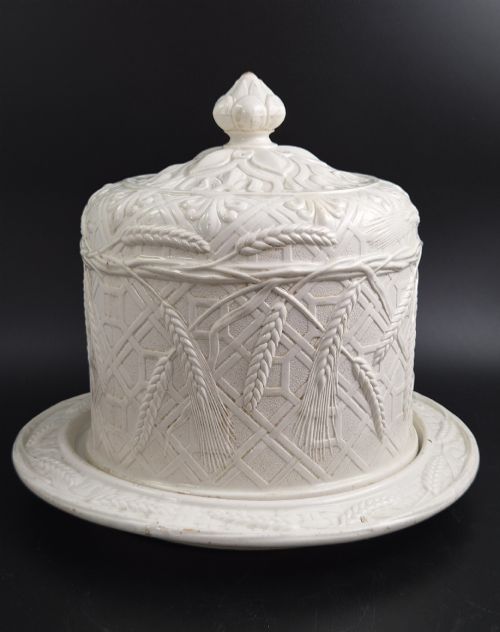
An antique ceramic cheese dish consists of a domed cover and a matching base plate designed to hold large blocks or wedges of dairy on the dining table. The form appears primarily across the nineteenth century, spanning Regency, Victorian, and Edwardian periods.
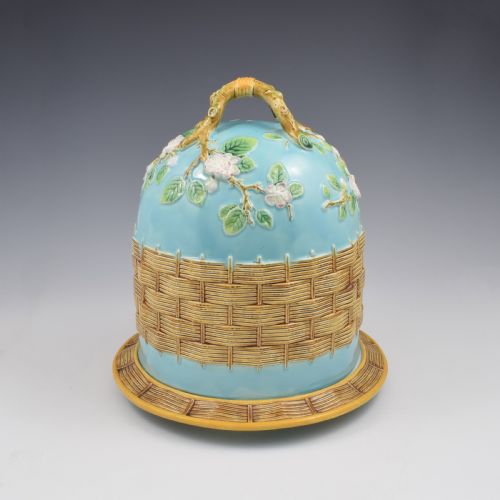
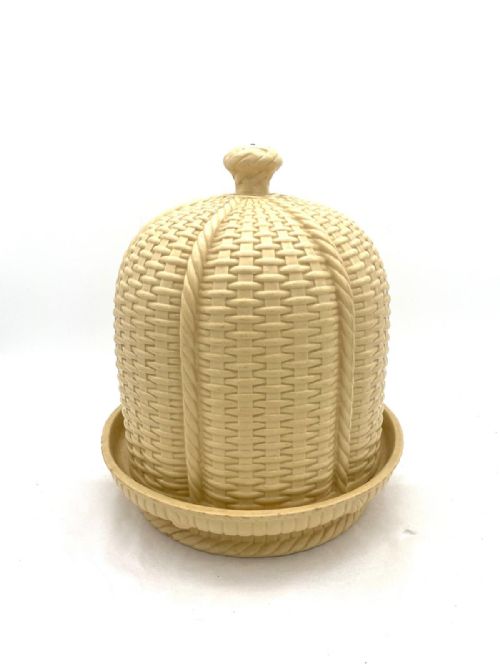
Buyers encounter variations ranging from utilitarian white ironstone to decorative majolica and drabware. Most examples date from the later Victorian decades, particularly around eighteen eighty, featuring distinctive domed shapes to fit large cheeses like Stilton.
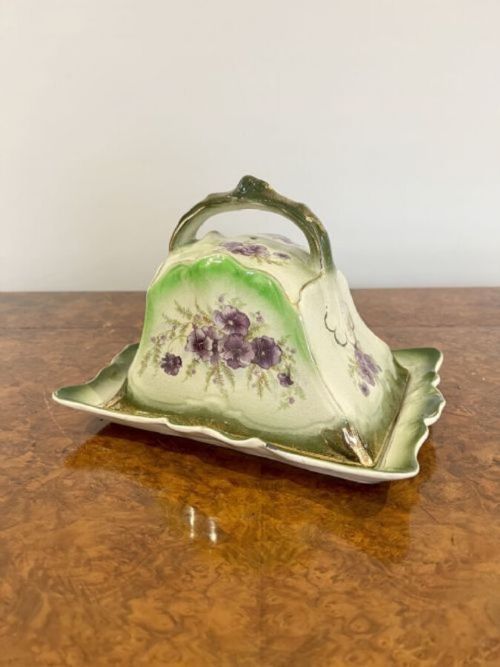
The objects function as both practical kitchenware and decorative serving dishes for domestic interiors. Surviving pieces demonstrate the varied tastes of past households, from naturalistic floral motifs to classical relief designs.
Materials and production methods
Potters utilised durable earthenware, ironstone, and stoneware bodies to form the heavy bases and domed covers required for daily use. These ceramic foundations were shaped into circular dishes and fitted bells, often with integrated stands.
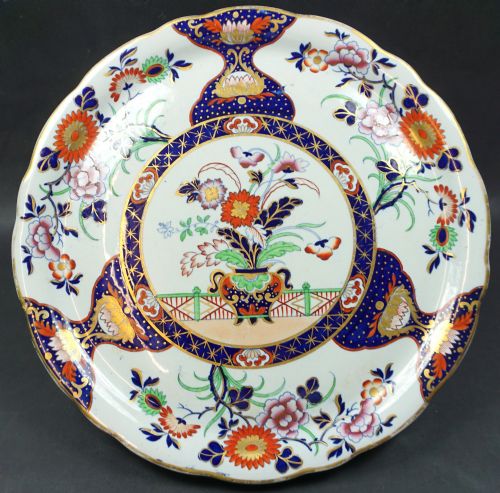
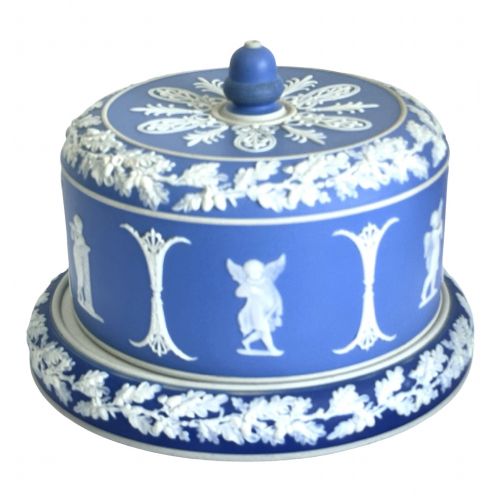
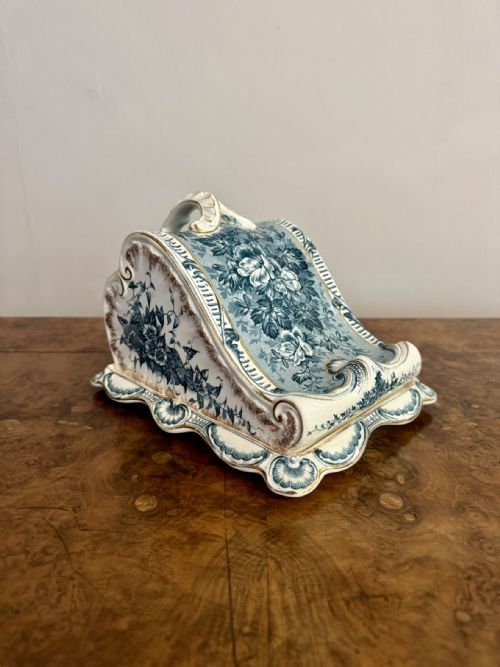
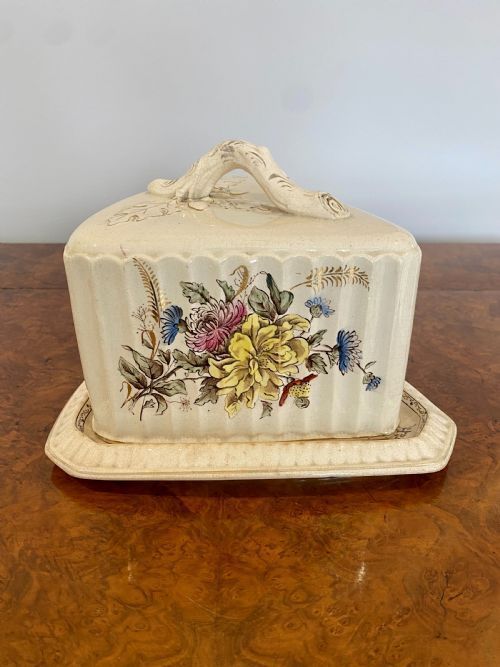
Surviving pieces display coloured glazes, hand painting, or applied relief mouldings such as jasperware. Majolica examples combine rich tinted glazes over moulded surfaces, while ironstone versions rely on robust white bodies and transfer printed patterns.
Distinctions in quality
The refinement of the moulding and the crispness of applied details separate standard utility vessels from ambitious display pieces. Finer examples display deeply struck patterns, such as basket weave textures or intricate floral reliefs.
Glaze application and colour richness dictate the visual appeal of decorated majolica and jasperware specimens. Superior pieces maintain vibrant, even tones across both the cover and the matching base plate without pooling or dry patches.
Hicks & Meigh·George Jones·Wedgwood·James Dudson·Copeland·Mason
The Antique Ceramic Cheese Dish Glossary
- Ironstone
- A dense, durable type of earthenware patented in the nineteenth century for heavy domestic use. It provides a robust, opaque white body well suited to large serving dishes.
- Majolica
- A nineteenth-century pottery type characterised by brightly coloured lead glazes applied over moulded earthenware. It frequently mimics natural forms like foliage and blossoms.
- Jasperware
- A fine-grained, unglazed stoneware developed with contrasting coloured relief decorations in classical or neoclassical styles. Wedgwood and Dudson are notable makers of this ceramic type.
- Drabware
- A style of stoneware or earthenware featuring a muted greyish-brown or olive body. It offers a subtle, understated aesthetic popular for nineteenth-century utility wares.
- Cheese bell
- An alternative term for the domed cover of a cheese dish, shaped like a traditional handbell to fit securely over the base.
Antique Ceramic Cheese Dish: Frequently Asked Questions
How were cheese dishes used?
Victorian households placed wedges of cheese on the base plate and covered them with the domed lid to protect the food from insects and dust on the dining table.
The heavy ceramic cover also helped maintain a cooler temperature for dairy during long meals.
Are lids and bases always matching?
Most surviving pieces retain their original matched cover and stand, which share identical ceramic bodies, glazes, and decorative motifs.
Collectors prefer complete sets where the dome fits the contours of the base plate precisely.
How do I date a piece?
Dating relies on stylistic clues, ceramic bodies, and any factory marks stamped or printed on the underside of the base.
Victorian pieces often show registration diamonds or maker stamps that narrow the production period to a specific decade.
Can I still use them today?
These antique ceramic vessels remain fully functional for serving hard cheeses or displaying on a kitchen counter.
Hand washing is essential to preserve the historic glazes and any delicate hand-coloured details on the ceramic surface.