


Ceramic Cheese Bell Cover
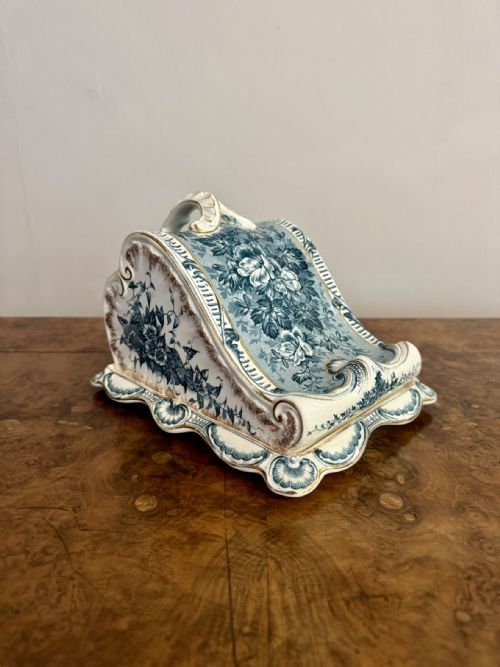
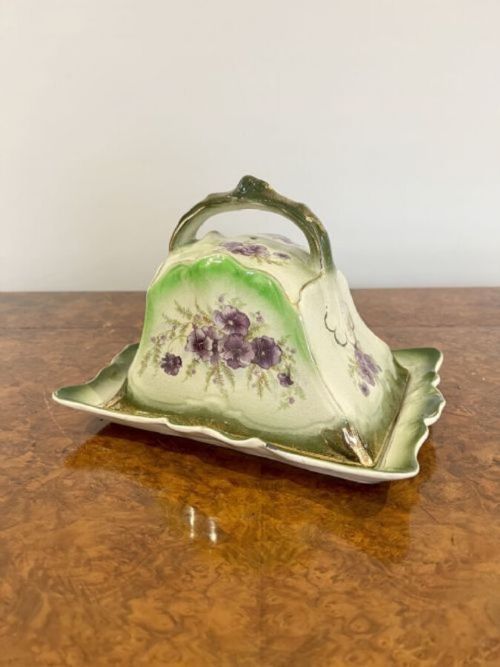
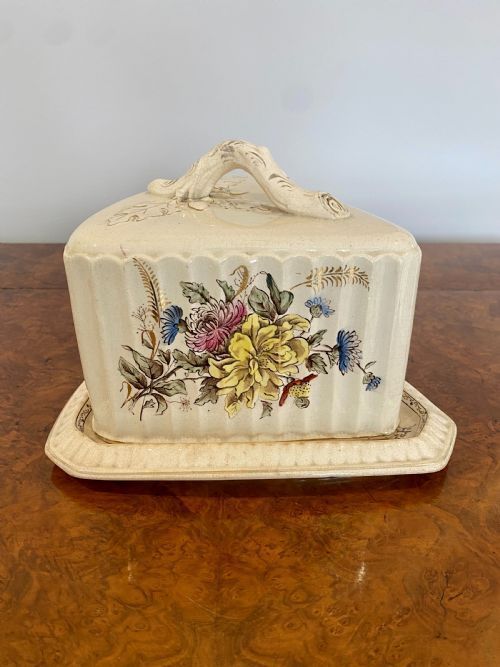
Ceramic cheese bell cover examples are practical Victorian table vessels designed to keep dairy fresh, combining robust earthenware with ornamental moulding.
Ceramic Cheese Bell Cover
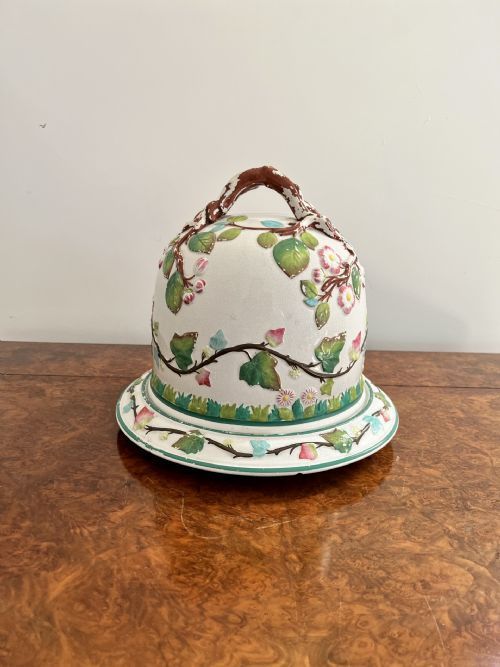
When you search for a ceramic cheese bell cover, you encounter substantial Victorian serveware designed to protect cheese at the table. These pieces typically consist of a fitted domed cover paired with a matching base or stand.
The versions most commonly met on this page belong to the nineteenth century, spanning periods from eighteen sixty to nineteen hundred. They take the form of cheese domes, cheese dishes, and Stilton covers in various substantial proportions.
Originating in English pottery traditions, these items reflect the domestic habits of the Victorian era. They bridge utilitarian kitchenware and decorative dining room presentation.
How they were made
Potters utilised materials such as earthenware, ironstone, stoneware, and jasperware to construct the heavy bodies required for daily use. Glazed ceramic surfaces provided a practical barrier against moisture and odours from strong cheeses.
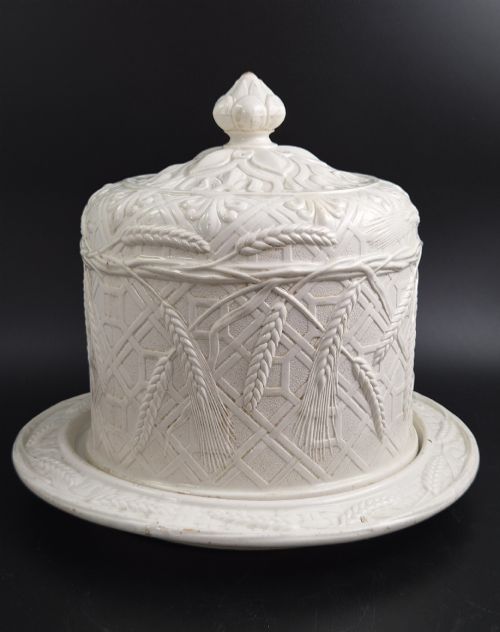
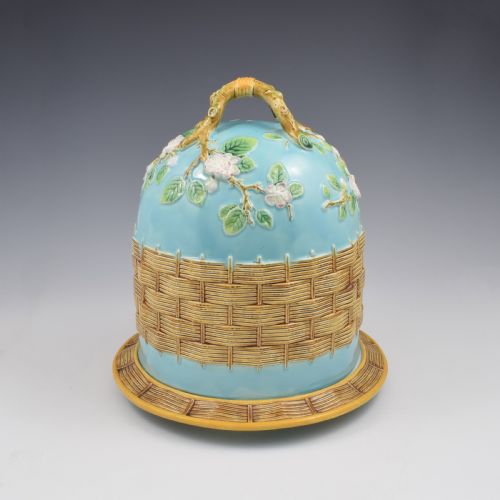
Moulding techniques allowed makers to produce intricate low relief patterns like basket weave, wheat and lattice, or apple blossom directly into the clay body. Rich majolica glazes and occasional gilt touches added colour and visual texture to the finished pieces.
Listings feature earthenware, stoneware, ironstone, and jasperware across nineteenth-century styles.
What varies in quality
The distinction between ordinary utility wares and exceptional pieces lies in the crispness of the moulded detail and the depth of the glaze. Finer examples display sharp definition in botanical motifs like apple blossom or basket weave without blurring in the clay.
Proportion and scale also separate the standard from the exceptional, with larger domes requiring greater skill in firing to prevent warping. Attribution to known potteries elevates a piece through superior body preparation and finish.
George Jones·Wedgwood·James Dudson·Copeland
The Ceramic Cheese Bell Cover Glossary
- Cheese Dome
- A large domed ceramic cover designed to fit over a base plate and preserve cheese. It traps moisture and keeps the dairy fresh on the dining table.
- Majolica
- A colourful lead-glazed earthenware style popular during the Victorian period. It is characterised by vibrant tones applied over moulded reliefs.
- Jasperware
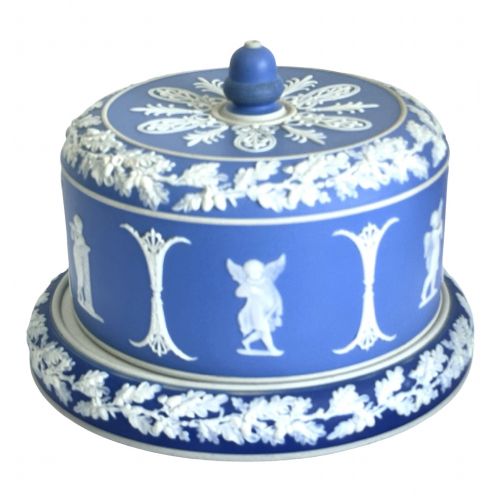
- A fine-grained unglazed stoneware developed by Wedgwood, usually featuring white relief ornaments against a coloured ground. It provides a distinct matte texture.
- Ironstone
- A durable type of heavy earthenware patented in the nineteenth century. It offers increased strength compared to standard pottery while maintaining a bright white finish.
- Drabware
- A type of unglazed or slip-glazed pottery in muted grey-brown or olive tones. It was widely produced during the nineteenth century for practical household items.
Ceramic Cheese Bell Cover: Frequently Asked Questions
How were cheese bells used?
These covers sat directly over blocks of cheese on the dining table or sideboard during meals. They served to retain moisture, preserve softness, and keep household pests away from the food.
After use, the ceramic surfaces were easily washed, making them durable items for daily Victorian household life.
Are bases always included?
Many surviving examples retain their original matching under-plates or stands, forming a complete pairing. The dome rests securely within a recessed channel on the base plate.
Standalone covers also appear, though complete sets with matching bases are preferred for display and historical accuracy.
How do I date these pieces?
Dating relies on stylistic clues, ceramic bodies, and any impressed factory marks found on the underside. Victorian pieces often exhibit registration marks or maker stamps characteristic of nineteenth-century production.
Heavier ironstone and vibrant majolica glazes point toward the middle and later decades of the nineteenth century.
What is drabware?
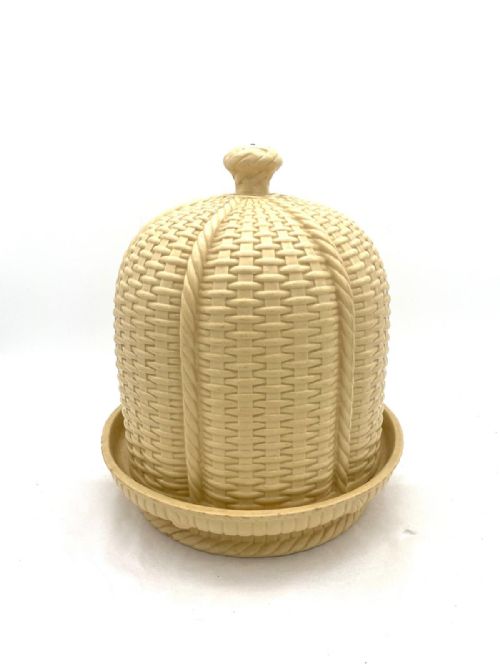
Drabware is a utilitarian ceramic body coloured in muted earth tones, such as grey, tan, or olive. It gained popularity in the nineteenth century for practical kitchen and dining wares.
Items in drabware often rely on texture, such as basket weave moulding, rather than bright colours for decorative effect.