




Decorative Victorian Earthenware Dish
A decorative victorian earthenware dish brings the rich colour and varied motifs of nineteenth-century pottery directly into the home.
Decorative Victorian Earthenware Dish
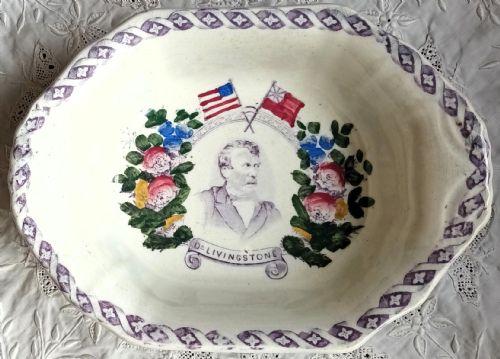
When searching for a decorative victorian earthenware dish, you encounter a diverse selection of nineteenth-century ceramic items ranging from comports and plaques to egg tureens and commemorative pieces. These objects reflect the varied output of British and European potteries during the Victorian period, spanning styles from naturalistic leaf forms to Chinoiserie and commemorative portraiture.
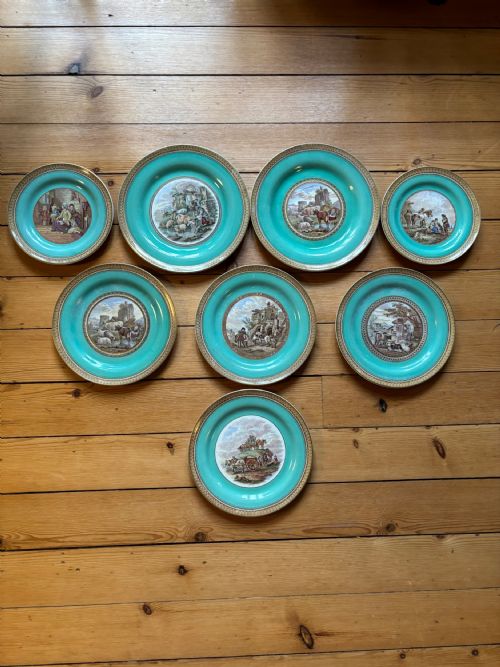
The pieces listed here showcase forms such as footed bowls, cheese dishes, and decorative plates that served both functional and ornamental purposes in period interiors. Production reaches across the nineteenth century and into the early twentieth century, incorporating regional British wares alongside continental majolica.
How they were made
Makers utilised earthenware bodies coated in lead glazes, enamel paints, and coloured glazes to achieve vibrant surfaces on items like majolica comports and spongeware bowls. Hand-painted decoration appears alongside transfer printing and moulded relief work, as seen on Staffordshire chicken baskets and Copeland ceramic plaques.
Potters shaped these ceramics through moulding and turning, applying opaque and translucent glazes before kiln firing to fix the painted and printed details. Ironstone and standard earthenware formed the structural base for the plates, plaques, and tureens recorded in the inventory.
The listings span the nineteenth and early twentieth centuries, featuring earthenware bodies finished with lead glaze, enamel, and ceramic paint.
What varies in quality
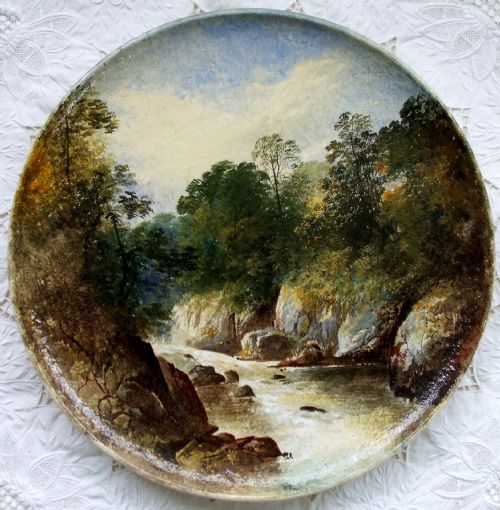
Quality in a decorative victorian earthenware dish rests on the crispness of the moulded relief and the skill evident in the hand-painted or transfer-printed surface decoration. Pieces featuring named artists, specific topographical scenes, or detailed naturalistic modelling demonstrate a higher degree of workshop output.
The depth and brilliance of the glaze, whether rich majolica colours or carefully controlled lead glazes, distinguish finer examples from standard commercial production. Complexity in form, such as specialised serving vessels or large comports, also separates standard items from exceptional survivals.
Mann And Co·William Yale
The Decorative Victorian Earthenware Dish Glossary
- Majolica
- A type of earthenware pottery glazed with opaque tin or lead glazes containing metallic oxides, producing vibrant greens, browns, and purples. It became immensely popular during the Victorian era for ornamental tableware.
- Comport
- A decorative footed bowl or dish raised on a pedestal, used traditionally for serving fruit or sweets at the dining table. Victorian examples often feature elaborate moulded plant or animal motifs.
- Spongeware
- Pottery decorated by dabbing or sponging pigment onto the ceramic body to create a mottled or spotted pattern. This technique produced durable, rustic domestic wares.
- Ironstone
- A heavy, durable type of earthenware patented in the nineteenth century to imitate Chinese porcelain. It provided a strong body for plates and serving dishes.
- Earthenware
- Porous pottery fired at lower temperatures than stoneware or porcelain, requiring a glaze to render it waterproof. It forms the base material for the majority of Victorian decorative dishes.
Decorative Victorian Earthenware Dish: Frequently Asked Questions
What were decorative victorian earthenware dishes used for?
These items served various roles in nineteenth-century homes, ranging from functional tableware like cheese dishes and fruit comports to purely ornamental wall plaques.
Many pieces combined utility with display, holding food during dining occasions while exhibiting the rich colours and sculptural forms characteristic of Victorian ceramics.
How do I care for a Victorian earthenware dish?
Display these ceramics away from direct sunlight and areas subject to sudden temperature fluctuations to protect the glaze and painted surfaces.
Clean them gently with a dry or barely damp soft cloth, avoiding harsh detergents or soaking that might penetrate the porous earthenware body through tiny glaze fissures.
Are all Victorian ceramic dishes marked by the maker?
Maker marks appear on many but not all pieces from this era, depending on the pottery and the specific type of object produced.
Some items carry impressed numbers, registration diamonds, or painted signatures, while others rely on distinctive decorative styles and glaze characteristics for identification.