

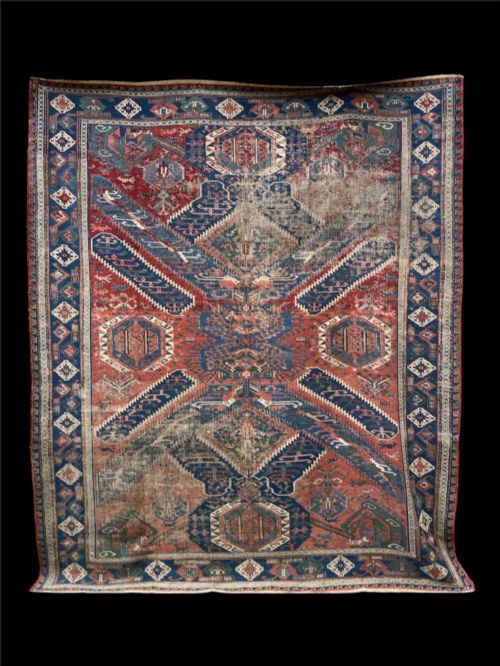
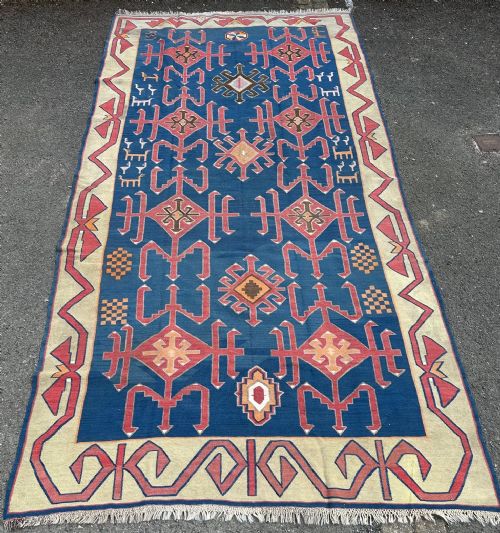


Antique Caucasian Flatweave
An antique caucasian flatweave brings tribal geometry and rich wool texture into a room through centuries-old nomadic craftsmanship.
Antique Caucasian Flatweave
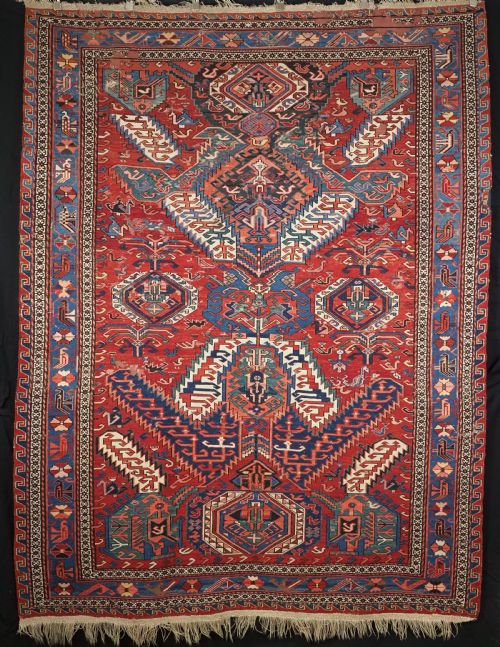
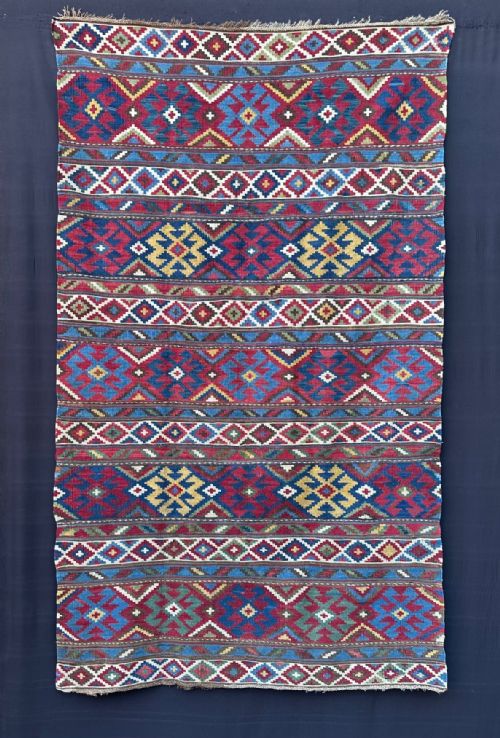
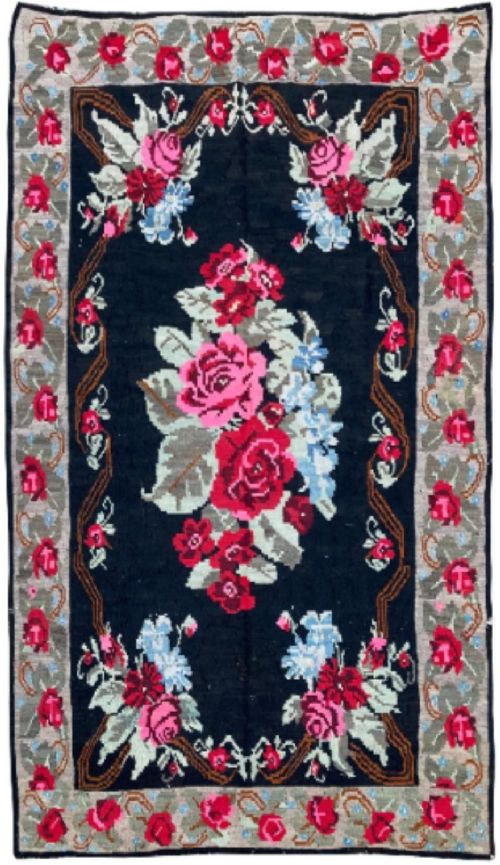
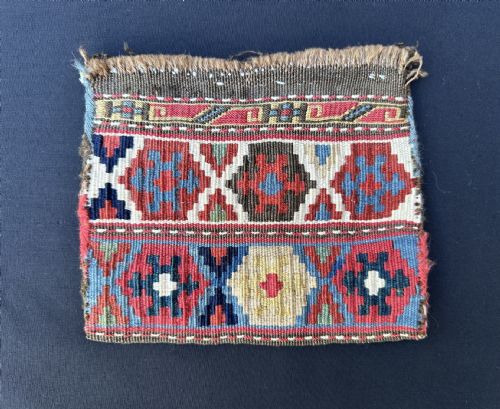
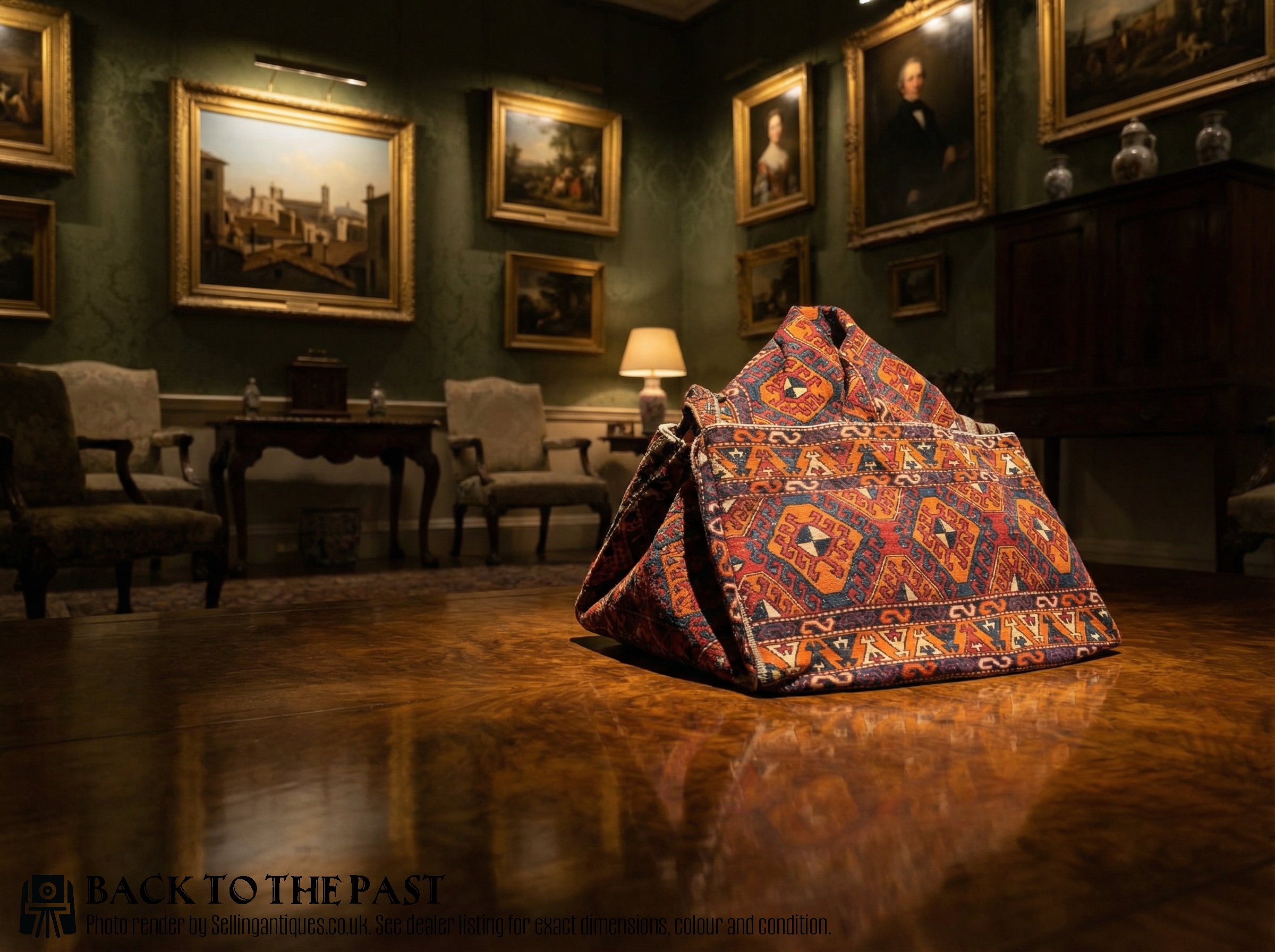
An antique caucasian flatweave encompasses nomadic and village textiles woven across the Caucasus region, including Shirvan, Karabagh, Kuba, and Daghestan. These textiles take the form of slit-weave kilims, supplementary-weft soumaks, verneh brocades, and utilitarian storage containers like mafrash panels and khorjin saddlebags.
The pieces available originate largely from the nineteenth century and the early decades of the twentieth century. They reflect the distinct regional motifs of tribes such as the Shahsavan, Avar, and Jaf Kurd, preserving the traditional patterns passed down through generations.
How they were made
Weavers constructed these textiles primarily using hand-spun wool and cotton, occasionally incorporating silk details, mounted on sturdy foundations. Natural and vegetable dyes provided the palette, creating soft, nuanced tones that evolved gracefully over decades of light and wear.
Techniques varied between simple flat-weaving for kilims and complex wrapping methods for soumaks and verneh embroideries. Artisans worked on portable vertical or horizontal looms, building geometric medallions, dragons, and banded designs stitch by stitch.
Antique Caucasian Flatweave Retail Price Guide 2026
Typical asking prices for caucasian flatweave among the pieces listed under this phrase on Sellingantiques today, from the lower quarter to the upper quarter. They describe what is for sale here now, not the wider market.
Listings feature wool, cotton, silk, and wood, combined with natural and vegetable dyes across 19th-century and early 20th-century periods.
What varies in quality
The quality of an antique caucasian flatweave rests in the fineness of the weave, the crispness of the tribal geometry, and the integrity of the original structure. Tighter tension and meticulous handling of complex soumak wrapping distinguish finer workshop and tribal pieces from simpler utility items.
Material selection and dye chemistry dictate visual depth. Examples retaining rich, uncompromised natural or vegetable dyes demonstrate superior craftsmanship and permanence compared to those with faded or overly harsh hues.
The Antique Caucasian Flatweave Glossary
- Kilim
- A flat-woven carpet or rug produced without a pile by tightly interweaving warp and weft strands. This technique creates a lightweight textile with flat surfaces on both sides.
- Soumak
- A brocading technique utilising supplementary weft threads wrapped around the warp yarns to create a textured, durable surface. It often appears on sturdy bags and carpets with raised geometric motifs.
- Mafrash
- A large rectangular storage bag used by nomadic tribes for bedding and household goods during migration. These complete containers or individual panels are frequently repurposed into flatweaves.
- Khorjin
- A traditional pair of double saddle-bags utilised for transport on horses, donkeys, or camels. They feature patterned faces paired with plain weave backs.
- Verneh
- An embroidered or brocaded flatweave characterised by distinctive animal and bird motifs. Artisans created these pieces using supplementary weft wrapping techniques across the Caucasus.
Antique Caucasian Flatweave: Frequently Asked Questions
How were antique flatweaves used originally?
Nomadic and village communities utilised these textiles as floor coverings, durable storage containers, bedding packs, and animal transport bags during seasonal migrations.
Their practical construction provided insulation against cold ground and efficient containment for household possessions.
How do I care for an antique flatweave at home?
Protect the textile by placing it in low-traffic areas or mounting it securely on a wall to minimise physical wear on the delicate wool fibres.
Vacuum gently with a mesh screen attachment and consult a specialist rug conservator for periodic cleaning.
How can I tell different Caucasian regional styles apart?
Regions developed distinct visual vocabularies, such as the large shield designs of Kuba or the intricate dragon motifs associated with Shirvan and Daghestan.
Examining the specific palette, border arrangements, and weaving structure helps identify the probable tribal origin.
What is the difference between a kilim and a soumak?
A kilim is created through a flat slit-weave technique that leaves a smooth, pattern-reversible surface without raised pile or texture.
A soumak incorporates wrapping threads around warp strands, resulting in a heavier, textured face with a ribbed appearance on the reverse.