


Vintage Oriental Kilim
A vintage oriental kilim brings flat-woven tribal geometry and rich natural dyes into a modern interior.
Vintage Oriental Kilim
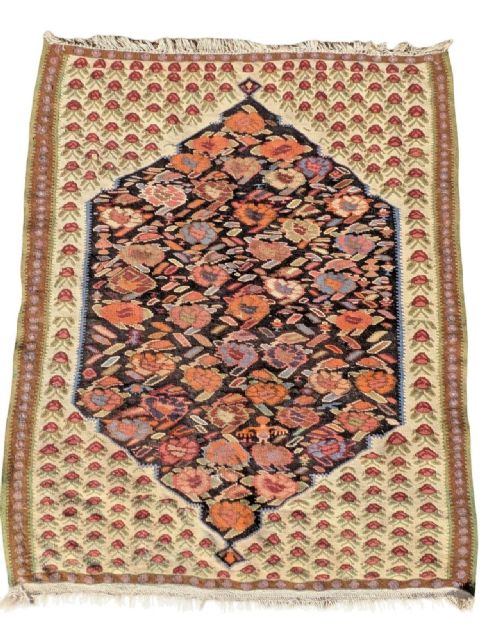
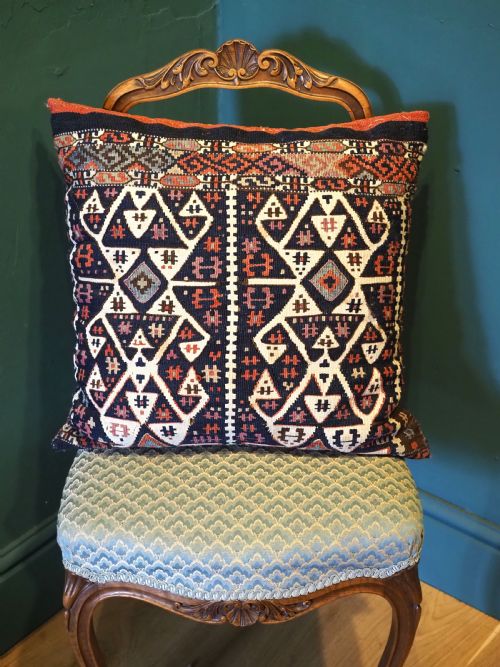
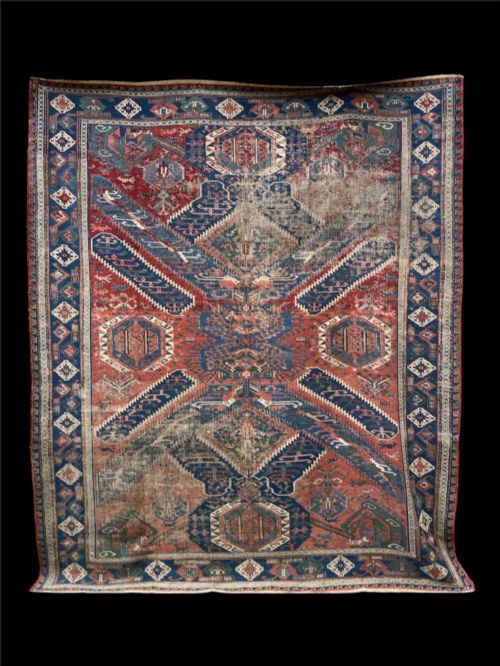
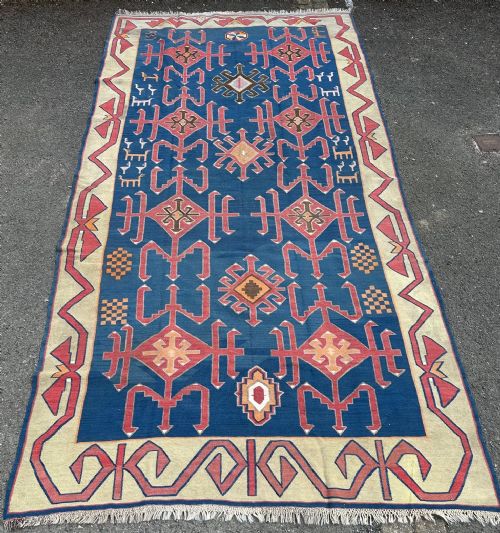
When searching for a vintage oriental kilim, buyers encounter flat-woven rugs, runners, and decorative cushions originating from nomadic and tribal weaving traditions. These textiles span periods from the mid-nineteenth century through the early twentieth century, reflecting distinct regional designs.
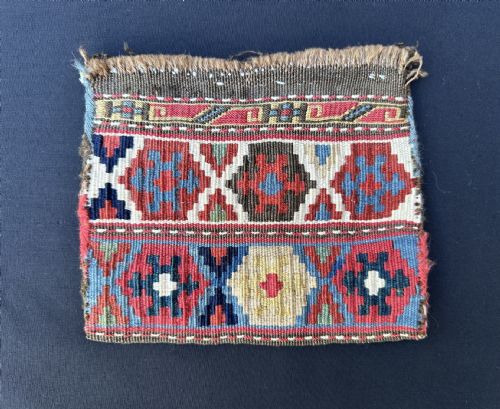
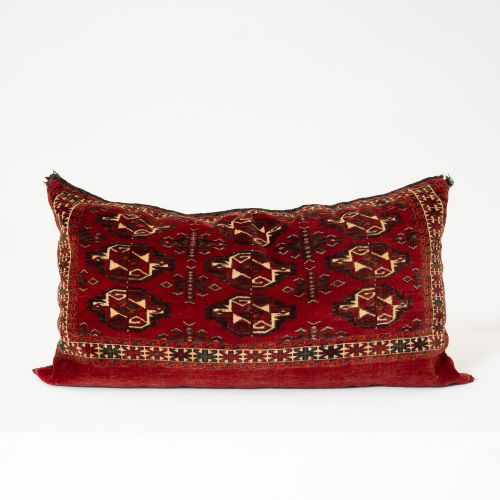
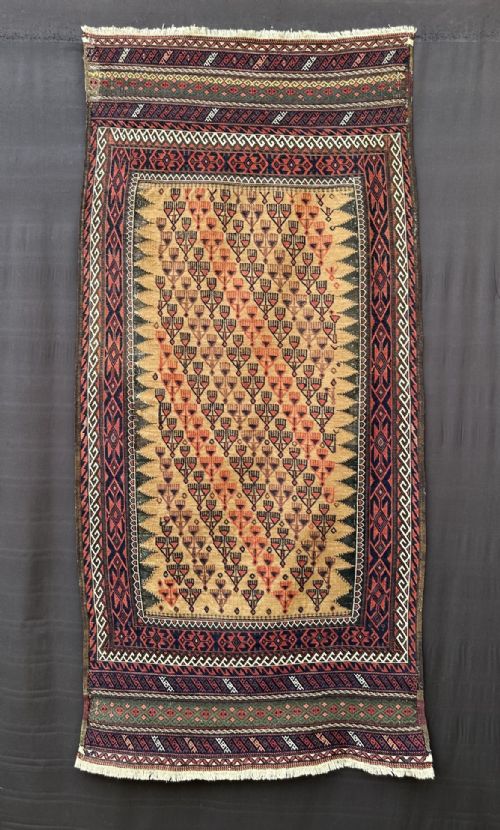
The selection on this page includes Anatolian, Persian, Caucasian, and Turkmen pieces, ranging from large room-size carpets down to small vanity bags and saddle bag cushions. Everyday domestic items such as sofres and storage bags are frequently adapted into functional floor coverings or cushion covers.
How they were made
These textiles are constructed primarily from hand-spun wool and cotton, utilising traditional flat-weave techniques without a pile. Many pieces incorporate natural dyes that yield soft, enduring colours over decades of use.
Weavers employed intricate weft-work methods, including banded designs and sumak wrapping, often joining multiple narrow strips together to form larger carpets or utility bags.
Vintage Oriental Kilim Retail Price Guide 2026
Typical asking prices for vintage oriental kilim among the pieces listed under this phrase on Sellingantiques today, from the lower quarter to the upper quarter. They describe what is for sale here now, not the wider market.
Listings feature textiles woven from wool and cotton, spanning production dates from eighteen-fifty through nineteen-forty.
What varies in quality
Quality in these flat-weaves rests upon the fineness of the weave, the clarity of the tribal geometry, and the integrity of the original structure. Tighter, more precise construction distinguishes finer village and nomadic work from coarser utilitarian pieces.
The depth and harmony of the natural dyes significantly influence the visual impact of a textile. Surviving original elements, such as backs on storage bags or complete kilim ends on prayer rugs, elevate the integrity of the piece.
The Vintage Oriental Kilim Glossary
- Kilim
- A flat-woven carpet or rug produced without a pile by tightly interweaving warp and weft strands. This technique creates a lightweight textile with identical patterns visible on both sides.
- Sofre
- A tribal spread or cloth traditionally used for dining or food preparation among nomadic groups. These textiles often feature striking central medallions and geometric borders.
- Sumak
- A decorative flat-weave technique where extra weft threads are wrapped around the warp threads to create a raised, textured surface. It provides greater durability and structure than standard plain weave.
- Chuval
- A large storage bag made by Turkmen tribes to hold household goods inside a tent. Surviving fragments and face panels are frequently repurposed into cushions.
- Mafrash
- A rectangular storage chest panel woven by nomadic groups in the Caucasus and Persia. Panels are often disassembled and turned into smaller rugs or cushions.
Vintage Oriental Kilim: Frequently Asked Questions
What is a kilim?
A kilim is a flat-woven textile made without any pile, created by interweaving warp and weft threads to form geometric patterns.
Unlike knotted pile carpets, these pieces have a smooth, tapestry-like texture that makes them versatile for floors and furnishings.
How were these bags used?
Nomadic tribes utilised bags like chuvals and mafrash panels to transport and store household possessions inside tents.
Today, the surviving faces of these containers are often preserved as cushions or small display mats.
Where do these pieces originate?
The pieces originate from traditional weaving regions including Anatolia, the Caucasus, Persia, and Central Asia.
Specific tribes such as the Shahsevan, Baluch, and Afshar contributed distinct regional patterns and colour palettes.
How do I care for a flat-weave?
Flat-weaves require gentle maintenance such as regular light vacuuming without a rotating brush.
Professional cleaning is recommended to preserve the natural dyes and hand-spun wool fibres.