




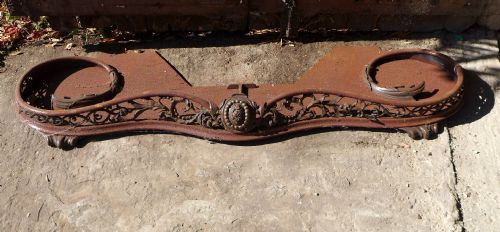


Antique Cast Iron Fender
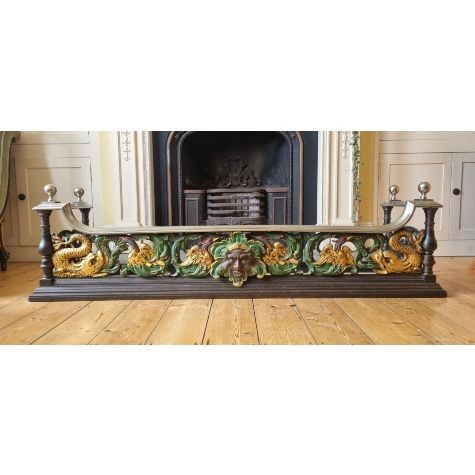
These antique cast iron fenders frame a hearth with solid weight, bringing period character and physical substance straight to the fireplace.
Antique Cast Iron Fender
An antique cast iron fender guards the hearth, framing the fireplace while keeping stray embers safely contained within the surround.
Most pieces seen on this page date from the Victorian period and the nineteenth century, alongside Georgian examples.
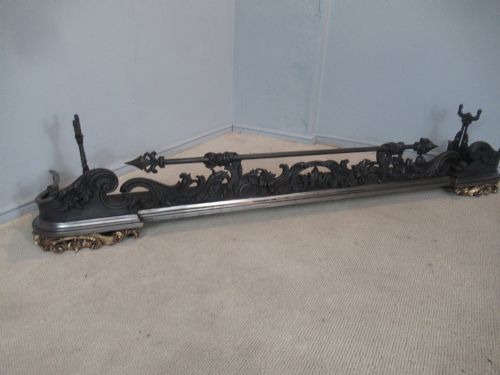
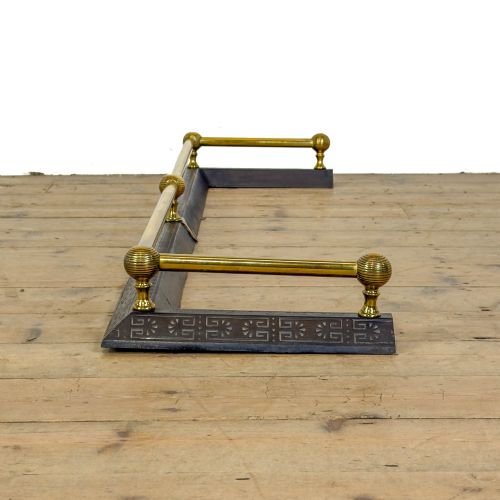
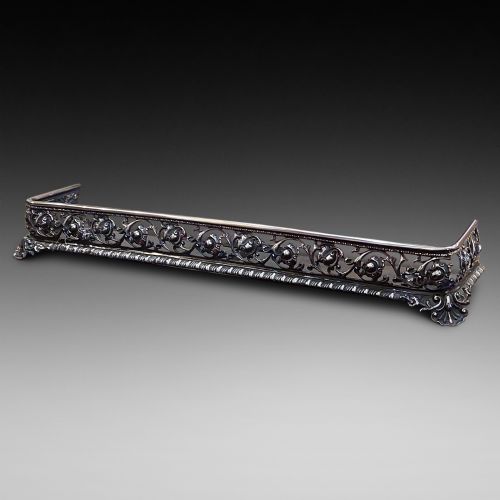
Forms range from simple hearth plinths and kerbs to curved designs, adjustable models, and combinations including grates and firebacks.
How they were made
Makers utilised heavy cast iron as the primary structural body, often pairing it with brass, steel, bronze, and gilt-brass elements.
Forged iron and wrought iron components appear alongside cast metalwork, creating robust fireplace accessories built for daily use.
Antique Cast Iron Fender Retail Price Guide 2026
Typical asking prices for cast iron fender among the pieces listed under this phrase on Sellingantiques today, from the lower quarter to the upper quarter. They describe what is for sale here now, not the wider market.
Some past examples include club seats so you could warm your toes right on the fender itself.
What varies in quality
Quality rests in the heaviness of the metal casting and the crispness of any decorative mouldings or brass and bronze attachments.
More sophisticated pieces incorporate adjustable mechanisms or mixed metals like gilt-brass and steel, showing finer detailing in their construction.
The Antique Cast Iron Fender Glossary
- Fender
- A low metal guard placed around the hearth to keep burning coals and ash from spilling onto the floor.
- Fire back
- A heavy iron plate placed at the back of a fireplace to reflect heat forward and protect the masonry.
- Club fender
- A specialised hearth guard featuring upholstered seat pads on the top corners for fireside seating.
- Kerb
- The structural border or boundary of the hearth that defines the perimeter of the fireplace enclosure.
Antique Cast Iron Fender: Frequently Asked Questions
How do I measure for a fender?
Measure the width and depth of your hearth stone carefully to ensure the metal guard sits squarely in position.
Take into account any protruding hearth edges or surrounding mantelpiece legs before selecting a fixed or adjustable model.
Can these be used with a modern fireplace?
These pieces fit readily around contemporary hearths provided the floor dimensions match the proportions of the iron surround.
They bring historical character to modern rooms while fulfilling the practical duty of containing solid fuel debris.
How do I clean cast iron?
Remove surface dust with a soft brush and wipe metal parts gently with a dry cloth to prevent moisture build-up.
Avoid harsh chemical cleaners that can strip historical finishes or damage mixed brass and steel elements.
What is the difference between iron and steel?
Cast iron is poured into moulds to create heavy, rigid forms with distinctive surface textures and robust load-bearing properties.
Steel offers different tensile strength and flexibility, frequently appearing alongside iron in nineteenth-century hearth guards.