
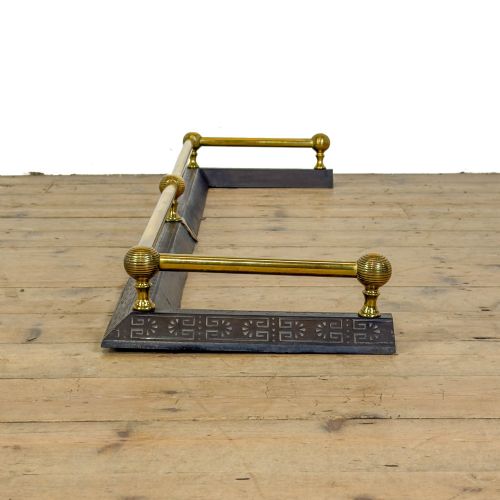


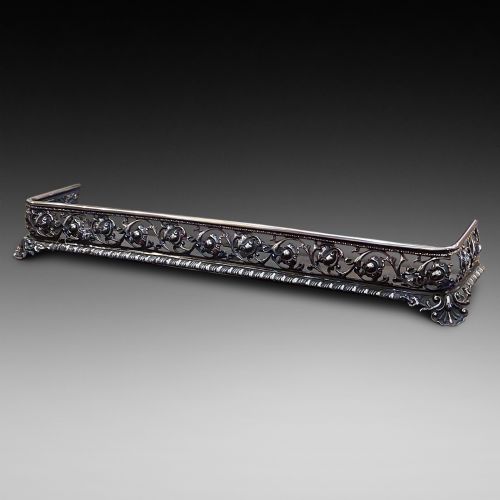
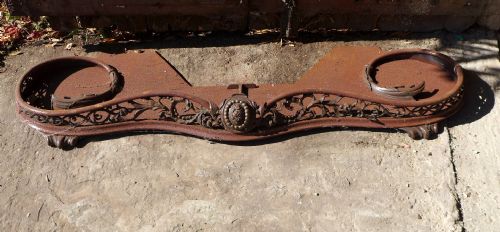
Cast Iron Fireplace Guard
A cast iron fireplace guard protects the hearth while bringing solid weight and period detail to a room.
Cast Iron Fireplace Guard
A cast iron fireplace guard takes the form of a fender or spark guard designed to sit before an active hearth. The listings show forms primarily from the Victorian and nineteenth century periods, alongside Georgian and nineteen-twenties examples.
Buyers meet pieces styled in the Gothic Revival, French Rococo, and French Empire traditions, as well as simpler Victorian iterations. These items function as both practical hearth boundaries and decorative architectural furnishings.
The objects span fireplace accessories, curved fenders, and adjustable screens. Iron and steel mesh appear frequently alongside standard cast iron forms.
How They Were Made
Maker workshops utilised heavy cast iron alongside wrought iron and steel mesh to build durable hearth barriers. Foundries poured molten metal into sand moulds to create the structural body and decorative motifs.
Brass, gilt-brass, and bronze accents were incorporated into iron frames, particularly on French Empire and Rococo pieces. Adjustable mechanisms allowed nineteenth-century makers to fit fenders to varying hearth widths.
Listings combine cast iron with brass, bronze, steel, and wrought iron across Victorian, Georgian, and twentieth-century periods.
What Varies in Quality
Quality depends upon the crispness of the cast iron detail and the integration of mixed metals like brass or bronze. Fenders with finely chased embellishments and well-fitted adjustable components represent a higher standard of workshop production.
The choice of materials dictates the finish, where solid gilt-brass mountings and heavy iron construction outlast lighter steel mesh or plated alternatives.
The Cast Iron Fireplace Guard Glossary
- Cast Iron
- A hard, brittle alloy of iron and carbon formed by pouring molten metal into a mould. It provides the heavy structural body for nineteenth-century hearth guards.
- Fire Fender
- A low metal guard placed on the floor around a hearth to contain sparks and rolling embers. These objects form the majority of the recorded listings.
- Gilt-Brass
- Brass treated with a gold wash or thin layer of gold leaf to enhance its appearance. This material appears on French Empire and nineteenth-century adjustable designs.
- Spark Guard
- A protective screen designed to catch flying embers from an open fire. Some twentieth-century examples combine iron frames with steel mesh for this purpose.
Cast Iron Fireplace Guard: Frequently Asked Questions
What is a cast iron fireplace guard used for?
These pieces serve as physical barriers placed in front of open hearths. They keep rooms safe from stray embers while defining the hearth space.
Fenders also hold fireplace tools and anchor the visual arrangement of a period fireplace.
How do I measure for a fender?
Measure the width of your fireplace opening and the hearth stone floor space available. Take note of whether the guard requires an adjustable frame to fit the hearth.
Consider the depth as well, ensuring the guard sits comfortably without blocking access to the fire.
How do I date a cast iron guard?
Examine the decorative style, such as Gothic Revival or French Rococo motifs, alongside the construction materials. Nineteenth-century pieces often combine cast iron with brass or steel elements.
Georgian and Victorian examples show distinct casting techniques and heavier proportions compared to later twentieth-century spark guards.
Are these guards suitable for modern fireplaces?
Many period pieces fit contemporary hearths, provided the dimensions match the floor space. They add authentic period character to modern living rooms.
Ensure the width and depth of the fender align with your hearth dimensions before placement.