

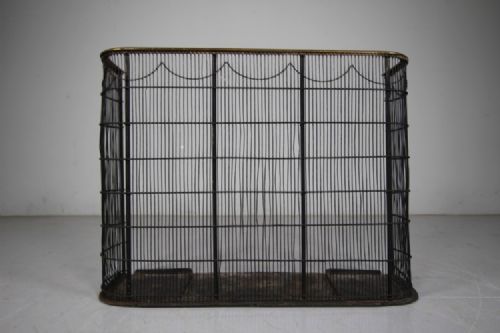


Antique Iron Fire Fender
An antique iron fire fender anchors the hearth, protecting the room from stray embers while defining the fireplace with period craftsmanship.
Antique Iron Fire Fender
An antique iron fire fender forms a protective barrier around the hearth, grounding the fireplace within the room. Buyers seeking an antique iron fire fender will encounter various configurations designed to fit diverse hearth dimensions.
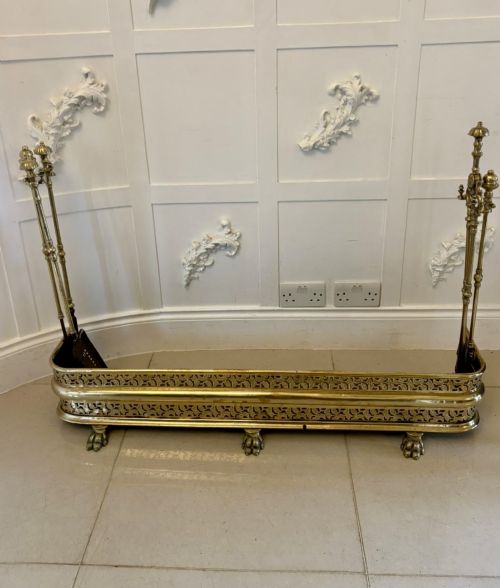
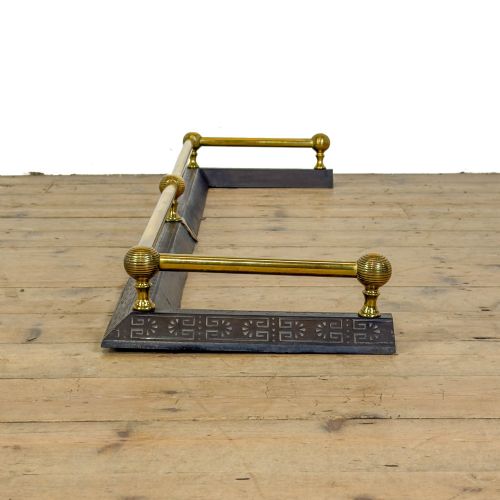
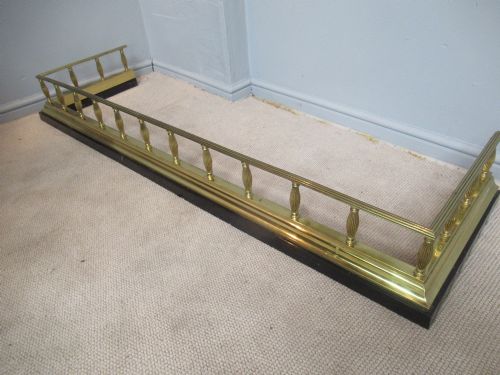
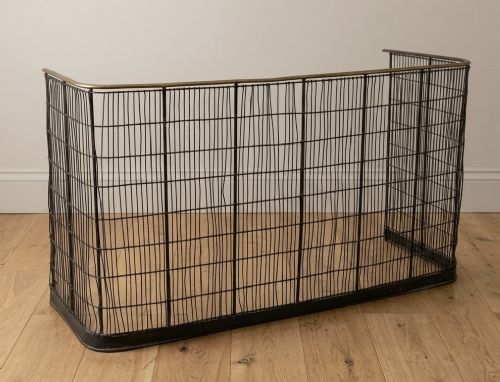
The selection ranges from simple low-profile kerbs to substantial nursery models incorporating wire mesh and clothes rails. Many examples combine iron with brass, steel, or bronze elements, reflecting the aesthetic preferences of the nineteenth century and earlier eras.
Period pieces date predominantly from the Georgian, Victorian, and Edwardian epochs, alongside Regency and Arts and Crafts examples. Standard forms include adjustable curbs, club fenders with upholstered seats, and folding guards.
Materials and construction
Makers utilised cast iron, wrought iron, and steel for structural strength, often pairing the metalwork with polished brass top rails, bronze mounts, or wire mesh. Some elaborate club fenders incorporate leather or mahogany seating surfaces supported by steel frames.
Construction techniques combine heavy casting for firebacks and kerbs with detailed forge work for wrought iron scrolls and wirework mesh screens. Component parts are typically joined by robust rivets, screws, or traditional forge-welding.
Period styles represented across the inventory span Georgian, Regency, Victorian, Edwardian, French Rococo, and Arts and Crafts.
Evaluating quality and execution
Quality rests in the weight and thickness of the metal, the crispness of any cast ornamentation, and the integrity of structural joints. Superior pieces exhibit clean lines, substantial gauge iron or steel, and well-fitted decorative brass or bronze mounts.
Consideration should also be given to original components, such as matching fire irons, integrated mesh panels, and unaltered upholstery on club variants. Fenders retaining their original surface patination demonstrate superior historical authenticity.
The Antique Iron Fire Fender Glossary
- Club fender
- A low-seated hearth surround featuring upholstered leather or fabric top rails designed for fireside sitting.
- Nursery fender
- An tall enclosed guard, frequently constructed with wire mesh, intended to protect children and fabrics from sparks.
- Kerb fender
- A low metal barrier that sits directly on the floor around the hearth perimeter to contain coal and ash.
- Chenet
- An ornamental iron or bronze fire dog placed within the hearth to support burning logs.
Antique Iron Fire Fender: Frequently Asked Questions
What is a club fender?
A club fender is a hearth surround featuring integrated upholstered seats on top rails. This design allows people to sit close to the fire for warmth.
Such pieces often combine steel or iron frames with leather cushions and brass details. They emerged as a popular functional seating option in larger Victorian and Edwardian homes.
How do I choose the right size?
Measure the width and depth of your hearth area precisely before selecting a fender. Ensure you account for the clearance needed around the fireplace opening and any protruding hearth stones.
Many period examples, particularly steel and brass variants, feature adjustable frames. This adjustability helps accommodate minor variations in hearth dimensions.
Are nursery fenders safe for modern homes?
Period nursery fenders provide a tall physical barrier that effectively blocks sparks and prevents direct contact with the fire. They offer robust containment for traditional hearth setups.
Buyers should inspect the wire mesh and structural joints for stability. These protective screens remain practical for containing modern fireside accessories.
How do I clean cast iron and brass?
Maintain cast iron surfaces by dusting regularly and applying a light coat of specialist wax to prevent oxidation. Avoid abrasive scourers that strip the historic metal finish.
Polish brass components gently with a dry cloth or appropriate metal cleaner. Preserving the natural dark patina on the iron enhances the historical character of the piece.