
Victorian Fireplace Curb
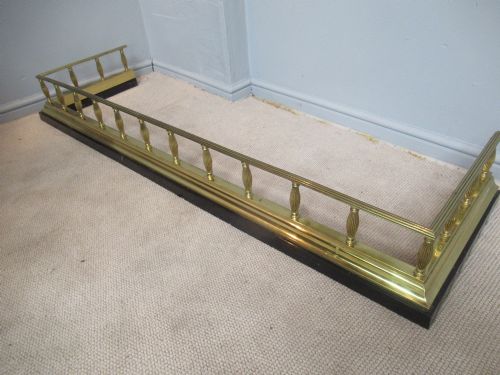
A victorian fireplace curb anchors the hearth, combining robust metalwork and period style to frame domestic fires.
Victorian Fireplace Curb
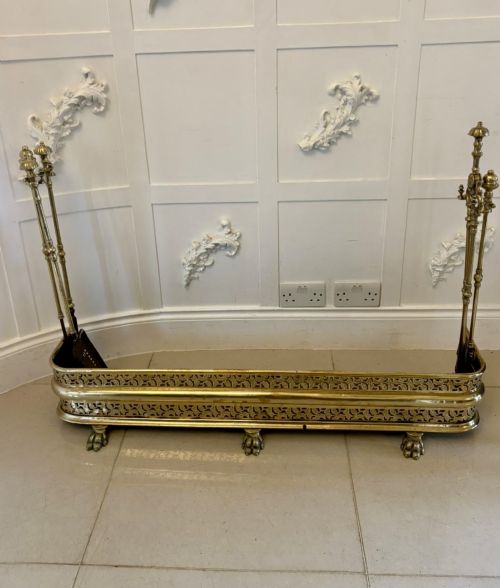
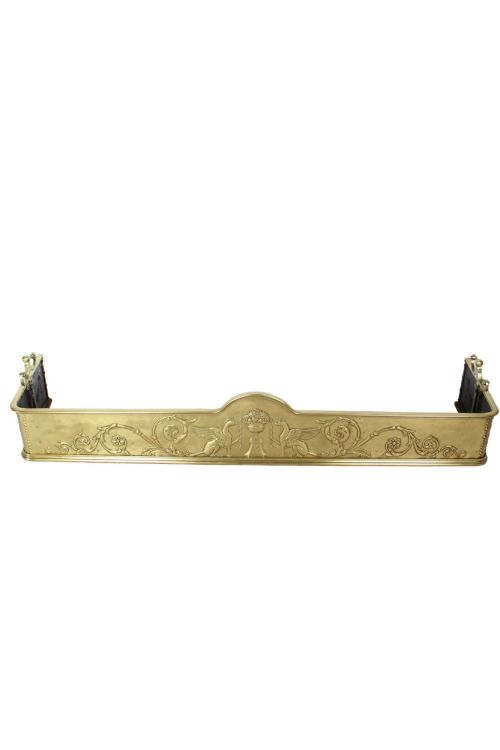
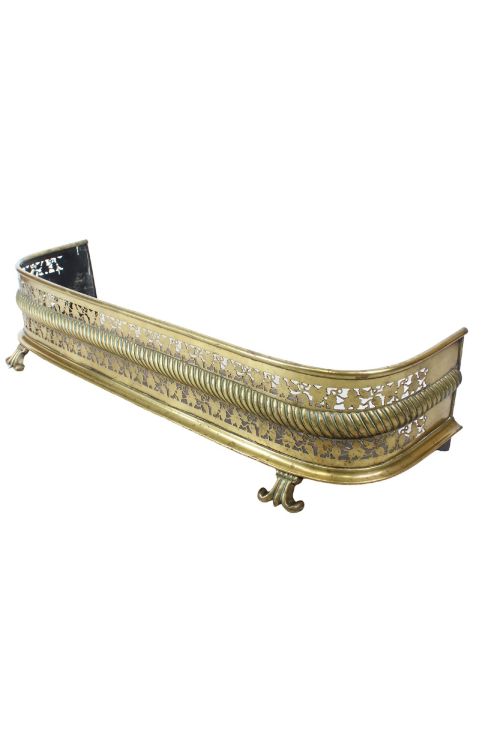
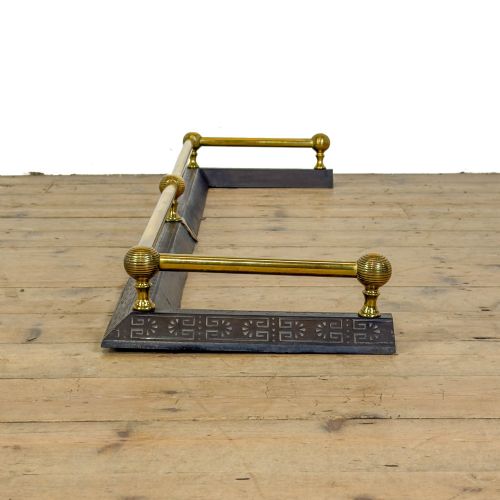
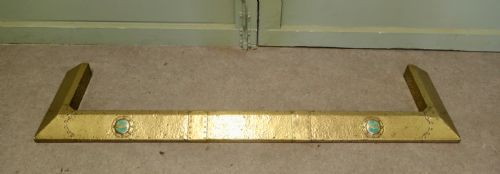
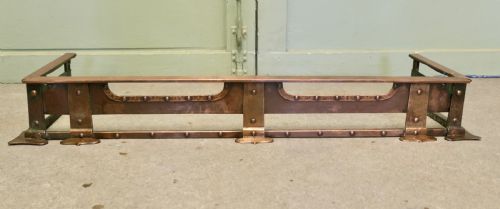
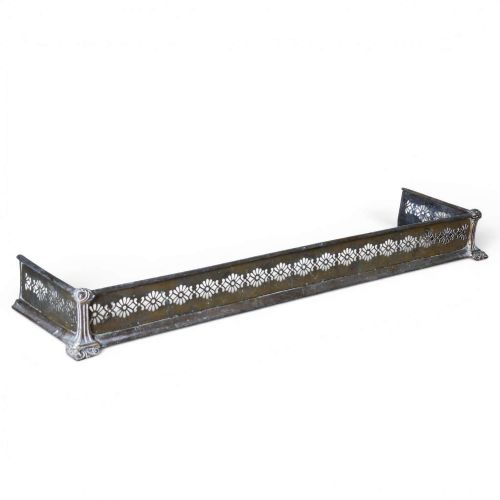
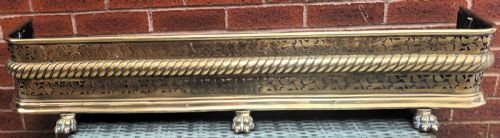
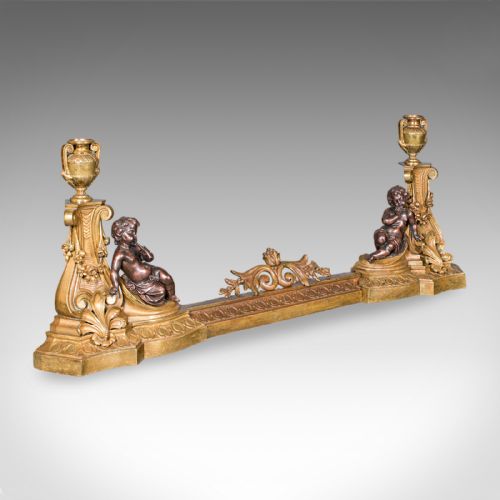
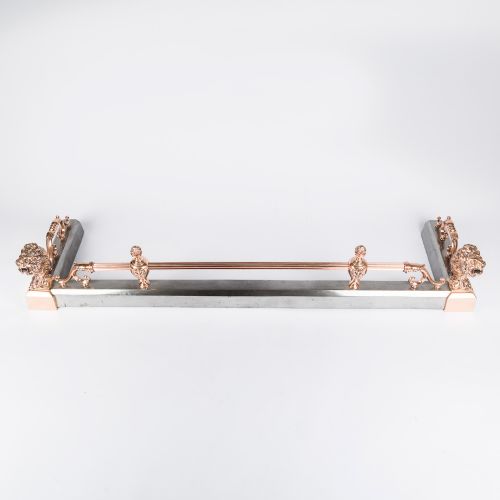
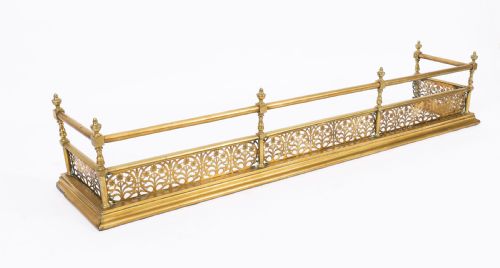
A victorian fireplace curb protects the room from stray embers while defining the hearth space in front of the fire. The pieces found here span heavy cast iron, pierced brass, and beaten copper in styles ranging from classic neoclassical to art nouveau.
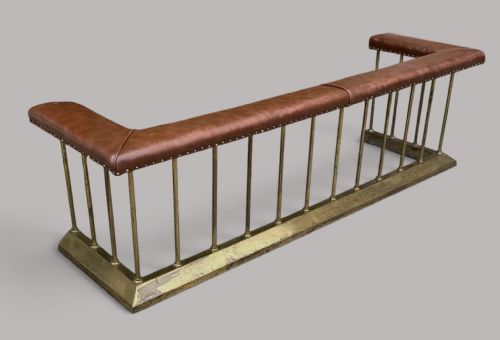
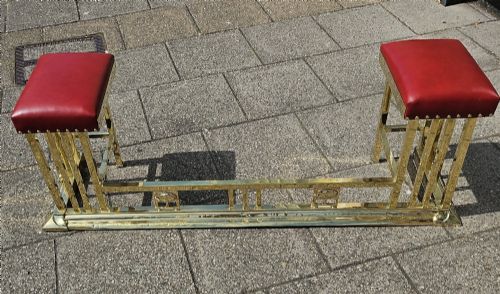
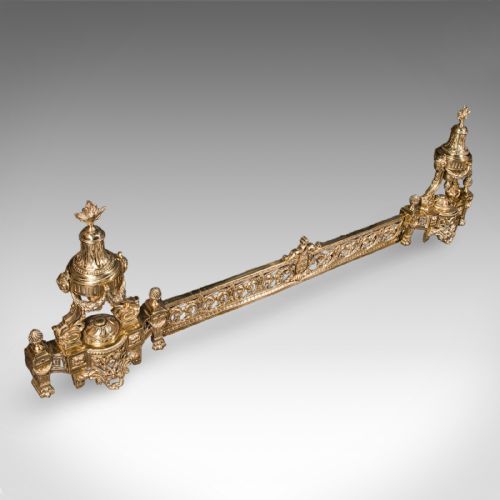
Most examples date across the nineteenth century, including adjustable models that fit varying fireplace openings. Buyers encounter simple hearth fenders alongside elaborate club fenders topped with leather seats for fireside sitting.
How They Were Made
Maker's workshops combined cast and wrought iron with sheets of brass and copper, joining components through riveting and bolting. Pierced patterns relied on careful hand-sawing and punchwork through thick metal sheets.
Decorative details such as flower pateras, beaded decoration, and enamel cabochons were applied to the primary metal frames. Some pieces integrated steel frames for additional structural strength around the hearth.
What Varies in Quality
The distinction between ordinary and superior pieces rests on the weight of the metal and the crispness of the piercing or hand-beating. Heavy gauge brass and thick cast iron demonstrate a solidity absent in lighter, stamped alternatives.
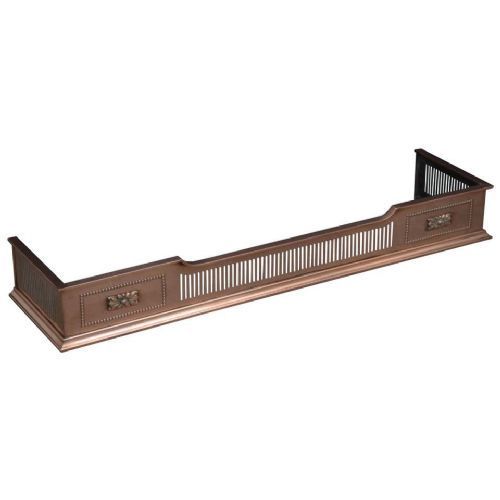
Detailing elevates the design, seen in crisp neoclassical casting, clean riveting on brutalist copper, or mature upholstery on leather-topped club seats. Original components, including matching fire irons, preserve the integrity of the piece.
The Victorian Fireplace Curb Glossary
- Club fender
- A low metal hearth guard featuring upholstered seats along the top rails. These allowed Victorians to sit close to the fire.
- Pierced brass
- Sheet metal perforated with decorative geometric or floral patterns. This technique lightened the visual weight of heavy brass fenders.
- Patera
- A circular ornamental bas-relief resembling a classical disk or flower petal. Makers applied these to brass and copper bodies for decorative relief.
- Fire iron
- A matching poker, tongs, or shovel associated with the hearth. Some high-quality pieces retain their original matched sets.
Victorian Fireplace Curb: Frequently Asked Questions
Were club fenders used for sitting?
Yes, club fenders incorporate padded leather tops specifically designed for sitting close to the fire. They became popular in larger nineteenth-century drawing rooms.
The sturdy brass or iron frames support the weight while keeping sitters safely away from stray embers.
What is the difference between brass and copper fenders?
Brass fenders tend to feature bright polished finishes, neoclassical castings, or pierced sheet work. Copper versions often showcase art nouveau designs with beaten surfaces and warm reddish tones.
Both metals were selected for durability and their ability to reflect firelight into the room.
How do I clean a brass curb?
Remove surface dust with a dry cloth before applying a mild metal cleaner suitable for historic brass. Avoid harsh abrasives that strip away the aged patina accumulated over decades.
Gentle maintenance preserves the subtle surface variation valued by collectors of nineteenth-century metalwork.