



Dark Iron Fire Guard
A dark iron fire guard provides essential hearth safety while bringing period character to a room through robust metalwork.
Dark Iron Fire Guard
When you search for a dark iron fire guard, you are looking at practical hearth protection designed to contain embers and sparks. These pieces range from upright screens to protective fenders that encircle the fireplace opening.
You are most likely to meet Victorian and 19th-century examples on this page, alongside pieces from the early twentieth century. They appear in styles such as Gothic Revival, Arts and Crafts, and French Empire.
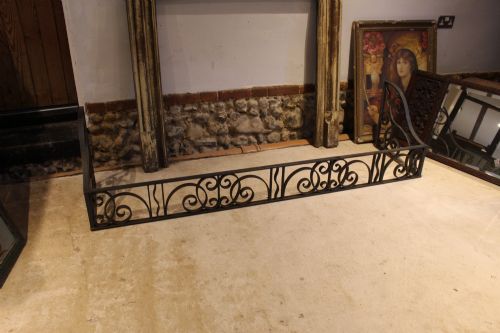
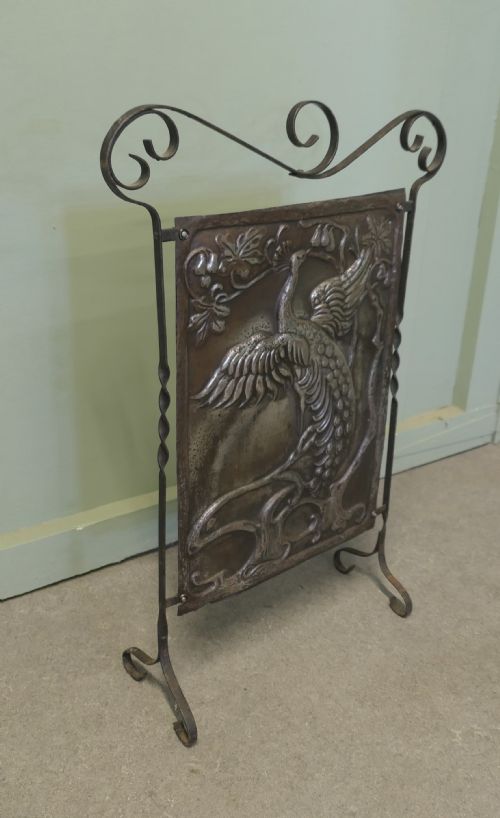
The forms vary from tall folding guards and peacock design fire screens to heavy club fenders featuring mahogany tops. Many combine iron with brass, steel mesh, or bronze components to balance utility with decorative finish.
How they were made
The construction relies heavily on wrought iron and cast iron, often shaped through traditional blacksmithing and foundry techniques. Makers utilised steel mesh to create transparent spark guards while maintaining structural rigidity.
Decorative elements frequently incorporate brass, bronze, and polished iron highlights. Some heavier pieces integrate timber components, such as mahogany tops on club fenders, joined securely to the metal frames.
Dark Iron Fire Guard Retail Price Guide 2026
Typical asking prices for dark iron fire guard among the pieces listed under this phrase on Sellingantiques today, from the lower quarter to the upper quarter. They describe what is for sale here now, not the wider market.
Listings feature items from the 19th century, Victorian era, and early twentieth century up to nineteen twenty.
What varies in quality
Quality shows in the weight of the metal and the precision of the assembly, distinguishing heavy, solid construction from lighter production. The refinement of decorative motifs, such as the feathered detail on peacock screens or Gothic tracery, dictates the level of craftsmanship.
The choice of mixed metals also affects the piece, where the integration of brass or bronze with iron demonstrates greater skill. Finish preservation, from polished iron to darkened surfaces, separates carefully kept examples from neglected ones.
The Dark Iron Fire Guard Glossary
- Fire guard
- A protective barrier placed in front of an open fireplace to catch sparks and burning embers. These items keep rooms safe while complementing the hearth.
- Club fender
- A low, U-shaped hearth surround featuring upholstered or wooden top rails for seating. This form dates back to gentlemen's clubs and Victorian drawing rooms.
- Gothic Revival
- An architectural and decorative style drawing on medieval forms, characterised by pointed arches and heavy metalwork. This aesthetic strongly influences nineteenth-century ironwork.
- Arts and Crafts
- A design movement valuing handcraftsmanship and simple, honest materials over mass production. Pieces from this tradition often display natural motifs like the peacock design.
Dark Iron Fire Guard: Frequently Asked Questions
How do I date a cast iron fire screen?
Dating relies on identifying stylistic markers, such as Victorian Gothic details or Arts and Crafts motifs. The manufacturing method, whether hand-wrought or machine-cast, also points to the period of origin.
Examining the secondary materials provides further clues. The presence of specific metals like polished bronze or particular timber top rails helps narrow down the decade of production.
What is the difference between a fender and a screen?
A fender sits flat on the floor around the base of the hearth, often incorporating a seat or low barrier to demarcate the fireplace zone. Some designs combine iron with brass or mahogany.
A screen stands upright to shield the room directly from the flames and sparks. Screens frequently feature folding panels or decorative cutout designs like peacock tails.
How do I maintain a wrought iron fire guard?
Maintenance involves keeping the iron clean from soot and ash build-up using a dry or slightly damp cloth. Regular dusting preserves the dark finish without needing harsh chemical treatments.
Avoid exposing the metal to excessive moisture to prevent surface oxidation. Light application of protective wax can help maintain polished or treated iron surfaces over time.