
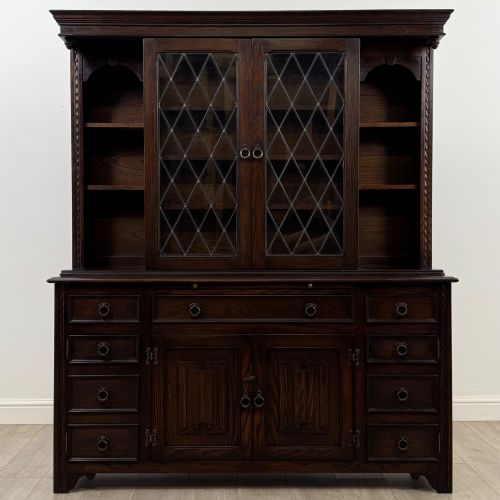
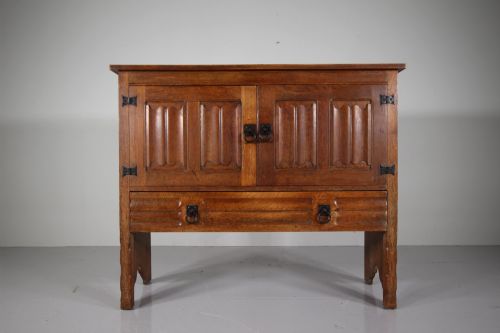
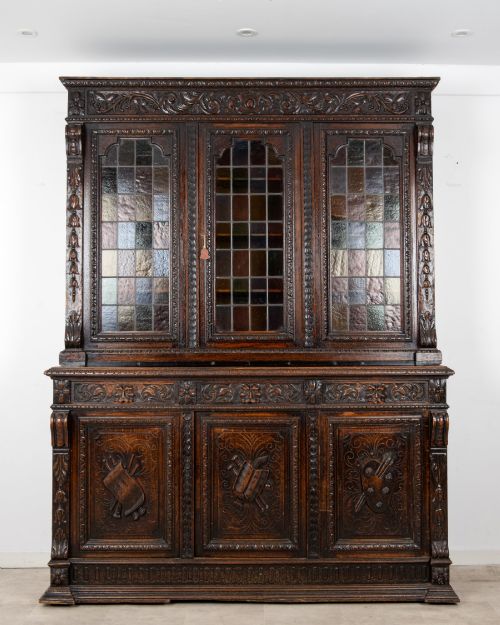
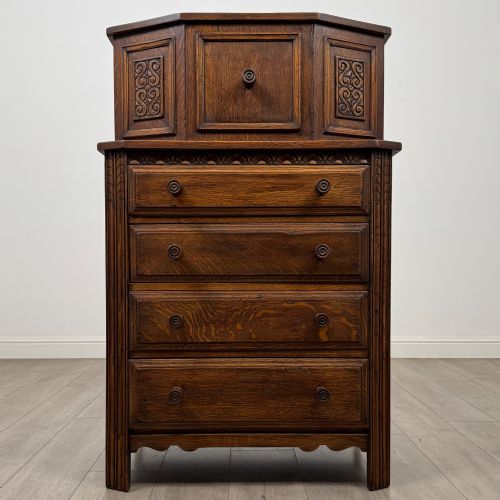

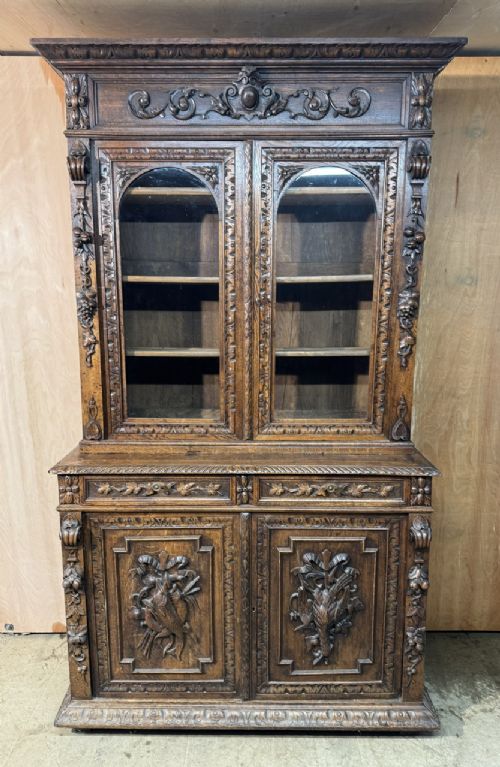
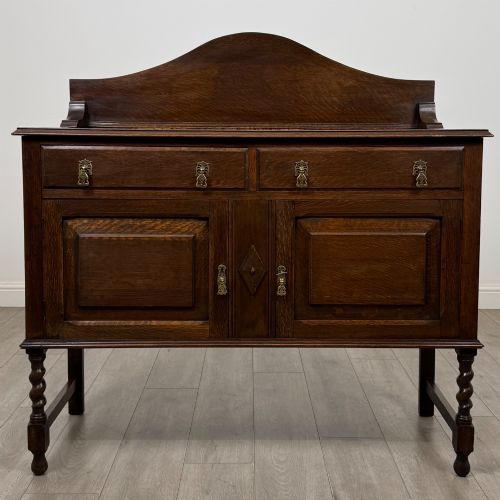
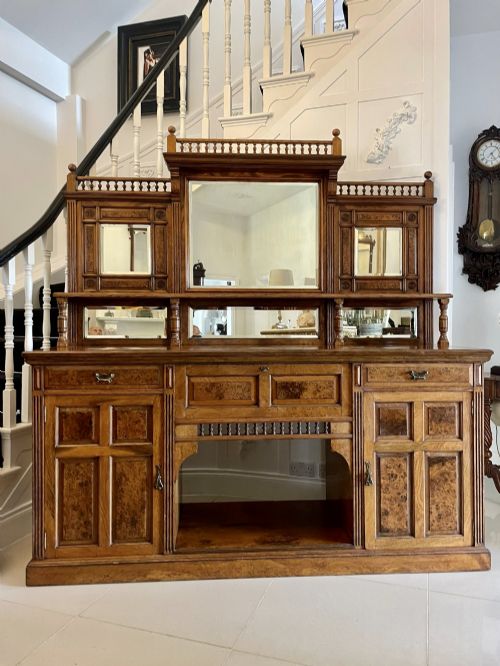
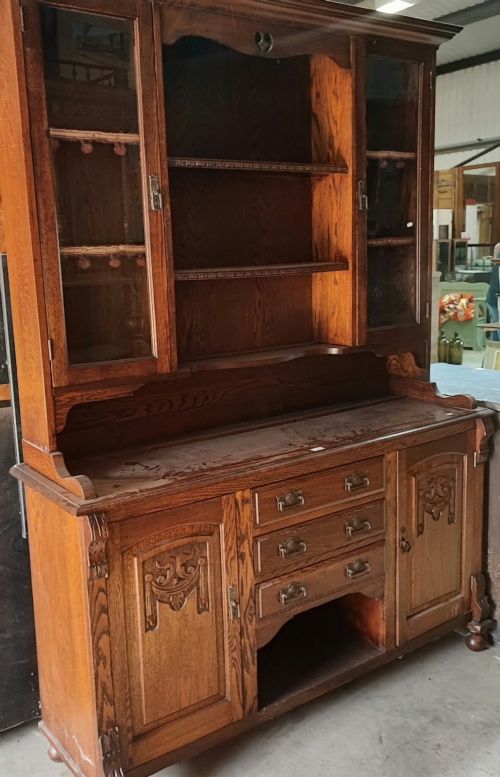
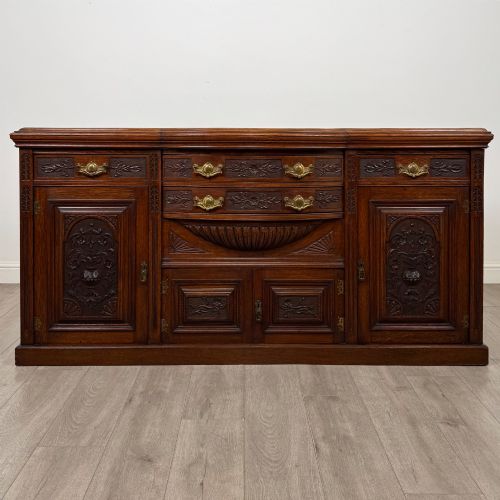
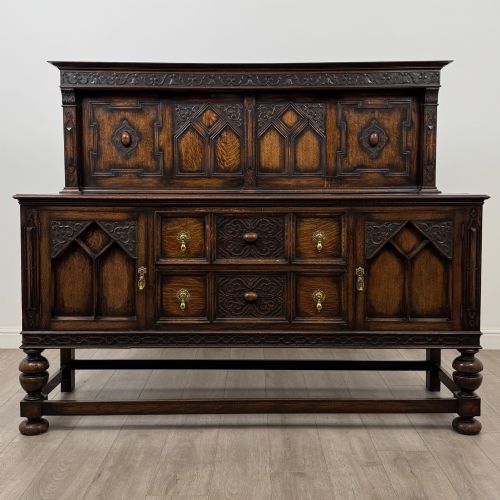
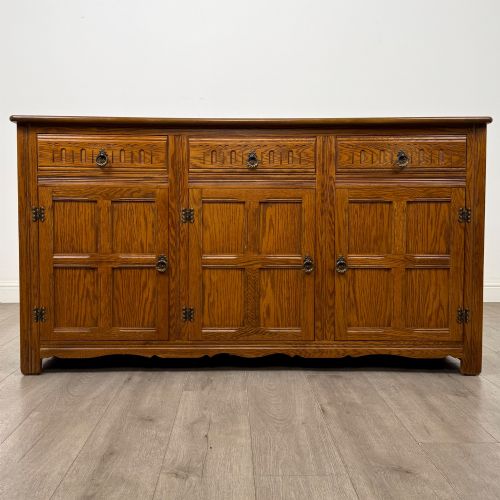
Antique Carved Oak Dresser
An antique carved oak dresser brings centuries of timber and deep relief into a room, offering both storage and historical weight.
Identifying an antique carved oak dresser
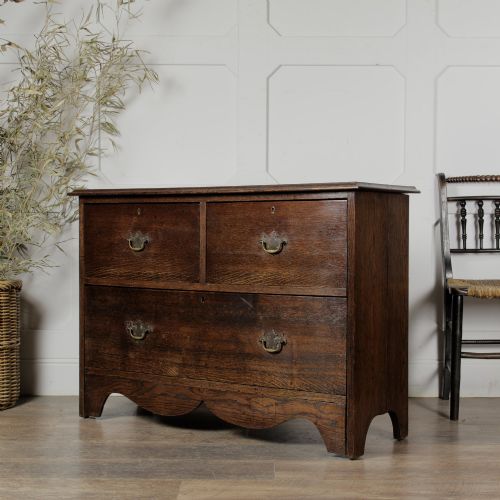
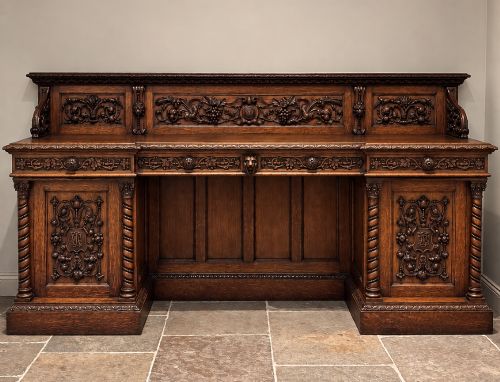
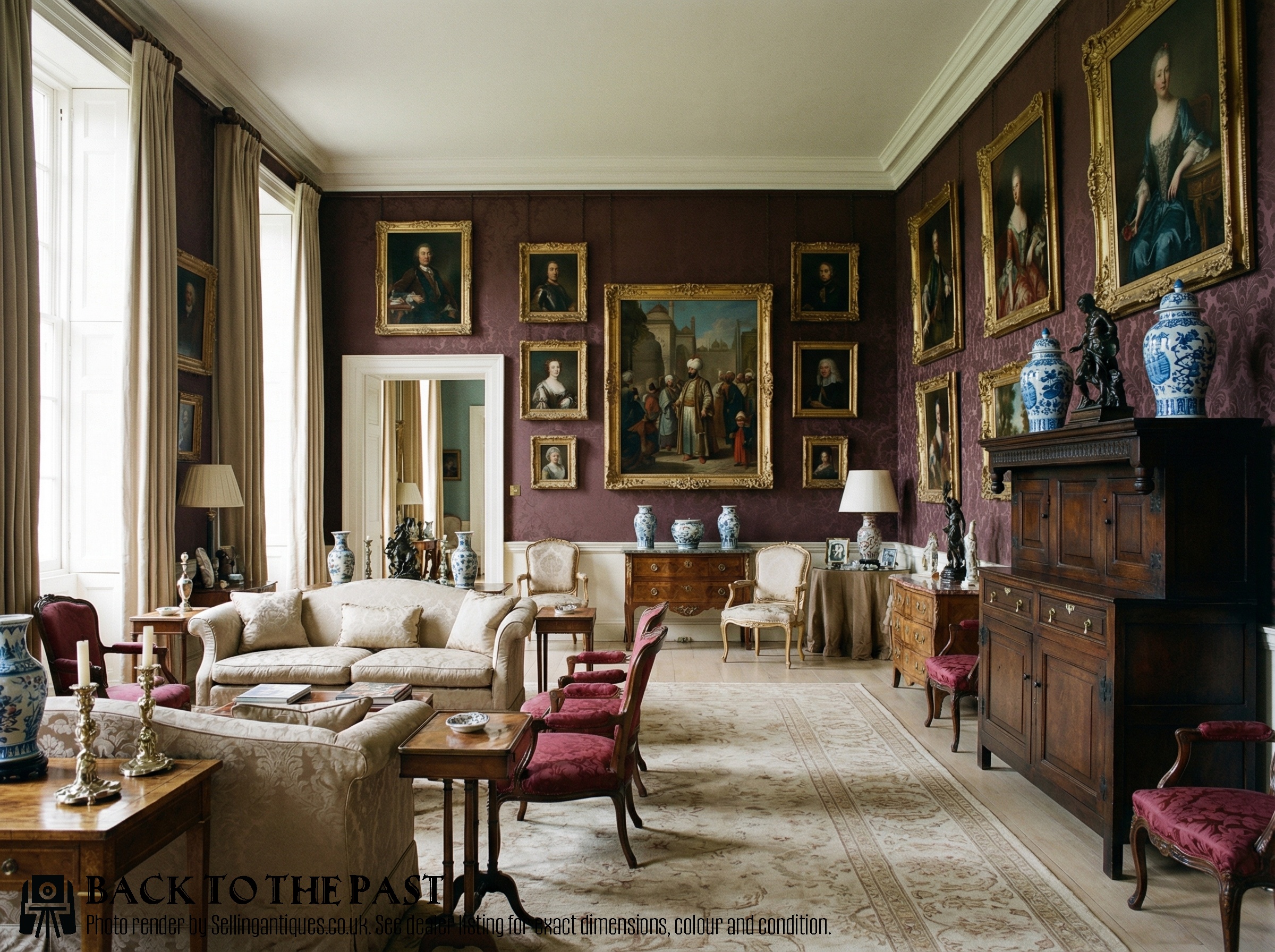
When you search for an antique carved oak dresser, you encounter heavy timber furniture designed for domestic storage and display across several centuries. The selection ranges from sixteenth and seventeenth century court cupboards and joined sideboards to eighteenth century country dresser bases and later nineteenth century revival pieces.
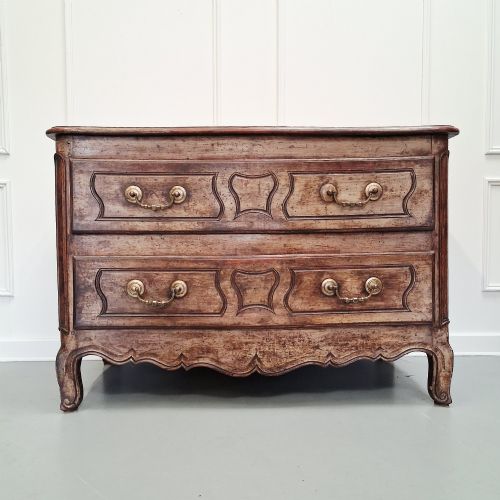
Kitchen dressers, sideboard dresser bases, and French buffets appear alongside Gothic and Elizabethan styles. You are most likely to meet seventeenth century court cupboards or eighteenth century dresser bases framed in solid oak with brass and iron hardware.

Materials and construction
These pieces rely on solid oak timbers, chosen for strength and distinct grain patterns. Cabinetmakers utilised traditional joinery methods, fixing panels and frames with wooden pegs and housing joints rather than modern adhesives.
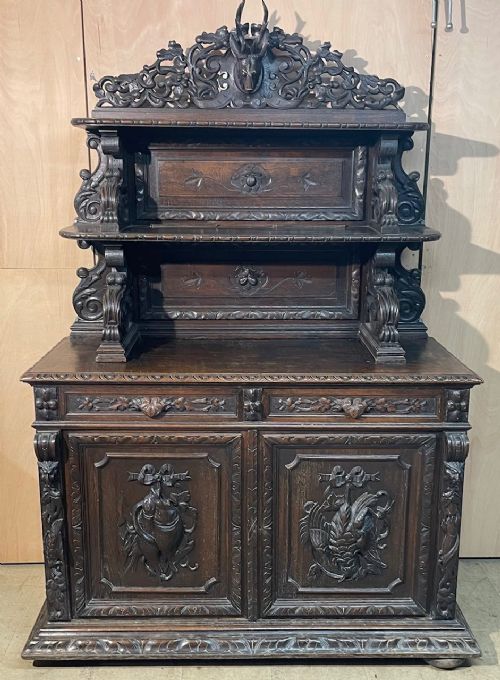
Metal components such as brass handles and iron hinges secure doors and drawers. Ornamentation comes from hand chisels and gouges, cutting strapwork, figural motifs, and geometric patterns directly into the wood.
Retail Price Guide 2026
Typical UK retail prices for carved oak dresser, calculated from the Sellingantiques database of over a million retail prices indexed since 2003. This retail price guide relies exclusively on Sellingantiques data; no external sources or auction records are used, so the figures do not describe the wider market.
Materials recorded across the archive include solid oak structured with iron and brass hardware, spanning styles from Elizabethan to Victorian Gothic.
Assessing quality and execution
Quality rests upon the crispness of the carving and the integrity of the timber construction. Early examples show confident hand tool work where relief carving remains deep and distinct rather than shallow and mechanically uniform.
Proportion and structural survival separate standard pieces from exceptional ones. Original hardware, undisturbed patination on the oak surfaces, and tight joints without excessive replacement timber elevate the standing of a piece.
The Antique Carved Oak Dresser Glossary
- Court cupboard
- A heavy seventeenth century enclosed piece of furniture featuring upper and lower sections, often with recessed upper tiers supported by columns. It served to display plate and store provisions.
- Dresser base
- The lower portion of a dresser configuration, operating as a sideboard with drawers and cupboards beneath a flat top. These lack the plate racks found on complete kitchen dressers.
- Green Man
- A sculptural architectural motif depicting a human face disgorged from foliage or entirely made of leaves. It appears carved into the woodwork of Victorian and earlier revival oak furniture.
- Strapwork
- A decorative carving style mimicking flat bands or leather straps folded and interlaced in geometric patterns. It is frequently seen on Elizabethan and Jacobean panel work.
- Joined oak
- Furniture constructed using mortise and tenon joints secured by wooden pins rather than nails. This technique defines seventeenth century cabinet work.
Frequently Asked Questions
How do I date an oak dresser?
Dating relies on construction methods, hardware types, and the style of the carving. Sixteenth and seventeenth century examples show joined frame construction with pegged joints and heavy mouldings.
Later pieces from the eighteenth and nineteenth centuries incorporate dovetailed drawer construction and machine-sawn timbers alongside revival styles like Gothic or Elizabethan.
What is a court cupboard?
A court cupboard is a formal enclosed storage piece originating in the sixteenth and seventeenth centuries. They typically feature an upper recessed cabinet supported by carved pillars above a larger lower section.
These pieces were built to display valuable plate and store household stores in elite dwellings before evolving into simpler dresser forms.
How do I care for antique oak furniture?
Antique oak requires stable humidity and protection from direct heat sources to prevent the timber from splitting. Regular dusting with a dry lint-free cloth maintains the surface.
Applying occasional applications of traditional beeswax feeds the dry wood and preserves the natural patina built up over centuries of handling.
Are these dressers suitable for modern kitchens?
Oak dressers and sideboard bases provide substantial surface area and deep drawer storage suited for modern domestic spaces. Their durable construction handles daily use effectively.
Kitchen dressers and dresser bases offer practical storage for tableware while introducing historical character and natural timber texture into contemporary interiors.
What is a French Buffet de Corps?
A Buffet de Corps is a large continental enclosed cupboard or buffet used for storing provisions and dining ware. They share the heavy timber construction and panelled doors of English equivalents.
French regional examples often display distinct carving traditions, such as game motifs seen on nineteenth century game cupboards.