
Antique Carved Cabinet
An antique carved cabinet brings timber and decorative detail together, offering practical storage through periods from the eighteenth century to the twentieth.
Antique Carved Cabinet
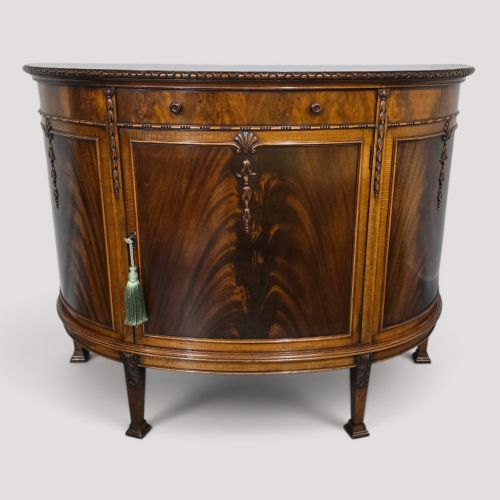
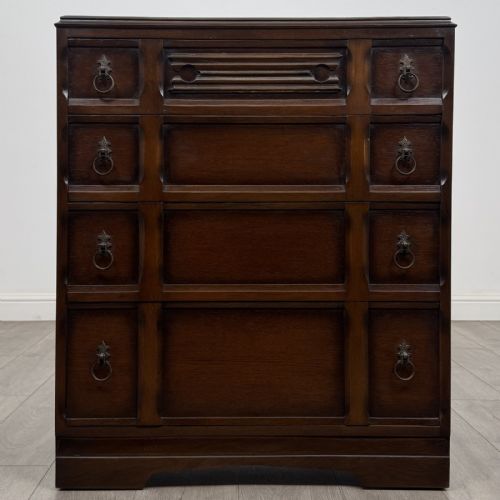
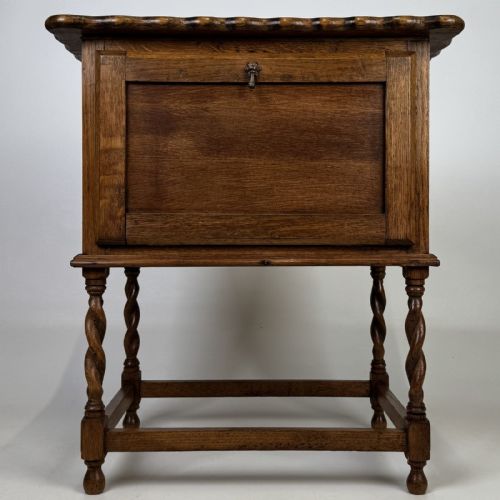
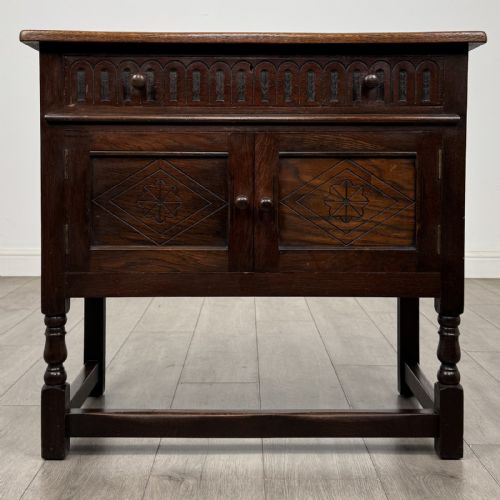
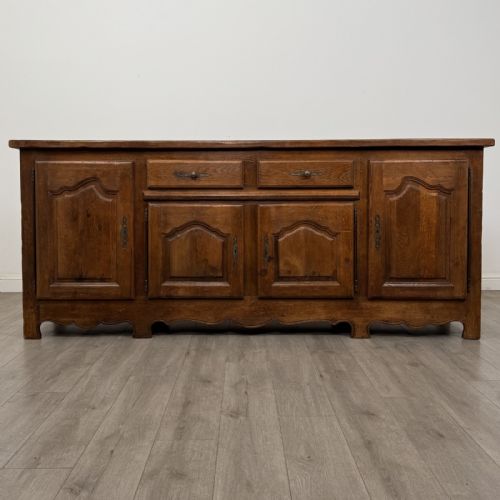
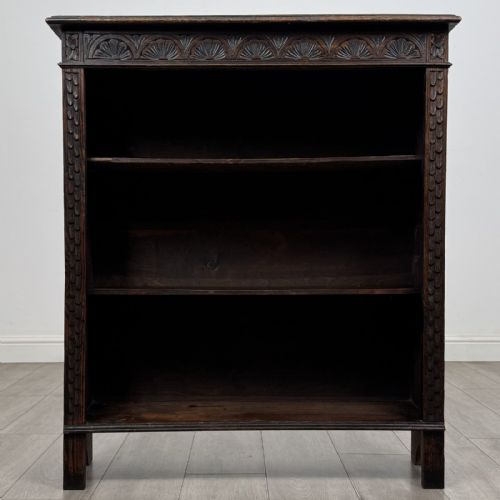
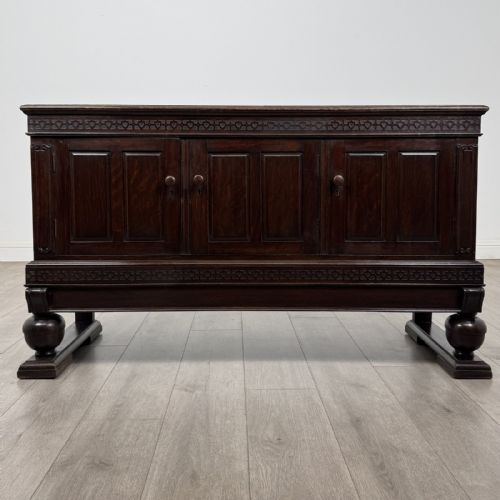
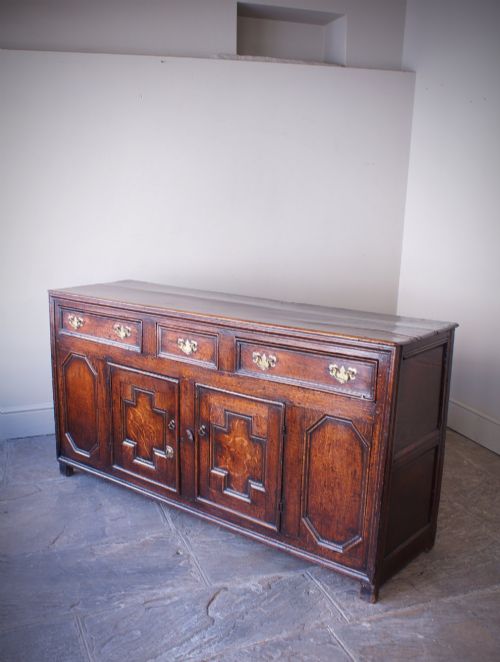
An antique carved cabinet encompasses a wide variety of functional storage forms, including linen presses, sideboards, display cabinets, bookcases, and cocktail cabinets. Buyers searching this phrase encounter pieces spanning several eras, from eighteenth-century Dutch cupboards to Edwardian oak sideboards and 1920s burr walnut cocktail cabinets.
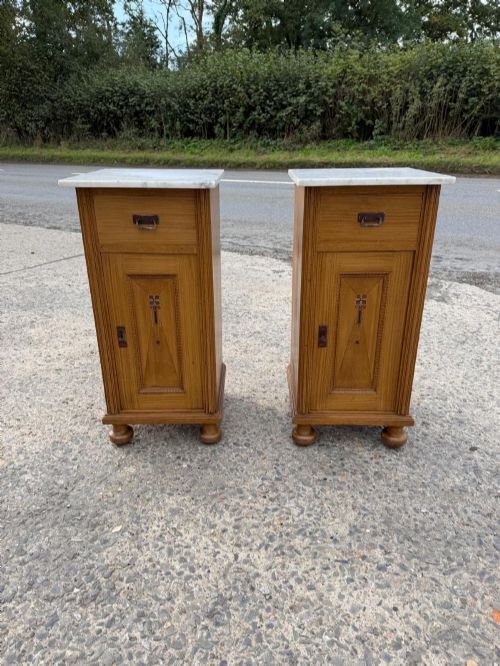
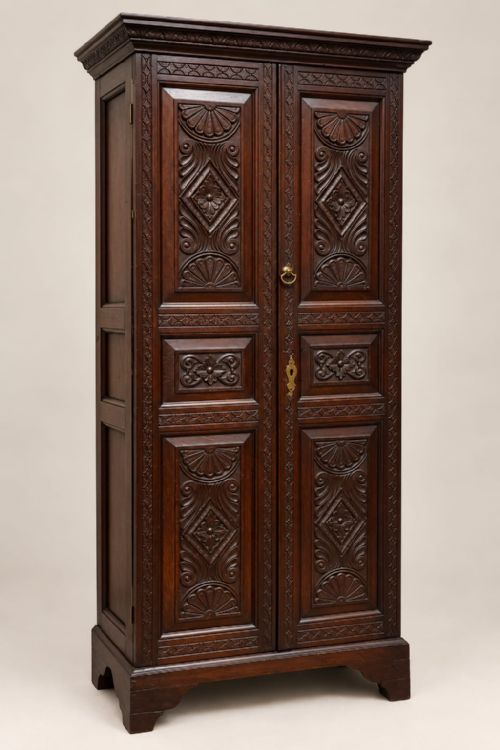
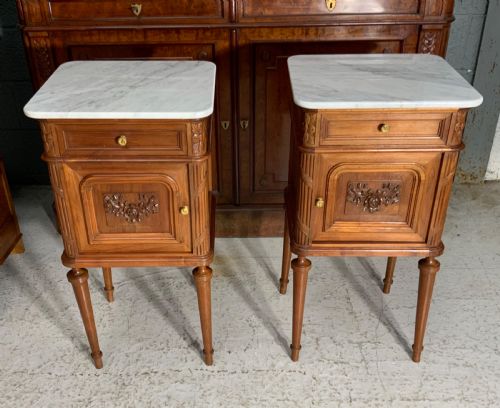
The selection includes diverse regional styles such as French walnut bedside cabinets, Japanese shodona displays, Anglo-Indian hardwood display cabinets, and English oak pieces featuring linenfold carving or Green Man motifs.
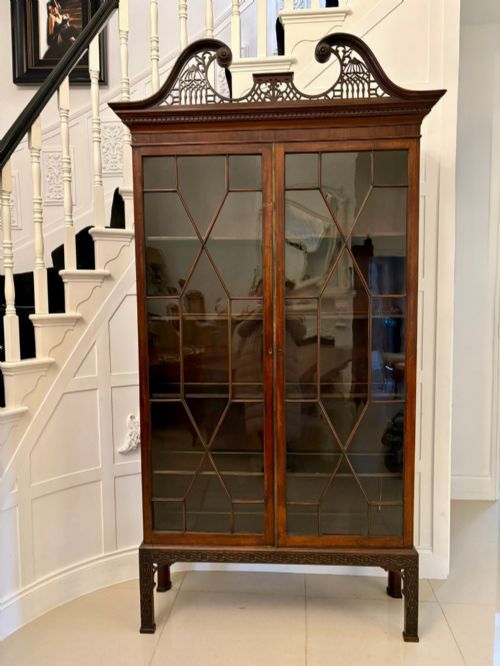
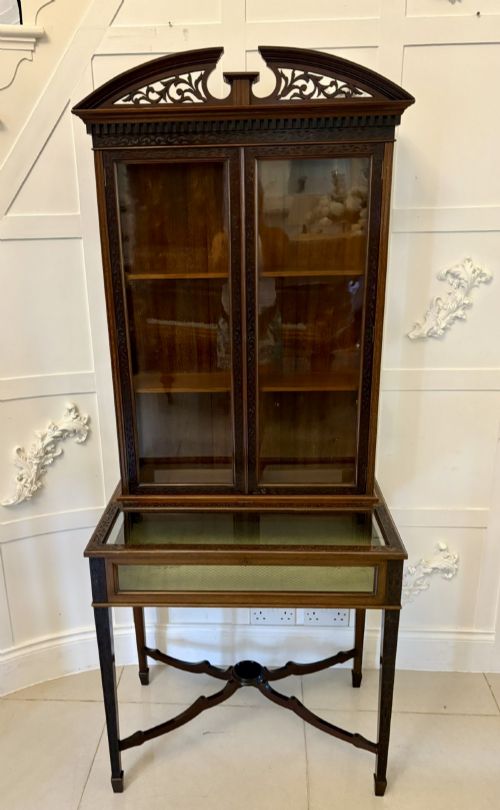
Domestic forms range from compact bedside units and pier cabinets to large Victorian astral glazed bookcases, offering solutions for specific interior spaces and storage requirements.
How they were made
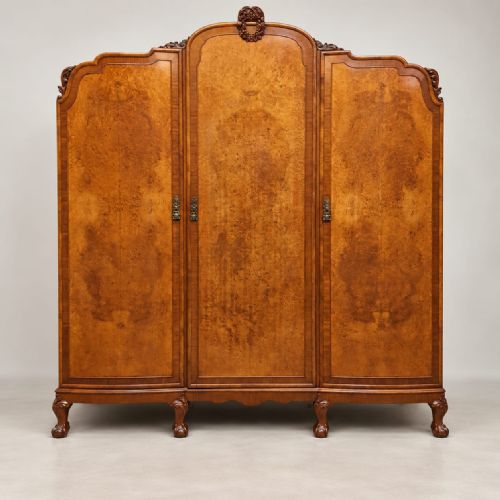
Cabinet makers utilised a rich palette of timbers, pairing structural woods such as oak and mahogany with decorative veneers like burr walnut, pollard oak, and rosewood. These cabinets often incorporate glass panels for display sections, brass hardware for handles and fittings, and occasional marble tops.
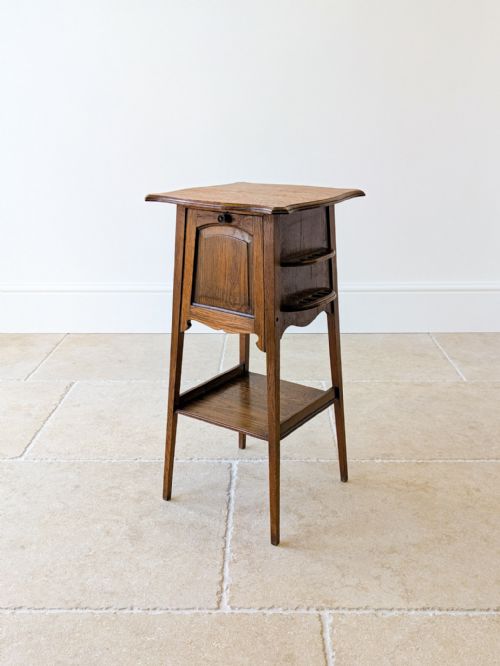
Construction techniques combine traditional joinery with surface decoration including floral marquetry inlay, red lacquer finishes, ebonisation, and intricate hand carving characteristic of the Renaissance Revival, Gothic Revival, and Arts and Crafts movements.
Listings feature items built from mahogany, burr walnut, oak, walnut, hardwood, and marble across multiple centuries.
What varies in quality
The standard of an antique carved cabinet rests upon the selection of timber figures, particularly the grain matching visible in burr walnut and pollard oak surfaces. Finer examples display meticulous execution in hand-carved elements, such as linenfold panels or figural motifs.
Structural integrity and the retention of original fittings, glass, and hardware distinguish superior pieces. The sophistication of internal arrangements, from adjustable shelving to specialised compartments in desks and cocktail cabinets, separates workshop standards.
Gillows·Bowman Brothers
The Antique Carved Cabinet Glossary
- Linen press
- A tall cupboard traditionally used for storing folded linen, typically featuring sliding trays or drawers enclosed by doors above a base section.
- Shodona
- A Japanese multi-tiered display cabinet or shelf unit designed for the arrangement of decorative objects.
- Marquetry
- The art of applying decorative pieces of veneer to a structure to form intricate floral or geometric patterns.
- Pier cabinet
- A narrow cabinet designed to fit against the wall space between windows.
- Chiffonier
- A compact sideboard or low cupboard developed during the nineteenth century, often fitted with shelves or a mirror back.
Antique Carved Cabinet: Frequently Asked Questions
What is a linen press used for?
A linen press provides deep internal storage using sliding trays or shelves enclosed behind large cupboard doors. These pieces suit bedrooms and landings for organising folded garments and textiles.
Historically, they stored household linens before modern wardrobe designs became standard in domestic interiors.
How do I identify an Arts and Crafts cabinet?
Arts and Crafts cabinets emphasise visible construction, natural materials, and unpretentious form. They frequently employ plain oak with hand-hammered copper or brass hinges and subtle carved details.
These pieces reflect a rejection of mass-produced industrial ornament in favor of traditional craftsmanship.
Where should I place a cocktail cabinet?
A cocktail cabinet functions well in living rooms, dining spaces, or reception rooms where entertaining takes place. Their fitted mirrored interiors and glass shelves display glassware and bottles.
These pieces often feature drop-front writing surfaces that double as preparation ledges for mixing drinks.
What is the difference between a bookcase and a display cabinet?
A bookcase provides open or glazed shelving intended primarily for holding collections of books. They emphasise adjustable shelf heights to accommodate varying volumes.
Display cabinets incorporate glass doors and occasionally mirrored backs to showcase decorative ornaments and ceramics from all angles.