


Victorian Cabinet on Stand
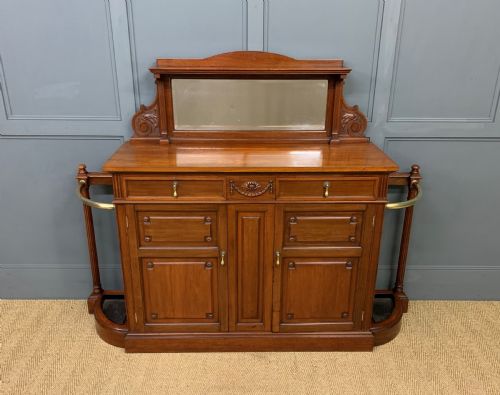
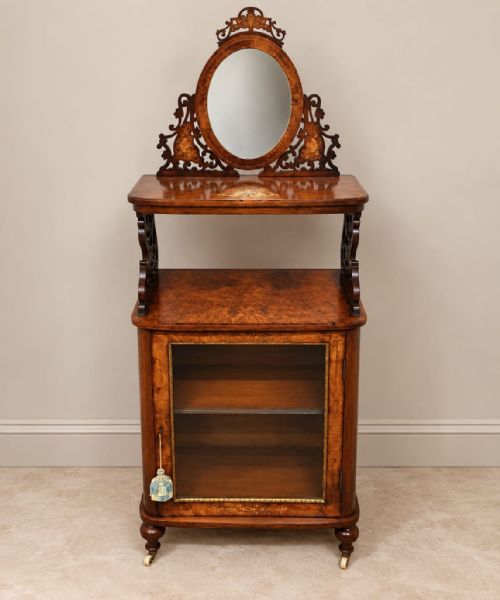
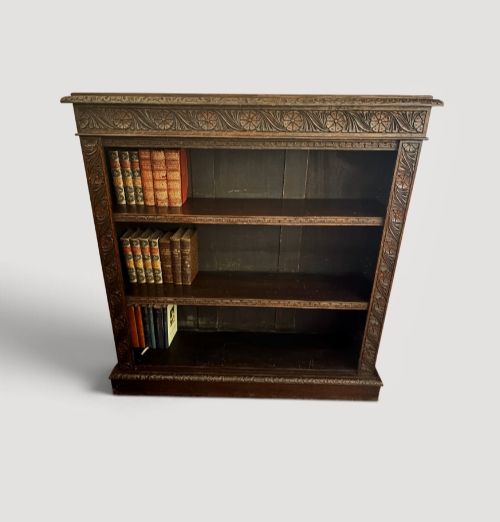
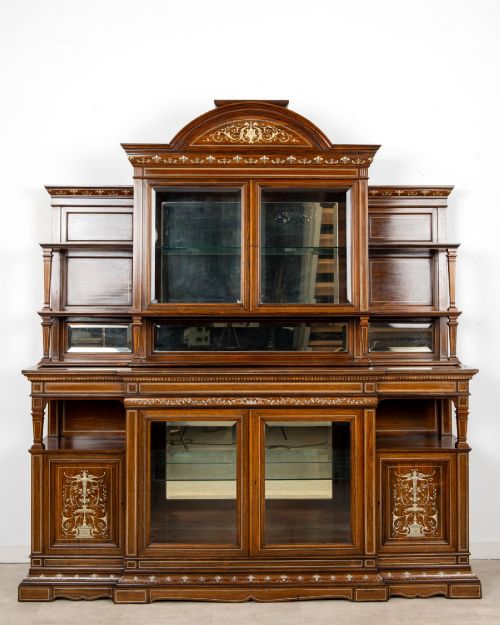
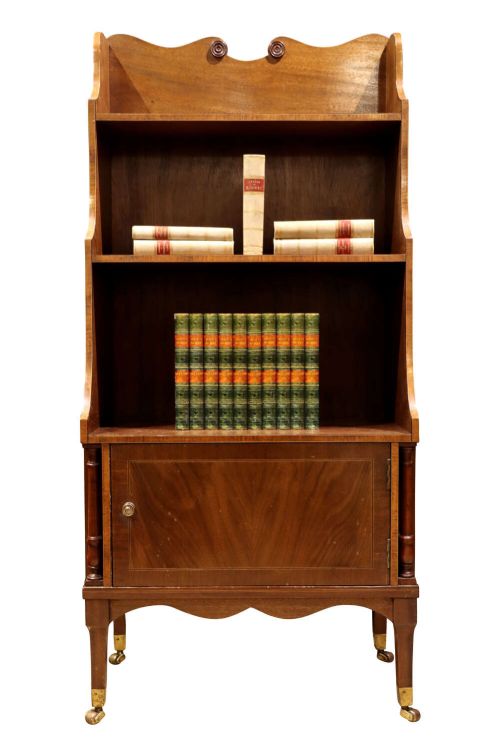
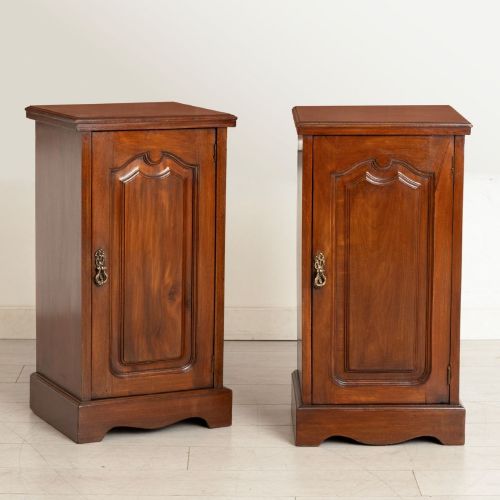
When you search for victorian cabinet on stand, you find raised furniture built to hold collections, books, and curiosities with distinct architectural presence.
Victorian Cabinet on Stand
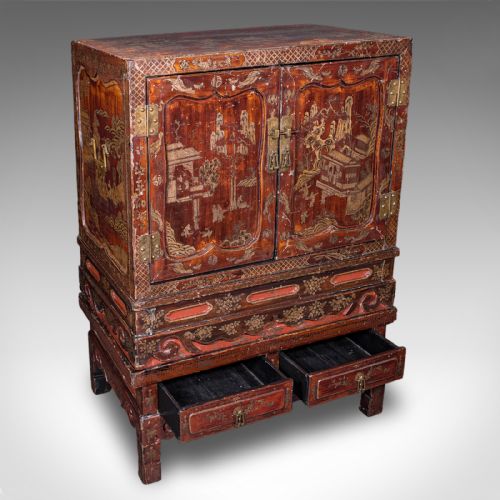
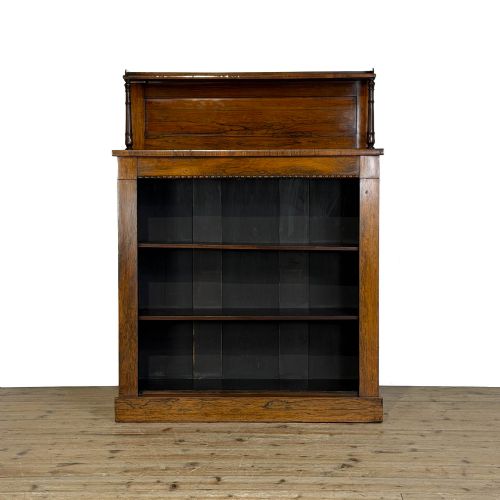
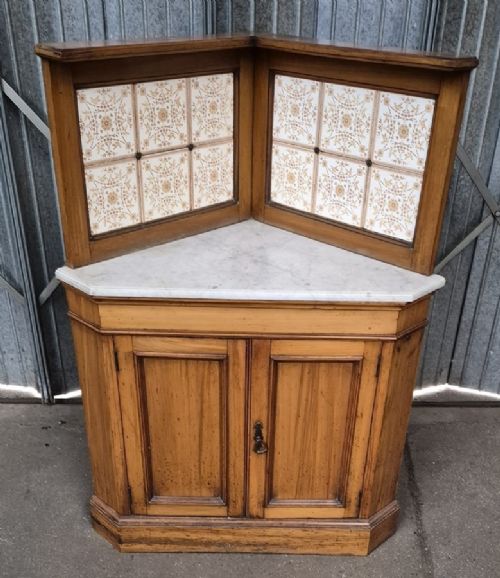
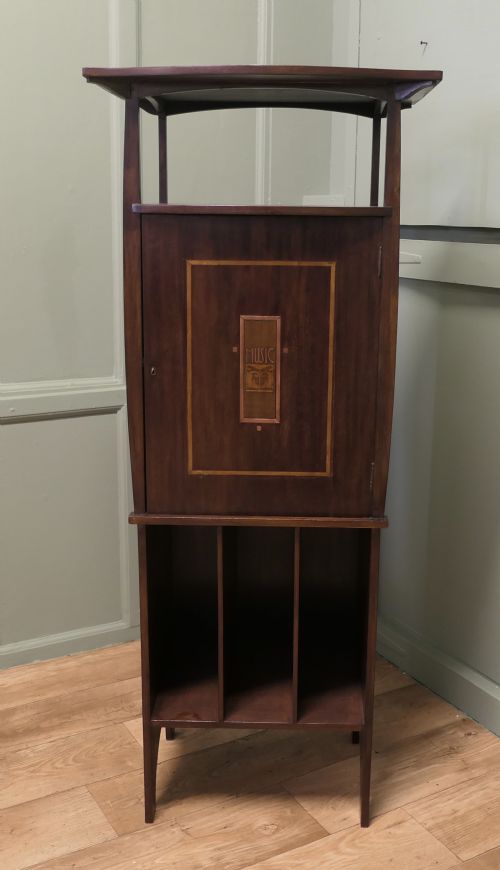
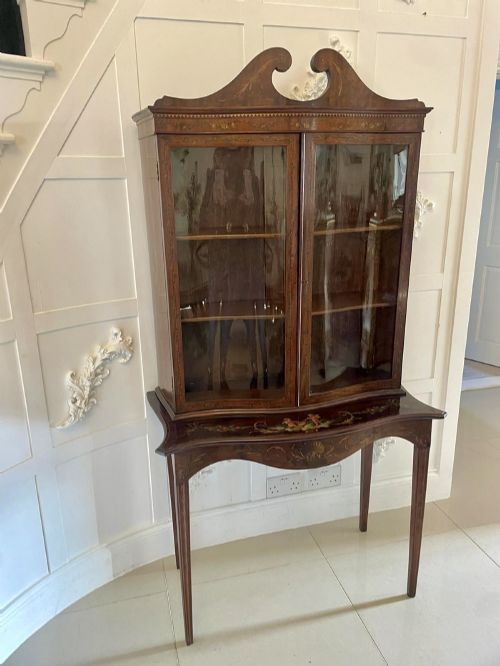
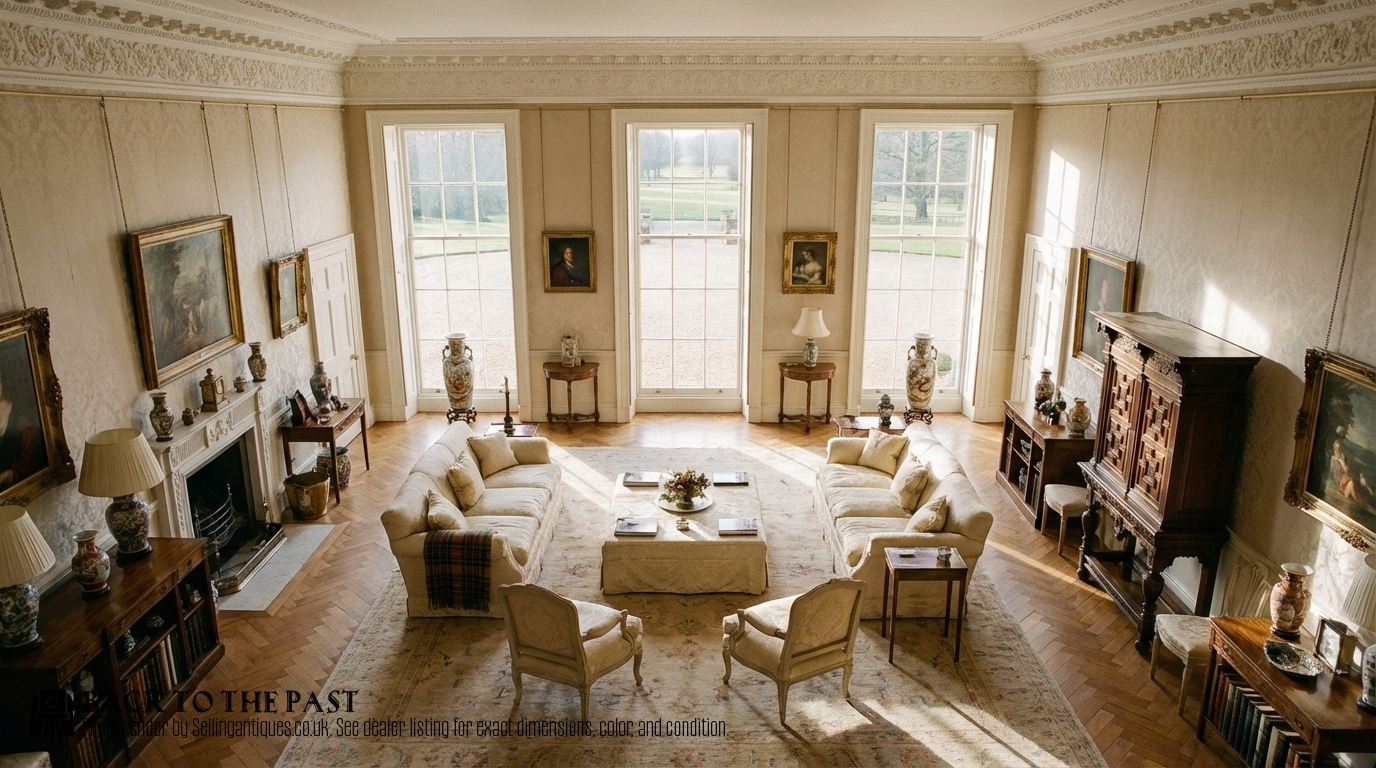
A victorian cabinet on stand combines a closed cupboard or display section elevated on legs, a base frame, or an open stand. The pieces appearing here span the nineteenth century, including specific dates from the eighteen-sixties through the early nineteen-hundreds.
The format ranges from tall museum and collectors units with multiple internal drawers to smaller display cabinets, music cabinets, and corner cupboards raised from the floor. Walnut, mahogany, and oak form the primary bodies, often supported on stands fitted with brass castors or bracket feet.
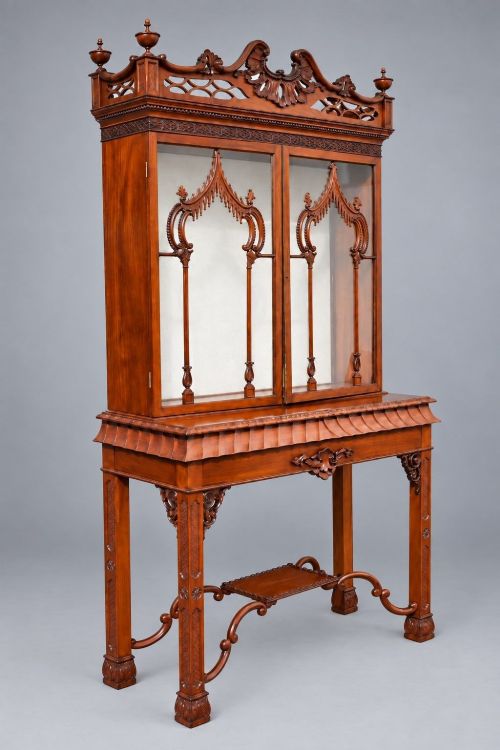
Makers and retailers of the period utilised revival styles including Gothic, Chinese Chippendale, Sheraton, and Arts and Crafts, alongside Chinoiserie decoration and bamboo construction to satisfy varied domestic tastes.
Materials and Technique
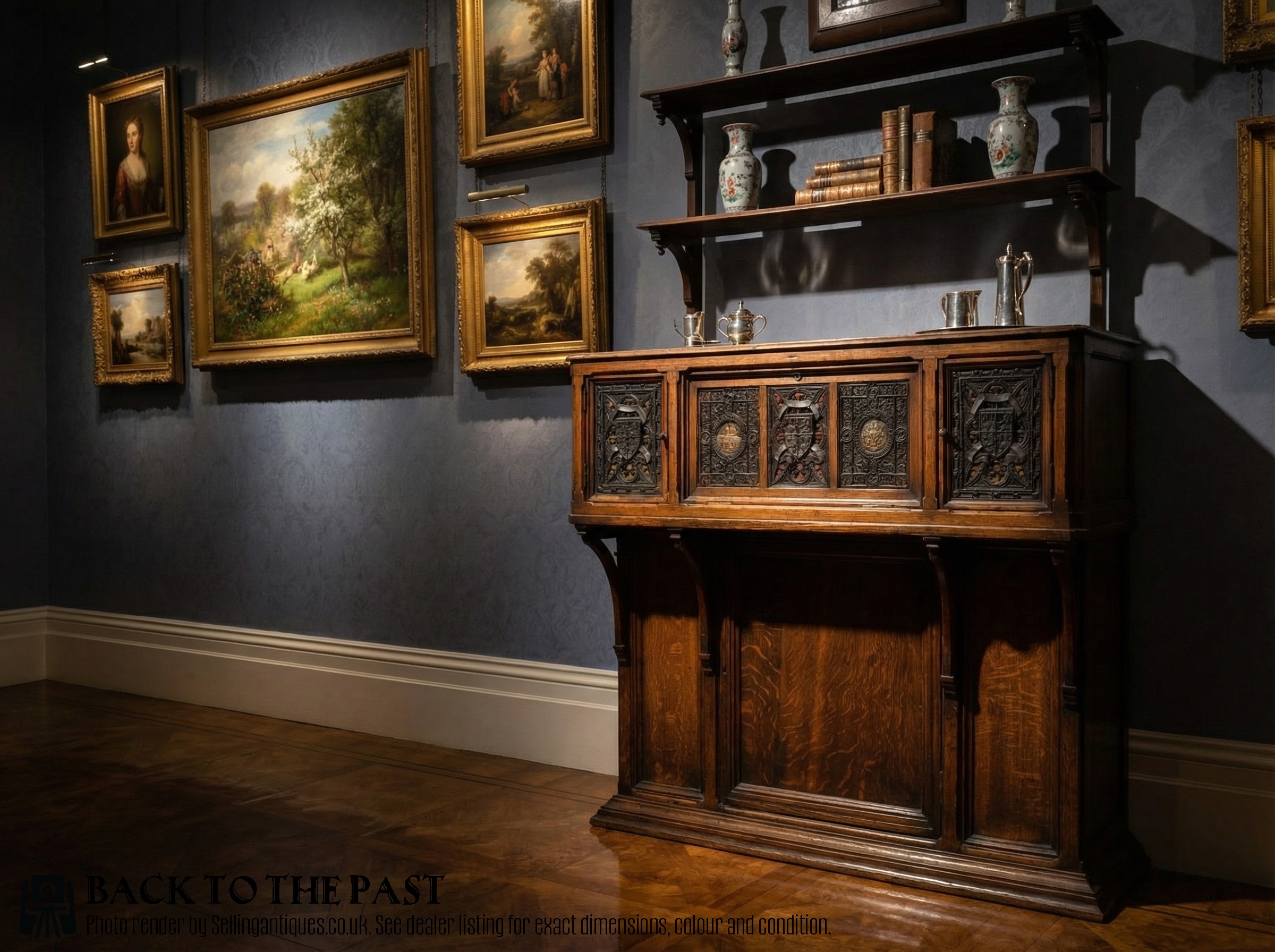
Cabinetmakers worked predominantly in hardwoods such as mahogany, walnut, burr walnut, and rosewood, applying figured veneers to main surfaces while employing pine and oak for internal framing and secondary drawer linings.
Construction techniques involve dovetail joinery for drawers, mortise and tenon frames, and delicate inlays of contrasting woods, brass stringing, and hand-painted decorations.
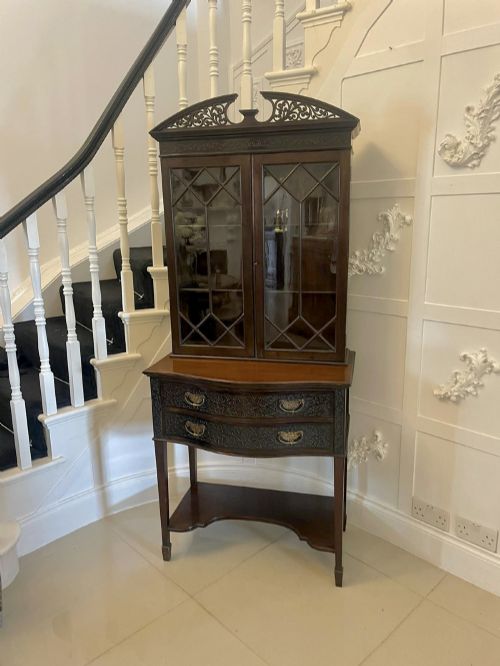
Glazing takes the form of astragal bars framing glass panel doors, while specialised pieces incorporate bronze plaques, marble tops, or lacquered panels.
Secret compartments hidden within nineteenth-century collectors cabinets reward curious buyers with unexpected miniature drawers.
Judging Quality
The standard of a victorian cabinet on stand rests on the choice of timber figure, such as highly figured burr walnut or dense mahogany, matched across the doors and panels rather than pieced together from lesser scraps.
Secondary elements indicate execution standard: finely cut brass inlay, well-fitted internal drawers with clean linings, and crisp hand-carving rather than moulded composition ornament.
Proportion between the upper cabinet and the supporting stand dictates visual success, where sturdy leg framing or integrated stretchers provide stable balance without heaviness.
Walker And Sons·Gm Elwood·Js Henry·Gabriel Viardot·Shoolbred And Co·Collinson And Lock·Liberty And Co·Leonard Wyburd·Edwards And Roberts·Druce Of Bakers Street·Standish
The Victorian Cabinet on Stand Glossary
- Stand
- A supporting frame, legs, or base elevating a cabinet above floor level. Many Victorian variants place heavy storage or display boxes on open stretchers or turned legs.
- Canterbury
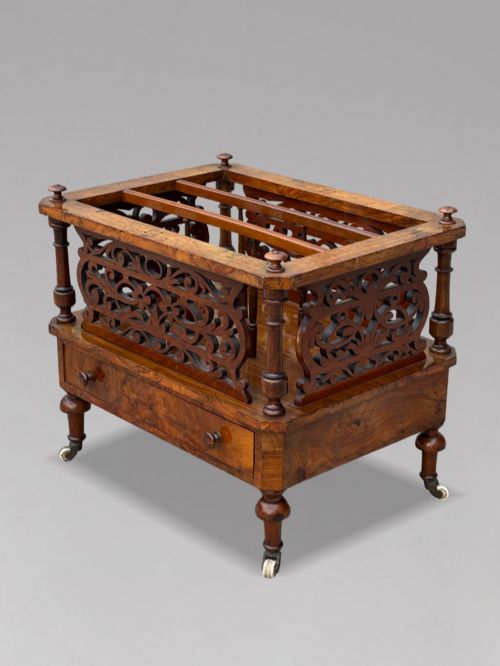
- A small stand with slatted or divided partitions designed to hold sheet music, portfolios, or periodicals. These often feature low drawers and turned supports.
- Escritoire
- A writing cabinet featuring a drop-front writing surface concealing internal pigeonholes and small drawers. This form frequently sits upon an elevated stand or chest base.
- Marquetry
- Decorative woodwork where veneers of different coloured timbers are fitted into a ground to form geometric or floral patterns. It appears frequently on high-status Victorian walnut furniture.
- Astragal
- A small moulded strip of wood or metal used to hold glass panes within a cabinet door. Fine examples feature narrow, hand-shaped profiles.
Victorian Cabinet on Stand: Frequently Asked Questions
What is a victorian cabinet on stand used for?
These pieces served multiple domestic and institutional functions, from displaying porcelain and curiosities to housing specialised collections of coins, shells, or stationery. The elevated design kept contents away from damp cold floors while offering organised storage behind glazed or solid doors.
In modern rooms, they function well as display furniture in living spaces or as specialised storage units that utilise vertical space without overwhelming a floor plan.
How do I identify a true nineteenth century piece?
Authentic pieces show period construction methods inside and out, including hand-cut dovetails on drawer boxes, native secondary timbers like oak or pine behind mahogany or walnut exteriors, and traditional finishing materials.
Examine the backboards and internal framing for tool marks and consistent ageing that matches the mid to late nineteenth century timeline.
Are stands and cabinets always original to each other?
Most surviving examples were manufactured as unified pieces where the cabinet and stand share identical timber grain, construction wear, and finish. However, some large display boxes or collectors cabinets were later mounted onto custom or matched stands to suit changing decorative fashions.
Checking the joint areas and finish continuity where the cabinet meets the base reveals whether the two components grew together.
How do I care for polished wood and veneer surfaces?
Burr walnut and mahogany require stable room environments away from direct sunlight and heat sources to prevent timber shrinkage and veneer lifting. Regular dusting with a soft, dry cloth preserves the French polished finish.
Applying occasional appropriate wax feeds the old wood without building up heavy chemical residues that dull the natural grain.