




Antique Carved Buddha
When seeking an antique carved buddha, you encounter centuries of regional devotion rendered in wood, stone, lacquer, and metal.
Antique Carved Buddha
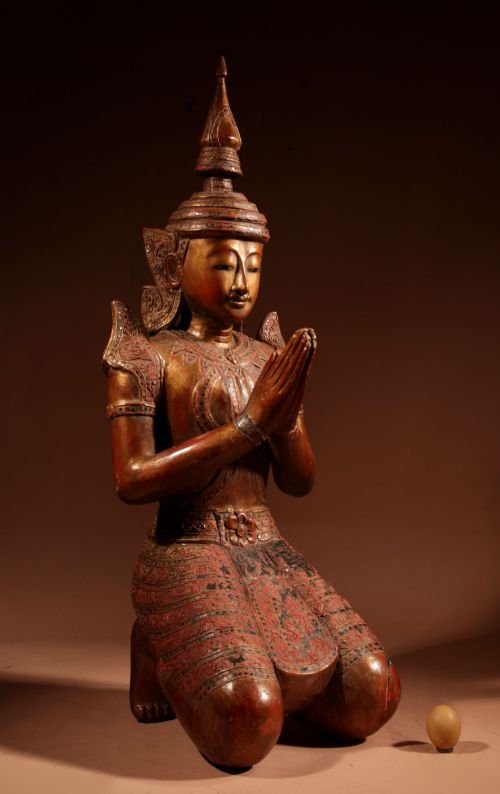
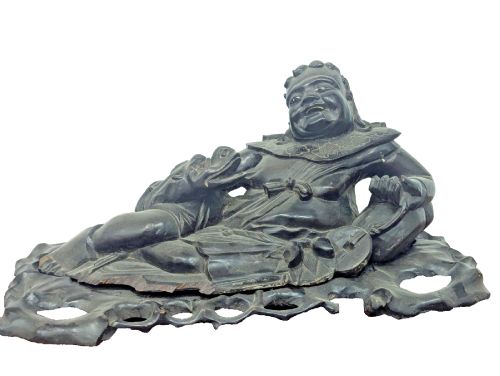
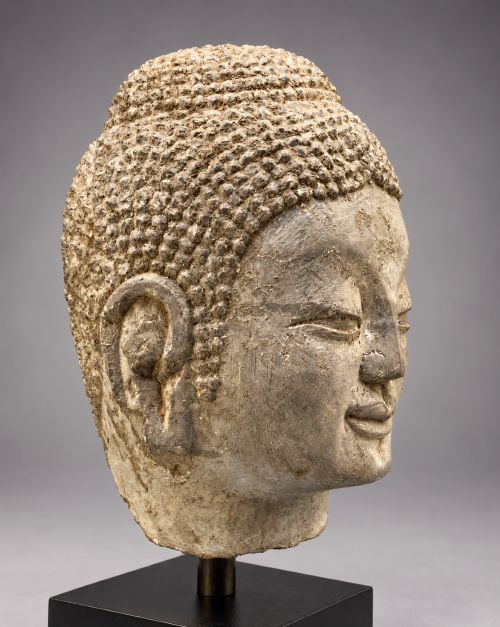
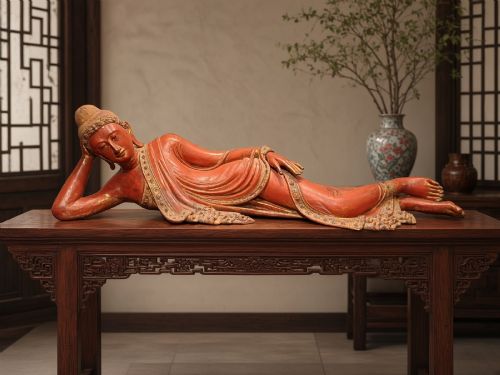
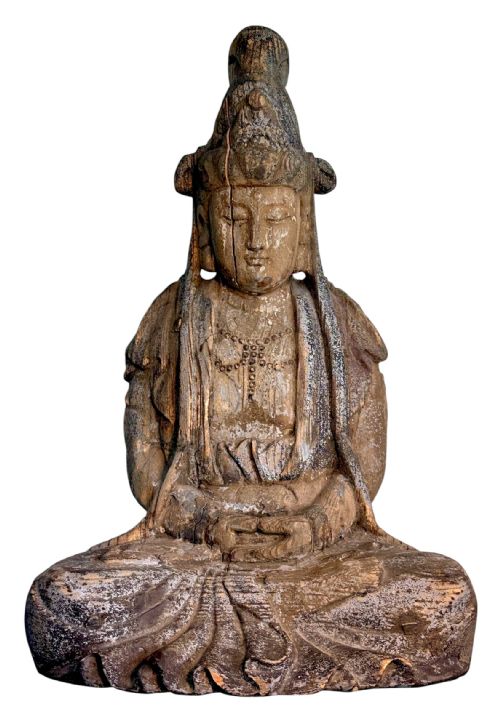
An antique carved buddha encompasses sculptures, temple statues, heads, and pendants originating from China, Burma, Tibet, Japan, and Southeast Asia. These figures span multiple centuries, ranging from Ming Dynasty sandstone and limestone heads to 19th-century Burmese reclining statues and Chinese Qing Dynasty hardwood and polychrome wood carvings.
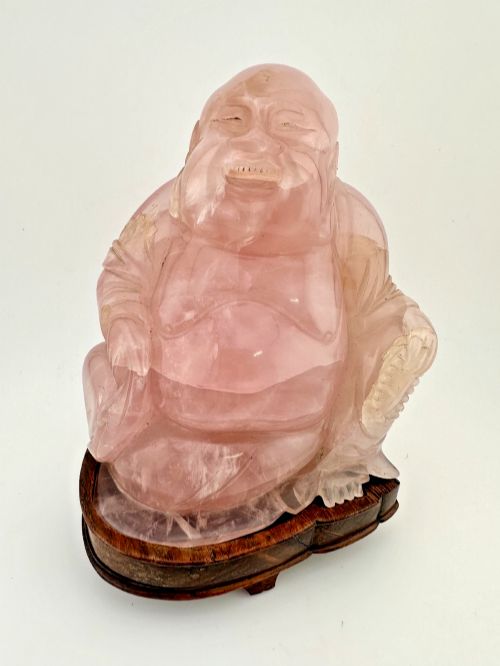
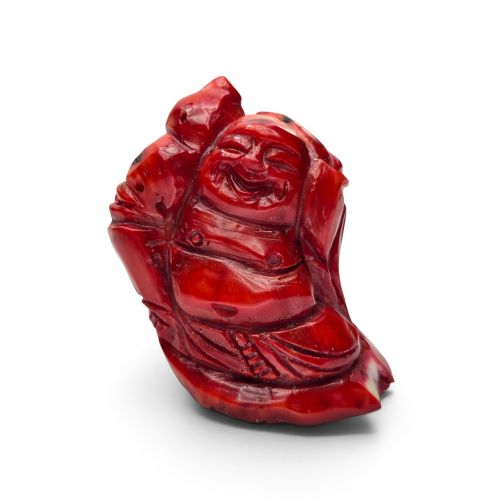
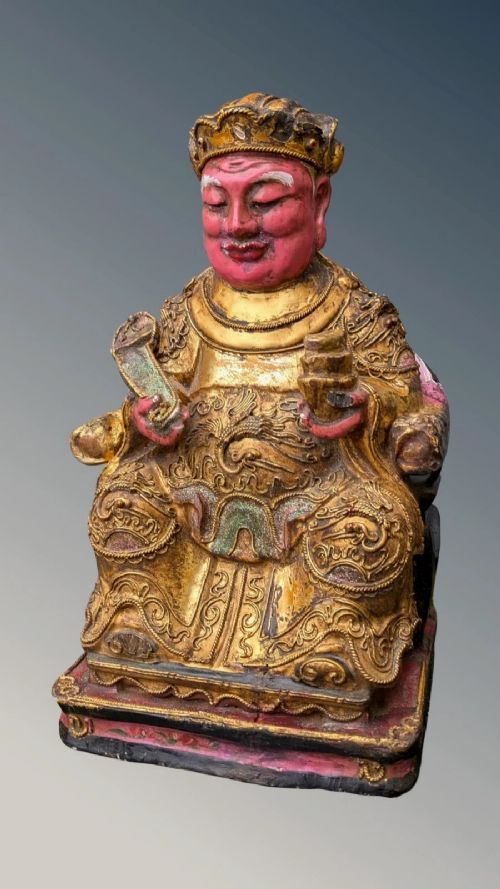
The pieces on this page appear in various forms, including large temple figures, seated and standing deities, corpulent Budai representations, and small personal pendants. Materials extend from carved wood, gilt wood, and lacquer to white marble, soapstone, sandstone, and jadeite, reflecting diverse regional spiritual traditions.
Regional styles dominate the selection, with distinct stylistic markers separating Chinese Qing and Ming Dynasty works from Burmese Mandalay period figures and Tibetan sculptures. Buyers frequently encounter wooden devotional figures alongside stone fragments, gilt metal statues, and lacquered temple deities.
How They Were Made
Carvers shaped these figures primarily from dense hardwoods, sandalwood, and rosewood, or chiseled them from blocks of white marble, sandstone, limestone, soapstone, and jade. Artisans frequently applied gesso as a smooth preparation layer before finishing surfaces with gold leaf, gilt wood, or polychrome paint.
Lacquered pieces received multiple coats of tree sap resin built up over carved wood cores, sometimes incorporating carved details or inlaid elements. Sculptors working in temple contexts utilised high relief carving techniques to articulate drapery, facial expressions, and symbolic attributes on large-scale figures.
Antique Carved Buddha Retail Price Guide 2026
Typical asking prices for carved buddha among the pieces listed under this phrase on Sellingantiques today, from the lower quarter to the upper quarter. They describe what is for sale here now, not the wider market.
Listings feature wood, stone, jade, and lacquer materials spanning the Ming Dynasty to the 20th century.
What Varies in Quality
Proportion and stance affect visual impact, where balanced reclining forms or stable seated postures display the sculptor's command over heavy stone or recalcitrant hardwood. The depth and undercut of relief carving separate ambitious temple guardians and ritual figures from simpler, flatly rendered domestic pieces.
The Antique Carved Buddha Glossary
- Budai
- A representation of a stout, laughing monk traditionally associated with contentment and abundance in Chinese traditions. This form appears frequently in hardwood, soapstone, and rose quartz carvings.
- Polychrome
- Painted in multiple colours directly onto wood, stone, or gesso surfaces. This decorative technique survives on numerous temple figures and ritual sculptures.
- Gilt Wood
- Wood surfaces covered with a thin layer of gold leaf or gold paint. Many Asian temple statues utilise this finish to impart a luminous presence.
- Mandalay Period
- A stylistic era associated with Burmese sculpture, known for serene facial expressions and refined monastic robes. Pieces from this period often employ white marble or gilt wood.
- Zushi
- A traditional Japanese portable miniature shrine containing a carved figure inside. These protective enclosures open with hinged doors to reveal the deity within.
Antique Carved Buddha: Frequently Asked Questions
What materials were used?
Artisans carved these figures from diverse materials including hardwood, sandalwood, rosewood, white marble, sandstone, limestone, soapstone, and jade.
Surfaces often feature supplementary treatments such as gold leaf, gesso, polychrome paint, and lacquer layers applied over the carved substrate.
How do I date a piece?
Dating relies on stylistic attribution to specific periods like the Ming or Qing Dynasty, or the Mandalay period in Burma. Material composition, tool marks, and the nature of the remaining polychrome or gilt surface provide further chronological indicators.
Historical context is established by comparing the sculptural conventions, iconography, and regional characteristics against known examples from the same era.
Where did these originate?
These sculptures originate from across Asia, with significant representation from China, Burma, Tibet, Japan, and various Southeast Asian regions. Each area developed distinct sculptural traditions tied to local monastic practices and temple commissions.
Local workshops utilised native materials, resulting in Chinese hardwood and soapstone figures contrasting with Burmese marble and Thai gilded sculptures.
How should I display one?
Large temple figures and statues require stable placement on sturdy surfaces or dedicated wooden stands to support their substantial weight in stone or hardwood. Smaller pendants and seals benefit from secure display environments where their fine carving and patina remain visible.
Placement should account for environmental stability, protecting delicate surfaces like gold leaf and polychrome paint from direct sunlight and fluctuating humidity.