



Antique Car Hood Ornament
These antique car hood ornament pieces are historic motoring ornaments that bring genuine sculptural character to any collection.
Antique Car Hood Ornament
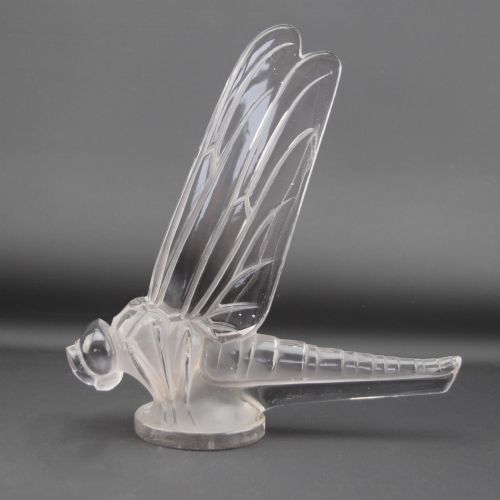
An antique car hood ornament represents a distinct era of motoring history when vehicles wore sculptural figures on their radiators. These objects range from sleek Art Deco figures to detailed animal studies intended to personalise a motor car.
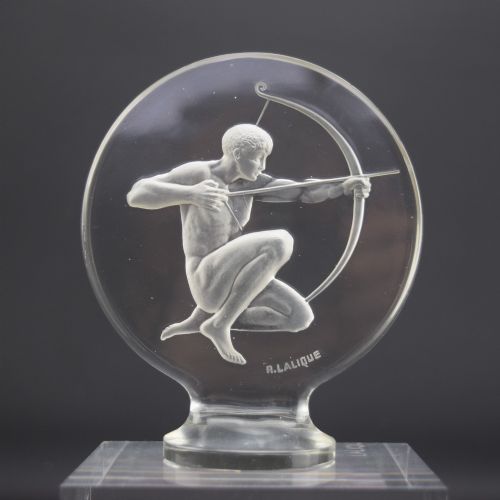
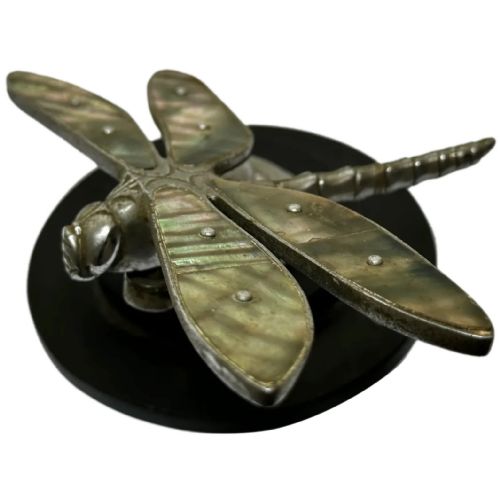
The pieces appearing on this page span the Edwardian period through to the mid-century automobilia era, showing how design shifted across these decades. Most examples take the form of car mascots cast in bronze or moulded from glass.
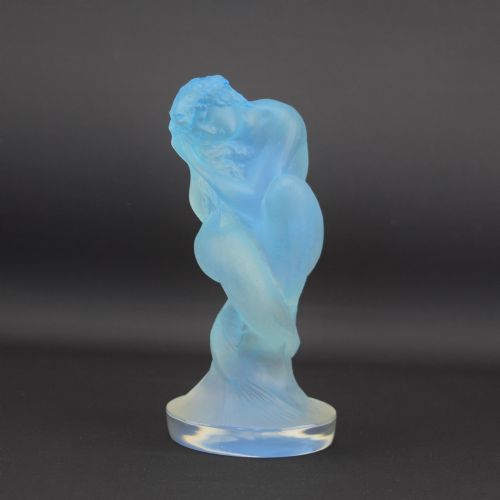
Makers focused on dynamic subjects such as racing greyhounds, nudes, and stylised birds to complement the lines of early automobiles. Buyers will find both figural sculptures and specific glass glassware pieces designed to mount securely on a vehicle cap.
How they were made
Bronze casting forms the backbone of the metal pieces, often finished with cold painting or chrome plating to enhance the surface detail. Founders utilised traditional techniques to capture the fluid movement of figures like the racing greyhound or a nude woman.
Glass mascots rely on moulding and pressing methods, frequently employing opalescent or frosted glass to catch the light effectively. This glass technique allowed makers like Rene Lalique to create translucent effects that glowed when mounted on a radiator cap.
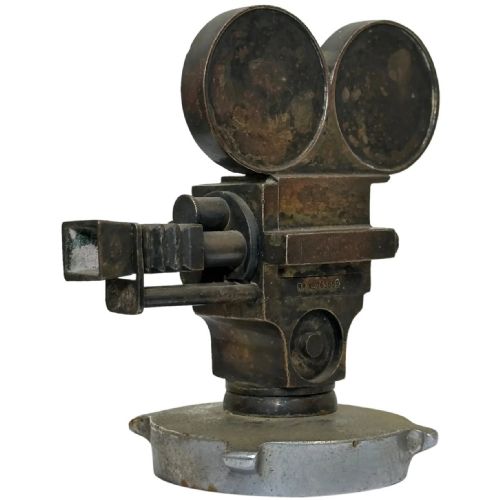
A director reel camera mascot lets motorists pretend their morning commute is an action movie.
What varies in quality
The clarity and depth of the moulding separate standard glass pieces from superior examples, particularly where opalescent tones shift in the light. Finer glass objects retain crisp feather or scale details without the blurring common in lesser production runs.
Rene Lalique·Louis Lejeune·Jose Dunach·Phineas·Desmo
The Antique Car Hood Ornament Glossary
- Car Mascot
- A sculptural ornament mounted on the radiator cap of a motor car. These objects served as both personal statements and decorative accents during the motoring age.
- Opalescent Glass
- Glass that displays milky, milky-blue, or fire-like colour variations when lit from different angles. This material was favoured for its ability to change appearance as light shifted across the bonnet.
- Automobilia
- Collectable items associated with motor cars and motoring history. The term covers mascots, badges, and related sculptures produced throughout the twentieth century.
- Cold Painted Bronze
- A bronze object painted with oil or enamel colours that are not fired in a kiln. This method allowed makers to apply vibrant hues to animal and human figures.
Antique Car Hood Ornament: Frequently Asked Questions
Where were car mascots mounted?
These ornaments were fitted directly to the top of the vehicle radiator cap so drivers and onlookers could see them while travelling. They served as a prominent focal point at the front of the motor car.
Over time, changing safety regulations shifted these sculptures from active road use into display cabinets and collections.
How do I identify glass periods?
Glass pieces from the interwar years often rely on moulded signatures and specific textural qualities unique to the pressing techniques of the decade. Examining the weight and the finish of the frosted areas helps determine the production era.
Matching the design motifs to known periods ensures an accurate understanding of when the piece was cast.
Were bronze mascots painted?
Many bronze figures received a cold-painted finish to highlight details like fur, clothing, or facial expressions. This traditional technique added colour without requiring high-temperature kiln firing.
Over the decades, some of this surface pigment naturally softened or wore away through exposure.
How should I display them?
These sculptures sit well on dedicated wooden or metal mounts that support their original base fittings. Proper placement allows light to pass through glass examples and reveals the patina on bronze.
Keeping them away from direct vibration ensures the safety of delicate wings or extended bronze limbs.