
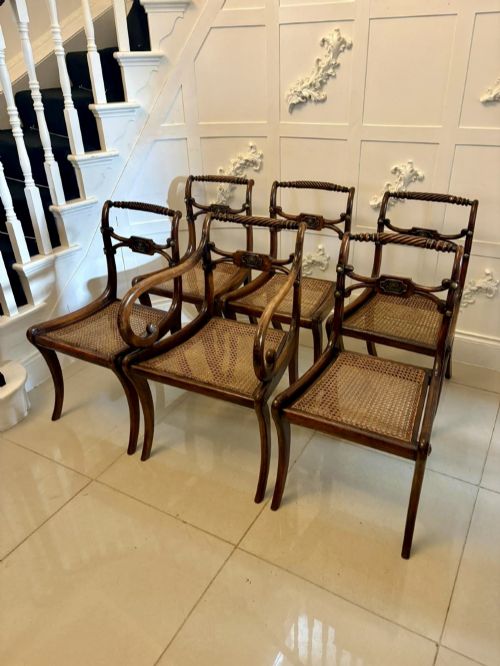
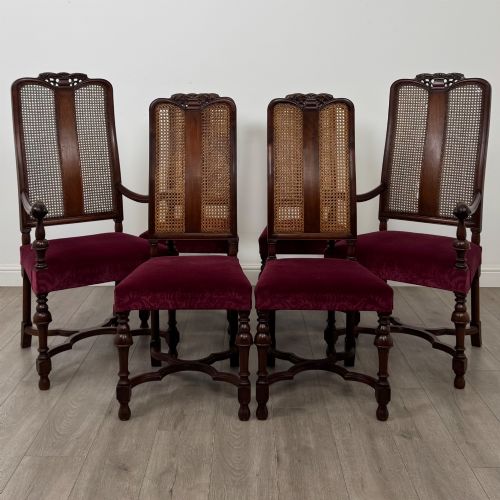
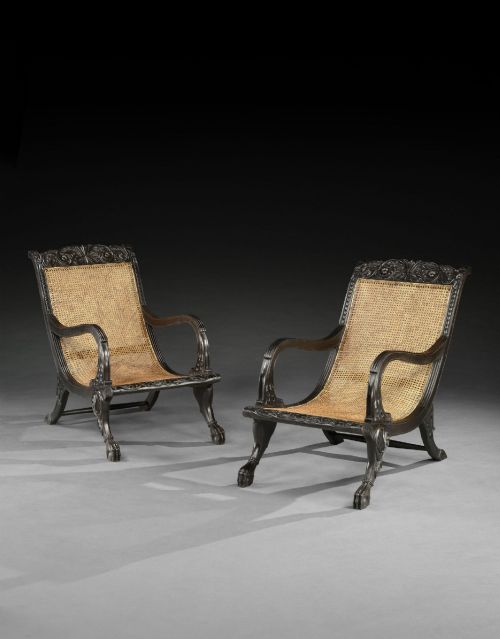
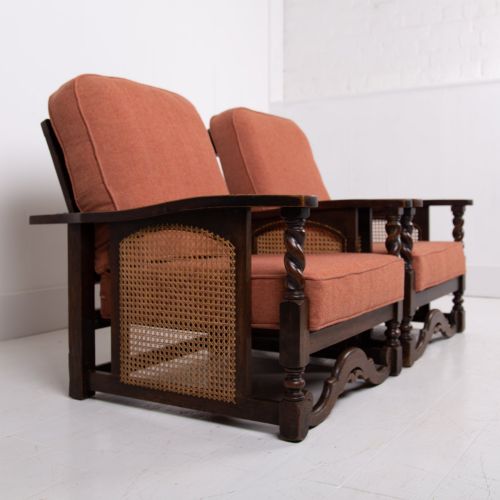
Antique Caned Chair
When you search for an antique caned chair, you encounter centuries of woven plant fibre paired with timber frames that range from country house libraries to formal dining rooms.
Antique Caned Chair
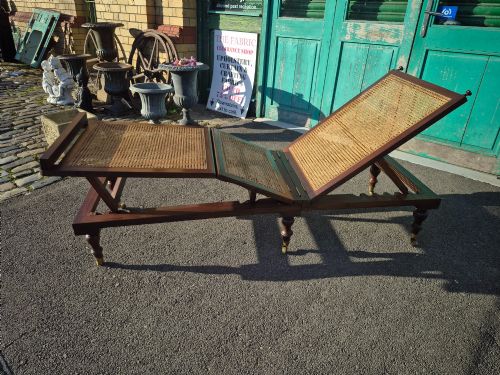
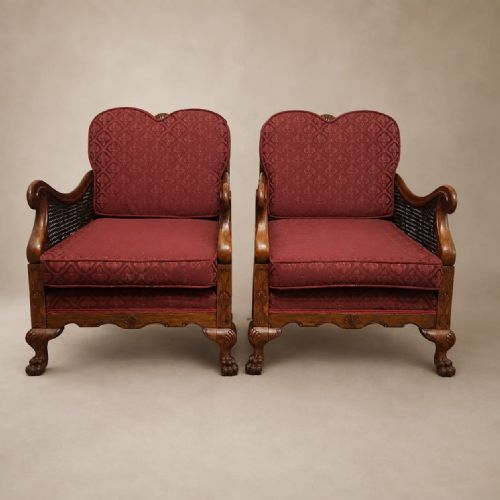
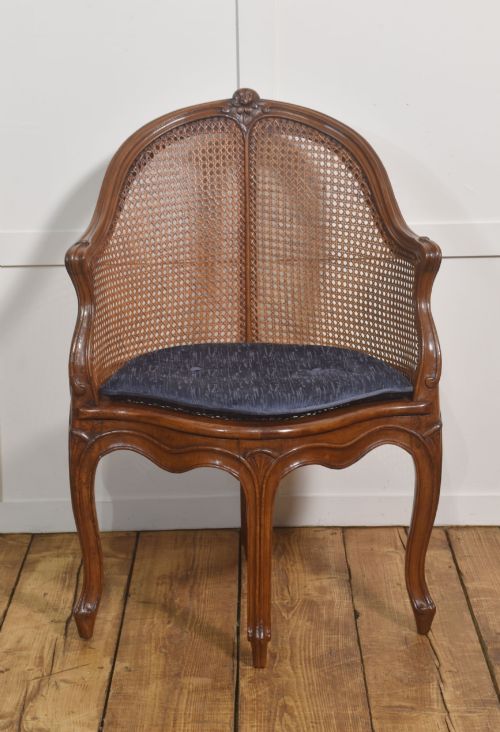
An antique caned chair brings together a timber frame and a woven seat or back panel formed from rattan or split cane. These pieces serve as dining seats, library armchairs, and occasional seating across several centuries of design.
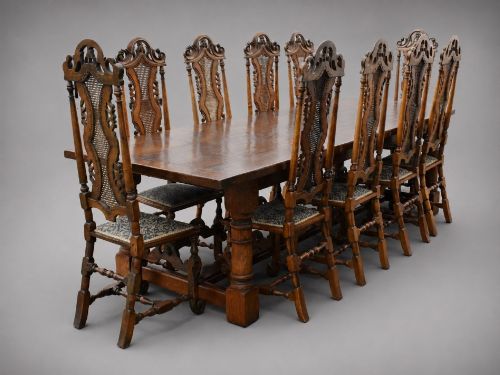
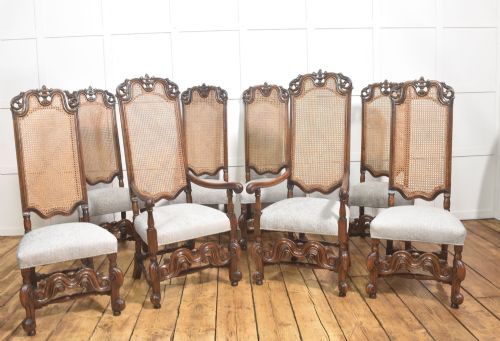
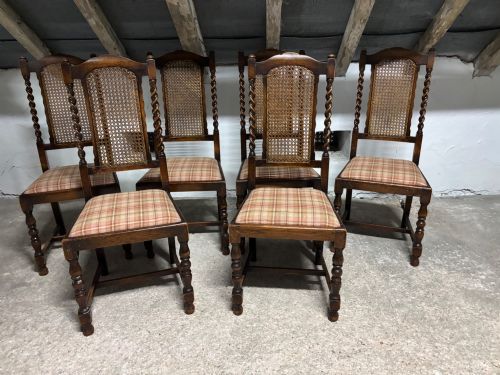
You will frequently meet examples from the nineteenth and early twentieth centuries, alongside revivals spanning from seventeenth-century styles through to the Regency period. Forms vary from simple side chairs to large bergere armchairs and complete dining sets.
The integration of woven cane provides both structural resilience and a lightweight profile that contrasts with solid wood panels. This versatility explains their enduring presence in both formal drawing rooms and relaxed country interiors.
Materials and Construction
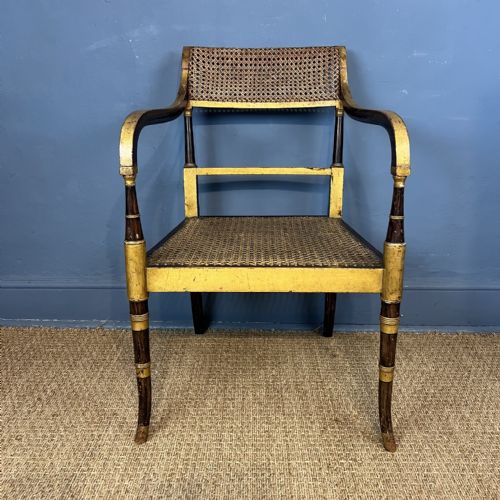
Makers constructed the primary frameworks using native and imported timbers, selecting mahogany, oak, walnut, and beech for their strength and grain. Artisans frequently employed painted finishes, parcel gilding, or ebonising to alter the appearance of the wood base.
The distinctive woven panels utilise rattan cane or split cane, threaded meticulously through pre-drilled holes in the frame by hand. Secondary materials such as brass inlays, leather upholstery pads, and fabric cushions occasionally supplement the woven surfaces.
Antique Caned Chair Retail Price Guide 2026
Typical asking prices for caned chair among the pieces listed under this phrase on Sellingantiques today, from the lower quarter to the upper quarter. They describe what is for sale here now, not the wider market.
The available seating spans the seventeenth, eighteenth, nineteenth, and twentieth centuries, including numerous revival styles.
Distinctions in Quality
The integrity of the woven panel dictates much of the standard, with tight, uniform hand-caning representing superior craftsmanship over loose or machine-woven replacements. The precision of the frame joinery and the retention of original surface finishes further separate standard examples from finer works.
The harmony between the timber frame and the cane work determines the overall visual balance of the seating. Pieces that retain their original paint, gilding, or rich timber patina hold greater integrity than those altered by later interventions.
The Antique Caned Chair Glossary
- Bergere
- An enclosed upholstered armchair with a wooden or cane-panelled back and sides. These seats frequently incorporate loose down cushions for added comfort.
- Cane
- Strips of peeled rattan used for weaving chair seats and backs. This material offers both flexibility and durability under regular use.
- Carver
- An armchair designed with open arms, typically created to match a set of smaller single dining chairs. They usually sat at the head of a dining table.
- Trafalgar
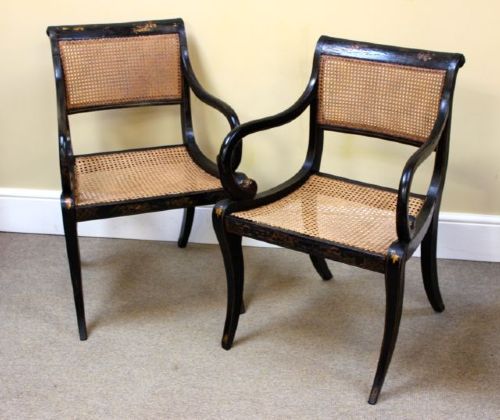
- A nineteenth-century chair style featuring sabre legs and distinctive turned supports associated with the Regency period. These designs often highlighted ebonised finishes.
- Tub chair
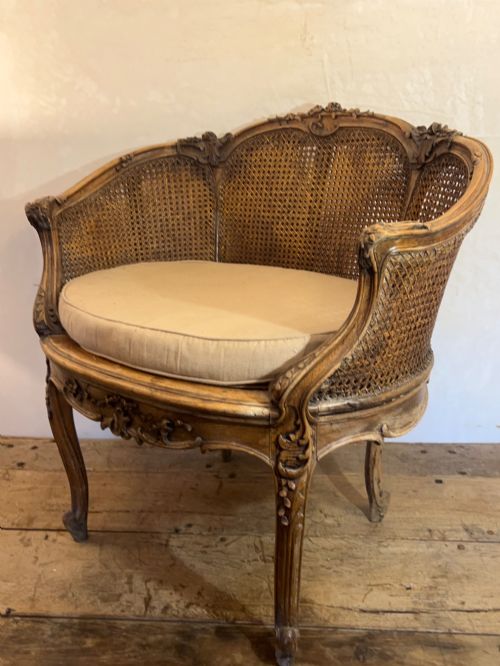
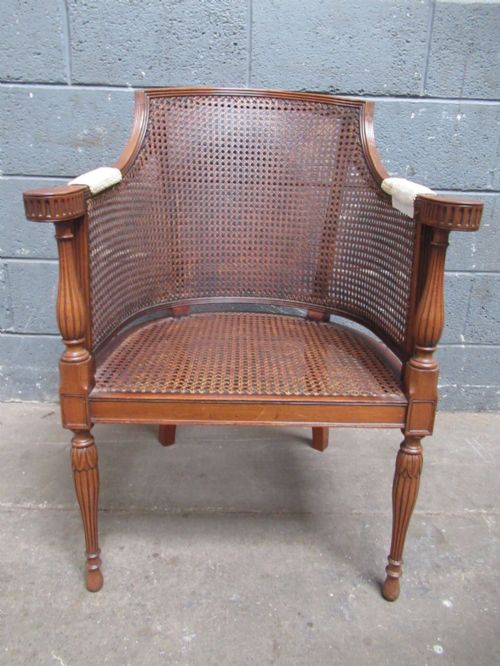
- An armchair featuring a continuous curved back and arms that wrap around the sitter in a semicircular form. They frequently appear with low profiles and caned panels.
Antique Caned Chair: Frequently Asked Questions
How do I care for antique cane seats?
Keep cane panels supple by wiping them lightly with a damp cloth every few months to prevent the natural fibres from drying out. Avoid placing these chairs near direct heat sources or strong sunlight, which can cause the rattan to become brittle.
Distribute weight evenly and avoid kneeling on the woven surface to prevent snapping the individual strands. Professional caners can re-web panels that have sustained damage over time.
Can I use an antique caned chair for daily dining?
Most sturdy dining chairs from the nineteenth and early twentieth centuries handle regular daily use quite well. Check the tightness of the frame joints and the condition of the cane before committing a piece to heavy service.
Adding a tailored fabric or leather cushion protects the woven seat from direct wear while offering a softer sit. Ensure guests avoid rocking back on two legs to preserve the antique joinery.
How do I distinguish a Regency caned chair?
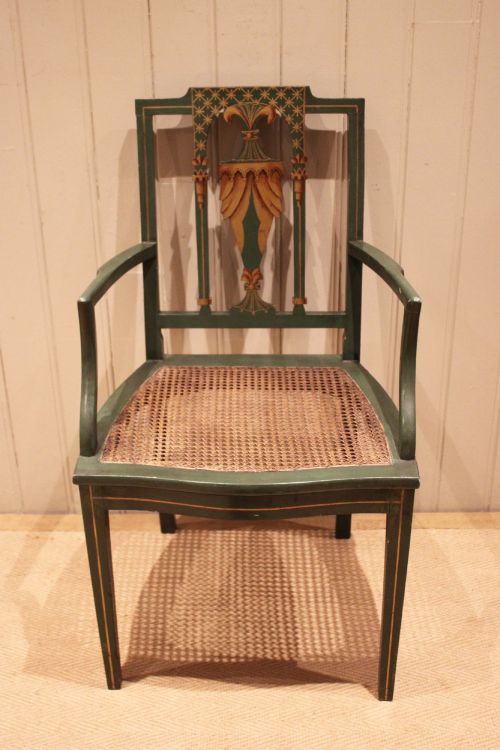
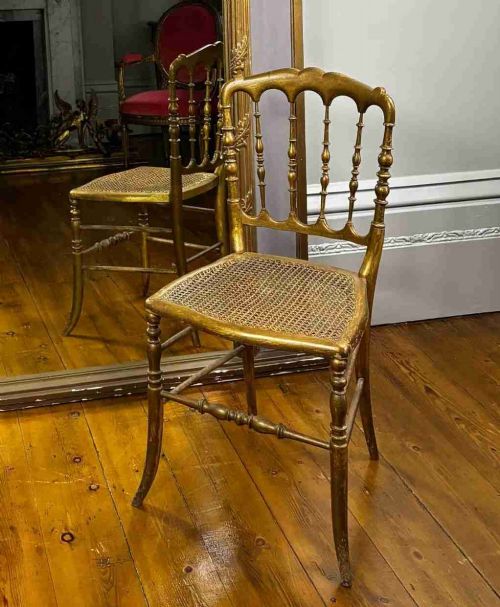
Regency pieces often feature classical motifs, sabre legs, painted or ebonised surfaces, and gilt highlights inspired by ancient Greek and Roman furniture. The frames tend to be lighter in scale and cleaner in line than their heavy Victorian successors.
Look for refined turnings and precise brass inlay work characteristic of the early nineteenth century. Surviving examples frequently maintain their original fine proportions and taut cane work.
What is the difference between a side chair and an armchair?
Side chairs are built without armrests, allowing them to tuck neatly beneath a dining table or sit flush against a wall. Armchairs feature structural arm supports that provide a more enclosed and relaxed seating position for libraries or salons.
Both forms utilise caned panels for backs and seats, but armchairs often present more substantial wooden frames and carved details. Sets of dining chairs typically include a pair of armcarvers alongside several matching side chairs.