
Antique Cane Seating
When you search antique cane seating, you are looking for timeless woven texture and robust timber frames built to endure.
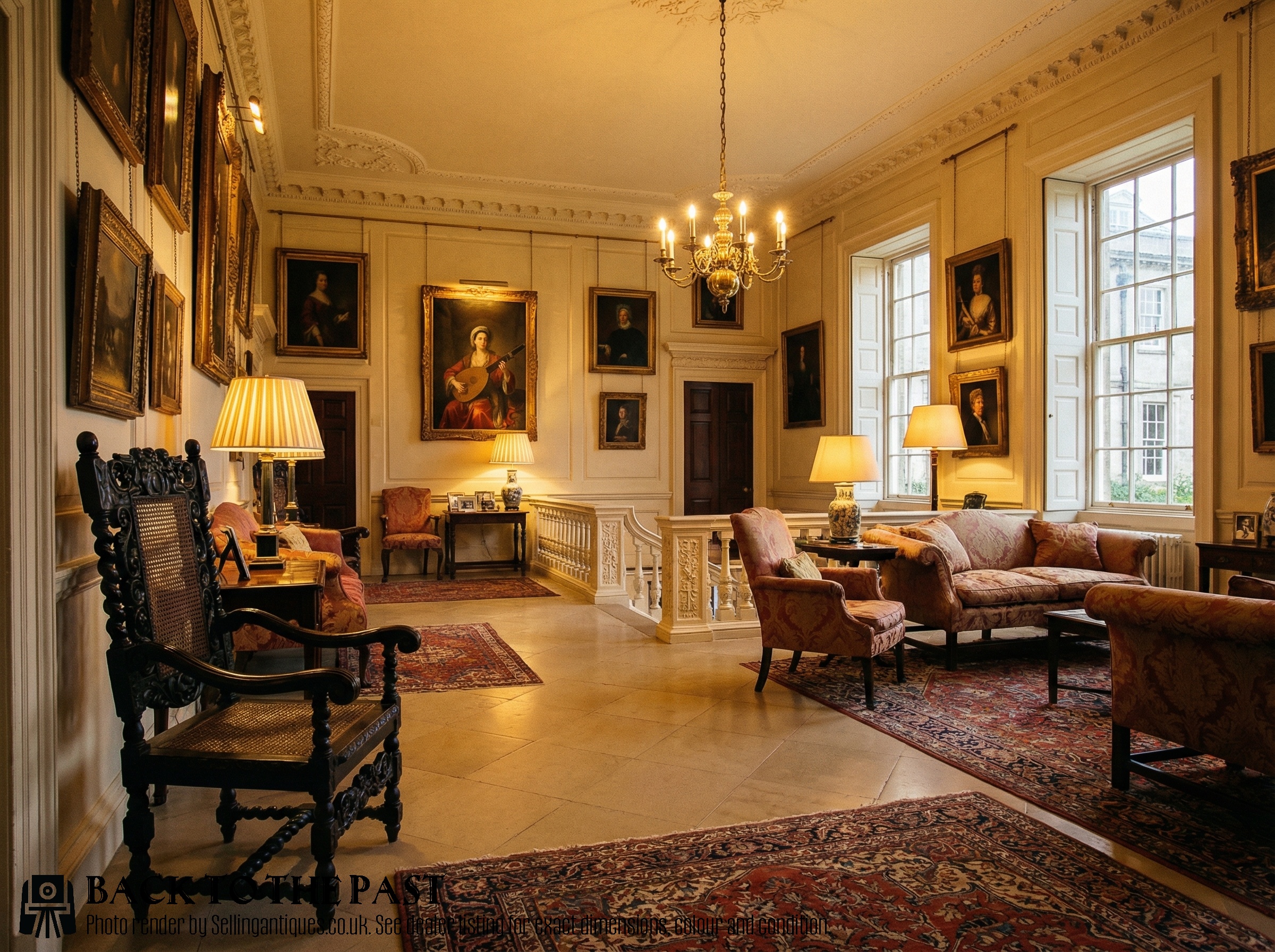
What antique cane seating is
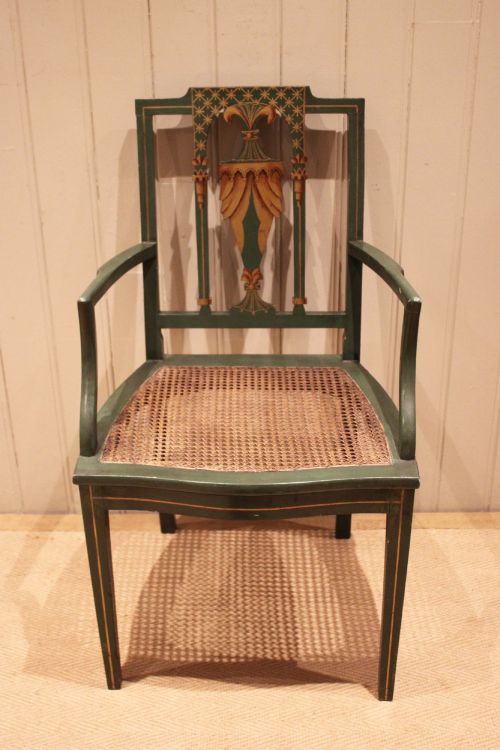
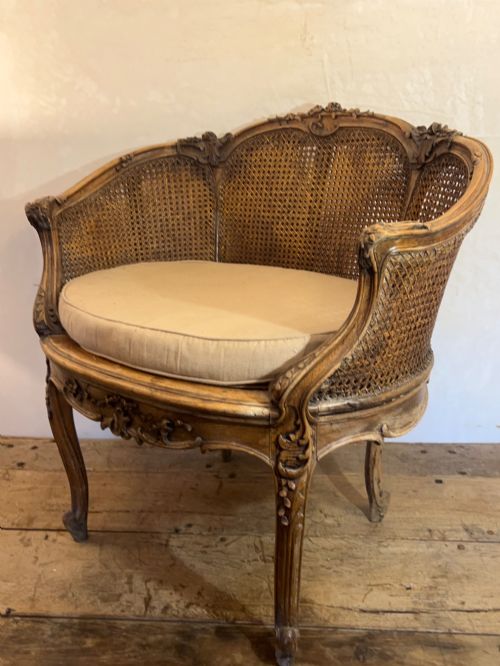
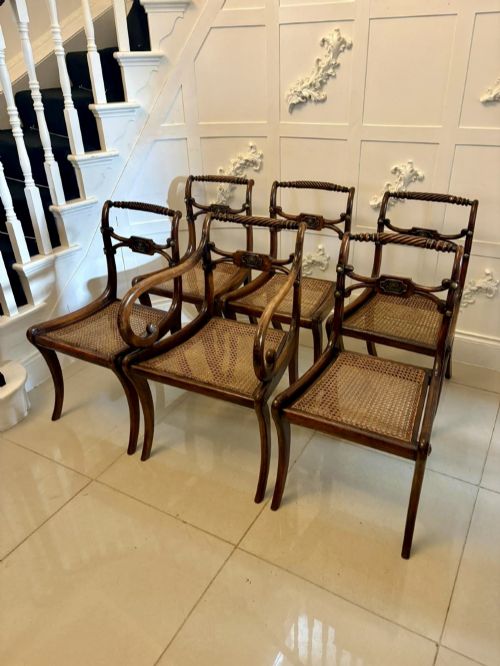
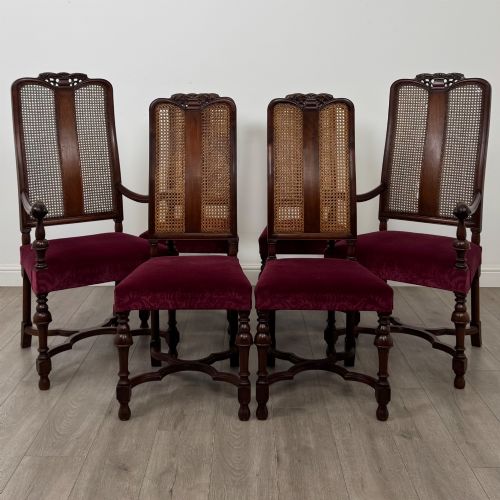
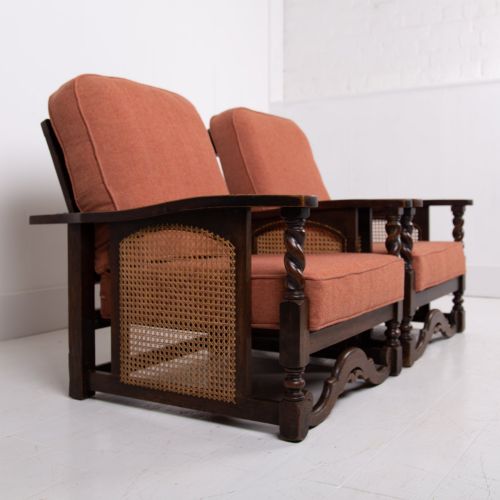
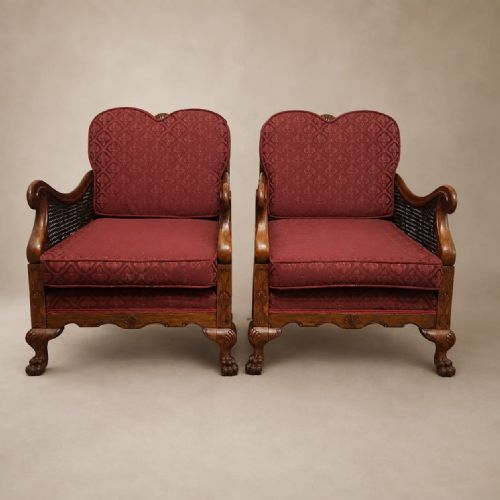
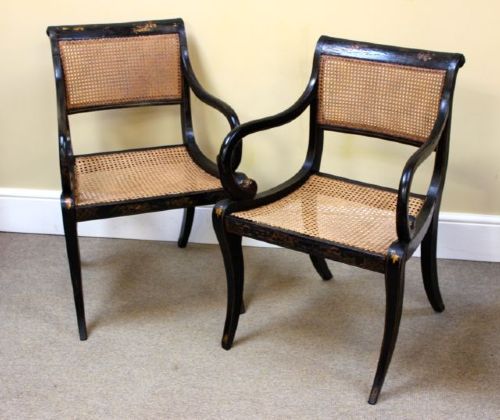
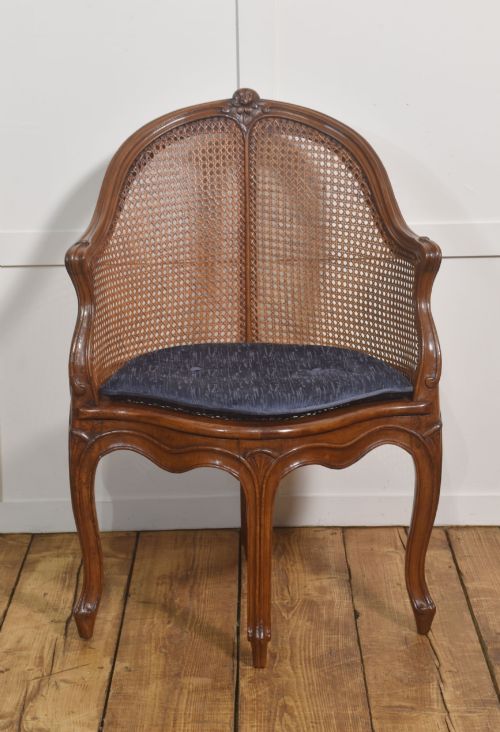
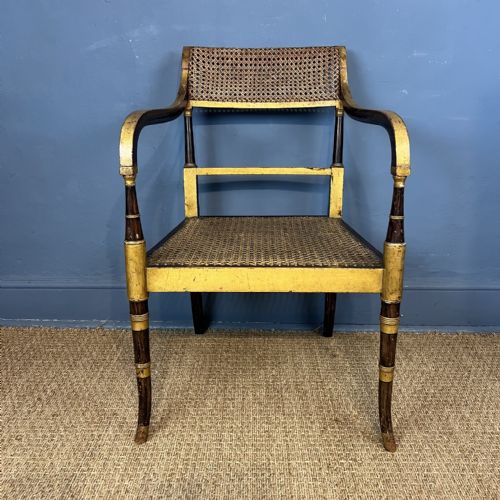
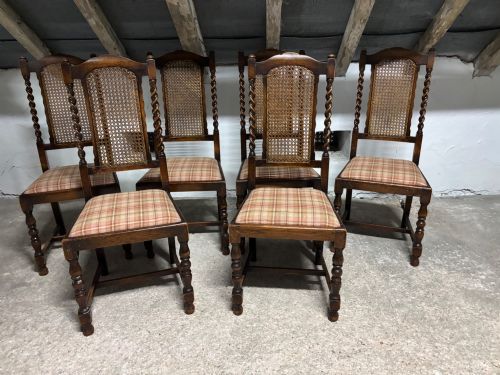
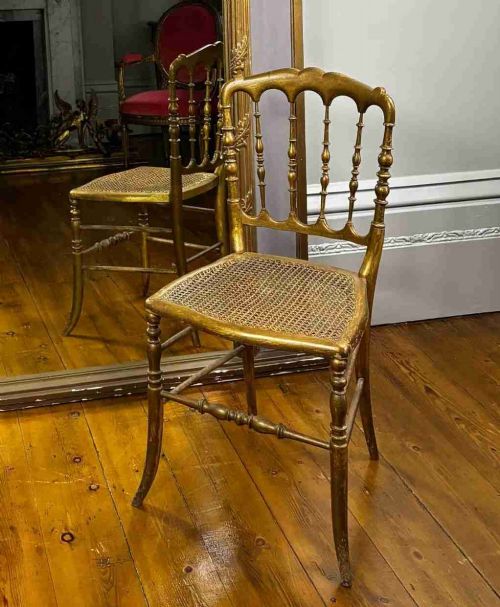
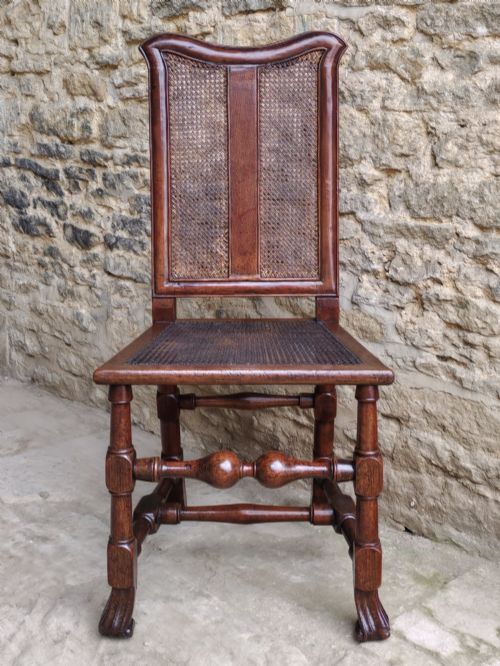
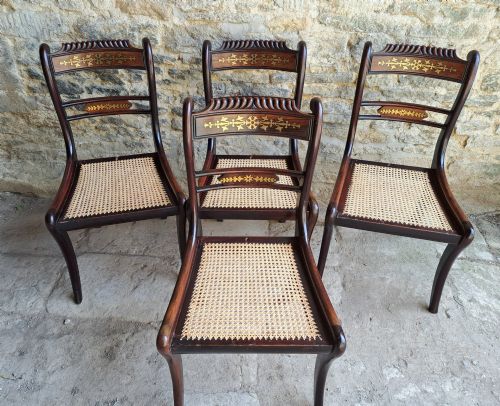
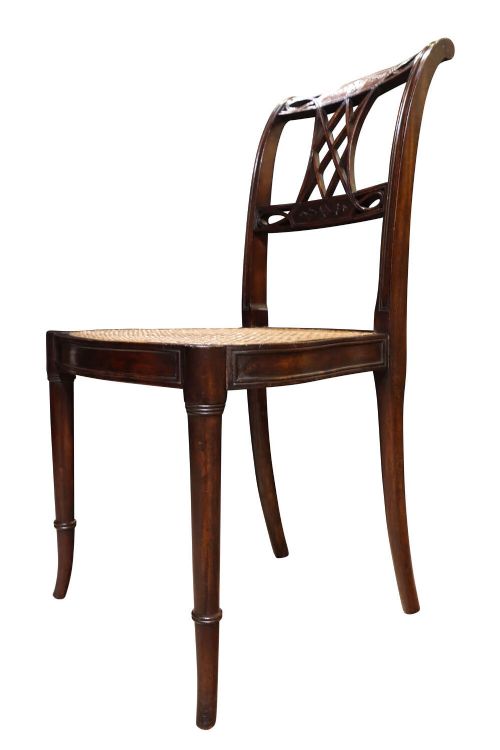
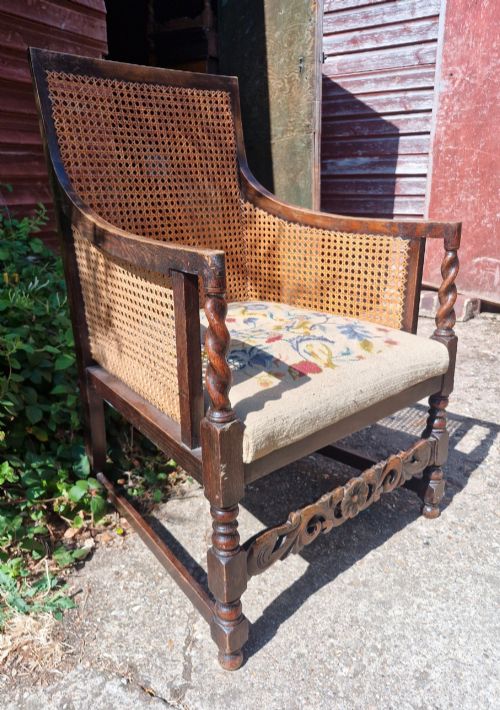
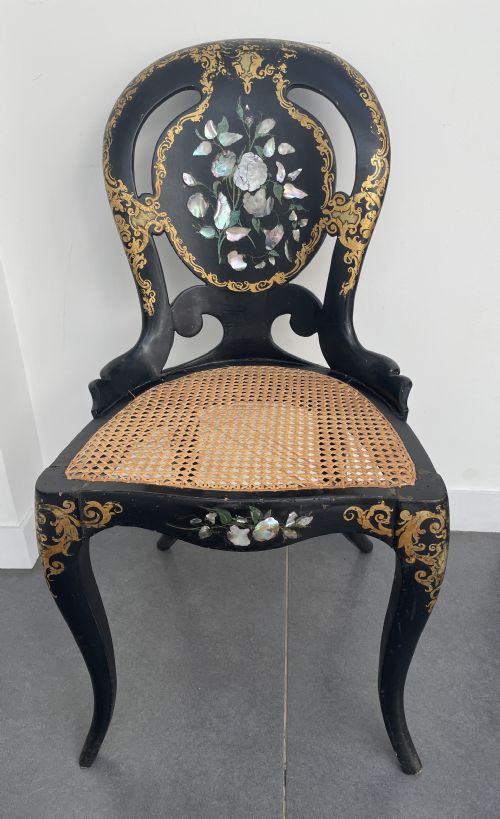
Buyers seeking antique cane seating encounter a diverse range of forms spanning multiple centuries, from early painted models to twentieth-century designs. The selection includes dining chairs, side chairs, armchairs, and settees or sofas.
The objects on this page originate from periods such as the seventeenth century, the Regency era, and various points across the nineteenth and twentieth centuries. These pieces represent revivals including Jacobean, Carolean, Louis XV, and Edwardian Neoclassical, alongside Arts and Crafts and Art Deco idioms.
How they were made
The construction relies heavily on native and imported timbers, notably oak, beech, and beech wood, paired with woven cane, rattan, and rattan cane. Frames often feature carved decoration or painted surfaces, including japanned finishes.
Makers utilised traditional joinery to support the woven panels, sometimes incorporating fabric upholstery to complement the canework.
Retail Price Guide 2026
Typical UK retail prices for cane seating, calculated from the Sellingantiques database of over a million retail prices indexed since 2003. This retail price guide relies exclusively on Sellingantiques data; no external sources or auction records are used, so the figures do not describe the wider market.
Materials recorded across these objects include oak, beech, paint, fabric, and rattan cane.
What varies in quality
Quality rests upon the crispness of the timber carving and the integrity of the structural frame, whether executed in oak, beech, or painted surfaces. Finer examples display harmonious proportions and sophisticated stylistic revivals.
The precision and tightness of the weaving across panels of cane or rattan further separate standard production from superior craftsmanship.
The Antique Cane Seating Glossary
- Cane
- A material derived from the peeled and split stems of rattan palms, utilised for woven seats and backs.
- Bergere
- A closed-arm upholstered armchair with wooden framing, frequently featuring caned panels to the sides and back.
- Japanned
- A European imitation of East Asian lacquerwork, applied as a decorative painted finish to furniture frames.
- Carolean Revival
- A nineteenth-century stylistic movement emulating the ornate, carved furniture styles of the late seventeenth century.
Frequently Asked Questions
How do I care for antique cane?
Keep woven panels hydrated by wiping them gently with a damp cloth periodically to prevent the natural material from becoming brittle.
Avoid placing these items near direct heat sources or in overly dry rooms to preserve the strength of the rattan.
Can antique cane seats be repaired?
Skilled craftspeople can re-weave damaged sections using traditional hand-caning techniques that match the original pattern.
Professional restoration ensures the structural integrity of the timber frame remains undisturbed while renewing the woven surface.
Where were these chairs used?
These seating forms historically occupied principal rooms such as drawing rooms, dining spaces, and parlours.
Their lightweight woven construction also made them suitable for informal garden rooms and sunrooms during later periods.
How do I identify the period?
Examine the timber species, joinery methods, and decorative motifs to align the piece with documented design eras.
Stylistic revivals often incorporate historical details combined with the manufacturing techniques of their actual production date.