


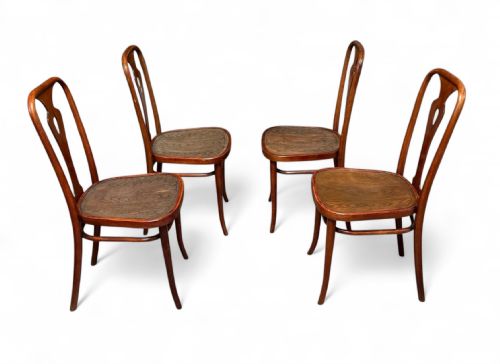


Antique Cafe Chair
An antique cafe chair brings immediate charm to a room, offering lightweight curves and sturdy wooden frames.
Antique Cafe Chair
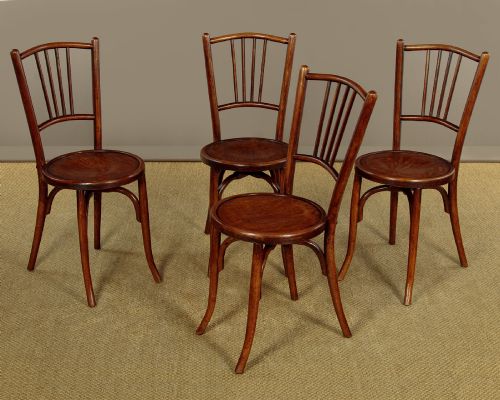
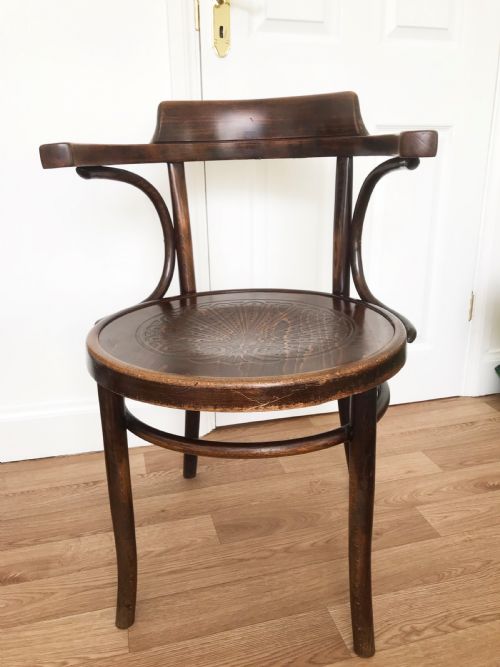
An antique cafe chair represents a specific genre of seating designed for hospitality and domestic use, originating largely from the late nineteenth and early twentieth centuries. These pieces encompass dining chairs, armchairs, and bistro sets intended for practical daily service.
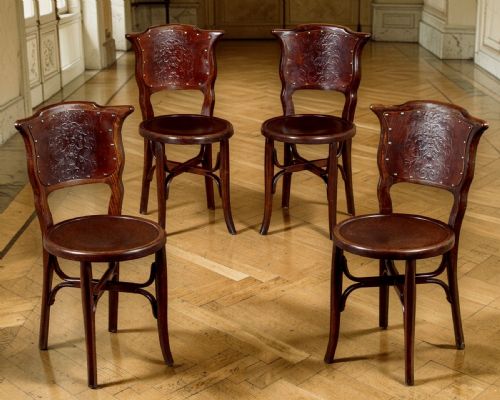
The versions most frequently met on this page span the Edwardian era, the 1900s, 1910s, and 1920s, alongside select mid-century and nineteenth-century examples. They typically appear in matched sets or single pairs, reflecting their original commercial and domestic environments.
Makers such as Thonet, J & J Kohn, Fischel, and Codina dominate the historical record of these items. Their designs bridge utilitarian function with distinctive stylistic movements including Art Nouveau and French bistro aesthetics.
Construction and Materials
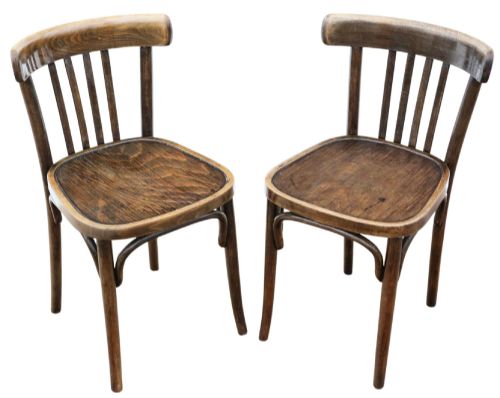
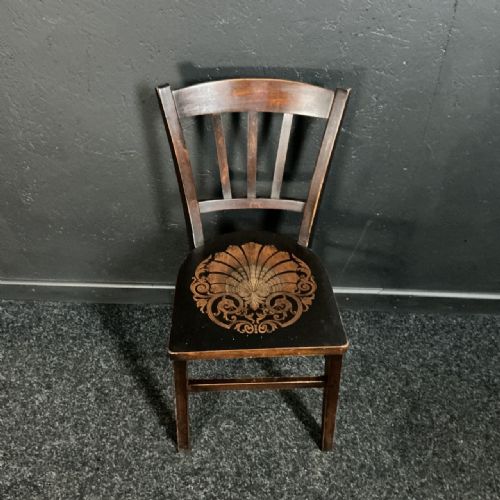
The manufacture of these seats relies heavily on steam-bent timber techniques, transforming straight sections of beech and beechwood into graceful, curved structural components. Plywood and embossed plywood frequently form the seat panels, sometimes featuring decorative pressed patterns.
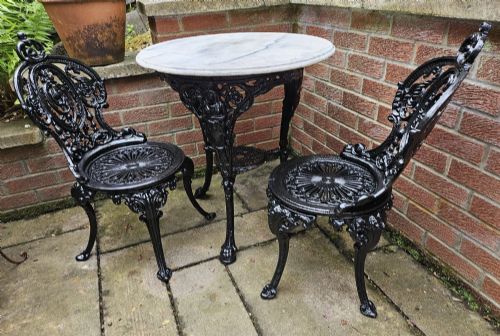
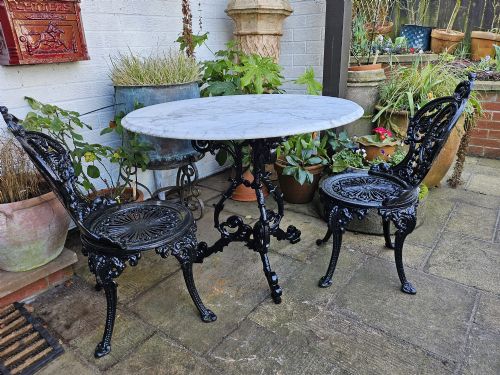
Other materials recorded in the construction include cast iron and marble, particularly utilised in associated bistro tables rather than the chairs themselves. Stained wood finishes protect the timber while highlighting the natural grain of the beech.
Several chairs journeyed straight from the Cafe Royal in London to settle here.
Evaluating Quality
Quality in these seating items rests upon the integrity of the steam-bent frame and the tightness of the joints. Finer examples retain smooth, continuous curves without splintering, and feature crisp embossing on the plywood seats where applicable.
The distinction between standard commercial seating and superior workshop production often shows in the maker's stamp or paper label beneath the seat. Retaining original surfaces and matched sets elevates the desirability of the group.
Thonet·J & J Kohn·Fischel·Codina
The Antique Cafe Chair Glossary
- Bentwood
- Wood that has been shaped by exposure to steam and pressure into curved forms. This technique defines the lightweight structural frame of the typical cafe seat.
- Hoop Back
- A chair back formed from a single continuous piece of bent timber looped around to join the seat. This design provides both resilient spring and ergonomic support.
- Embossed Plywood
- Manufactured wood stamped with a decorative pattern using heated metal dies. It adds texture and visual interest to otherwise plain seat panels.
- Bistro Set
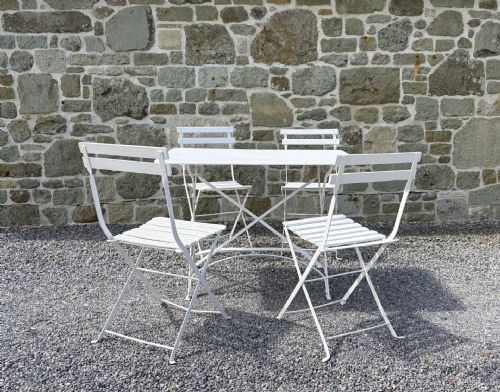
- A matched grouping of small tables and chairs designed for compact dining spaces. They evoke the atmosphere of traditional continental cafes.
- Bergere
- A type of chair featuring upholstered or cane-woven panels set within a wooden frame. This method introduces lighter textural elements to the design.
Antique Cafe Chair: Frequently Asked Questions
How do I clean an antique cafe chair?
Maintain the timber surfaces by wiping them gently with a dry or barely damp cloth. Avoid harsh chemical cleaners that strip the historic finish.
Nourish the wood periodically with appropriate furniture wax to preserve the moisture and sheen of the beech. Take care around embossed plywood seat panels to protect any pressed details.
Are these chairs suitable for daily dining?
These seating pieces were engineered for commercial hospitality use, meaning they are inherently robust and designed for regular sitting. Their lightweight construction makes them easy to move around a dining table.
Inspect the joints periodically to ensure the steam-bent frames remain tight and stable. With normal domestic care, they handle daily meals reliably.
How do I identify a Thonet chair?
Look underneath the wooden seat for paper labels, ink stamps, or branded signatures bearing the maker's name. These marks often verify the origin and approximate period.
The fluidity of the bentwood curves and the quality of the screw fixings also offer strong clues to authentic workshop production from the nineteenth or early twentieth century.