





Steam Bent Wood Chair
These steam bent wood chair examples combine clever carpentry with resilient timbers, offering a resilient seat for daily use.
Steam Bent Wood Chair
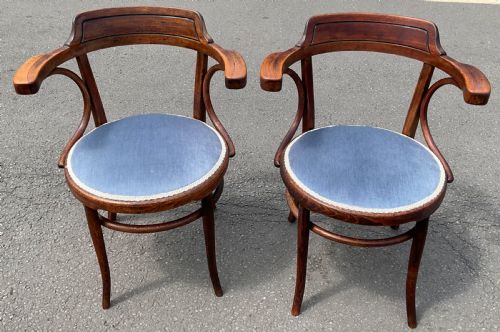
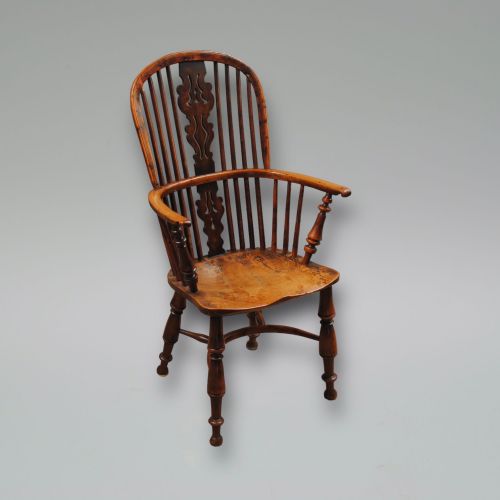
A steam bent wood chair brings together historic seating forms and ingenious curved timber construction across several distinct periods. When you search for this phrase, you encounter everything from Victorian English country vernacular armchairs to Viennese bistro seating.
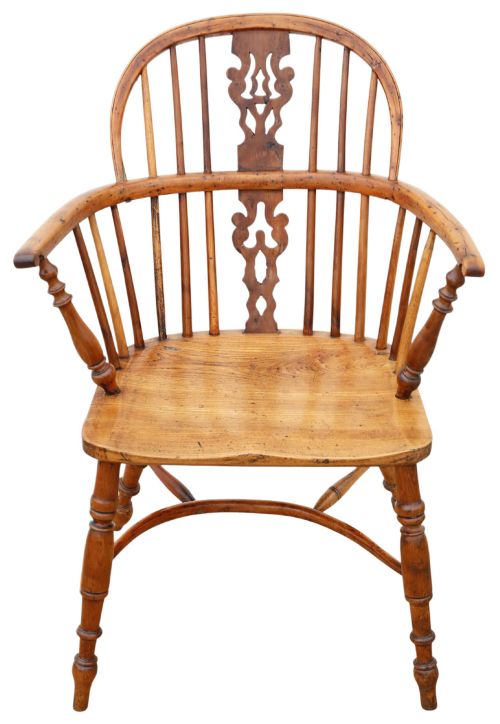
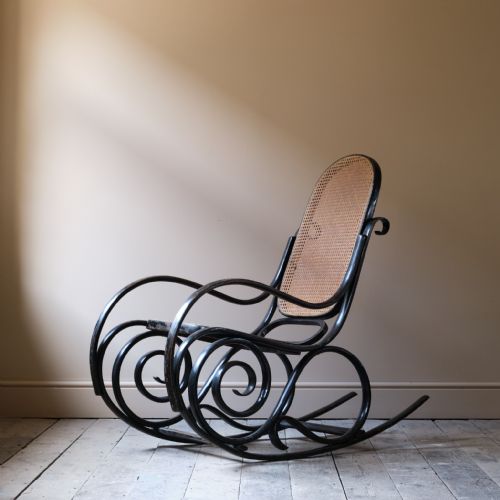
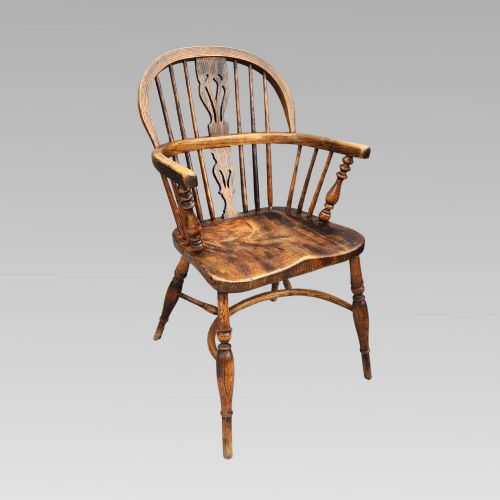
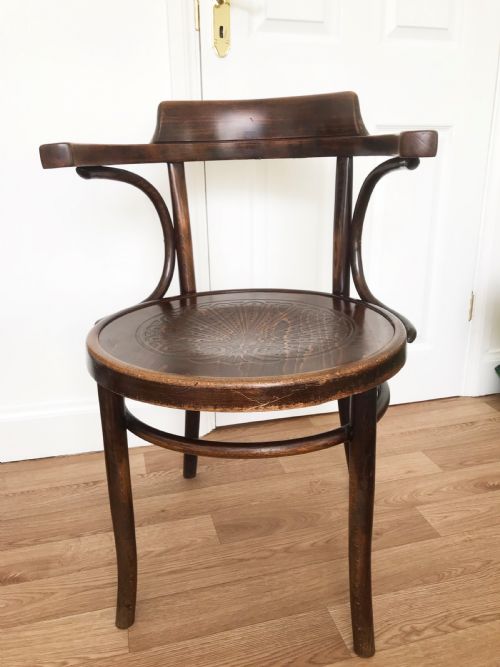
The pieces on this page lean heavily towards nineteenth-century Windsor designs and early twentieth-century café seating. You will find standard dining chairs, desk chairs, armchairs, rocking chairs and loungers among the selection.
Origins stretch across English country workshops, American makers, and continental European factories. These chairs served in domestic parlours, country houses, offices and bustling cafes alike.
Construction and materials
Woodworkers utilise timber species known for their toughness and flexibility when subjected to steam treatment. Beech, ash, elm and yew provide the necessary grain strength to hold tight curves without snapping during the bending process.
Steaming softens the lignin within the wood fibres, allowing artisans to shape components using metal straps and wooden jigs before the timber dries and sets in its new form. Additional support often comes from woven cane, fabric or leather upholstery inserts, alongside turned spindles and robust wooden stretchers.
Judging quality and build
Quality rests upon the integrity of the timber joints and the smoothness of the curved frame. Superior examples maintain tension in their bent components without excessive sagging or cracking along the grain.
Finishing details separate standard utility seating from finer workshop output. Well-executed turnings, solid seat depressions in timber panels and neatly fitted cane work indicate careful original manufacture.
Thonet
The Steam Bent Wood Chair Glossary
- Bentwood
- Wood that has been heated with steam to make it pliable and then shaped into curves. This technique allows for continuous, flowing frames without heavy corner joints.
- Windsor
- A traditional chair type featuring a solid wooden seat into which the legs and back spindles are directly joined. They frequently incorporate bent wooden bow backs or arm rests.
- Carver
- An armchair designed to match a set of dining chairs, usually placed at the head of a table. They often feature elbow rests formed by continuous bent wooden members.
- Crinoline
- A style of Windsor chair characterised by a curved stretcher that resembles the hoop skirts worn in the nineteenth century. This hoop adds structural rigidity between the legs.
Steam Bent Wood Chair: Frequently Asked Questions
How do I clean a bentwood chair?
Dust the frame regularly with a dry cloth and clean timber surfaces using a mildly damp cloth followed by thorough drying. Avoid excessive moisture, particularly around glued joints and cane inserts.
Condition the wood periodically with a suitable wax to maintain the finish. Keep these chairs away from direct heat sources to prevent the timber from drying out and splitting.
Can I use these chairs for daily dining?
Most of these pieces were built for functional daily service in homes, offices or cafes. Their robust construction handles regular sitting quite comfortably.
Check that the joints remain tight before putting them into heavy daily rotation. Adding a cushion can protect original wooden or cane seats from excessive wear.
How do I identify a Thonet chair?
Look for stamped manufacturer marks, paper labels or characteristic model numbering impressed into the wooden framework. The company popularised mass-produced steam bent beech furniture with clean, minimalist curves.
Compare the proportions and screw types against documented catalogue designs from the nineteenth and early twentieth centuries. Original pieces often show slight individual variations in the hand-finished components.
Are stick back and Windsor chairs the same?
Stick back chairs form a specific subset of Windsor seating where slender spindles create the backrest without a central carved splat. They rely on steam bent bows or rails to hold the upright sticks.
Windsor designs encompass a broader family of seating built around a solid saddle seat. Both styles utilise similar timber bending and wedged tenon techniques for durability.