


Victorian Bentwood Chair
These victorian bentwood chair pieces bring light, curved seating to any room, offering historic form and enduring charm.
Victorian Bentwood Chair
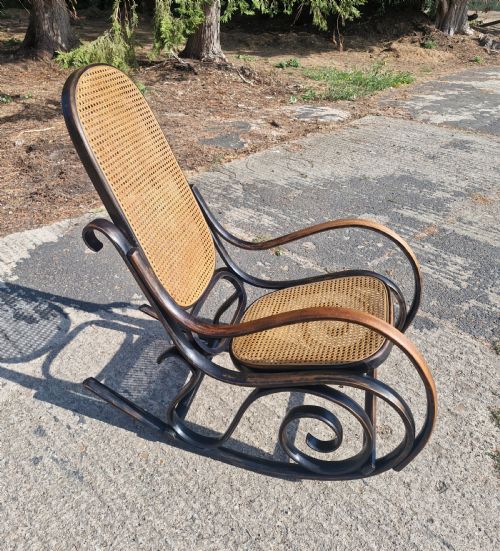
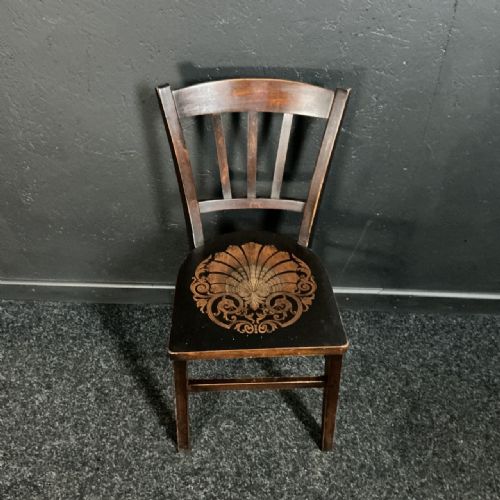
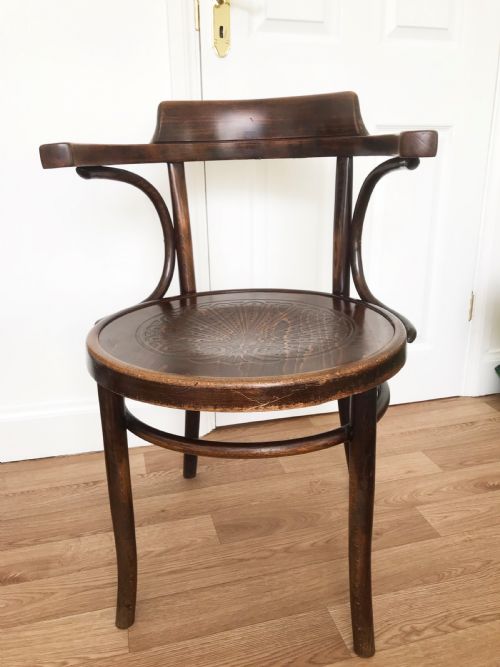
A victorian bentwood chair combines steam-bent wooden framing with woven seating surfaces, creating a light yet resilient seat. The selection ranges from robust rocking chairs and swivel desk chairs to sets of dining chairs and small children's models.
Most pieces seen here follow the classic Thonet designs, originating in the nineteenth century and extending into the Edwardian era. Buyers encounter both single armchairs suited for studies and matched sets intended for dining spaces or salons.
The distinct styles span standard Victorian country designs, ebonised rocking chairs, and broad arm variations. These versatile forms reflect a period of industrial innovation in furniture production that prioritised elegant curves over heavy joinery.
How They Were Made
Makers utilised solid beech and beech wood, steaming the timber until pliable enough to bend into continuous flowing loops. This technique allowed craftsmen to form sweeping backrests and structural supports without relying on traditional mortise and tenon joints.
Seats incorporate rattan cane, woven mesh, solid plywood, or upholstered leather pads secured to the bent frames. Stained wood finishes protect the beech while highlighting the natural grain beneath.
Makers sometimes integrated additional materials such as yew wood or oak in specific components, ensuring structural integrity across rocking mechanisms and swivel desk bases.
Victorian Bentwood Chair Retail Price Guide 2026
Typical asking prices for victorian bentwood chair among the pieces listed under this phrase on Sellingantiques today, from the lower quarter to the upper quarter. They describe what is for sale here now, not the wider market.
Listings feature beech and plywood alongside rattan cane and leather, spanning the nineteenth century through the Edwardian period.
What Varies in Quality
The distinction between standard production and superior examples lies in the precision of the steam bends and the retention of original maker marks. Finer items exhibit smooth, unbroken curves and tight joinery that withstands decades of daily movement.
Seating materials introduce further differentiation, where intact hand-woven rattan cane or heavy original leather upholstery elevates a piece above those with later replacements. The complexity of the frame, such as swivel mechanisms or intricate rocking runners, also dictates the tier of the object.
Thonet
The Victorian Bentwood Chair Glossary
- Bentwood
- Wood shaped by exposure to steam and pressure into curved structural forms. This technique defined nineteenth-century mass production of light domestic seating.
- Rattan cane
- Thin pliable palm stems woven into open mesh seat panels. It provides flexible support while maintaining a light aesthetic.
- Ebonised
- Wood treated with a dark finish to resemble ebony. This process was popular on nineteenth-century frames to create a formal appearance.
- Thonet
- The pioneering firm associated with steam-bent furniture innovation. Their workshops produced the foundational designs that inspired subsequent makers.
- Carver
- An armchair designed with arms, typically matching a set of side chairs for use at the head of a table.
Victorian Bentwood Chair: Frequently Asked Questions
How do I identify a true period piece?
Examine the construction methods, materials, and any stamped maker marks on the underside of the seat frame. Nineteenth-century and early twentieth-century examples typically feature specific screw types and distinct steam-bending profiles.
Compare the curvature and wood finish against known examples from the era. Genuine pieces often display the distinct patination and minor wear consistent with historical use.
Were these chairs used for dining or lounging?
Both functions exist within this category, as the form adapted easily to different domestic needs. Dining chairs and bistro sets provided upright seating, while rocking chairs and armchairs served as comfortable lounge furniture.
Desk chairs and swivel variants offered practical seating for studies and offices. Each form utilised the same steam-bent framework tailored to its specific purpose.
How should I care for cane seats?
Maintain cane integrity by keeping the material hydrated with a damp sponge periodically, which prevents brittleness. Avoid placing these chairs near direct heat sources or dry radiators.
Support the woven surface with a cushion if used heavily for long periods. Gentle cleaning preserves the natural flexibility of the plant fibres.
What is the difference between Victorian and Edwardian examples?
Victorian pieces tend to feature darker ebonised finishes, heavier structural framing, and complex rocking mechanisms. They represent the earlier phase of steam-bent innovation.
Edwardian variations often display lighter wood tones and simplified lines reflecting changing interior tastes. Both periods share the core bending techniques developed in the previous century.