
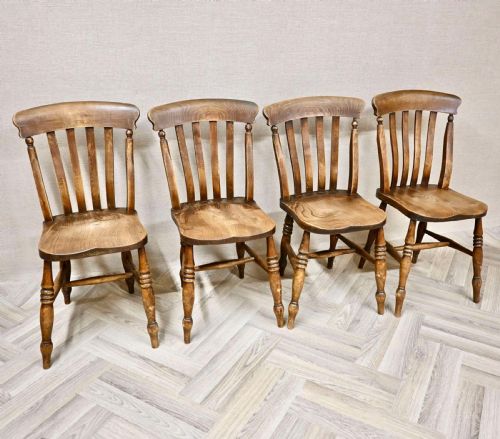
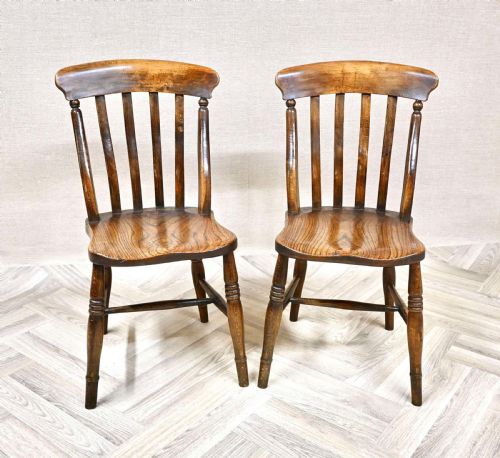
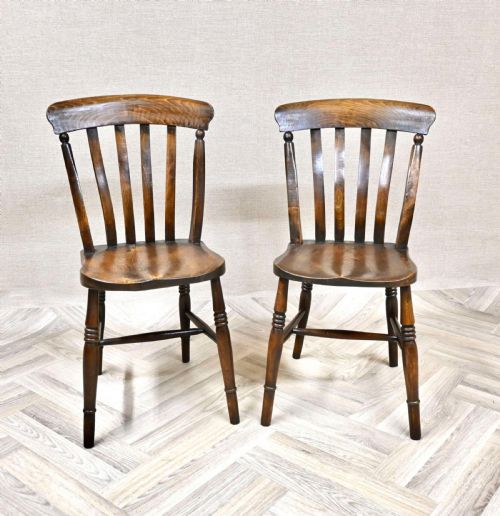
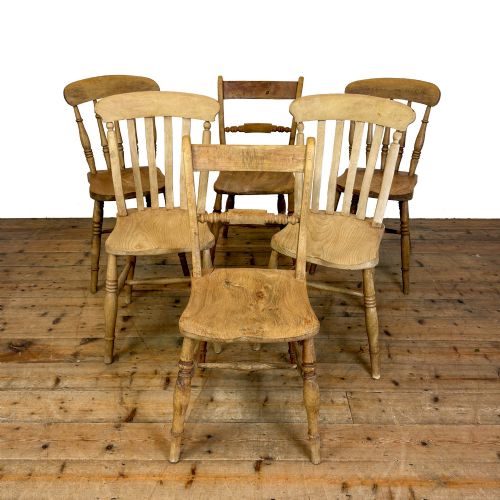


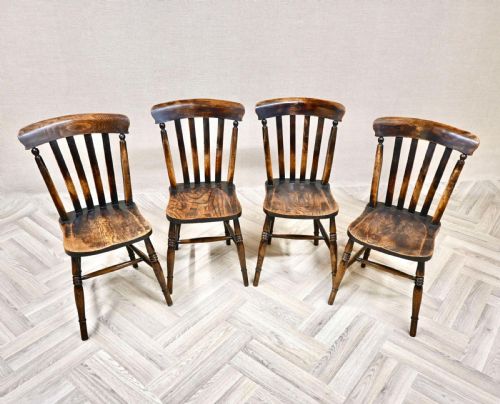
Vintage Slat Back Chair
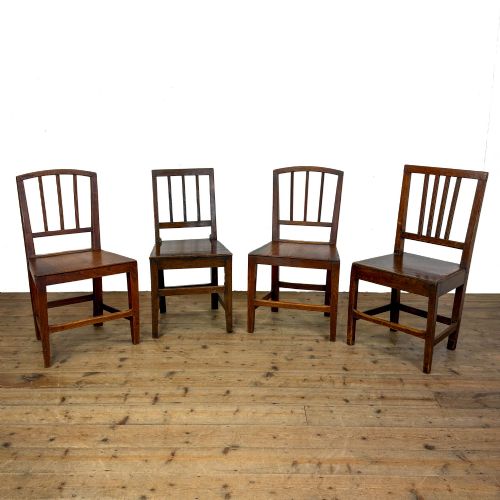
A vintage slat back chair offers honest wooden construction and simple vertical spindles, bringing enduring utility to kitchens and studies alike.
Vintage Slat Back Chair
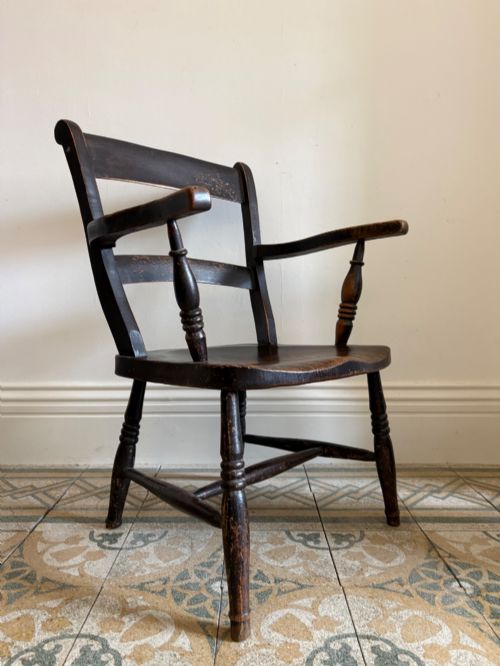
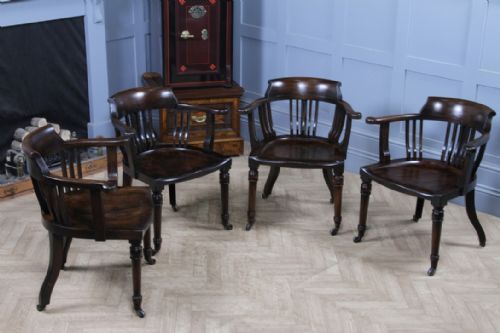
When you search for a vintage slat back chair, you encounter robust wooden seating shaped by traditional vernacular designs. These pieces span dining chairs, armchairs, and desk chairs originating from the nineteenth and twentieth centuries.
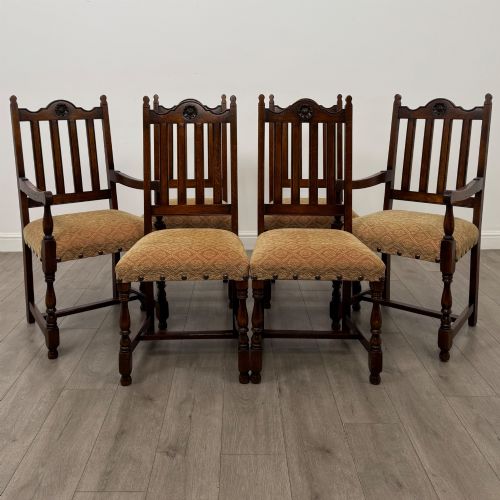
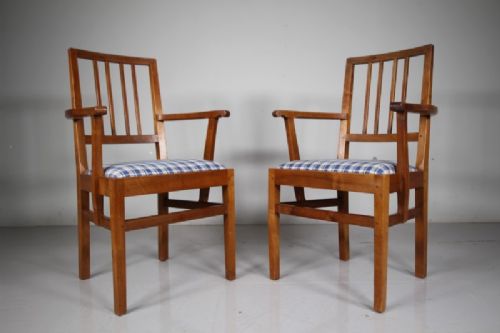
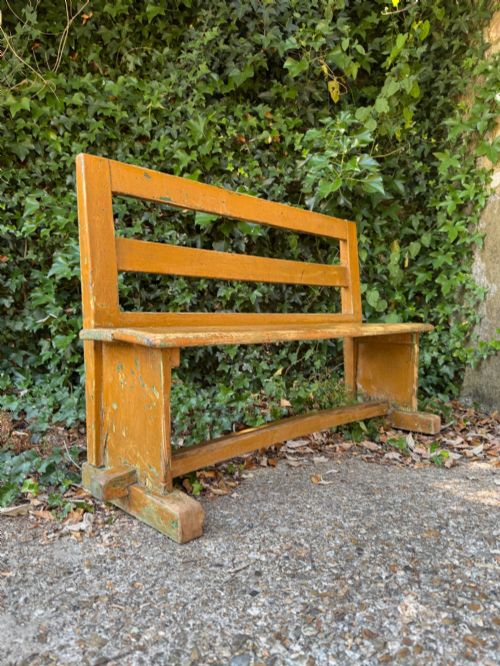
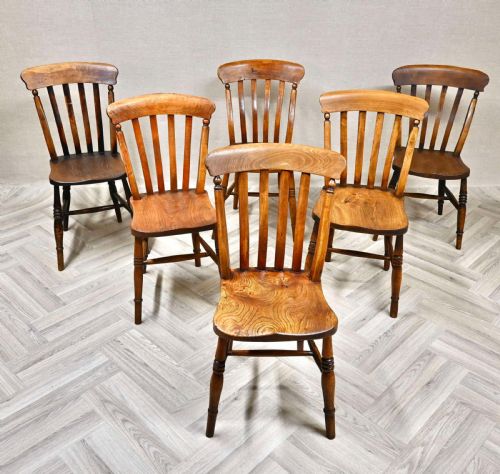
The selections on this page lean heavily towards kitchen and dining furniture, including country Windsor forms, lath backs, and Arts and Crafts oak designs. You also discover occasional seating, benches, and swivel desk chairs.
Most examples hail from English country traditions, alongside Victorian and Edwardian periods, demonstrating the enduring appeal of slatted and spindle-backed timber seating.
How they were made
Craftsmen built these chairs using solid native timbers such as oak, beech, elm, and ash, often combining woods within a single frame for structural strength. Seats were commonly carved from solid elm or pine, while backs utilised steam-bent rails and turned spindles.
Joinery relied on traditional methods including mortise and tenon joints and turned components fitted securely together without reliance on metal fasteners. Surface finishes ranged from plain waxed timber to ebonised treatments and occasional painted surfaces.
An eighteenth-century Scottish Crofter chair stands ready to remind modern sitters of centuries of fireside repose.
What varies in quality
Execution of the turning on legs and spindles separates standard production from finer workshop output. Subtle refinements in the rake of the back and the comfort of the saddle-shaped seat indicate higher manufacturing standards.
Edward Barnsley·Heals of London
The Vintage Slat Back Chair Glossary
- Slat back
- A chair design featuring vertical wooden slats or laths forming the backrest. This term groups together various traditional farmhouse and kitchen seating styles.
- Windsor
- A chair built with a solid wooden seat into which the legs and back spindles are directly inserted. These pieces often incorporate steam-bent armbows and central splats.
- Barley twist
- A decorative turning style resembling a twisted rope, carved into the legs or stretchers of wooden furniture. This detail appears frequently on Edwardian and Jacobean Revival pieces.
- Arts and Crafts
- A design movement prioritising honest construction, visible joinery, and the qualities of natural materials. Chairs from this tradition emphasise plain oak construction and functional utility.
- Harlequin set
- A collection of chairs that match in general style and period but vary in minor details. These groups were typically assembled over time rather than purchased as a single factory batch.
Vintage Slat Back Chair: Frequently Asked Questions
How do I identify a true vintage slat back chair?
Examine the construction methods visible underneath the seat and along the back joints. Hand-turned spindles, wedged tenons, and natural wear patterns on solid timber indicate genuine age.
Compare the timber species and turning styles against documented examples from the nineteenth and early twentieth centuries to confirm the period of origin.
Are these chairs suitable for daily dining use?
Most of these wooden designs were originally built for practical domestic tasks in kitchens and farmhouses, making them inherently sturdy. Solid timber frames handle everyday sitting comfortably when joints remain tight.
Pair them with a suitable table by checking seat heights and arm clearance to ensure they fit beneath your dining surface.
Can I mix different styles around a table?
Gathering harlequin sets or individual chairs of similar periods is a traditional approach to country dining seating. Matching the wood type, such as oak or elm, helps create a cohesive look across varied chair designs.
Ensure the seat heights remain uniform so diners sit at a comfortable level relative to the table surface.