
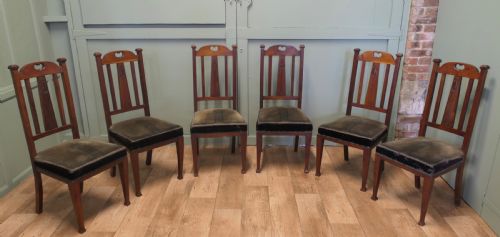
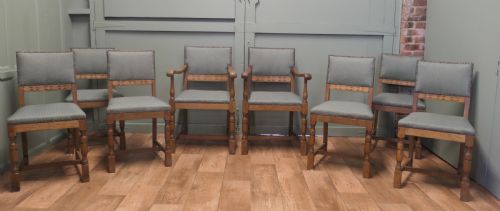
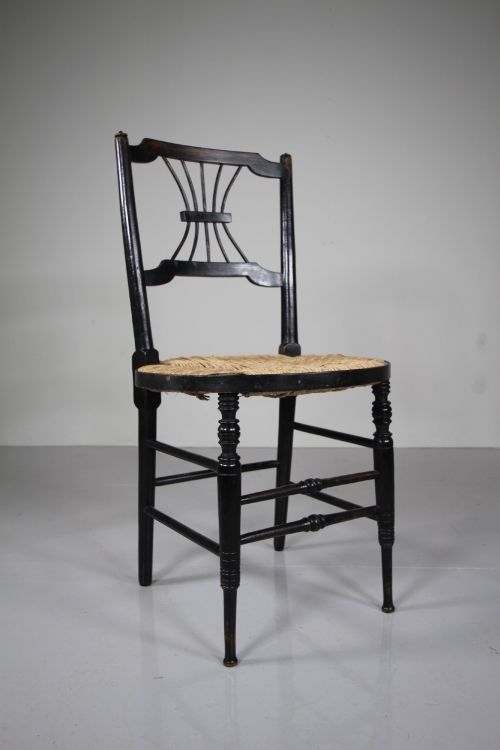
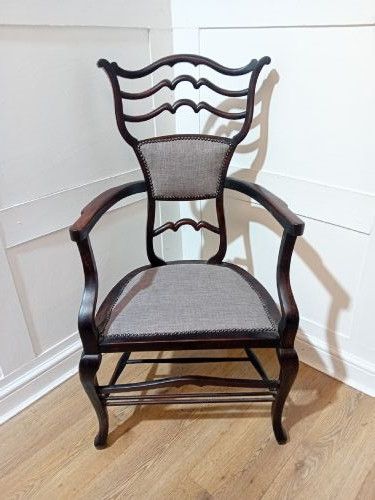

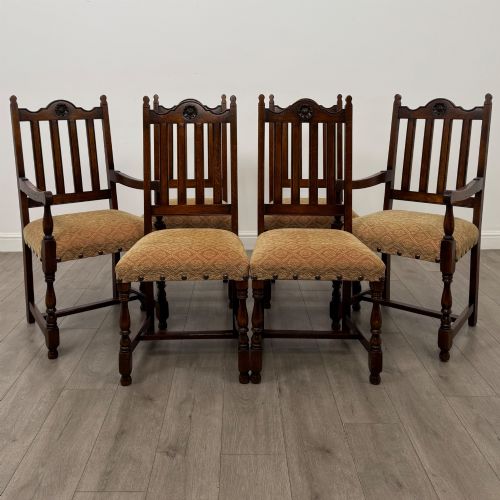
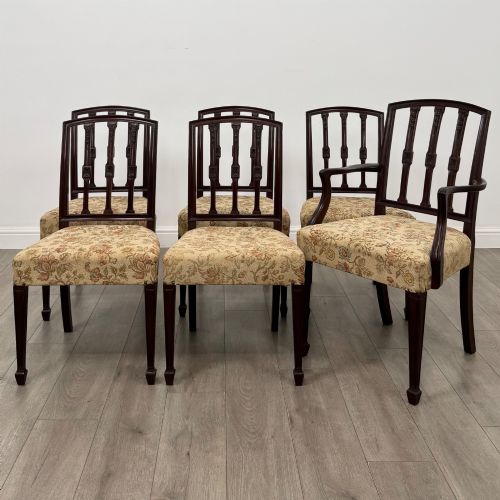
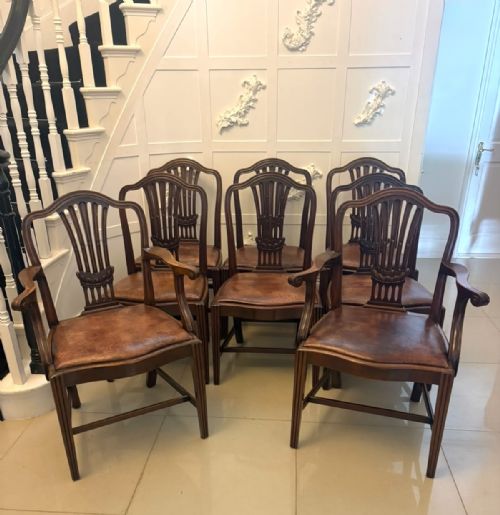
Edwardian Wooden Side Chairs
Edwardian wooden side chairs are sturdy and upright seats built for dining rooms and parlours, prized for bringing craftsmanship and warm timber into modern interiors.
Edwardian Wooden Side Chairs
Edwardian wooden side chairs encompass upright domestic seating produced around the turn of the twentieth century, bridging late Victorian formality with lighter Arts and Crafts and revival aesthetics. Buyers searching for edwardian wooden side chairs encounter pieces built for everyday dining, occasional use, and bedroom dressing tables rather than heavy lounging.
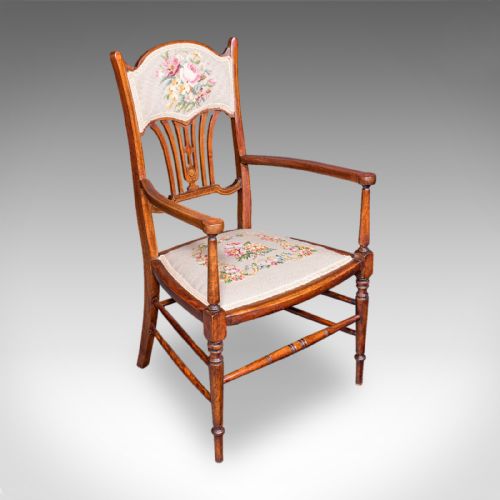
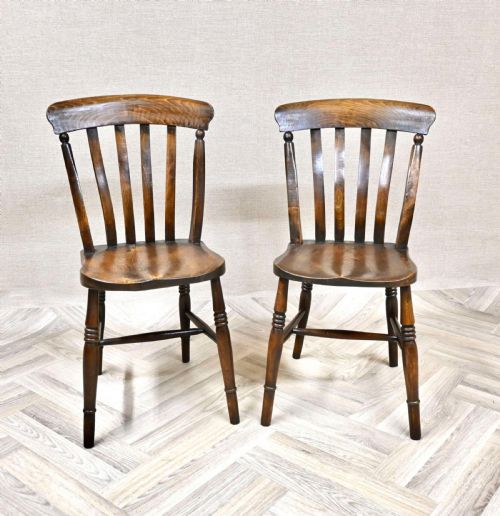
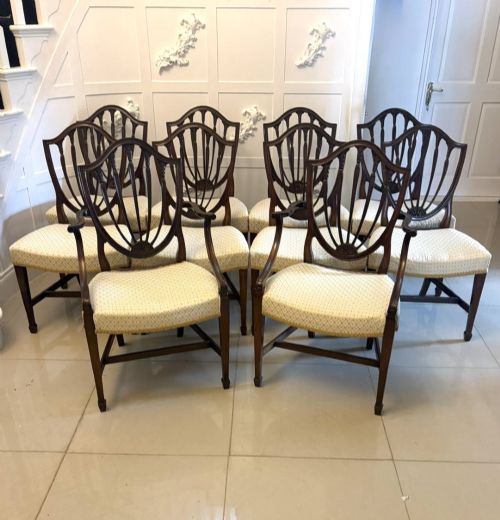
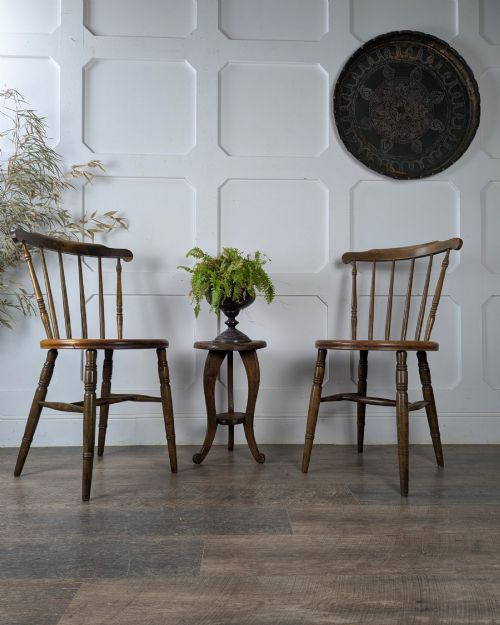
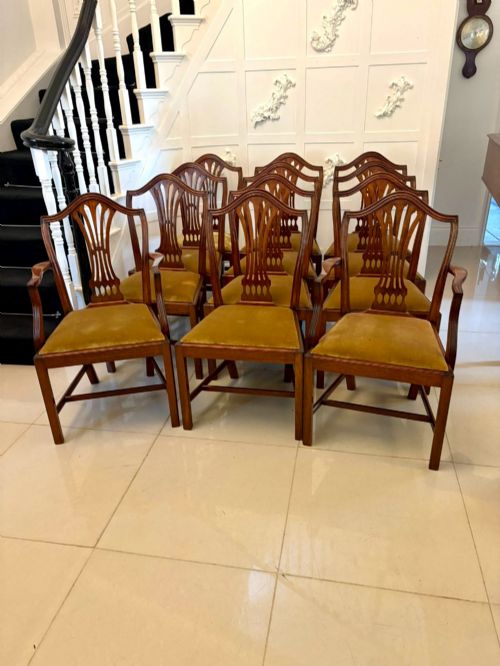
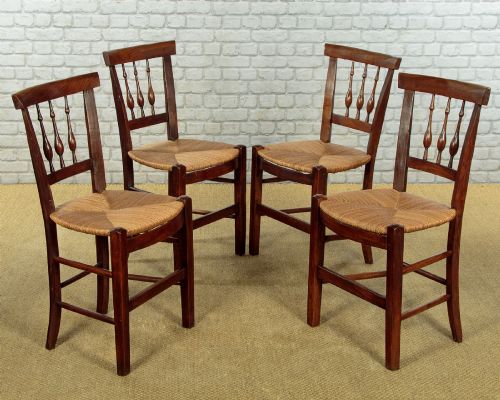
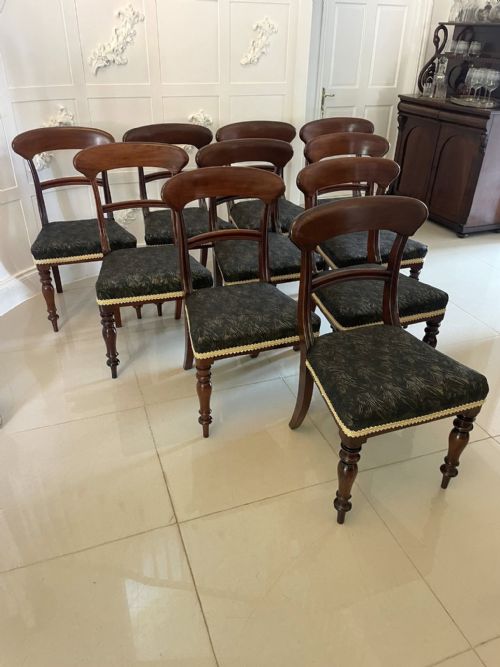
The selections span simple regional seating alongside formal parlour pieces. Common forms include inlaid mahogany dining chairs, beech high-backs, rush-seated examples, and satinwood painted varieties reflecting Georgian and Chippendale revivals.
Origins range across English workshops, Scottish studios, and continental bentwood makers. These chairs function easily around modern dining tables or as single accent pieces in hallways and bedrooms.
How They Were Made
Construction relies heavily on durable hardwoods like mahogany, oak, and beech, frequently shaped using traditional turnery, steam-bending, and joinery. Makers utilised timber strength to build slender frames that retained structural integrity under daily use.
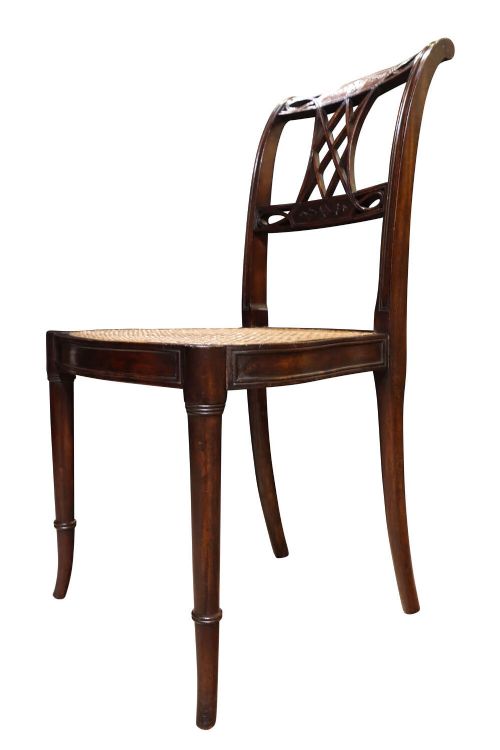
Surface detailing incorporated hand-carved motifs, delicate string inlay, painted satinwood finishes, and woven cane or rush seats. Upholstery methods employed horsehair and webbing beneath fabric, leather, or velvet coverings.
A surviving advertising chair for matchless soap reminds us that nineteenth century commerce found a seat everywhere.
What Varies in Quality
Quality depends upon timber selection and the precision of the joinery. Fine examples display carefully matched grain patterns, tight mortise and tenon joints, and crisply carved or inlaid details that remain secure after decades of use.
The refinement of the silhouette distinguishes standard domestic seating from exhibition or bespoke commissions. Balanced proportions, elegant splats, and well-executed upholstery dictate the overall merit of a piece.
Maple and Co·William Morris·Rossetti·Codina
The Edwardian Wooden Side Chairs Glossary
- Side chair
- An upright chair without arms designed primarily for dining tables or occasional room placement. These pieces feature compact proportions to fit neatly around furniture.
- Inlay
- A decorative technique where contrasting woods or materials are inserted into recessed cavities on the surface. This method creates geometric patterns or floral motifs.
- Splat
- The vertical wooden strip down the centre of a chair back. It provides structural support while offering a surface for carving or shaping.
- Rush seat
- A woven seating surface made from dried marsh grasses twisted into cords. This traditional technique creates a durable, textured platform.
- Bentwood
- Wood softened through steaming and bent into curved structural forms. It allows for continuous, graceful lines without heavy joints.
Edwardian Wooden Side Chairs: Frequently Asked Questions
How do I clean wooden chair frames?
Dust regularly with a soft cloth and feed dry timber occasionally with traditional beeswax.
Avoid chemical polishes that build up residue and dull the natural grain over time.
Are these chairs suitable for daily dining?
Most solid hardwood frames are constructed for robust everyday use around a dining table.
Lighter bedroom or painted models benefit from slightly more careful handling and lighter domestic traffic.
How do I identify an Edwardian chair?
Look for lighter proportions, tapered legs, and decorative influences drawn from Arts and Crafts or Georgian revivals.
Construction techniques often combine machine precision with traditional hand-finishing typical of the early twentieth century.
Can I mix different chair styles together?
Combining complementary revival styles or shared timber tones creates an eclectic, collected interior look.
Matching seat heights ensures guests remain comfortable when seated around the same table.