
Wooden Spindle Chair
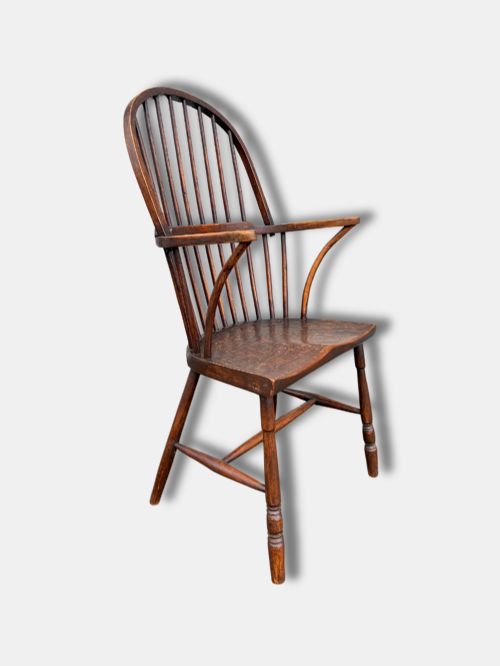
A wooden spindle chair is a sturdy piece of vernacular seating built for daily use, combining turned wooden uprights with solid timber seats.
Wooden Spindle Chair
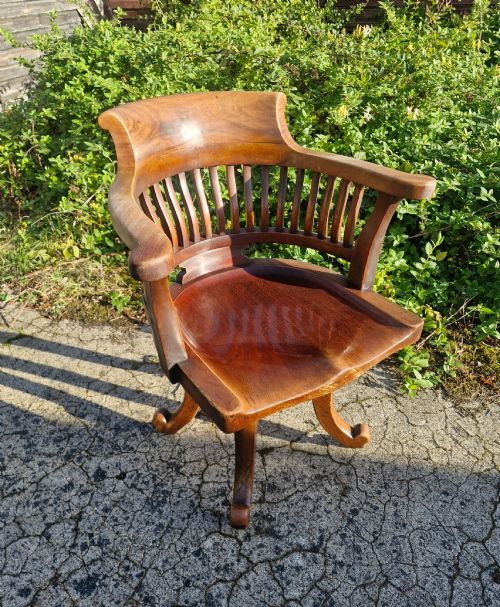
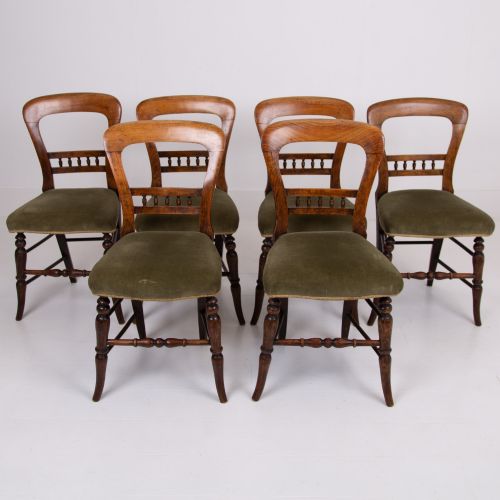
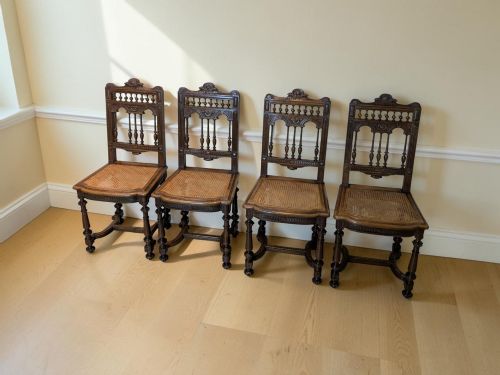
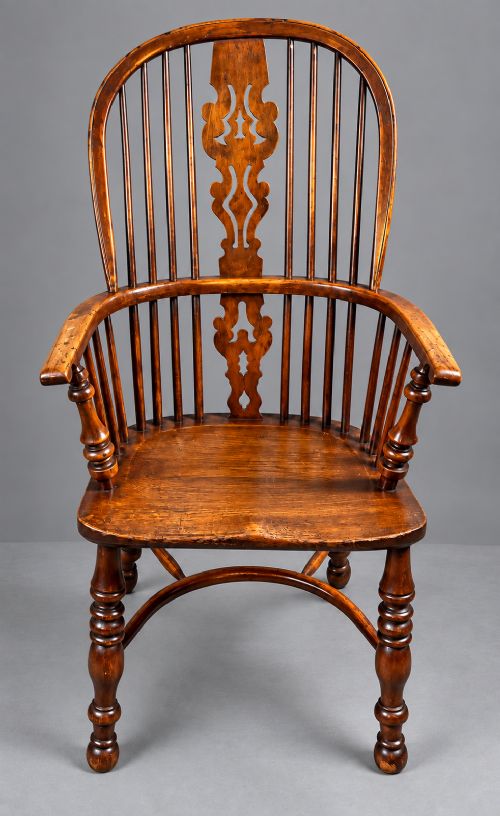
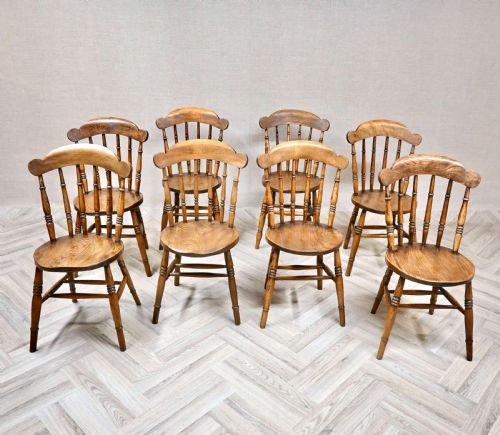
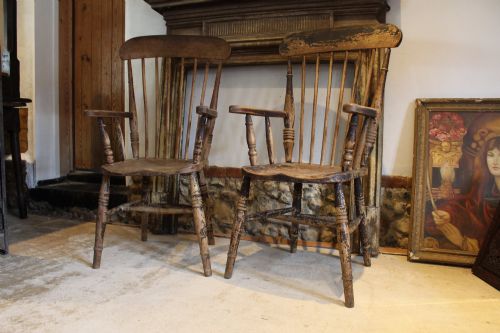
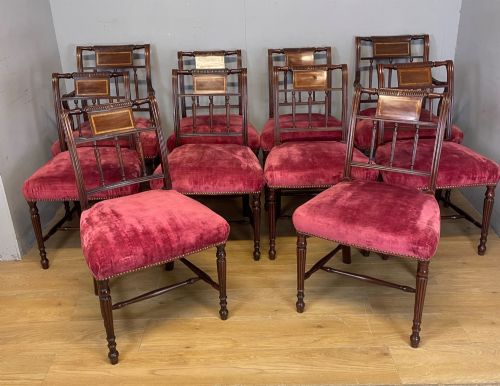
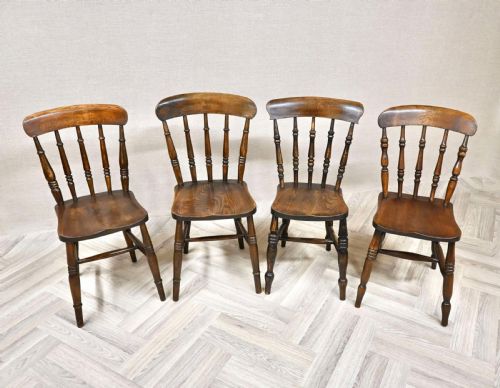
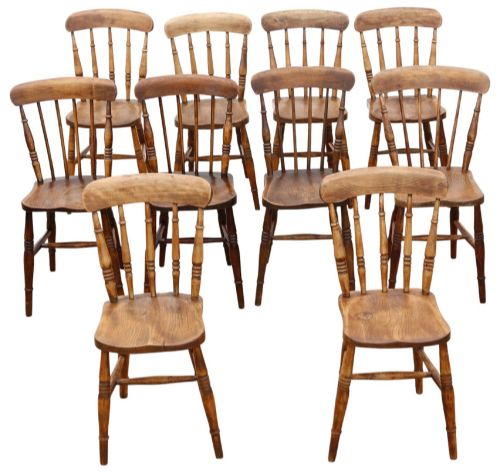
A wooden spindle chair brings together several centuries of domestic seating, from high-backed Windsor designs to simple farmhouse kitchen chairs. Buyers searching for a wooden spindle chair encounter various configurations including armchairs, rocking chairs, desk chairs, and large dining sets.
The selections span the eighteenth, nineteenth, and early twentieth centuries, covering Georgian vernacular, Victorian country, and Arts and Crafts styles. Pieces originate from different regions, including West Country workshops and Scottish makers.
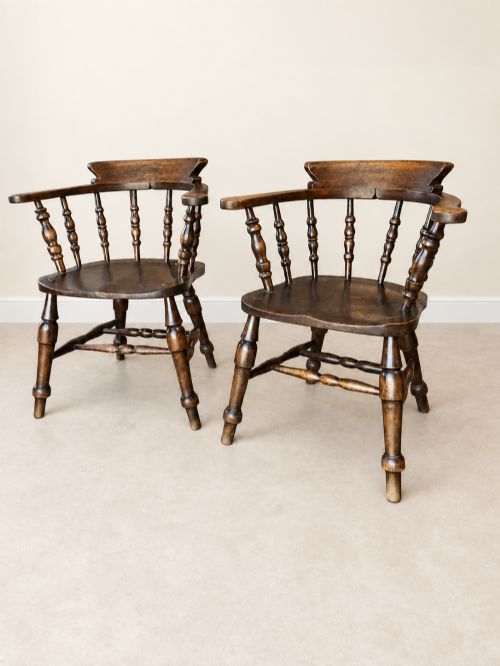
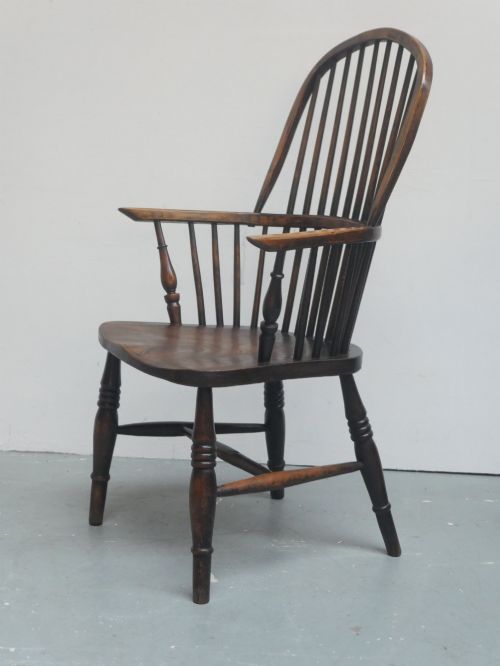
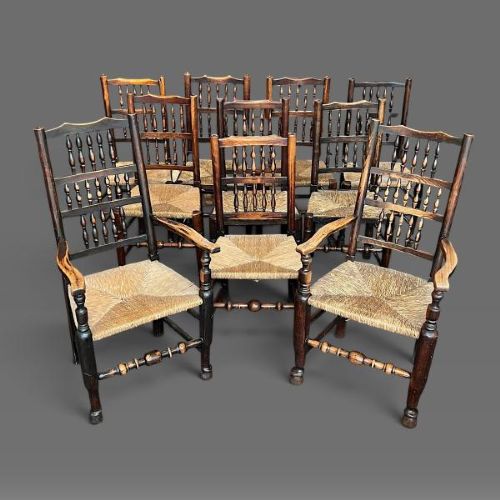
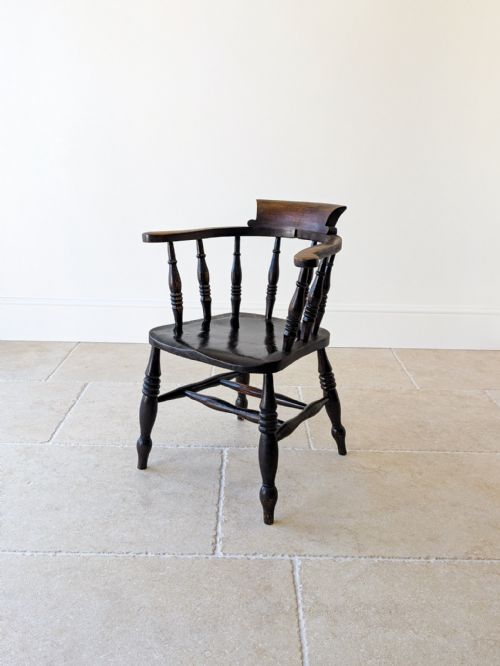
Most examples rely on traditional forms such as hoop backs, stick backs, and smokers bows. Sets range from small pairs to groups of ten matching or harlequin chairs.
Materials and Construction
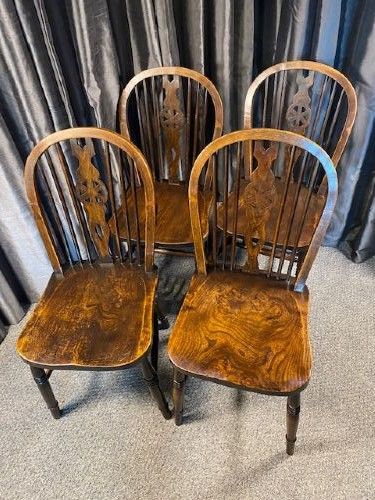
Makers utilised native hardwoods such as elm, ash, beech, oak, and yew, often combining multiple timbers within a single frame. Elm typically formed the thick solid seats, while ash and beech provided flexible wood for turned spindles and steam-bent bows.
Construction methods involved traditional joinery where turned spindles fit directly into bored holes in the seat and crest rail. Some variations incorporate rush seating, mahogany frames, or brass details alongside carved wooden components.
Some nineteenth-century Windsor chairs retain deep bum grooves carved into the solid elm seats for comfort during long sittings.
Factors of Quality
Quality rests upon the selection of timber and the integrity of the original joints rather than ornamental flourishes. Heavy elm seats with deep figuring and well-turned spindles show superior craftsmanship.
Matching sets display greater consistency in timber selection and turning detail across multiple chairs. Original patination on the wood surface distinguishes honest early pieces from heavily restored examples.
Gabbitass of Worksop·J Spencer·Morris and Co·Philip Webb
The Wooden Spindle Chair Glossary
- Spindle
- A slender, turned wooden rod used vertically to support the back or arms of a chair. These members distribute weight and provide structural rigidity.
- Windsor
- A traditional chair style featuring a solid wooden seat into which the legs, back sticks, and bow are separately joined. This method creates a sturdy, resilient frame.
- Smokers Bow
- A low-backed Windsor armchair with a continuous curved arm rail resting on short turned spindles. This form was common in nineteenth-century domestic and public settings.
- Hoop Back
- A chair back formed from a single continuous piece of steam-bent wood shaped into an arch. It provides ergonomic support to the sitter.
- Harlequin Set
- A group of dining chairs sharing a similar style or period but assembled from different origins. Such sets offer matching visual character without identical manufacture.
Wooden Spindle Chair: Frequently Asked Questions
What is a wooden spindle chair?
A wooden spindle chair is a traditional seat constructed with vertical turned wooden rods supporting the backrest or arms. These pieces include Windsor chairs, captain chairs, and kitchen seating.
They rely on solid wood seats and pegged or wedged joints rather than modern adhesives. The form prioritises practical durability and structural strength.
How do I date an old wooden spindle chair?
Dating depends on observing tool marks, timber selection, and construction wear. Eighteenth-century examples often display ash and elm with deep natural patination.
Nineteenth-century pieces introduce factory-turned components and standardised joinery. Comparing the turning patterns against known regional styles helps narrow the decade.
How were these chairs used historically?
These chairs served multiple domestic and commercial functions across the home, farmhouse kitchens, offices, and studies. Armchairs provided fireside seating while sturdy sets gathered around dining tables.
Desk and rocking variants accommodated working environments and nurseries. Their robust construction suited continuous daily employment.
How do I care for antique wooden chairs?
Maintain these chairs by keeping them away from direct heat sources and sudden humidity changes. Apply a light application of beeswax to nourish the dry timber.
Avoid chemical polishes that degrade the original surface patina. Check the legs and stretchers periodically to ensure joints remain secure.