


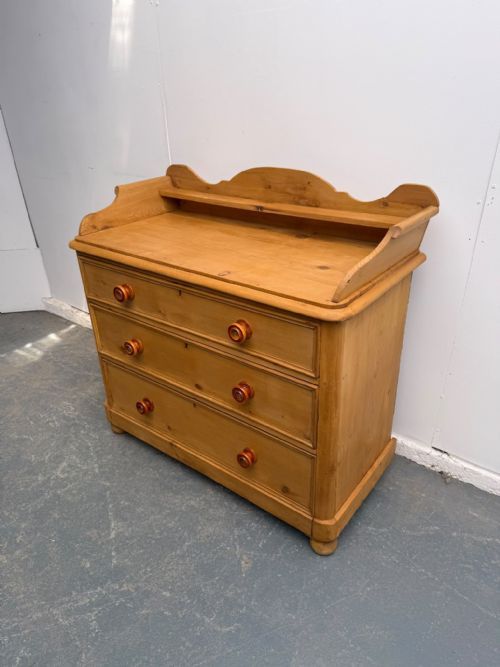

Antique Cabinet with Gallery
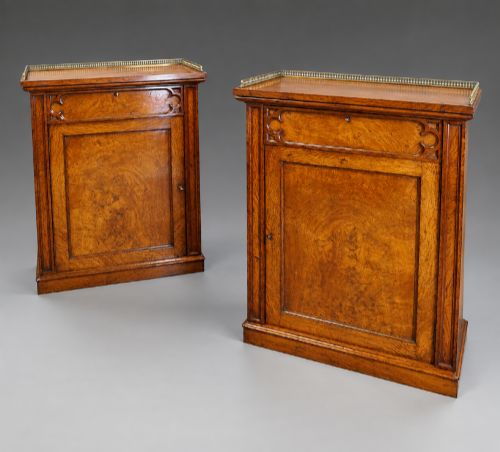
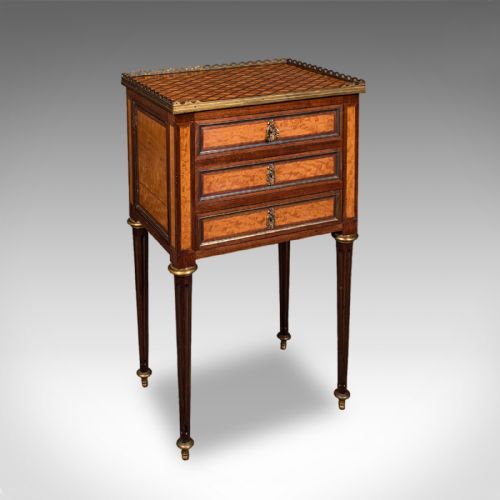
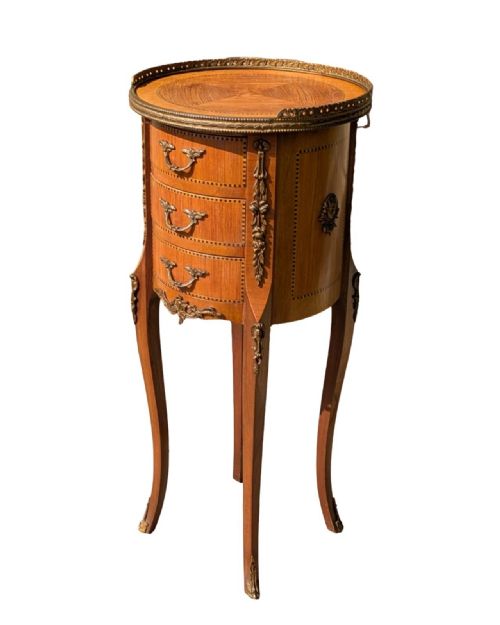
An antique cabinet with gallery combines useful storage with a raised upright border, keeping prized items secure upon the surface.
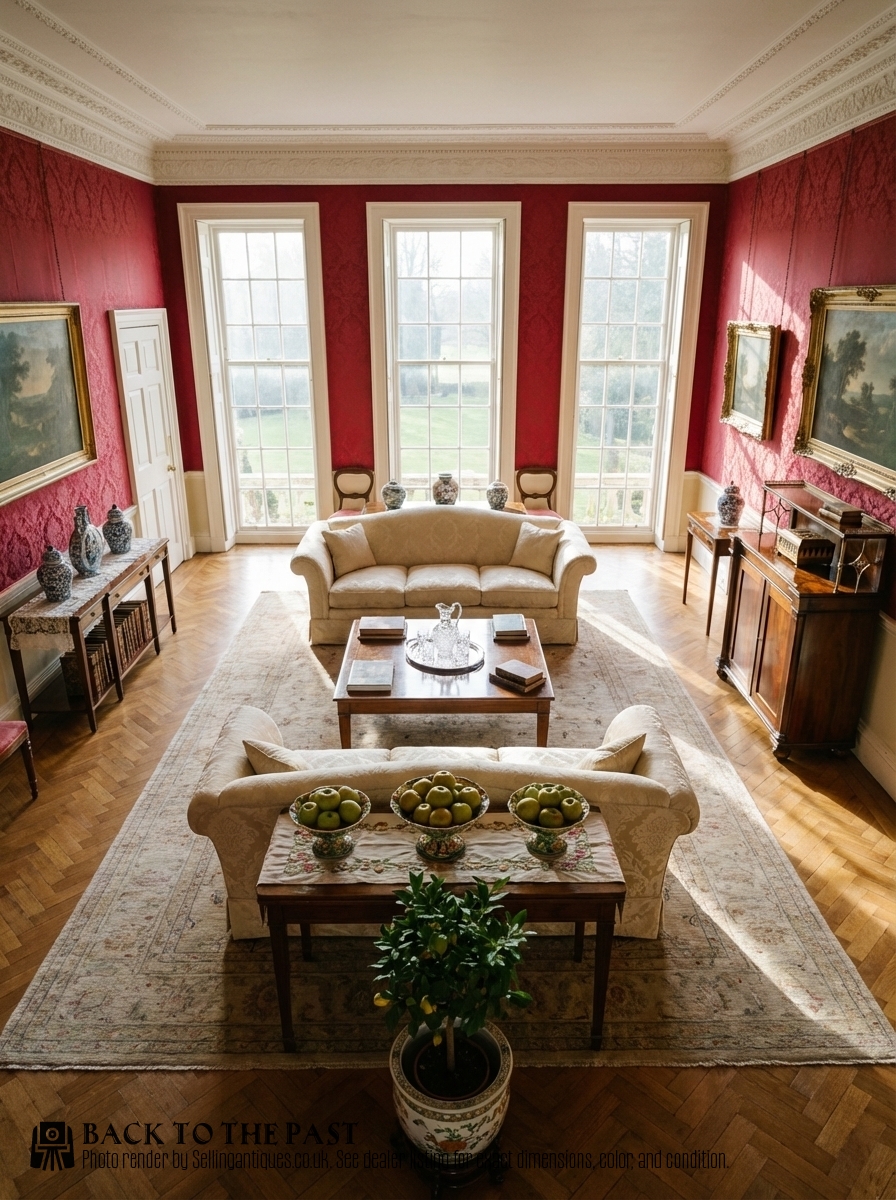
Antique Cabinet with Gallery
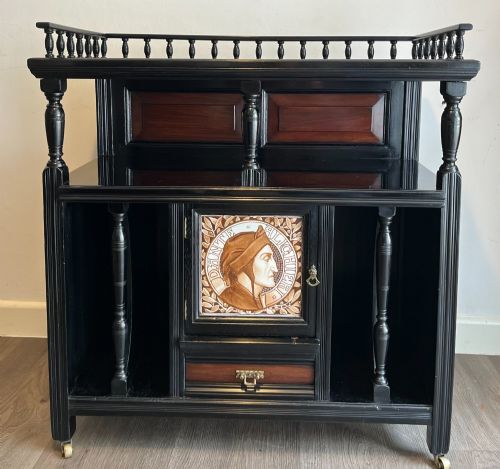
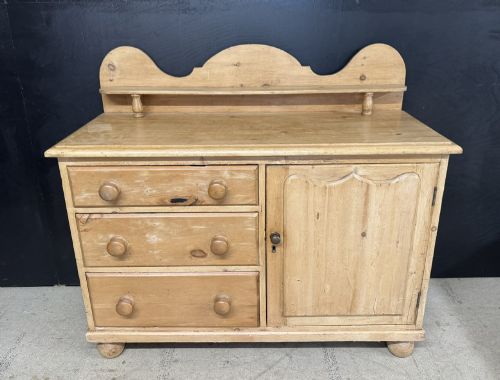
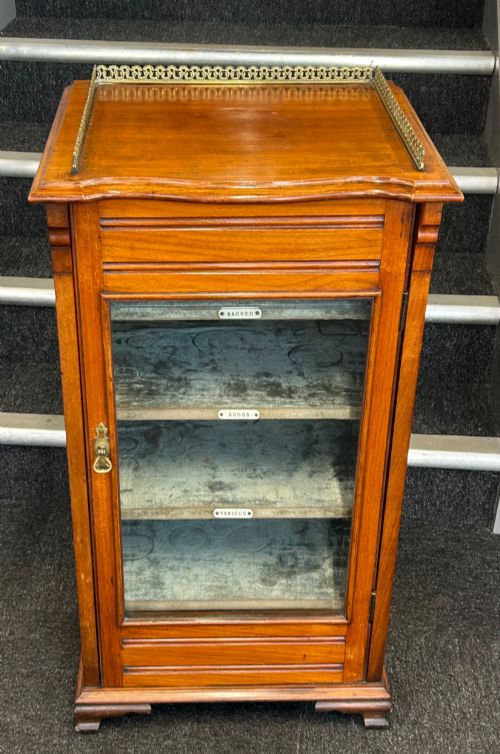
An antique cabinet with gallery encompasses a diverse selection of practical furniture featuring a raised back or side rail known as a gallery. Pieces matching this search phrase span numerous periods, including Regency, Victorian, Edwardian, and Georgian eras.
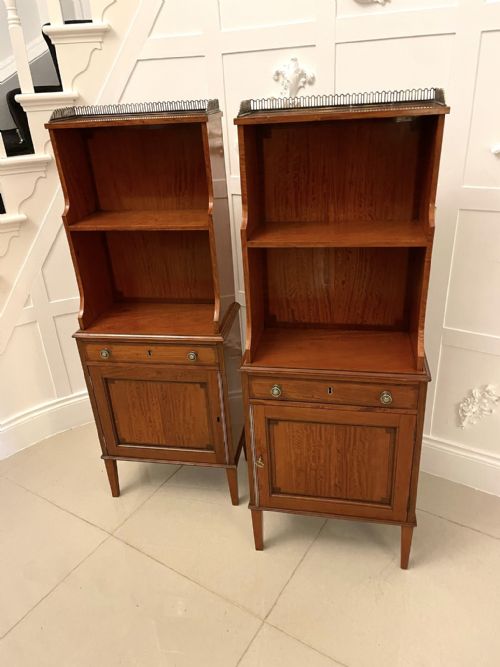
The most frequent forms found here are chiffoniers, sideboards, bookcases, writing desks, and bedside cabinets. These items originate from the nineteenth century alongside eighteenth and early twentieth century examples, utilising various timbers and decorative accents.
What varies in quality
The distinction between standard examples and the finest pieces often lies in the selection of timber figures, such as flame mahogany or figured rosewood. Superior items exhibit meticulous hand-cut dovetail joints, refined satinwood inlay, and crisply cast brass gallery rails rather than simpler turned wooden spindles.
The listings show pieces constructed from mahogany, rosewood, walnut, satinwood, pine, brass, glass, leather, and fabric across multiple centuries.
Gillows·Liberty Arts and Crafts
The Antique Cabinet with Gallery Glossary
- Gallery
- A raised wooden, metal, or brass rail positioned around the top edge of a cabinet, table, or sideboard to prevent items from sliding off. This feature is characteristic of many Davenport desks and serving pieces.
- Chiffonier
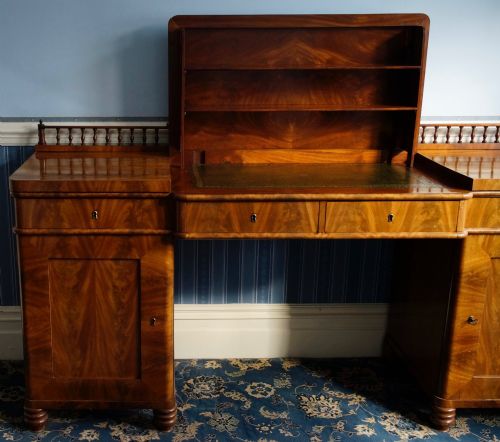
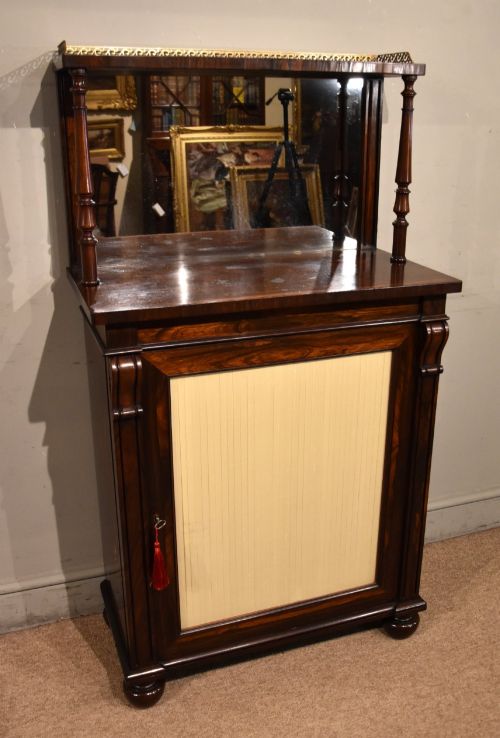
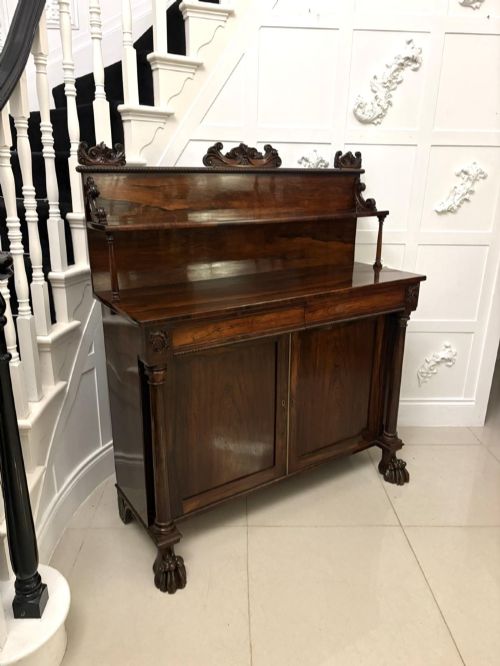
- A compact sideboard or low cabinet developed during the Regency and Victorian periods, frequently equipped with a raised shelf back or gallery. These items often combine enclosed lower cupboards with display tiers above.
- Davenport
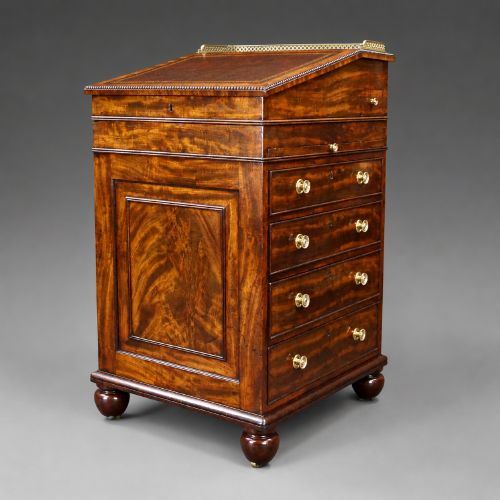
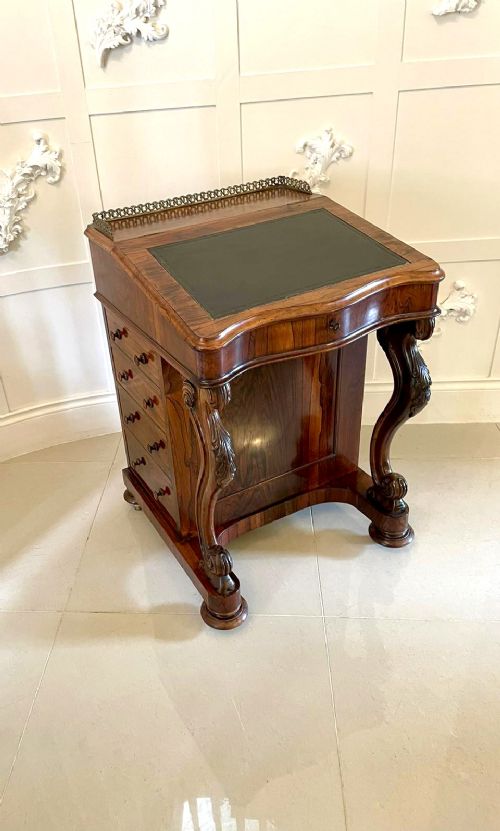
- A small compact writing desk featuring a sloped leather-lined writing surface above a pedestal of drawers. Many examples include a stationery compartment or gallery on the upper desk portion.
- Marquetry
- Decorative veneer work formed by fitting together thin pieces of wood, shell, or ivory to create pictorial designs on cabinet doors and panels. This technique appears on drinks and cocktail cabinets.
- Escritoire
- A writing cabinet featuring a fall-front flap that conceals inner compartments and drawers for correspondence. These pieces date across the eighteenth and nineteenth centuries.
Antique Cabinet with Gallery: Frequently Asked Questions
What is a gallery on an antique cabinet?
A gallery is a low decorative railing made of brass, wood, or metal fitted to the top perimeter of a piece of furniture. It serves the practical purpose of keeping books, decanters, or display items from sliding off the surface.
Galleries are frequently found on chiffoniers, sideboards, and Davenport desks from the Regency and Victorian eras. They range from simple wooden spindles to pierced brass scrollwork.
How were antique chiffoniers used?
Chiffoniers served as versatile storage and display furniture in nineteenth-century dining rooms and drawing rooms. The lower enclosed cupboards typically stored table linens, china, or silver, while the upper shelves and gallery displayed decorative ceramics.
Many examples also incorporated writing drawers or flat surfaces suitable for serving drinks. Their compact proportions made them ideal for rooms with limited space.
How do I date a mahogany cabinet?
Dating mahogany furniture involves examining the construction methods, timber grain, and secondary woods used in the interior framing. Earlier Georgian and Regency pieces often feature dense Cuban mahogany with hand-cut dovetailing, whereas late Victorian items may utilise looser machine-sawn elements.
Stylistic cues such as brass gallery designs, inlay patterns, and foot styles also help establish the decade of production. Comparing hardware fixings provides further clues to the manufacturing period.
Where should I place a gallery cabinet?
These cabinets suit living rooms, dining rooms, or hallways where their compact footprint and surface storage prove practical. The gallery top makes them suitable for displaying small collections, books, or decorative objects without risking accidental falls.
Placing them away from direct sunlight and heat sources protects the antique veneers and polished timber finishes from fading or warping. Ensuring adequate clearance allows drawers and cabinet doors to open fully.