
Mahogany Cupboard Cabinet
A mahogany cupboard cabinet brings rich wood grain and enclosed storage into a room, spanning periods from the eighteenth century onwards.
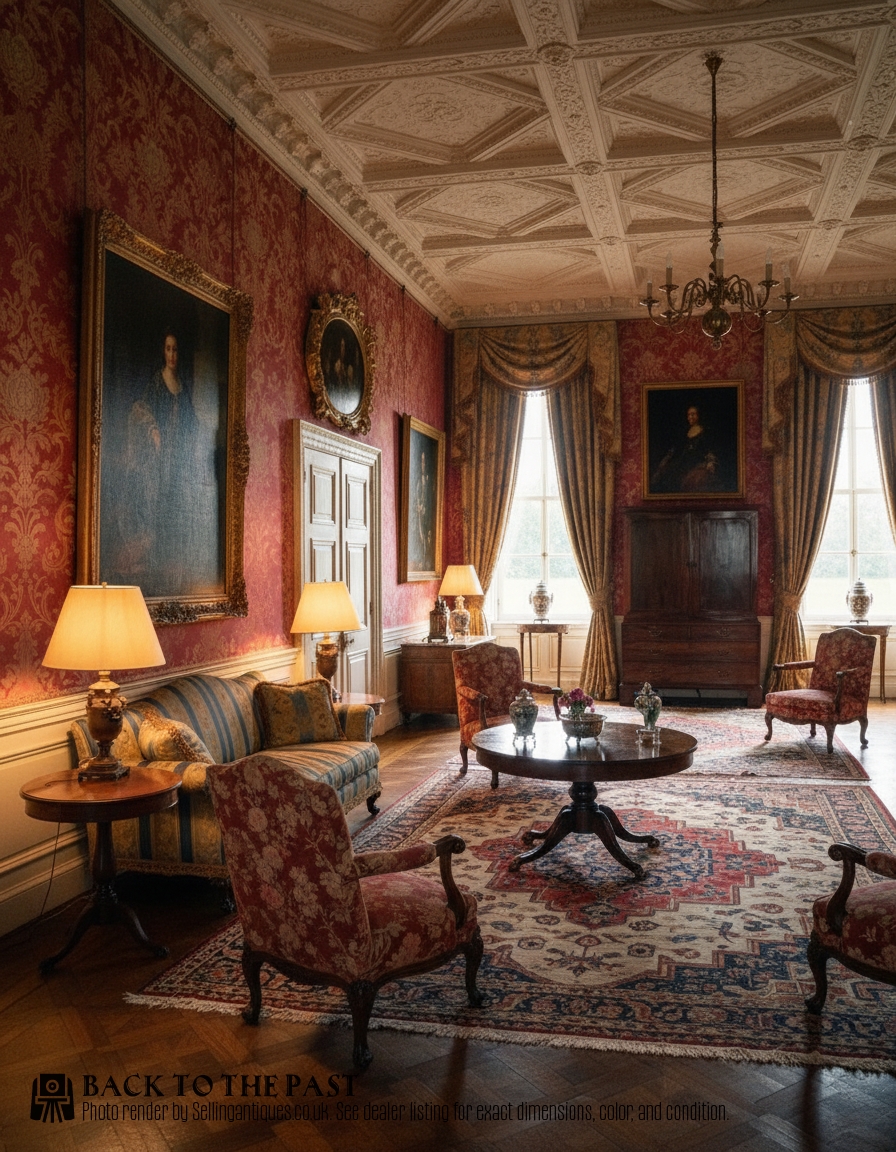
The Forms of Mahogany Cupboard Cabinet
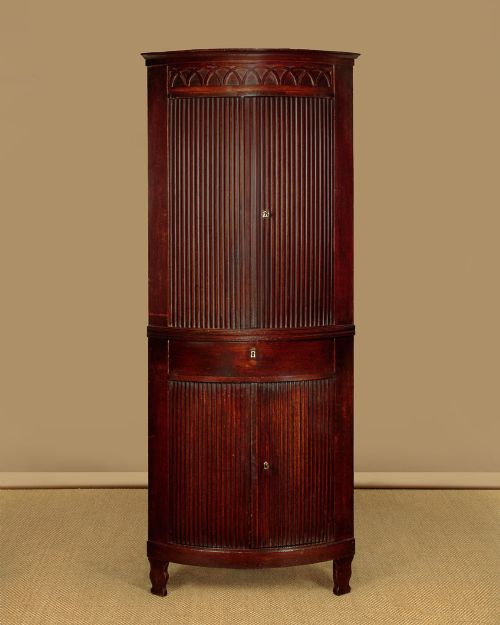
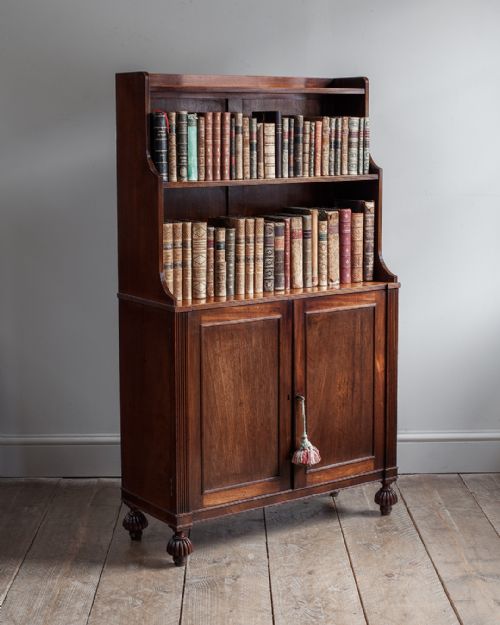
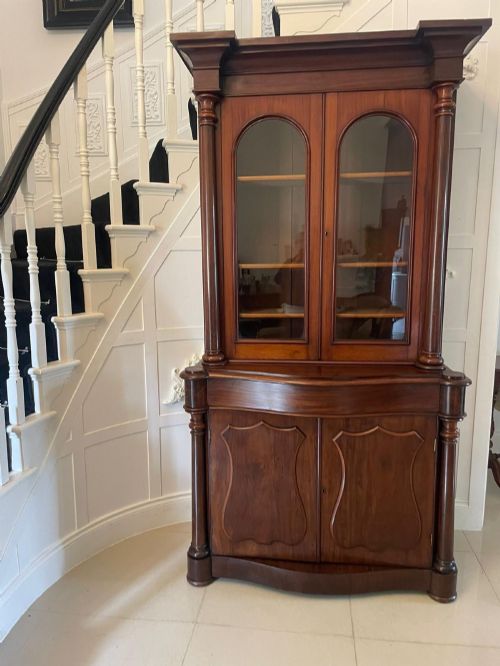
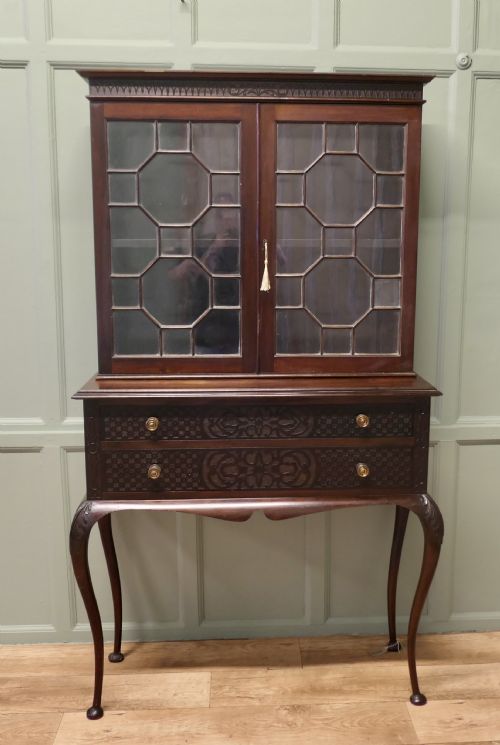
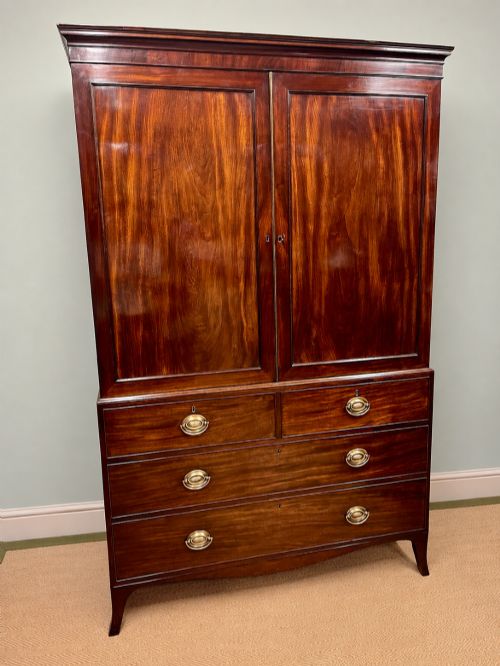
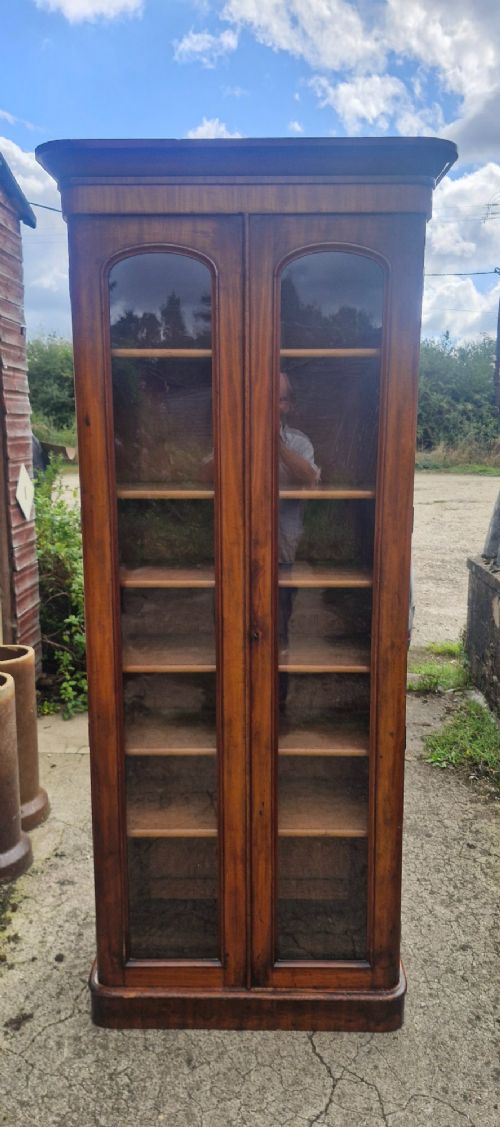
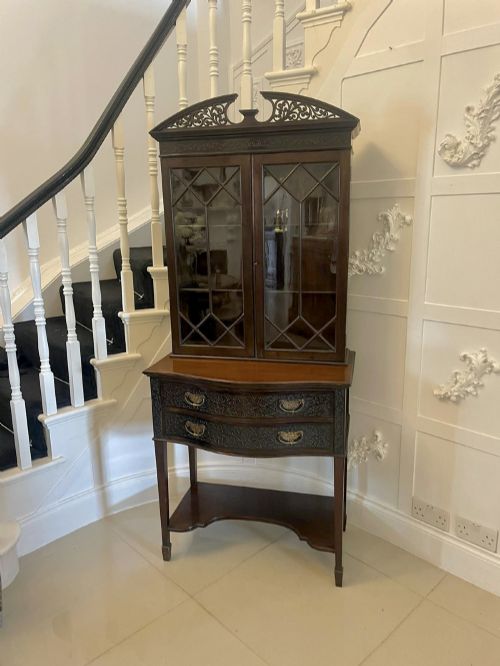
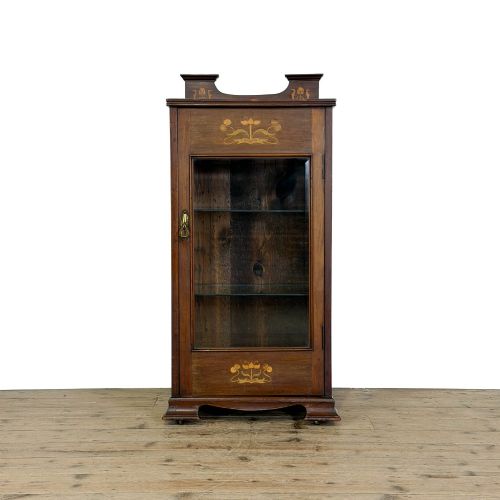
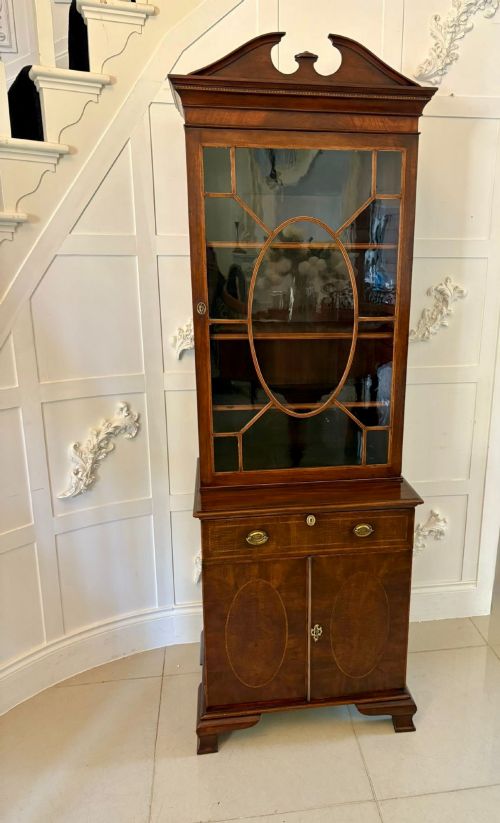
A mahogany cupboard cabinet encompasses a wide range of practical storage furniture, from tall library bookcases and linen presses to bedside tables, corner units and chiffoniers. The selections on this page bridge multiple eras, appearing most frequently in Georgian, Victorian and Edwardian iterations.
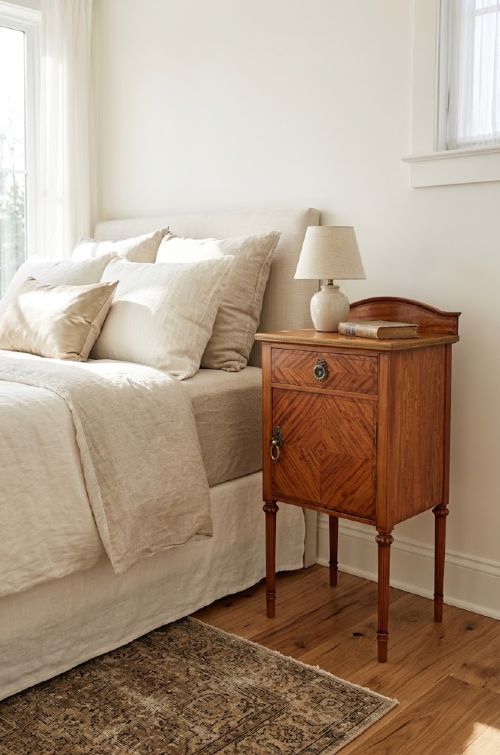
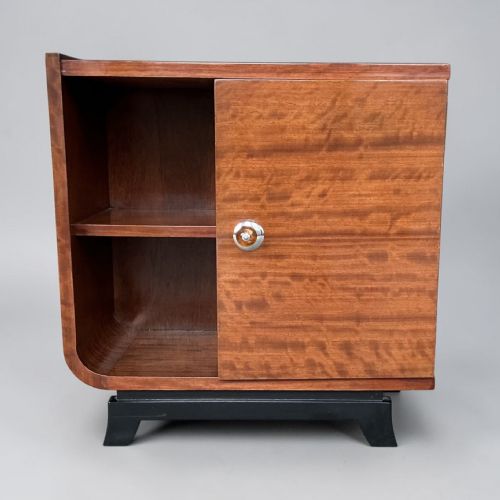
Buyers encounter versatile formats designed for specific domestic uses, such as bedside pot cupboards, music cabinets with interior shelving, and wall-hanging corner units. These pieces range from compact bedside companions to substantial double-height standing pieces.
The construction styles shift according to date and purpose, showing architectural cornices, glazed display doors, and bow-fronted profiles. Oak often appears alongside mahogany as a secondary wood in interior framing and drawer linings.
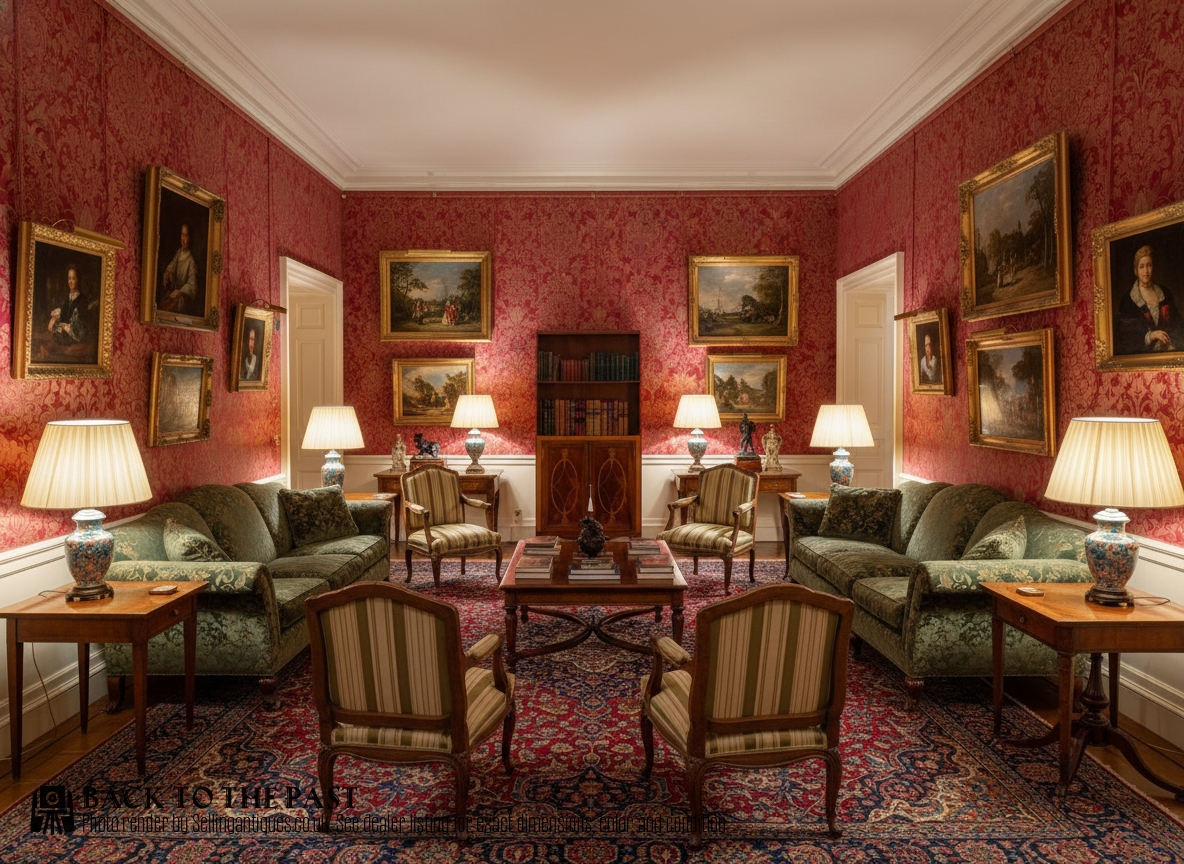
Materials and Construction
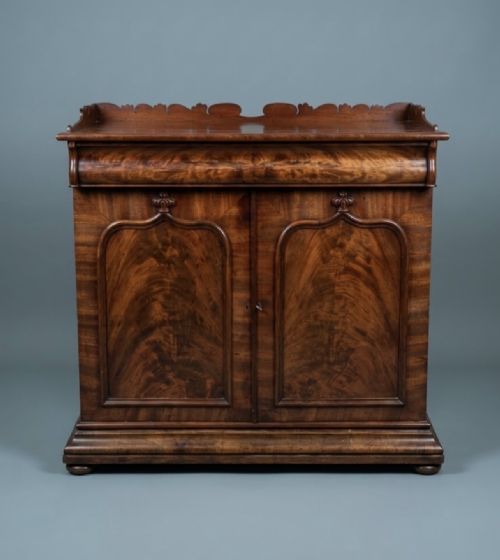
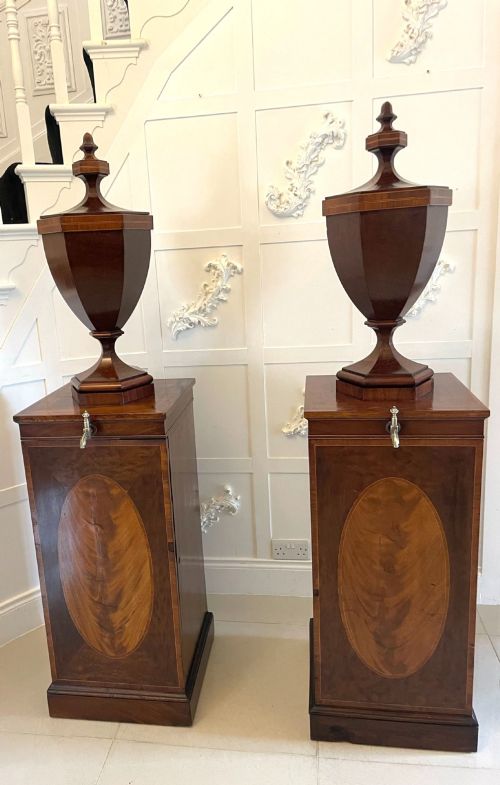
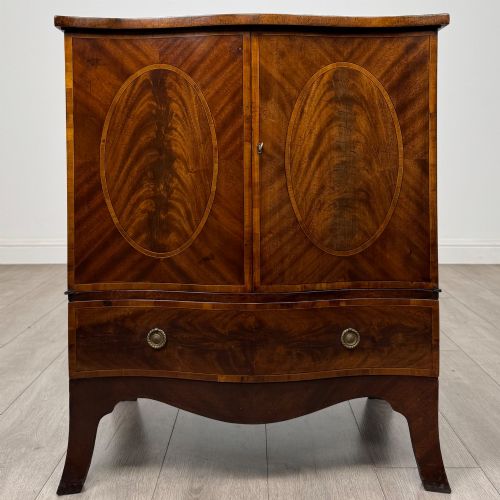
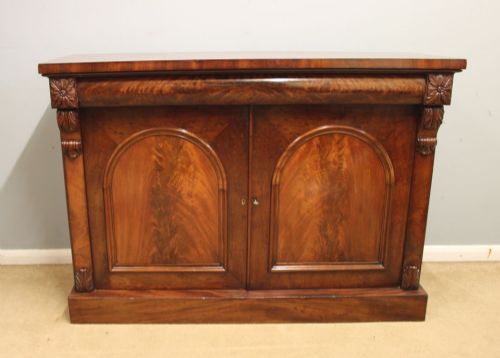
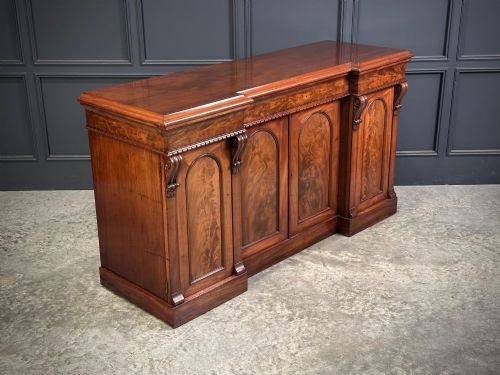
Cabinet makers utilised solid mahogany and figured veneers, often selecting flame mahogany or plum pudding mahogany for prominent door panels to display striking grain patterns. Satinwood stringing, marquetry inlay and brass hardware frequently complement the primary timber.
Structural integrity relies on traditional joinery methods, with secondary timbers such as oak used for drawer construction and internal shelving. Doors feature panelled timber, glass glazing, or arcaded forms set above turned peg feet, bracket feet, or ogee mouldings.
Retail Price Guide 2026
Typical UK retail prices for mahogany cupboard cabinet, calculated from the Sellingantiques database of over a million retail prices indexed since 2003. This retail price guide relies exclusively on Sellingantiques data; no external sources or auction records are used, so the figures do not describe the wider market.
Some nineteenth-century bedside cabinets secretly moonlighted as chamber pot holders before evolving into respectable lamp stands.
Distinctions in Quality
Quality rests upon the choice of timber and the precision of the cabinet work, particularly in the selection of figured mahogany veneers and the crispness of inlaid satinwood details. Superior examples exhibit balanced proportions, well-figured door panels, and intact original brass fittings.
The interior finish and secondary woods indicate the tier of craftsmanship, where fine dovetails on drawers and careful secondary framing separate standard utility pieces from high workshop production.
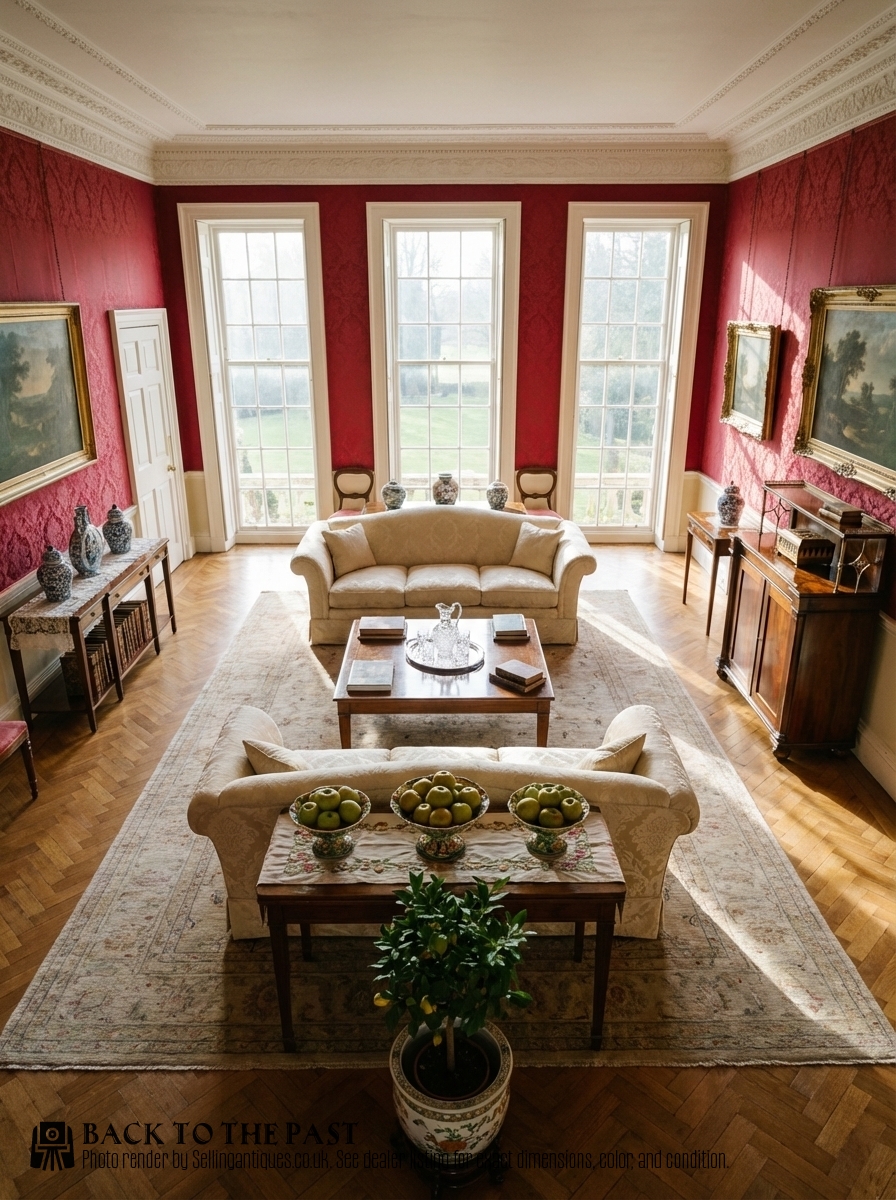
Gillows·Edwards and Roberts
The Mahogany Cupboard Cabinet Glossary
- Flame mahogany
- A veneer cut from timber where the branch meets the trunk, producing a distinctive flickering flame pattern. This decorative grain was favoured for principal doors and drawer fronts.
- Chiffonier
- A low sideboard or cabinet developed during the nineteenth century, typically featuring enclosed cupboards below surface shelving or drawers. It serves as compact living room storage.
- Pot cupboard
- A small bedside cabinet designed originally to house a chamber pot behind a single door. These compact units frequently double as lamp stands or nightstands.
- Marquetry
- The art of applying decorative pieces of veneer to a structure to form intricate patterns. Satinwood and other contrasting timbers are often employed in this technique.
- Ogee
- An S-shaped moulding profile combining a concave and convex curve. It commonly appears on the feet or cornices of eighteenth and nineteenth-century case furniture.
Frequently Asked Questions
How do I date a mahogany cupboard cabinet?
Dating relies on observing construction methods, timber choices, and stylistic cues such as hardware and foot design. Georgian pieces often display distinct bracket feet and cockbeaded drawer edges, whereas Edwardian items may feature inlaid marquetry and lighter proportions.
Secondary woods inside drawers also offer clues, with oak frequently appearing in earlier pieces. Comparing hardware fixings and backboards helps confirm the period of manufacture.
What is the difference between a chiffonier and a cupboard?
A chiffonier is a specific type of low sideboard that typically combines enclosed lower cupboards with upper shelving or a small superstructure. Standard cupboards focus purely on vertical or horizontal enclosed storage behind doors.
Chiffoniers emerged as prominent nineteenth-century living room furniture, while general cupboards served varied utility across bedrooms, libraries, and halls.
How should I care for antique mahogany furniture?
Maintenance involves keeping pieces away from direct sunlight and steady heat sources to prevent the timber and veneer from drying out. Regular dusting with a soft, dry cloth preserves the polished surface.
Occasional applications of appropriate wax help nourish the wood grain without building up heavy residues. Avoid using silicone-based polishes that can permanently penetrate old finishes.
Where were corner cabinets placed in historic homes?
Corner cabinets were specifically built to utilise awkward angles and dead space in dining rooms, parlours, and bedrooms. Wall-hanging versions saved floor space in smaller chambers.
Freestanding standing corner units anchored the room layout, often displaying ceramics or glassware behind glazed or panelled doors.