
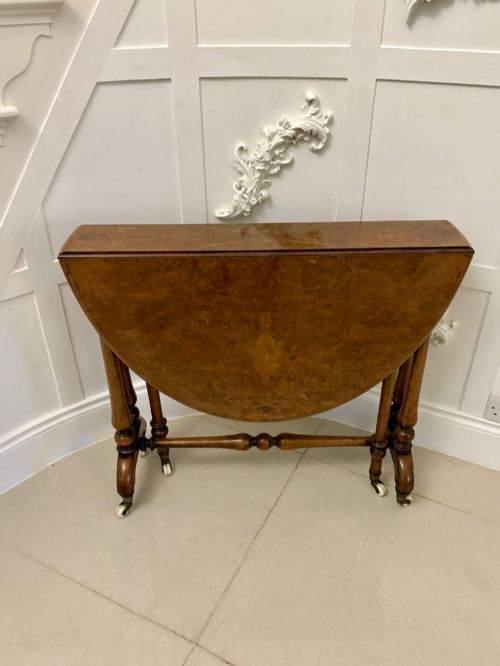
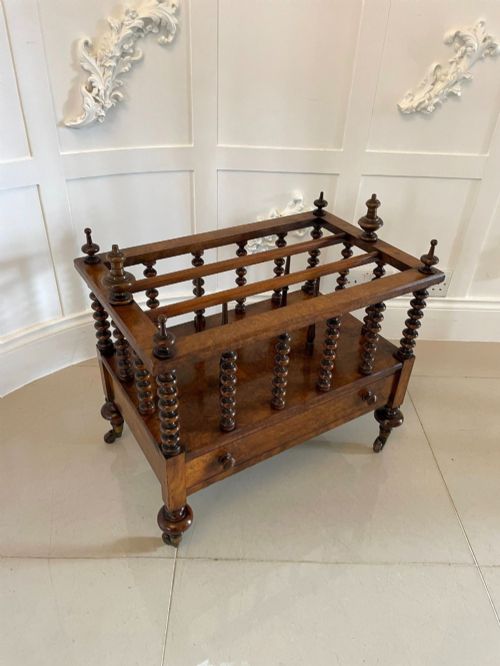
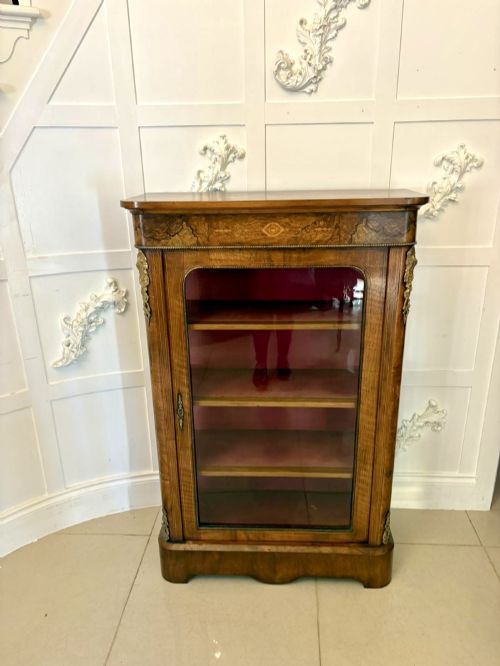
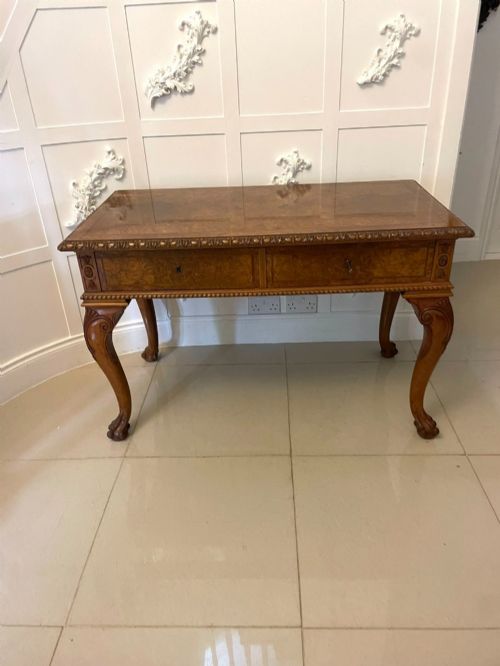
Antique Burr Walnut
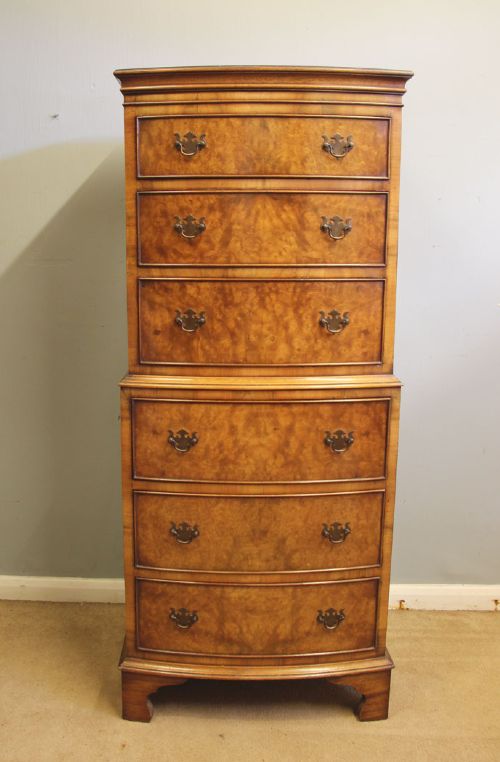
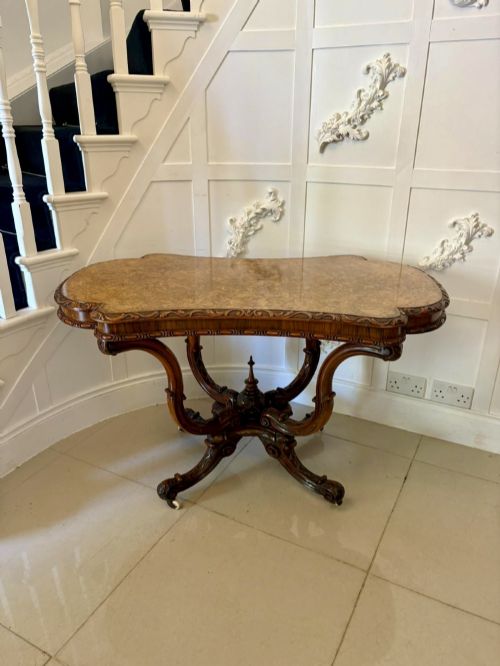
When you handle antique burr walnut, you encounter timber figured with dark knots and swirling burls that transform simple furniture into surfaces of extraordinary pattern.
Antique Burr Walnut
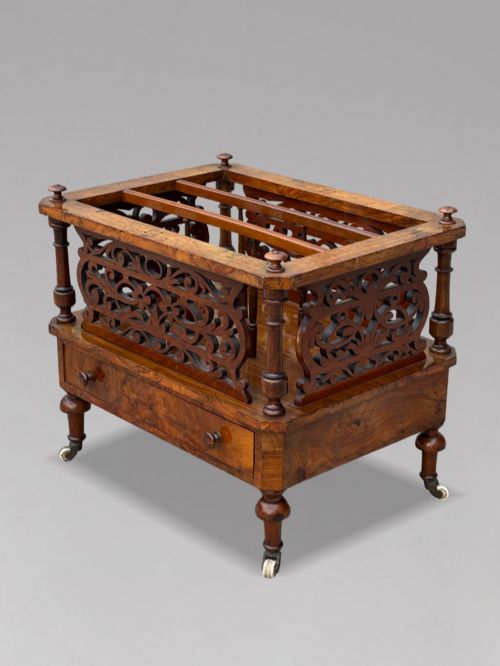
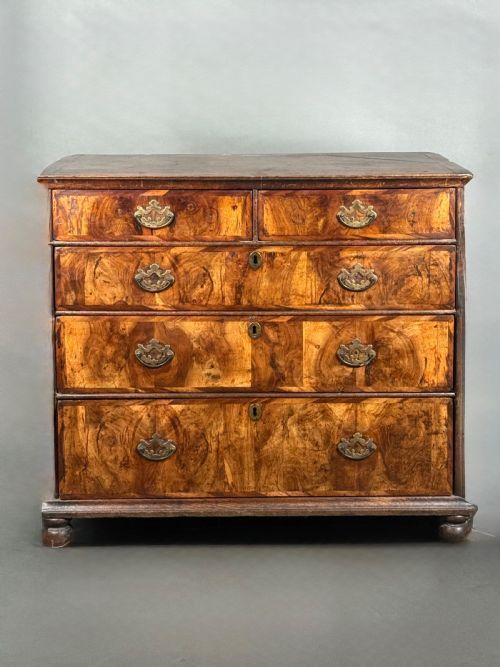
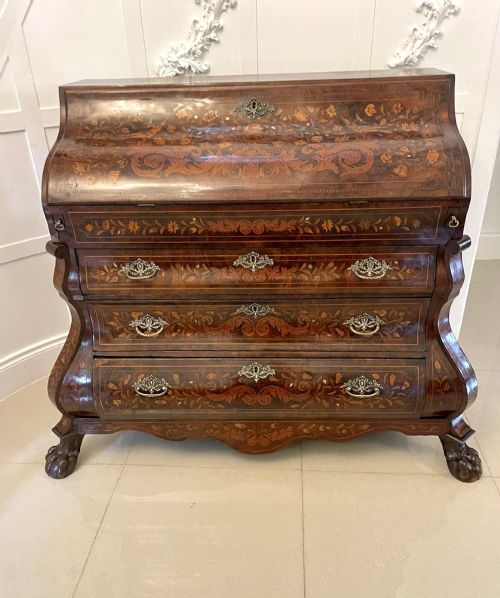
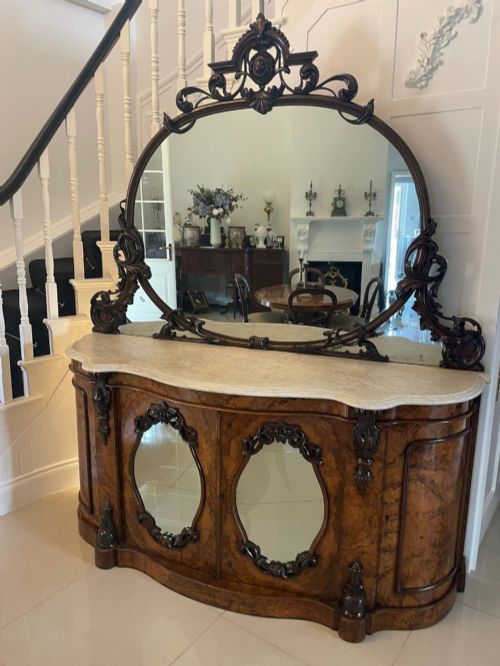
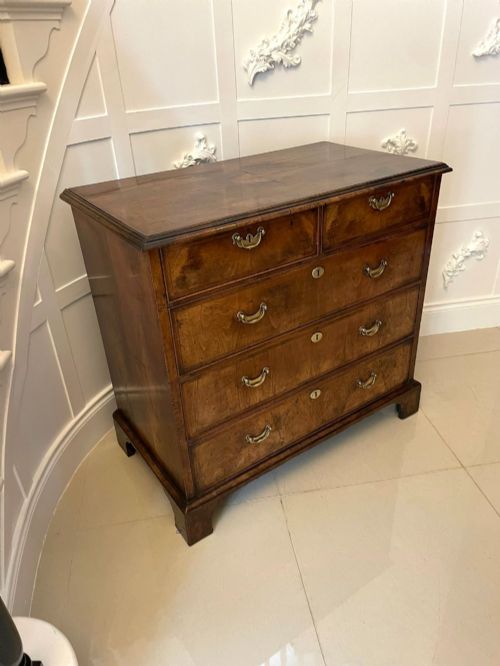
When searching for antique burr walnut, you are looking at items shaped from timber harvested where irregular tree growths create intricate grain patterns. Pieces span centuries, appearing as 18th century bureaus, Victorian credenzas, and later Art Deco sideboards.
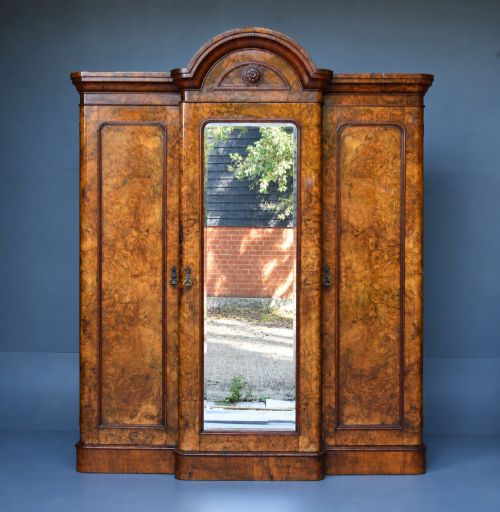
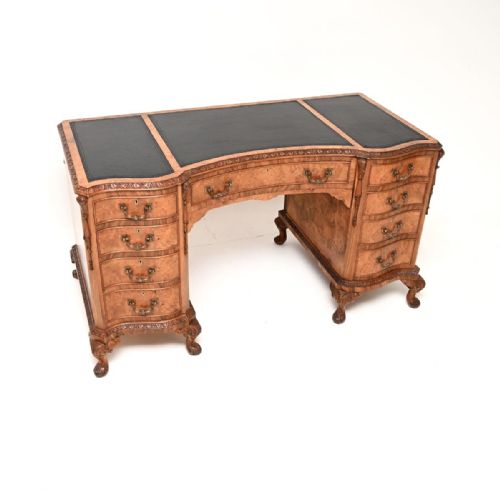
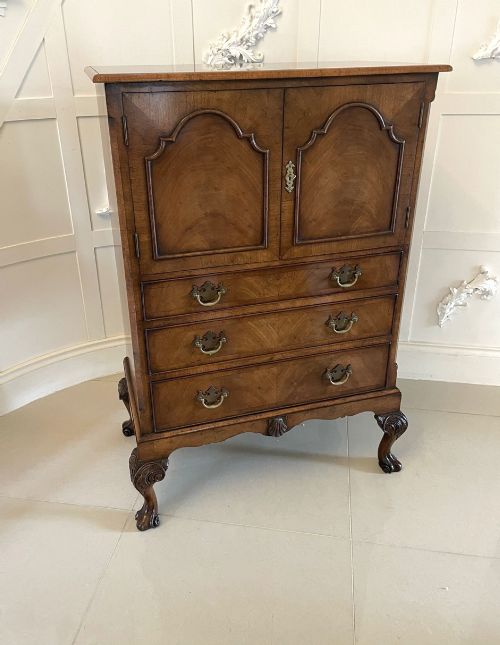
The selections on this page run from compact bedside chests and occasional tables to large triple wardrobes and breakfront bookcases. You meet formal items like pedestal desks alongside domestic forms such as sewing tables and games tables.
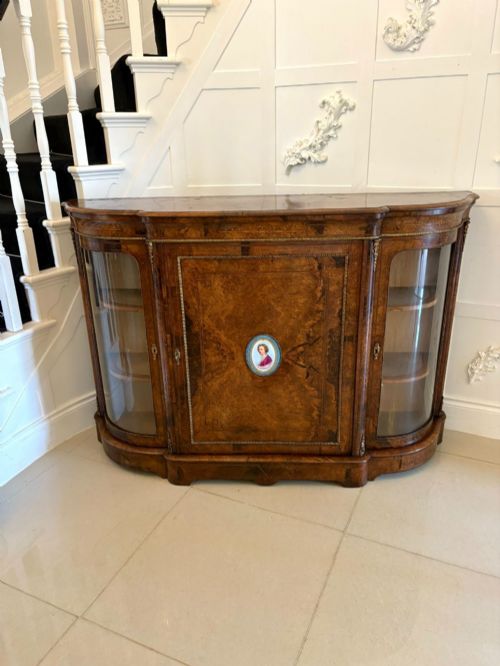
Victorian and early 20th century examples predominate, often pairing the figured wood veneer with mahogany carcasses, brass mounts, and leather writing surfaces. Cabinets, credenzas and sideboards demonstrate how cabinetmakers utilised the dramatic veneer across substantial structural surfaces.
How they were made
Cabinetmakers sliced thin sheets of burr walnut veneer from gnarled tree growths and applied them over secondary timbers such as oak or pine. This technique displayed the complex grain across expansive panels while maintaining structural stability.
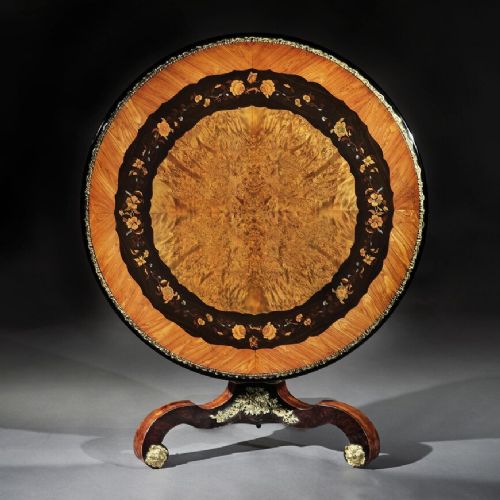
Craftsmen enhanced the veneer with crossbanding, marquetry inlay, and brass hardware. Ormolu mounts, glass doors, and leather inserts completed formal desks and credenzas, while polish built a deep sheen that highlighted the natural swirls.
Some dining sideboards arrive complete with their original twelve-piece cutlery sets, preserving a full Victorian or Edwardian dining ritual.
What varies in quality
Quality rests principally in the density and symmetry of the burr figure across the panels. Superior examples display dense, uninterrupted swirling patterns that match evenly across drawer fronts and table tops.
Construction methods and secondary details also separate grades of work. Finely made pieces employ precise marquetry inlay, substantial brass fittings, and well-fitted drawers with secondary timbers like oak, rather than simpler construction.
Edward Holmes Baldock·Maple and Co·Maurice Adams·Epstein·Hille
The Antique Burr Walnut Glossary
- Burr walnut
- A veneer cut from the distorted growth or burl of a walnut tree, prized for its swirling, knotty grain patterns. It requires careful application by cabinetmakers to cover large furniture surfaces.
- Marquetry
- The art of applying pieces of veneer to a structure to form decorative patterns and pictures. Floral and geometric designs often adorn the surfaces of bureaus and tables.
- Crossbanding
- A narrow strip of veneer laid around the border of a panel with the grain running perpendicular to the centre. This frames the main burr walnut field.
- Credenza
- A sideboard or display cabinet, frequently featuring glass doors and porcelain mounts. Victorian versions often include mirror backs and intricate carving.
- Ormolu
- Gilded bronze used for decorative mounts and feet on high-status furniture. It adds metallic contrast to the dark timber.
Antique Burr Walnut: Frequently Asked Questions
How do I care for burr walnut furniture?
Keep these pieces away from direct sunlight and steady heat sources to prevent the veneer from drying out or lifting from the carcass.
Apply a traditional beeswax polish occasionally and buff gently with a soft cloth to maintain the lustre without building up heavy residues.
How can I tell a Victorian piece from a 20th century one?
Victorian items often incorporate heavy carved ornamentation, mirrored backs, porcelain plaques, and distinct revival styles such as French or Dutch influences. The construction typically relies on solid mahogany or pine carcasses beneath the veneer.
Later pieces from the 1920s and 1930s lean towards cleaner geometric lines, particularly in Art Deco wardrobes, sideboards, and cocktail cabinets.
Were these pieces used in specific rooms?
Bureau bookcases, pedestal desks, and writing tables served formal studies and libraries, while credenzas and pier cabinets occupied drawing rooms to display porcelain and glassware.
Dining rooms accommodated large extending tables, serving tables, and sideboards fitted with specialised cutlery storage.