



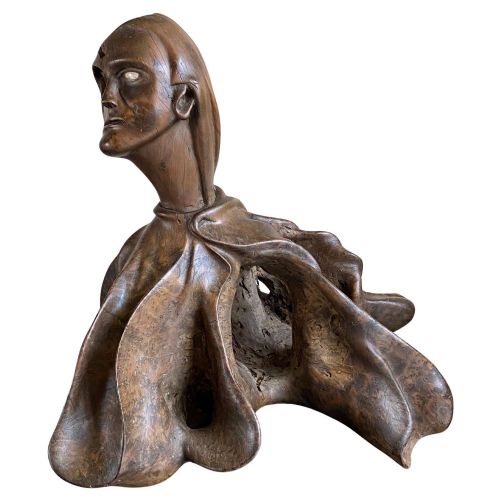


Natural Wood Sculpture
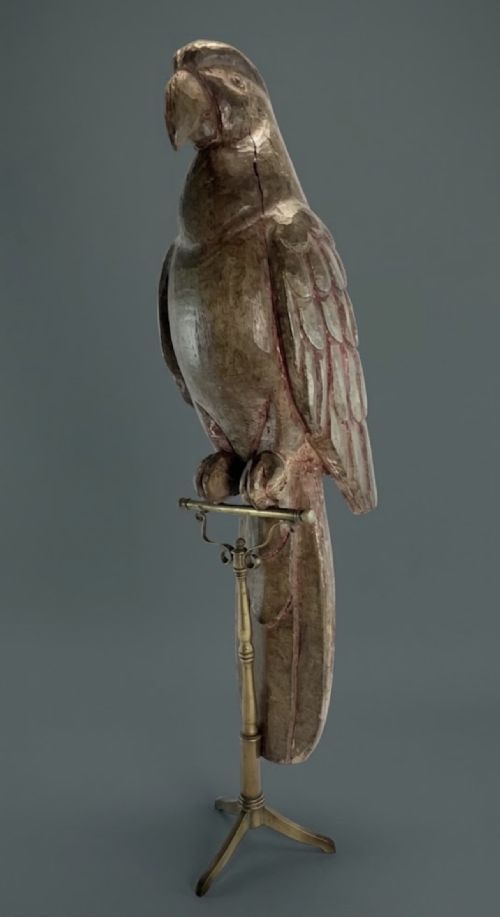
Natural wood sculpture gathers carved figures, root forms and architectural fragments spanning multiple centuries.
Natural Wood Sculpture
A natural wood sculpture comprises carved figures, rustic forms and organic root structures shaped by human hands or natural growth over centuries. Buyers seek these pieces for their tactile qualities, irregular contours and the distinct character brought by age.
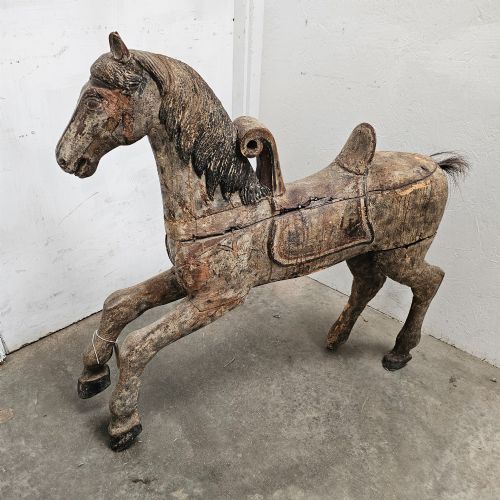
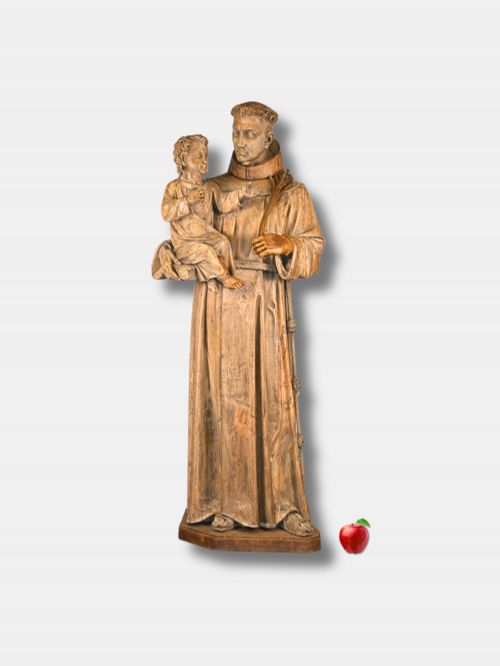
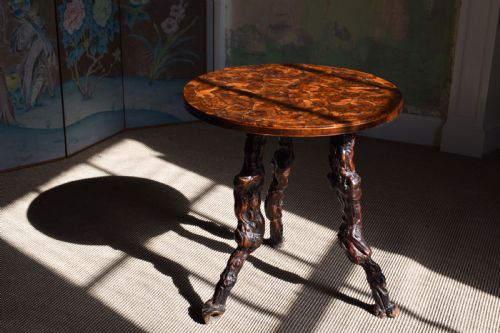
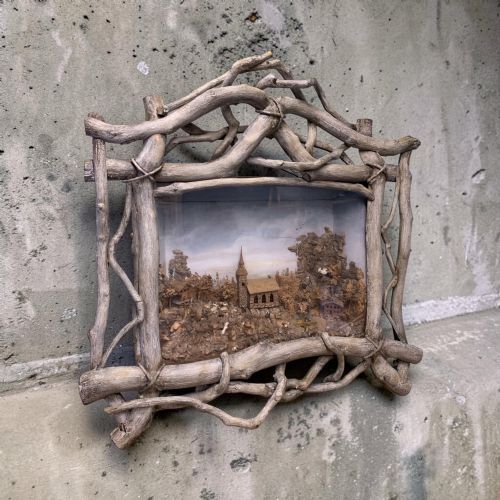
The selection here encompasses everything from French carousel horses and devotional figures to Chinese rootwood carvings and Victorian folk art branches. French, Chinese and German origins appear frequently alongside British and Italian examples.
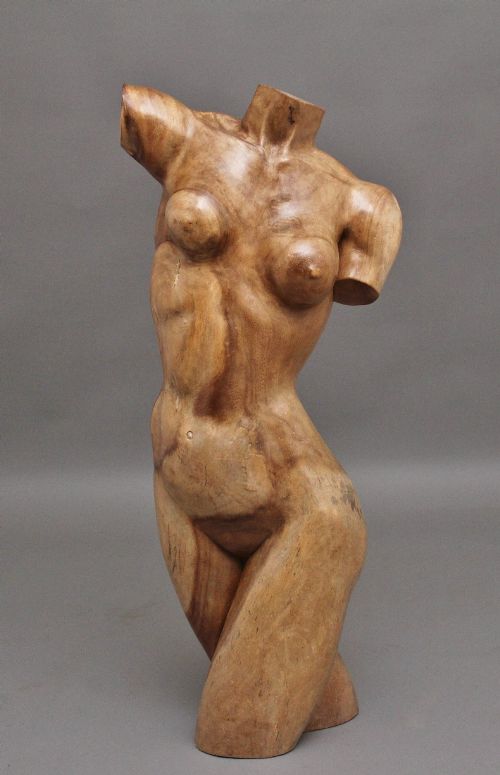
Forms range from life-size human torsos and religious saints to animal figures, architectural models and polished specimens mounted on bespoke stands. Many incorporate metal stands, brass fittings or stone tops to support the organic timber forms.
Materials and construction
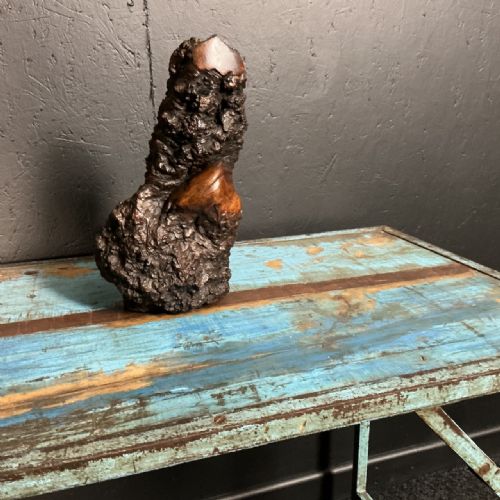
Artisans utilised varied timbers including oak, elm, lindenwood, yew and exotic root wood, selecting burr and gnarled sections for their natural movement. Hand carving, polychrome painting and polishing define the primary finishing techniques.
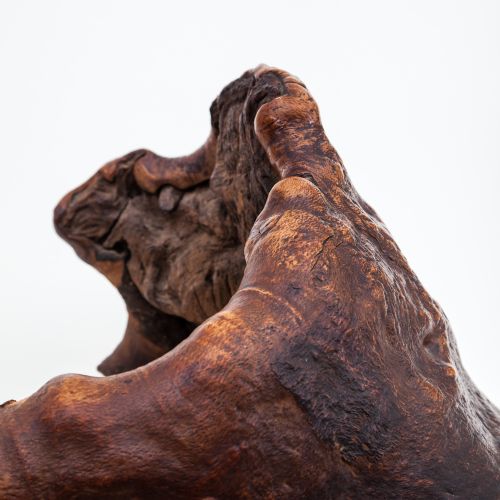
Many Chinese items employ root wood shaped closely to its natural growth, whilst European religious figures and folk art utilise dense hardwoods carved in high relief. Stands integrate brass, iron and bespoke metalwork to display heavy timber sections safely.
Carvers occasionally spied human faces hiding inside gnarled roots, releasing them with a few clever chisel strokes.
Judging quality in timber sculpture
The integrity of the original surface patina and the honesty of any mounted stand heavily influence the standing of a piece. Older polychrome layers, minimal structural intervention and well-preserved timber surfaces distinguish superior examples.
The Natural Wood Sculpture Glossary
- Root wood
- Timber sourced from the root system of a tree, prized by carvers for its twisted grain and knobbly texture. It often dictates the final shape of the sculpture.
- Polychrome
- Painted in several colours, frequently applied to gesso over timber in religious figures and decorative carvings. This finish adds visual depth to historical pieces.
- Burr walnut
- A tree growth where the grain has grown in a deformed manner, producing intricate patterns. Furniture makers and sculptors value it for highly decorative surfaces.
- Folk art
- Utilitarian or decorative objects made by self-taught individuals outside academic traditions. These items celebrate regional vernacular styles and resourcefulness.
- Santos
- A carved figure representing a saint or religious figure, historically used in processions or domestic devotion. They frequently appear with articulated limbs or textile elements.
Natural Wood Sculpture: Frequently Asked Questions
What is natural wood sculpture?
A natural wood sculpture is a carved or organic wooden object, ranging from folk art branches and religious saints to Chinese root carvings.
These pieces highlight the innate grain, knots and gnarled shapes of timbers like oak, elm, yew and burr walnut.
How were antique wooden figures made?
Artisans carved timbers by hand using gouges and chisels, often following the natural twists of root wood or branches.
Some items received polychrome paint layers or polished wax finishes to highlight the organic contours of the grain.
How do I style a root wood sculpture?
Root wood sculptures suit neutral surfaces where their irregular silhouettes and tactile grain can command attention without visual competition.
Pairing a rustic timber form with modern architectural interiors creates a striking contrast between raw nature and structured living spaces.
How do I date antique wooden carvings?
Dating relies on tool marks, timber shrinkage, style of carving, and the presence of original surface finishes like old wax or polychrome paint.
Historical context, such as Baroque drapery styles or Qing Dynasty carving conventions, further helps narrow the period of origin.