





Mid Century Wood Sculpture
Mid century wood sculpture brings together varied organic forms and animal figures crafted across global traditions and earlier eras.
Mid Century Wood Sculpture
When buyers search for mid century wood sculpture, they encounter a diverse assortment ranging from Art Deco animal figures to traditional Balinese and African carvings. The pieces grouped under this broad category often span multiple centuries and geographic origins, reflecting distinct cultural and artistic movements.
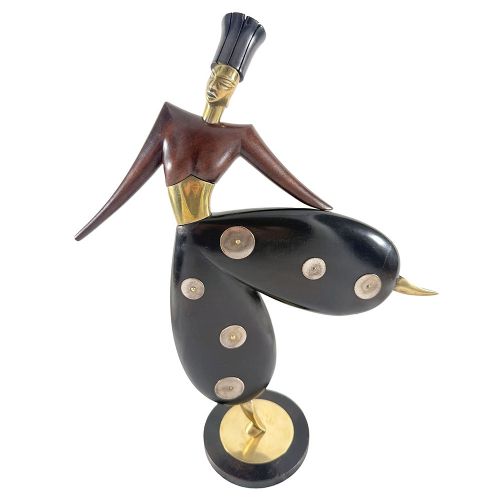
The selection on this page frequently includes modernist dancers and panthers alongside Continental limewood religious figures and Japanese boxwood netsuke. This mixture showcases how diverse historical periods and folk traditions merge under a single decorative heading.
Materials and construction
The physical objects rely heavily on native and exotic timbers such as oak, yew wood, boxwood, hardwood, and limewood, often chosen for their grain and density. Artisans utilised hand-carving techniques to shape these materials into figurative studies, deities, and stylized animals.
Listings span from the 16th Century to the 20th Century, featuring materials such as boxwood, oak, yew wood, brass, and pigment.
Assessing quality
Quality in these carvings rests upon the precision of the hand-carving and the expressive capability of the maker in capturing movement or anatomy. Pieces with dynamic forms, such as the Art Deco stylised dancers and panthers, demonstrate a high degree of sculptural fluency.
The choice of timber and the preservation of original surfaces also dictate the standing of a piece. Finer works display careful attention to natural grain patterns and secure integration of auxiliary materials like brass.
Sier Kunst·Laszlo Hoenig
The Mid Century Wood Sculpture Glossary
- Boxwood
- A dense, pale hardwood prized by carvers for miniature and intricate works such as Japanese netsuke. It holds fine detail without splintering.
- Limewood
- A traditional European timber favoured for large religious figures because it cuts easily in any direction and accepts smooth finishes. It allows for deep undercut drapery and facial expression.
- Netsuke
- A small Japanese toggle carved from wood or ivory used to secure a pouch or small container to a kimono sash. They often depict animals, deities, or figures from daily life.
- Hardwood
- Timber from broad-leaved deciduous trees that offers superior weight, hardness, and durability for lasting sculptural forms. It resists denting better than softwoods.
Mid Century Wood Sculpture: Frequently Asked Questions
What periods do these wood sculptures cover?
The listings encompass items ranging from the sixteenth century through the nineteenth century and into the modernist movements of the nineteen-thirties. Each era brings distinct regional techniques and aesthetic priorities.
Buyers find sixteenth-century Continental limewood alongside nineteenth-century Japanese boxwood and twentieth-century Art Deco pieces.
How are different wood types identified?
Identification relies on observing grain patterns, colour, weight, and historical context. Oak and yew display pronounced growth rings, while boxwood and limewood offer finer, more uniform textures.
Examining the underside or unpolished areas helps reveal the natural characteristics of the timber used by the carver.
What subjects are most common?
Subjects range widely from religious figures like St. Paul and St. John the Baptist to stylized animals including panthers, ibexes, and toads. Cultural figures such as Balinese deities and African fertility pieces also appear.
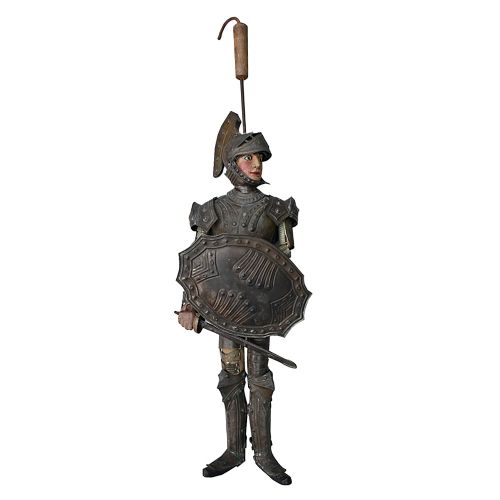
Human representations include tribal busts, dancers, and Sicilian marionettes reflecting diverse global traditions.
How do I care for antique wood sculpture?
Preservation requires stable indoor humidity levels and protection from direct sunlight to prevent timber from drying out, warping, or cracking. Gentle dusting with a dry, soft cloth is generally sufficient for maintenance.
Avoid using modern liquid polishes or silicone sprays that can penetrate the grain and alter the historic surface finish.