


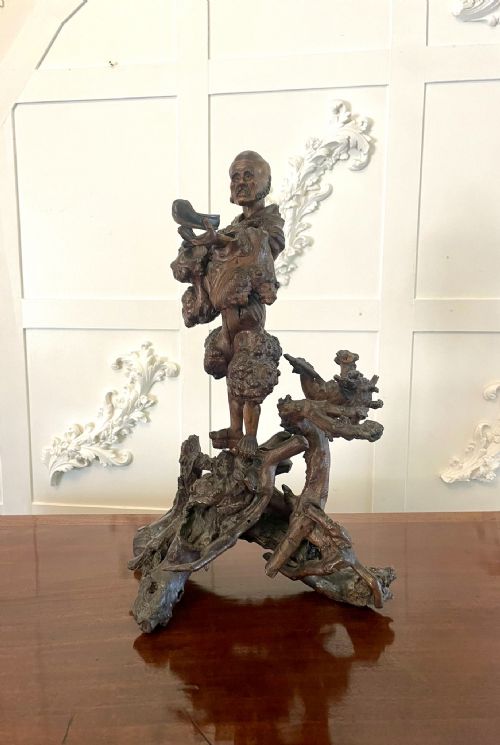


Wooden Root Carving
Wooden root carving pieces turn gnarled natural timber into figurative sculptures and functional objects that bring organic texture into a room.
Wooden Root Carving
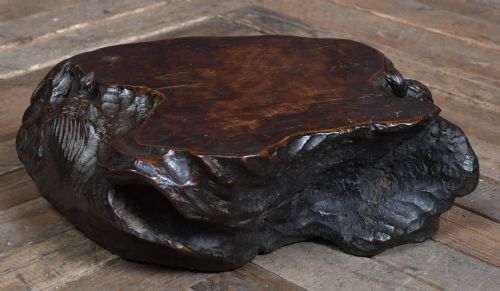
A wooden root carving uses the natural twists, knots and gnarled formations of tree roots and burls to shape figures, animals, lamps and display stands. When you search for wooden root carving, you find pieces originating from Chinese workshops of the eighteenth and nineteenth centuries alongside Japanese Meiji period examples and European folk art.
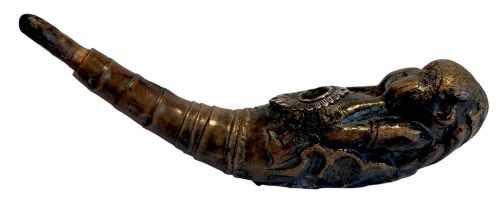
The most common forms on this page include figurative sculptures of scholars and mythological dogs, alongside utilitarian items such as table lamps, walking stick handles and tobacco boxes. Makers often followed the natural contours of the timber to suggest human figures, deities or animals without altering the underlying growth.
Materials and construction
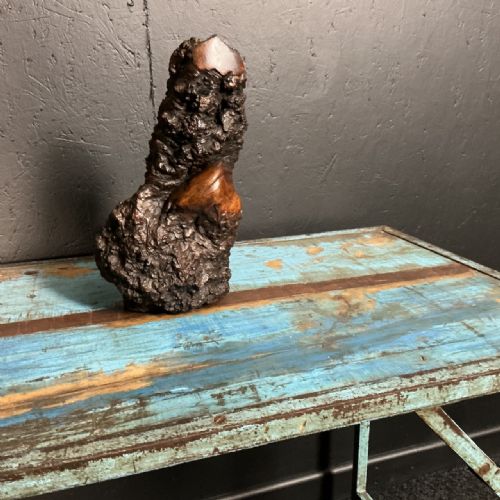
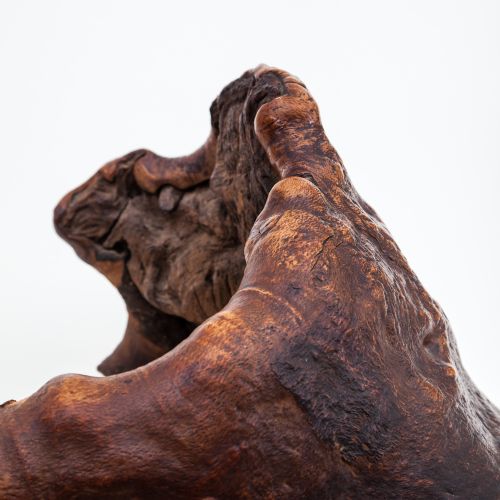
Carvers utilised dense regional hardwoods, bamboo, teak, and burr or burl woods including walnut and pollard birch. The natural grain and irregular swellings of root timber dictated the final shape, requiring precise hand chiselling to reveal figures while preserving the raw edge of the wood.
Selected pieces combine the carved root wood with metal elements such as brass fixtures for lamps or integrated fittings for smoking pipes and walking sticks. Surfaces were typically polished or left with a natural finish to highlight the varied grain patterns and complex node structures.
Listings feature items dated from the eighteenth century through the early twentieth century, spanning Chinese, Japanese and European origins.
Assessing quality and character
The depth of hand carving and the density of the burr figure set superior sculptures apart from simpler branch work. A well-executed piece retains the organic vitality of the root while achieving clear definition in the carved subject.
The Wooden Root Carving Glossary
- Root wood
- Timber taken from the underground structure of a tree, prized for its twisted grain and irregular knots. Carvers select these sections for their unique, organic shapes.
- Burr wood
- A growth on a tree where the grain has grown in a deformed manner, resulting in swirling patterns when polished. It is frequently seen in nineteenth century decorative boxes and sculptures.
- Foo dog
- A traditional Chinese guardian lion depicted in sculptural forms. These mythical beasts appear frequently in carved root wood and hardwood figures.
- Bonsai stand
- A low wooden platform or display table designed to elevate a potted plant or scholar's stone. Many are fashioned from gnarled roots to complement the natural form of the plant.
Wooden Root Carving: Frequently Asked Questions
How do I clean wooden root carving pieces?
Dust the carvings gently with a dry, soft brush to reach into the crevices of the gnarled grain. Avoid using water or liquid polishes, which can seep into unsealed wood and damage the ancient fibres.
Keep the pieces away from direct sunlight and radiators to prevent the timber from drying out and splitting over time.
What is the difference between burl and root wood?
Root wood comes from the underground root system of a tree, known for long, twisted shapes and soil-formed contours. Burr or burl wood refers to a tree growth deformity that produces dense, swirling patterns of grain.
Both materials were chosen by carvers for their decorative irregularity, but burr wood is typically flatter and denser than sprawling root timber.
How can I tell the age of a root carving?
Examine the tool marks, surface patina and wear patterns left by handling over generations. Eighteenth and nineteenth-century pieces often display hand-chiselled detailing and deep oxidation in the grain.
Compare the style of the carving, such as Qing dynasty scholar figures or Meiji period stands, with documented examples from the same era to confirm origin.
Where should I display a root wood sculpture?
Place root sculptures on stable surfaces where their complex, three-dimensional forms can be viewed from multiple angles. Pairing them with simple modern furniture allows the organic lines of the gnarled wood to stand out.
Ensure the placement protects the piece from heavy foot traffic, as delicate protruding branches or carved fingers can be vulnerable to knocks.