
Antique Bureau with Cabinet
An antique bureau with cabinet combines a practical writing slope and a shelved bookcase, offering traditional storage and a dedicated workspace.
Antique Bureau with Cabinet
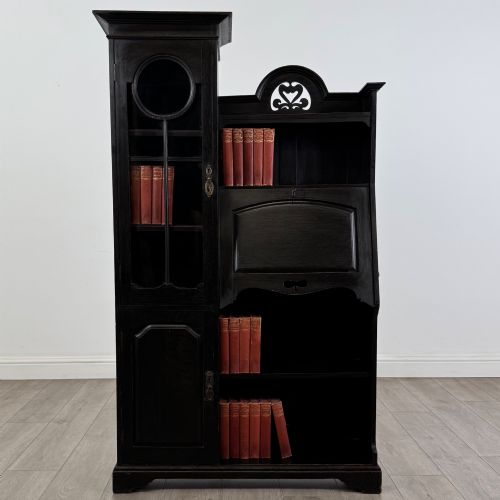
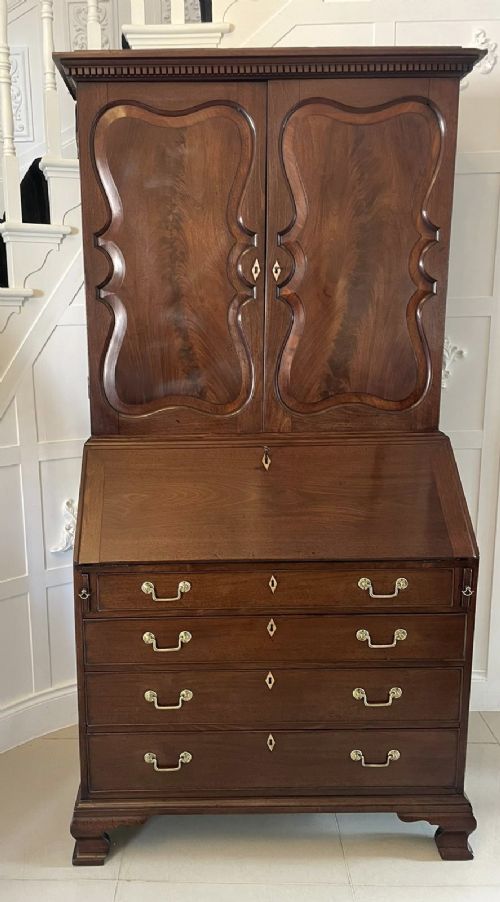
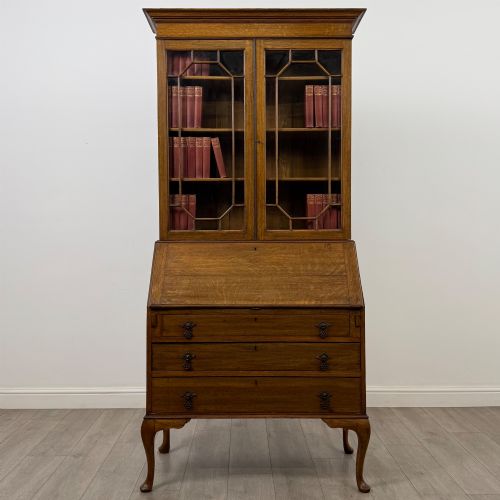
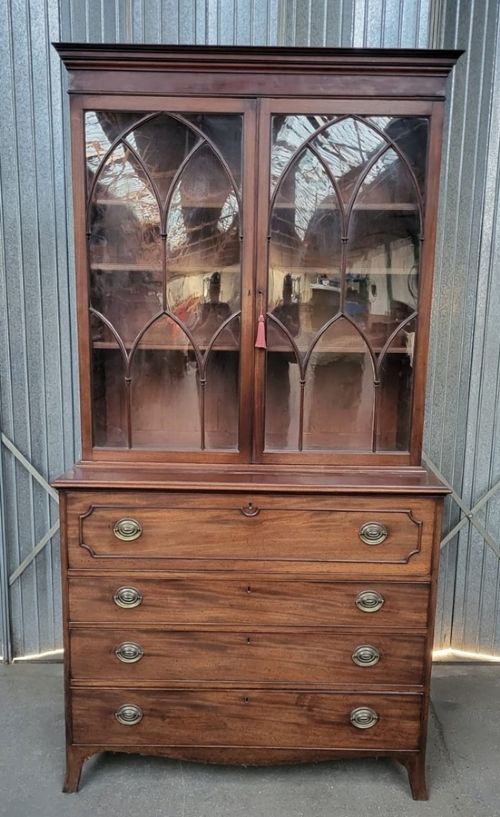
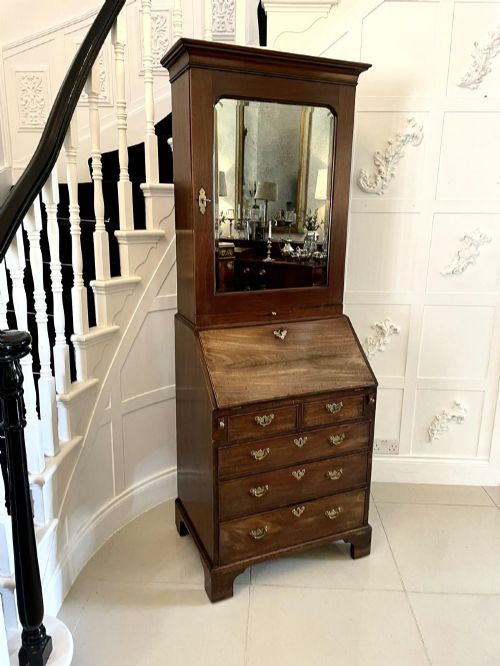
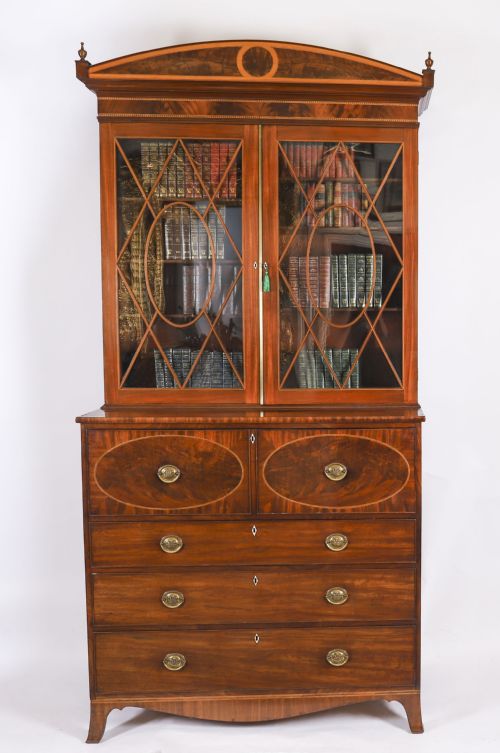
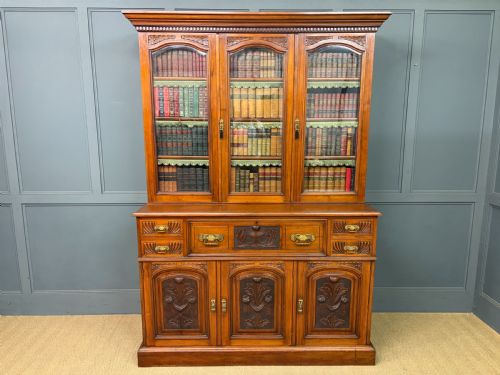
An antique bureau with cabinet pairs an upper bookcase section with a lower writing desk, typically taking the form of a bureau bookcase or secretaire bookcase. These pieces serve domestic workspaces by concealing pigeonholes and drawers behind a fall front while displaying books behind glazed doors.
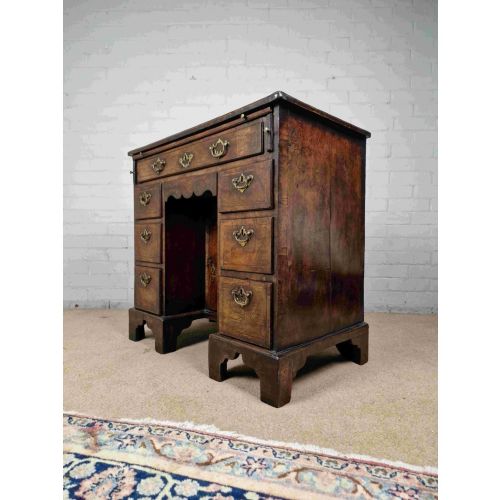
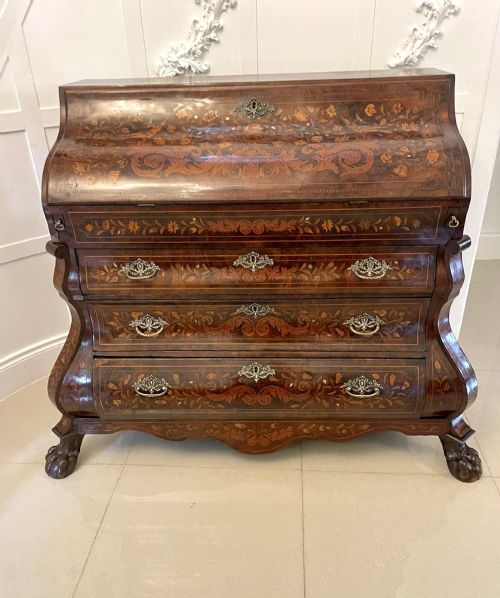
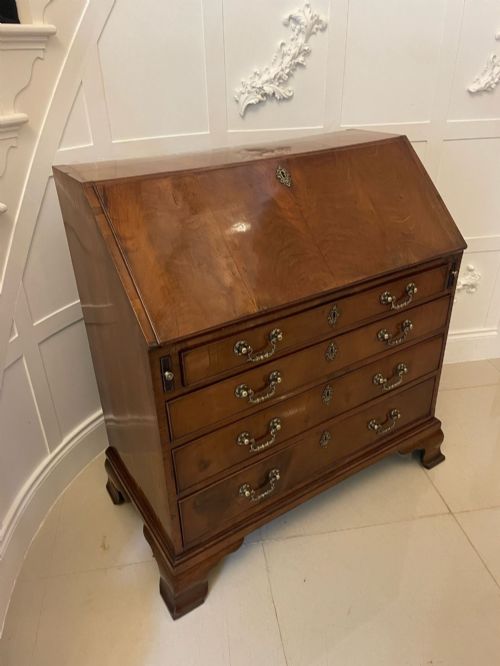
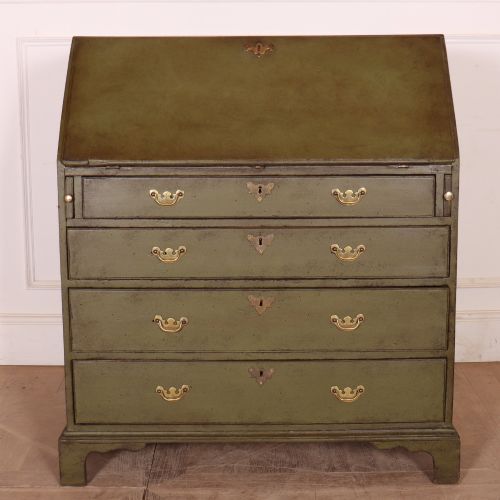
The pieces on this page span the 18th century, Georgian, Victorian, and Edwardian periods, stretching into the 1920s. Oak, walnut, and mahogany dominate the offerings, often taking classic forms such as the fall front writing bureau paired with fitted upper shelving.
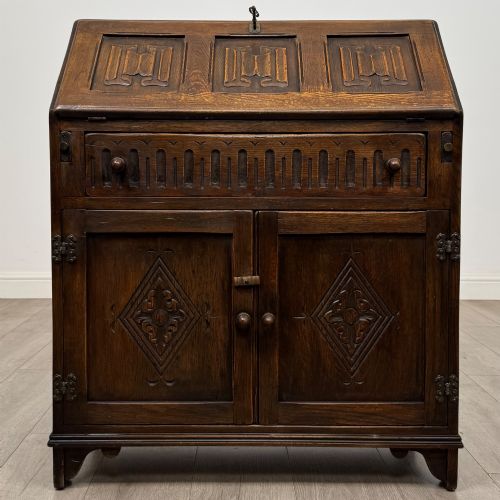
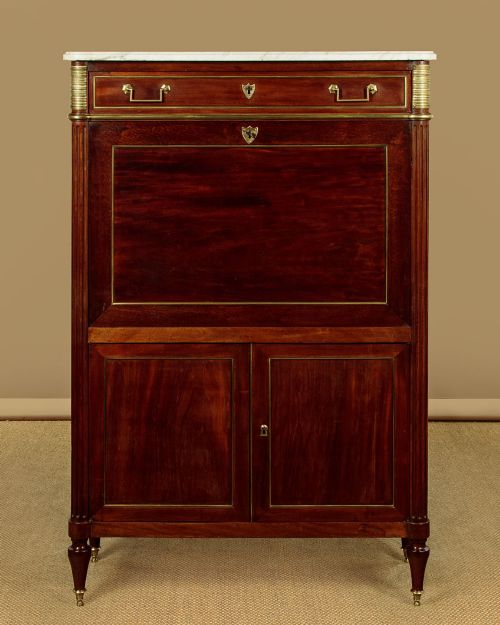
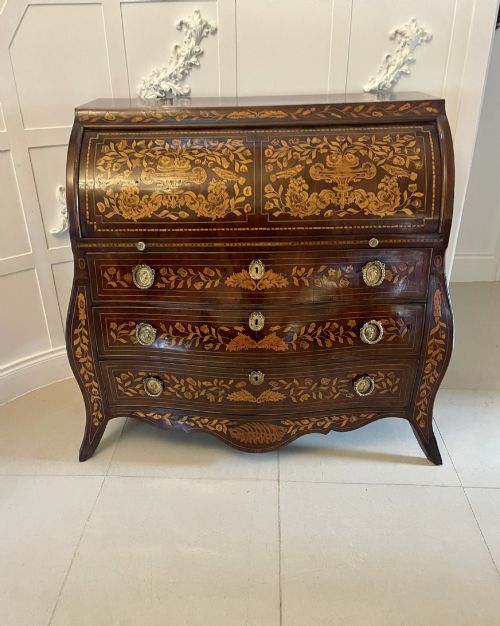
Makers and regional workshops produced diverse variations, from simple oak and linenfold panels to figured walnut and flame mahogany models adorned with satinwood inlay. Buyers encounter tall walnut escritoires, compact bureau de dame writing desks, and French marquetry secretaire cabinets with marble tops.
Materials and construction methods
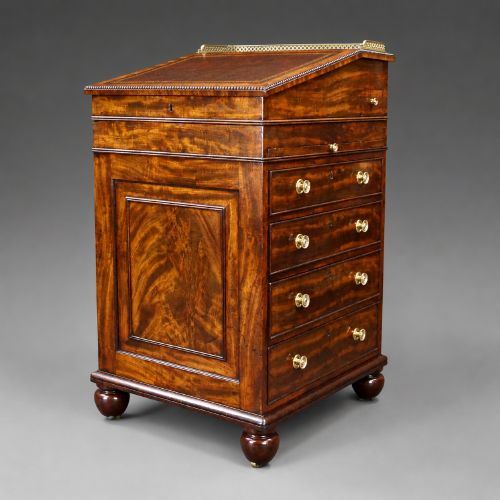
Cabinet makers utilised solid timbers and decorative veneers, choosing oak and mahogany for structural strength alongside walnut, burr walnut, kingwood, and rosewood for figured surfaces. Grain patterns such as flame and figure receive emphasis on fall fronts and cabinet doors.
Joinery techniques involve fitted interiors with stepped drawers, pigeonholes, and secret compartments concealed behind writing flaps. Brass hardware, ormolu mounts, leather writing surfaces, and glazed upper doors complete the construction of these cabinets.
Factors that distinguish individual pieces
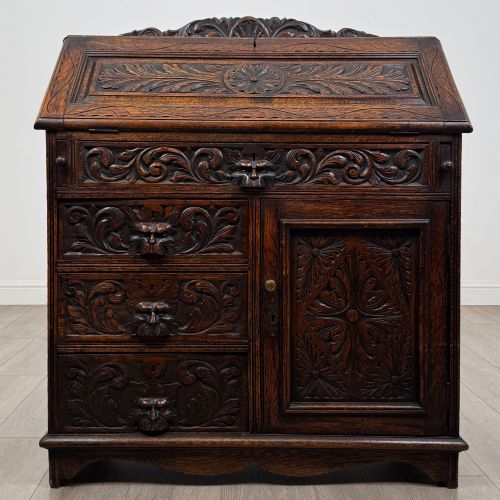
The calibre of an antique bureau with cabinet rests upon the selection of timber veneers, the precision of internal drawer construction, and the intricacy of inlay work such as satinwood or brass. Selected pieces display superior figuring in the mahogany or walnut alongside well-executed carved details like green man motifs or marquetry.
Proportion and the retention of original fittings influence the standing of each piece. Superior examples preserve fitted writing interiors, original glass panels, and matching hardware, whereas altered or adapted pieces show signs of later modification.
Gillows·Tudor & Burrey Shrewsbury
The Antique Bureau with Cabinet Glossary
- Fall front
- A hinged writing flap that pulls down to create a flat writing surface and reveals an interior of small drawers and pigeonholes.
- Secretaire
- A piece of furniture containing a drawer or flap that drops down to form a writing desk.
- Bureau bookcase
- A combination unit featuring a lower writing bureau and an upper glazed or panelled bookcase section.
- Inlay
- A technique where pieces of contrasting wood, metal, or other materials are inserted into the surface to form decorative patterns.
- Escritoire
- A writing cabinet or desk, often featuring a fall front or drop-down writing flap.
Antique Bureau with Cabinet: Frequently Asked Questions
What is the difference between a bureau and a secretaire?
A bureau generally refers to a slant-front desk where the writing flap pulls down at an angle. A secretaire often incorporates a writing drawer or drop-front within a larger cabinet or bookcase structure.
Both forms provide concealed compartments and storage for writing materials, though their external silhouettes differ according to the period and regional design traditions.
How do I care for leather writing surfaces?
Leather writing surfaces benefit from minimal moisture and occasional gentle cleaning with a soft, dry cloth. Avoid harsh chemical cleaners that can dry out the hide.
Keeping the fall front closed when not in use protects the leather from excessive sunlight and dust accumulation over time.
Where were these pieces typically placed in a home?
Historically, these combination units served in studies, libraries, and principal reception rooms where correspondence and household administration took place. The upper cabinet held reference volumes and bound books.
Today, they function similarly in home offices and living spaces, providing vertical storage alongside a fold-down desk area.
How can I identify an 18th-century piece from a later revival?
Eighteenth-century examples often display period timber characteristics, hand-cut dovetails, and specific cabinet proportions associated with Georgian or Queen Anne design. Oak and walnut pieces from this era show distinct signs of early construction methods.
Later revival pieces from the Victorian or Edwardian periods incorporate machine-sawn elements, standardised fixings, and stylistic cues specific to their own manufacturing era.