

Antique Buddhist Statue
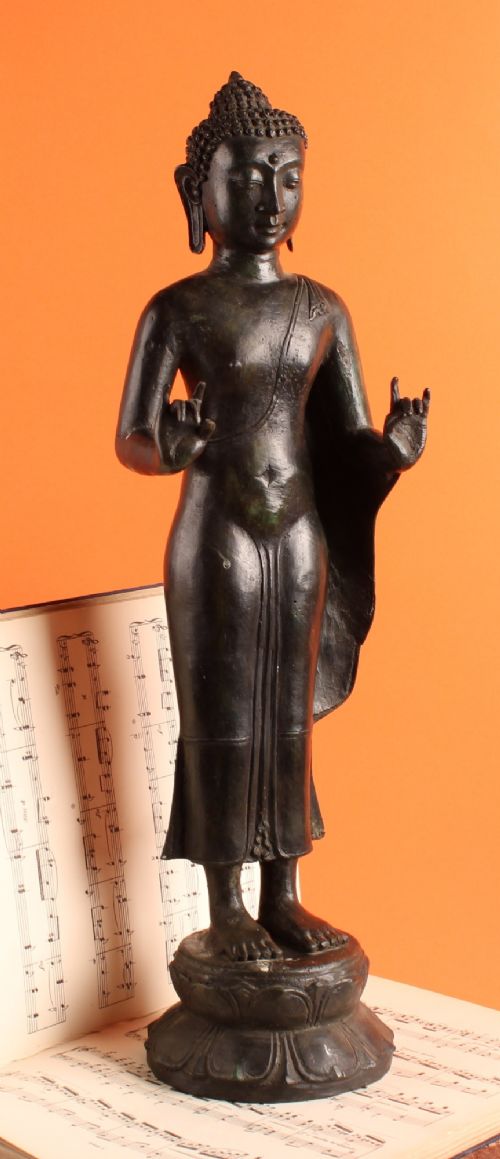
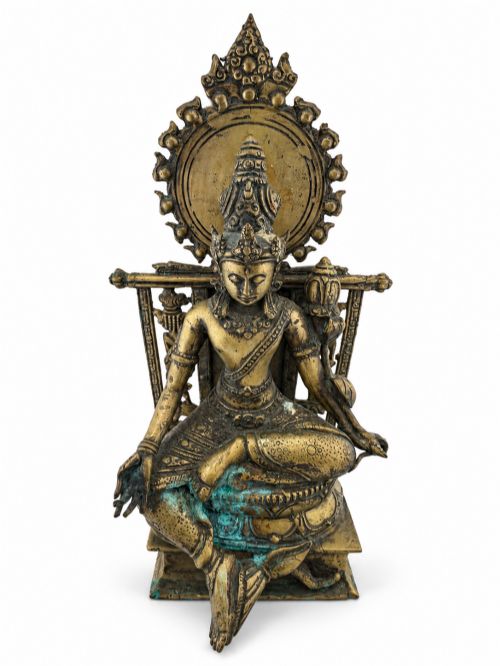
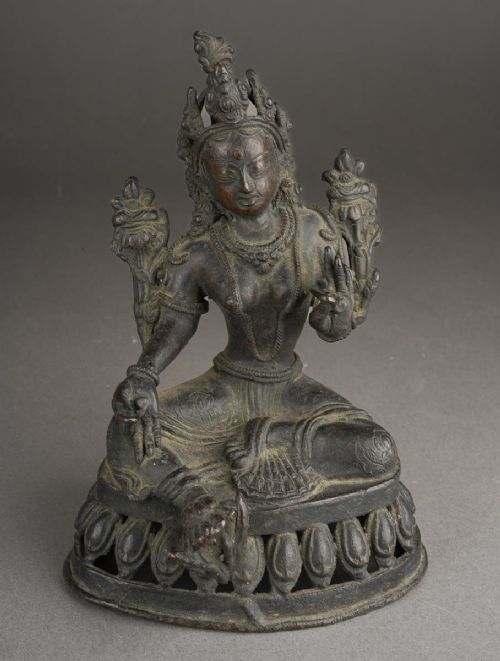
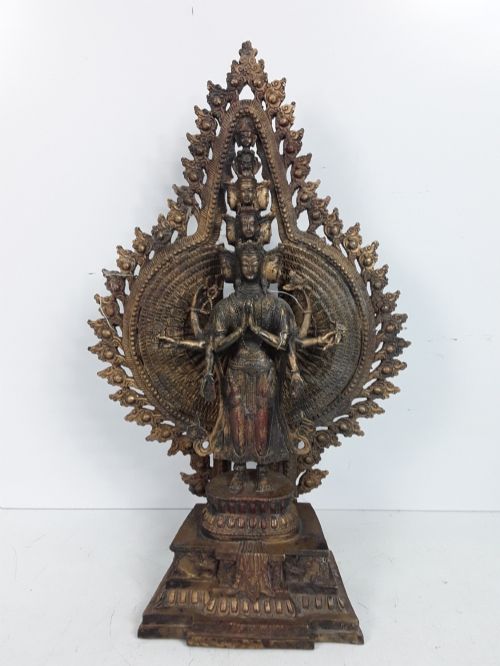
These pieces are sacred figures and deities, and an antique buddhist statue brings centuries of spiritual devotion and master craftsmanship into a modern interior.
Antique Buddhist Statue
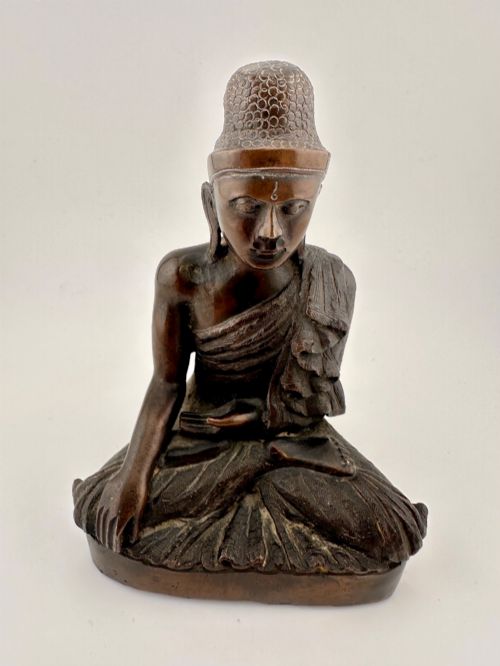
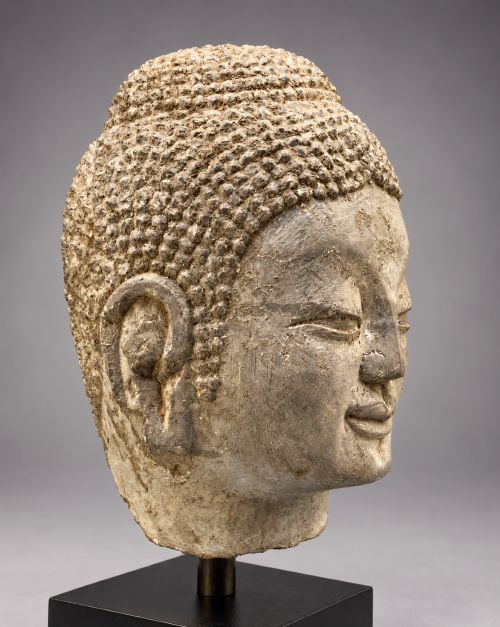
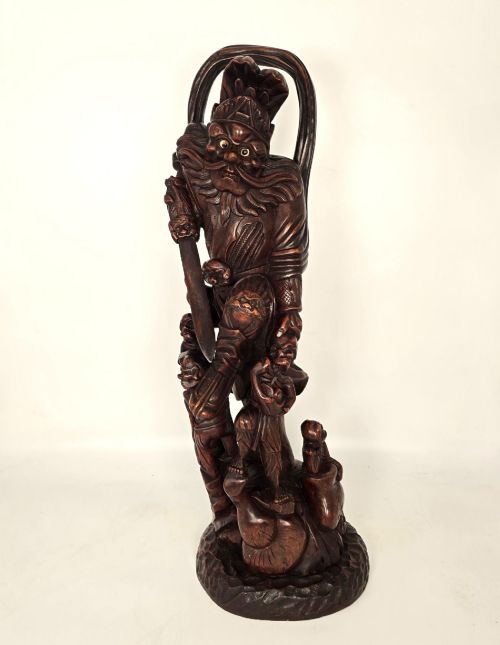
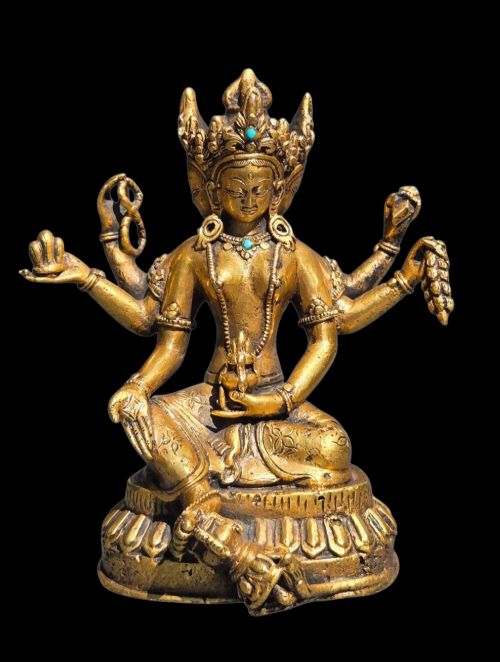
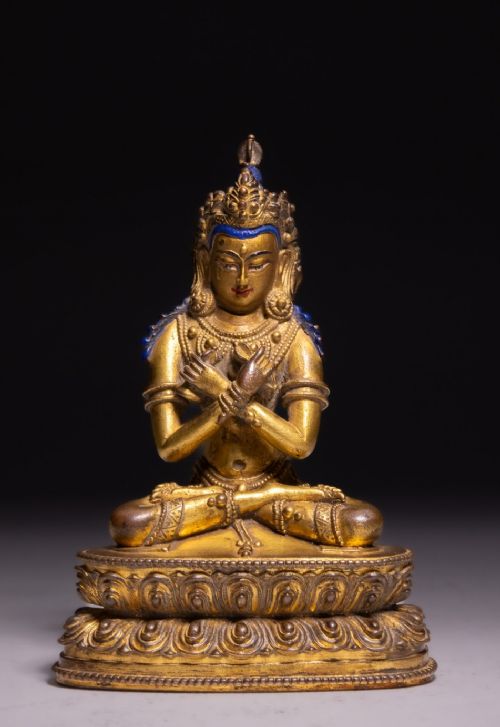
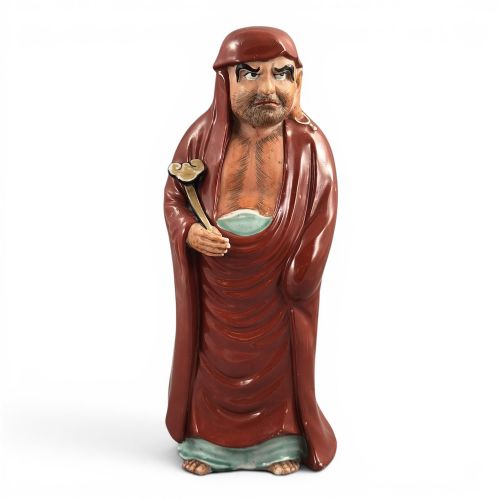
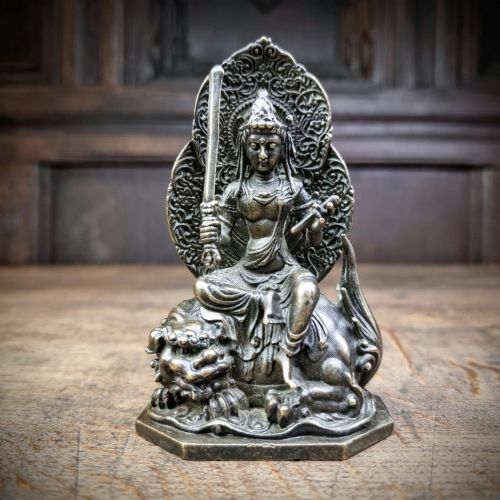
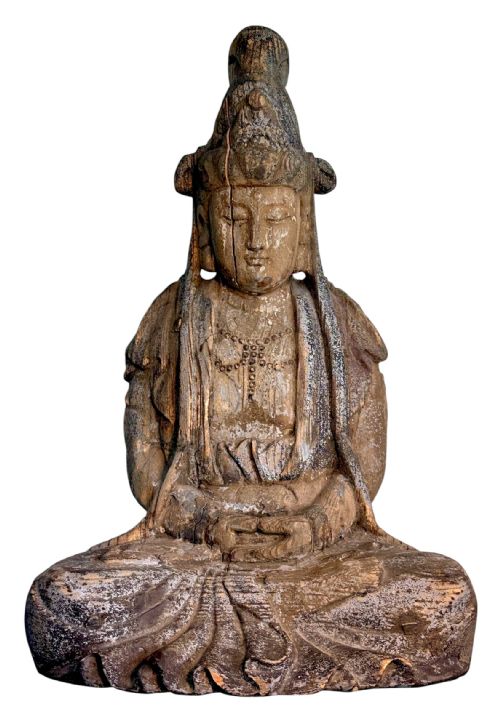
When you search for an antique buddhist statue, you encounter a diverse range of sculptural forms originating from across Asia, including Tibet, China, Japan, Burma, Thailand, and Nepal. These figures depict historical Buddhas, enlightened bodhisattvas, fierce protective deities, and revered monks in various meditative or instructional postures.
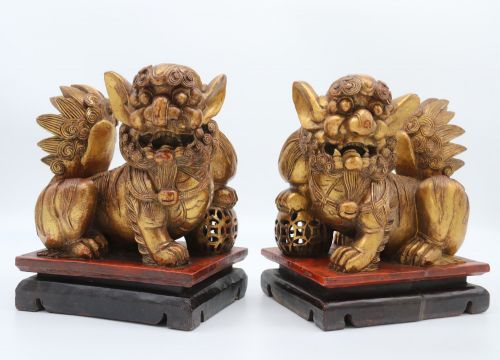
The selections available here span numerous centuries, stretching from pre-sixteenth-century examples up to the early twentieth century. You will frequently find cast metal figures such as seated or standing buddhas alongside carved wooden sculptures and porcelain representations.
Regional styles dictate the distinct iconography of each piece, from the elaborate headdresses of Himalayan deities to the serene facial expressions characteristic of Burmese Mandalay pieces or Japanese Meiji period works.
Materials and methods
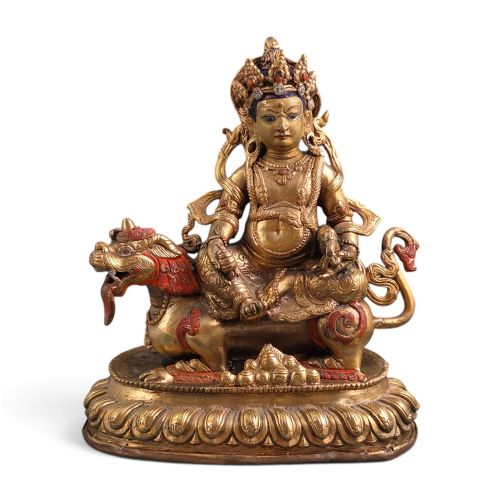
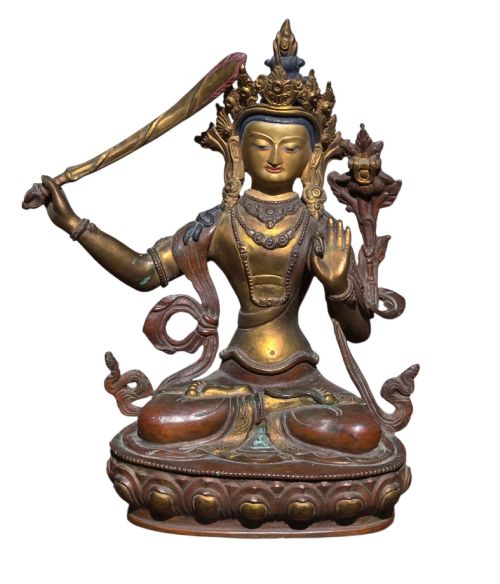
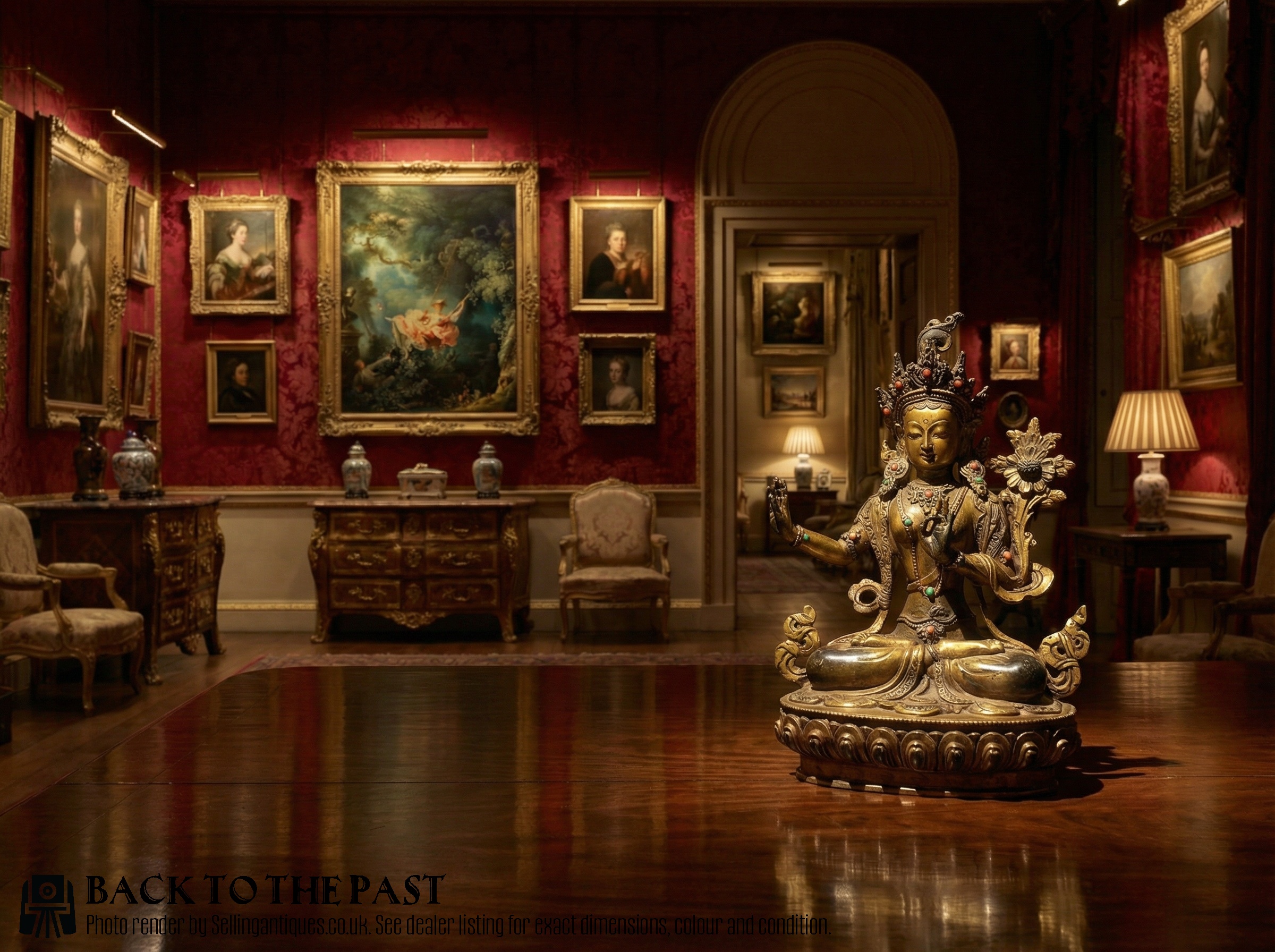
Metal sculptures rely heavily on the lost-wax casting technique utilising bronze, copper alloy, or gilt metal, often enriched with applied gold leaf or turquoise stone inlays. These cast works frequently show intricate hand-chasing on garments and lotus thrones.
Wooden examples involve skilled carving from timbers such as local hardwoods or softwoods, which were subsequently painted, gilded, or coated in natural lacquer layers. Ceramic and porcelain figures utilise detailed moulding followed by hand-painting with enamels, particularly seen in Chinese famille rose or Japanese Kutani palettes.
Antique Buddhist Statue Retail Price Guide 2026
Typical asking prices for buddhist statue among the pieces listed under this phrase on Sellingantiques today, from the lower quarter to the upper quarter. They describe what is for sale here now, not the wider market.
Listings feature works spanning the Ming dynasty, Qing dynasty, Edo period, and Meiji era across multiple mediums including bronze, porcelain, and wood.
Distinguishing craftsmanship
In carved wooden and ceramic figures, the depth of relief, the subtlety of the polychrome or lacquer surface, and the anatomical proportion set finer workshop pieces apart from mass-produced decorative items.
Unno Shomin
The Antique Buddhist Statue Glossary
- Mudrā
- A symbolic hand gesture used in iconography to convey specific teachings or states of mind. Common examples include the earth-touching gesture and the meditation posture.
- Bodhisattva
- An enlightened being who defers entering nirvana to help others achieve salvation. They are typically depicted in elaborate royal attire rather than monastic robes.
- Gilt bronze
- A metal sculpture base covered with a thin layer of gold applied through fire amalgamation or leaf adherence. This finish imparts a warm metallic sheen that endures across centuries.
- Okimono
- A Japanese term for a decorative object or statue intended for display on a shelf or in a tokonoma alcove. These pieces range from porcelain figures to intricate ironwork.
Antique Buddhist Statue: Frequently Asked Questions
How do I identify different regional styles?
Regional styles reveal themselves through distinct facial structures, crown designs, and garment types. Tibetan and Sino-Tibetan pieces often feature ornate jewellery and wrathful expressions, whereas Southeast Asian statues emphasise elongated earlobes and simplified robes.
Studying the specific mudra and base construction helps narrow down the geographic origin of an unfamiliar sculpture.
Were these statues created for temples or homes?
Many figures originated as central objects of worship within communal temples, monasteries, or household shrines. Others served as personal devotional items for travelling practitioners or were housed within monastic complexes for specific rituals.
Scale often hints at original placement, with larger stone or bronze works intended for public sanctuaries and smaller bronzes made for private altars.
How should I care for wooden and metal statues?
Metal statues generally require only gentle dusting with a soft brush to prevent the buildup of particulate matter on intricate surfaces. Avoid applying modern chemical polishes, which can strip historic patinas.
Wooden and lacquered pieces need stable humidity levels to prevent timber splitting or lacquer lifting. Keep them away from direct sunlight and strong heat sources.
What is the significance of mudras?
Mudras communicate the spiritual state, teaching, or action of the depicted figure. Each hand placement holds a specific theological meaning for the practitioner.
Recognising these gestures allows you to identify the specific deity or moment in the Buddha's life represented by the artwork.