
Antique Buddha Statue
An antique buddha statue carries centuries of devotion in bronze, wood and stone, offering a tangible link to Asian spirituality that grounds any room it occupies.
Antique Buddha Statue
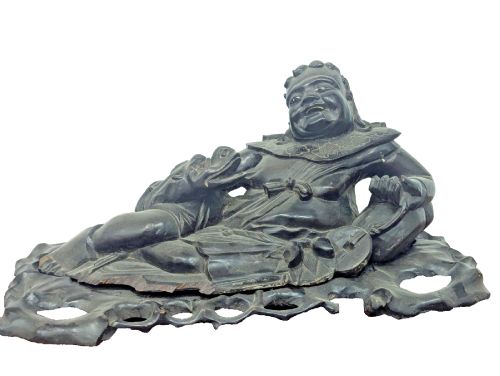
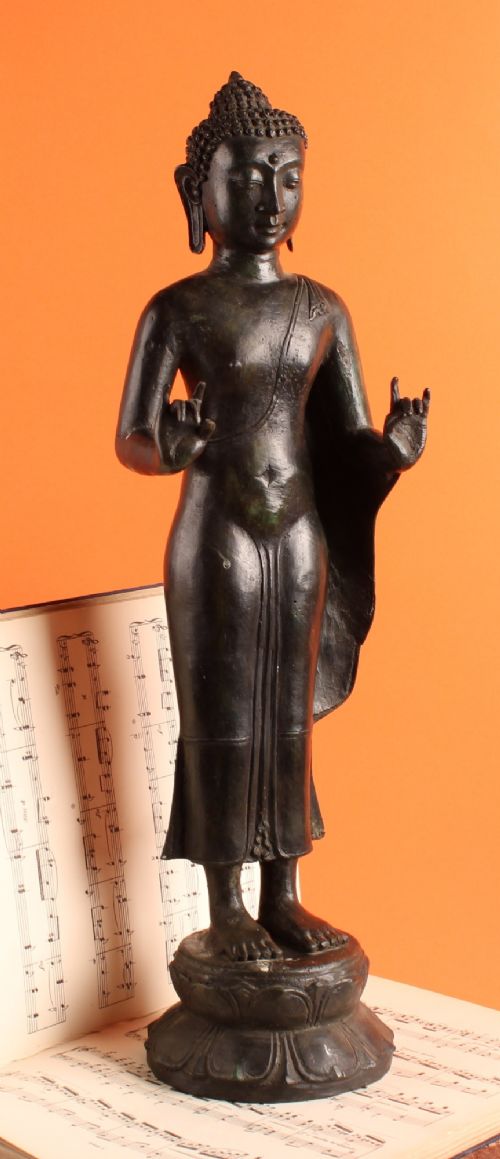
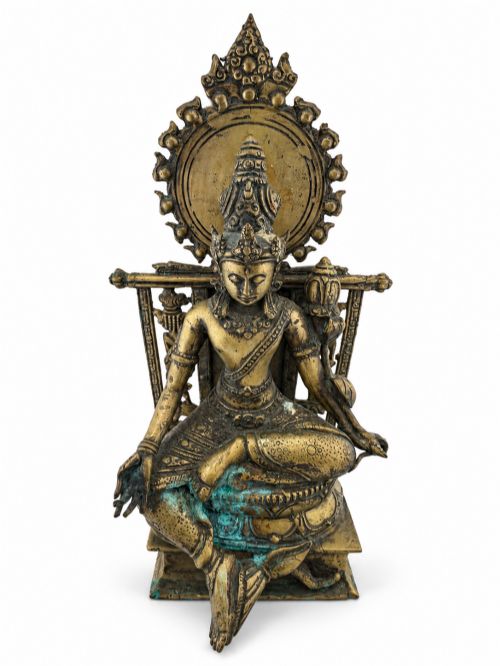
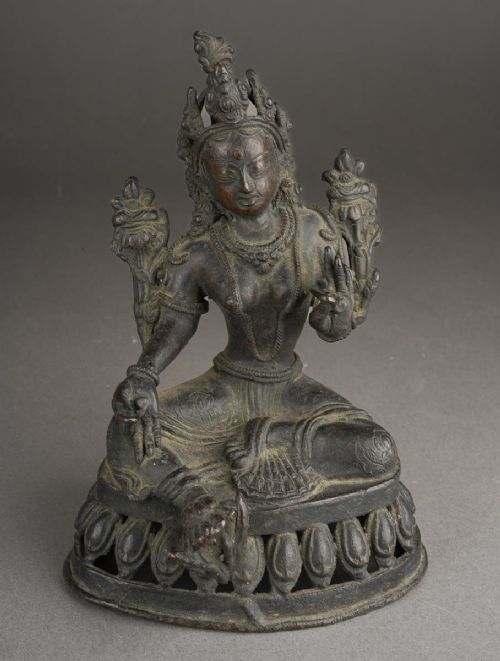
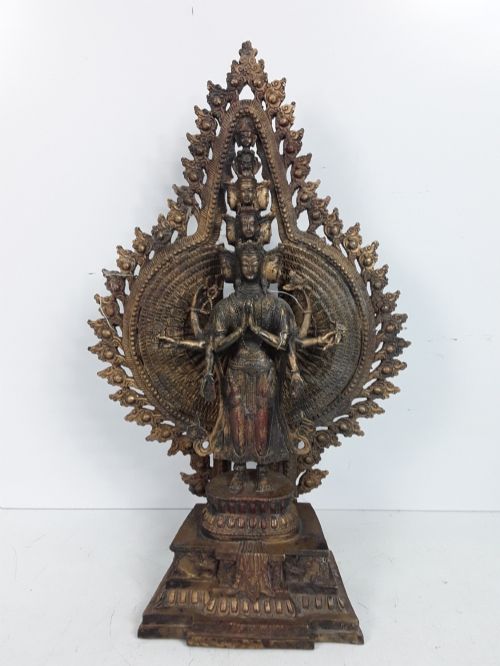
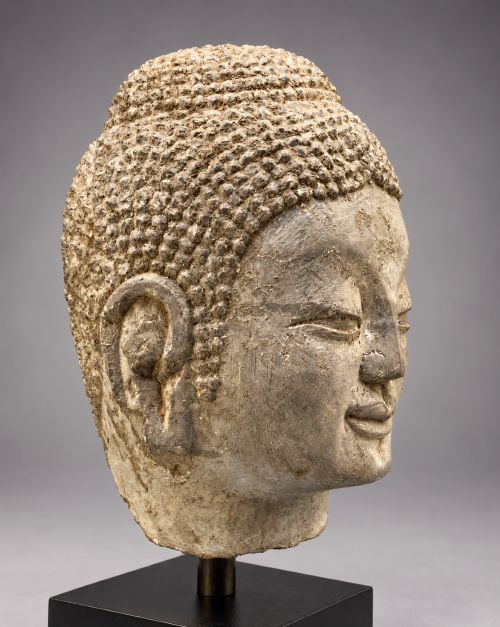
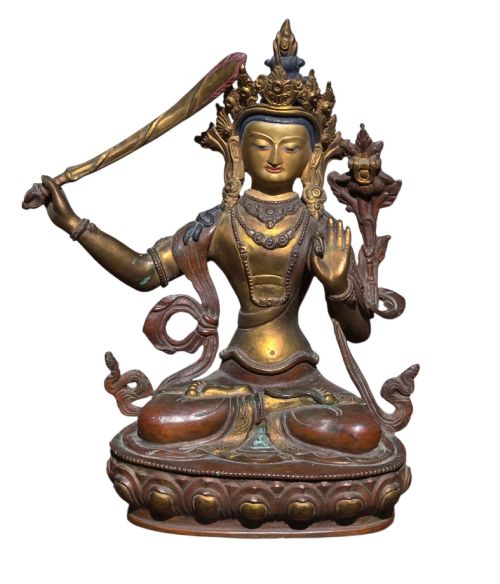
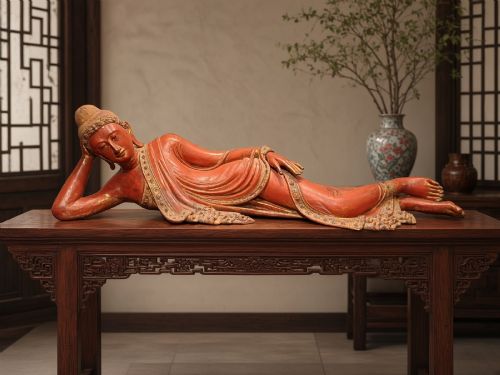
An antique buddha statue encompasses devotional figures and deities spanning regional styles from China, Tibet, Thailand, Burma and the wider Himalayan traditions. When buyers search for an antique buddha statue, they encounter representations ranging from serene seated meditative figures to powerful standing bodhisattvas and reclining temple sculptures. The pieces gathered here draw heavily on nineteenth-century craftsmanship, alongside earlier examples from the Ming Dynasty and the Ayutthaya period.
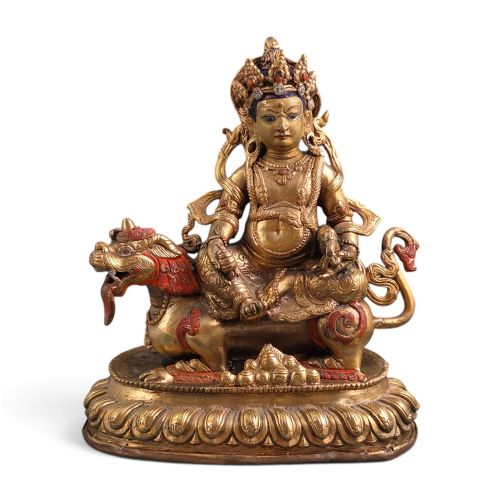
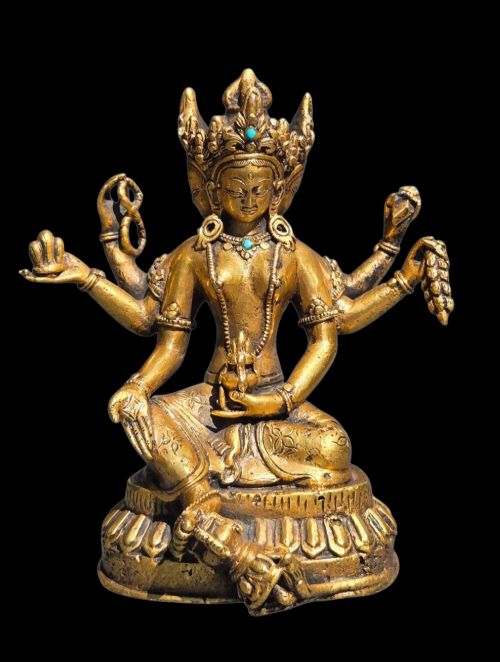
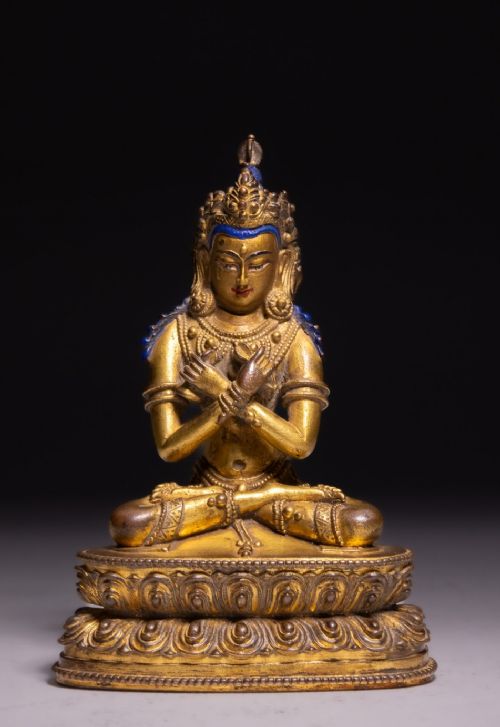
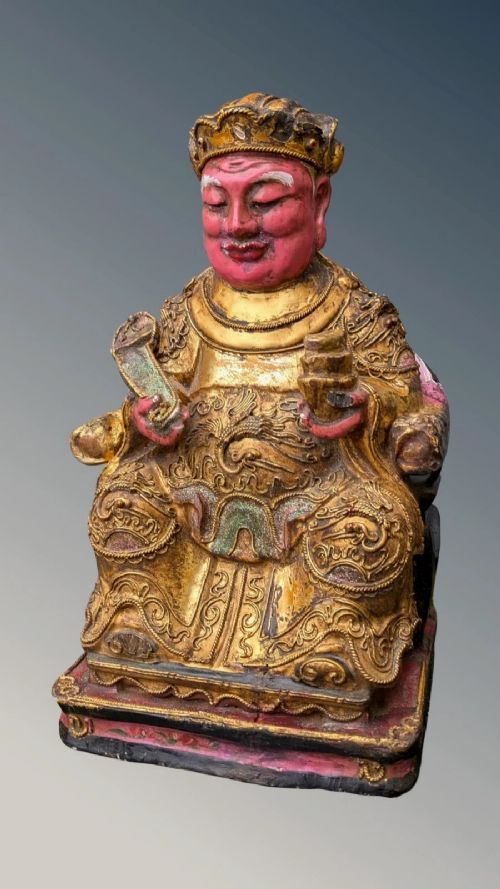
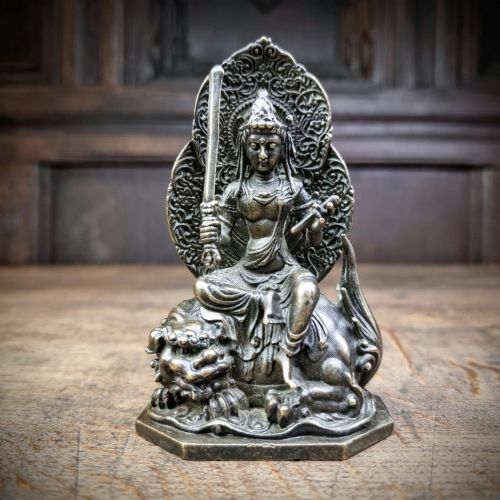
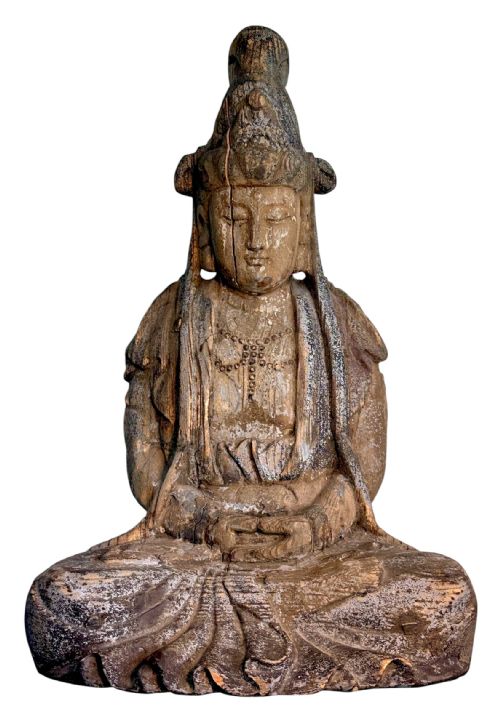
The selection on this page splits primarily between cast metal alloys and carved organic materials. Bronze and gilt-bronze sculptures appear frequently, often retaining traces of original fire gilding, cold-painted pigments or turquoise inlay. Wooden figures, frequently carved from hardwoods and finished with layers of lacquer, gesso and gold leaf, present an alternative tactile warmth found in domestic shrines and larger temple commissions.
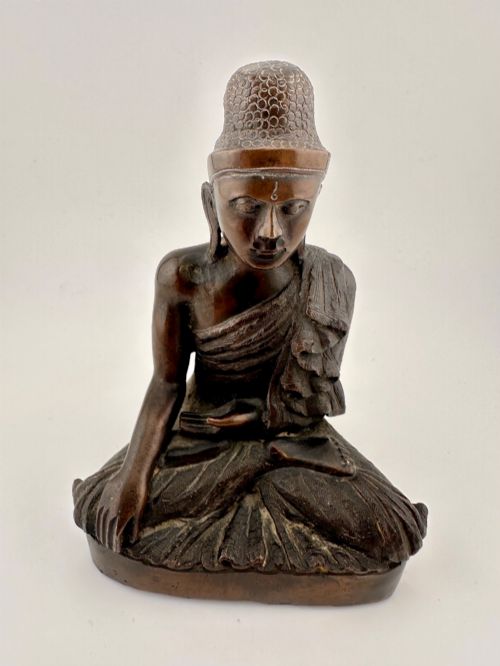
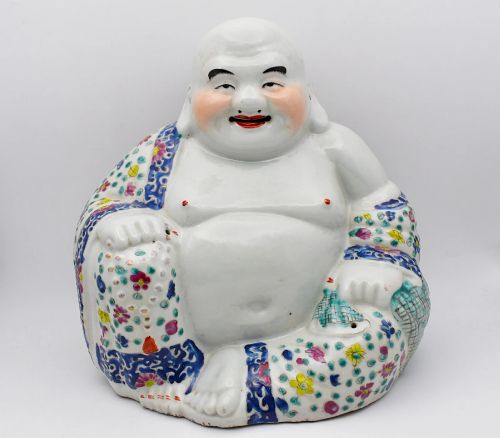
Forms vary according to their specific Buddhist or regional lineage, including depictions of Shakyamuni, Avalokiteshvara, Green Tara, and the stout, joyful forms of Budai or Hotei. Certain pieces present specific mudras, such as the earth-touching bhumisparsha gesture, which signal particular moments in the narrative of the Buddha. Collectors meet everything from miniature household shrine pieces to monumental temple guardians designed to command a space.
Materials and construction
Metal sculptures were predominantly produced using the lost-wax casting technique, which allowed artisans to render intricate folds of drapery, elaborate crowns and delicate facial expressions in copper alloy or bronze. Many of these cast surfaces received subsequent applications of liquid gold leaf or mercury gilding, a process that bonded precious metal securely to the bronze substrate through heat. Tool chasing and cold engraving were often employed after casting to sharpen details like hair curls and decorative borders.
Wooden statues relied on traditional block carving and multi-piece joinery using dense indigenous timbers such as teak, rosewood or local softwoods. Once carved, the timber cores were frequently sealed with layers of gesso or linen scrim to provide a smooth ground for subsequent applications of lacquer, polychrome pigments and gold leaf. Survailing traces of red lacquer, mineral pigments and gold reveal the complex polychrome schemes originally intended to animate these sacred forms.
Materials represented across the inventory include cast bronze, carved hardwood, white marble, porcelain and sandstone, reflecting diverse ritual traditions.
Markers of distinction
The integrity of surface finishes further divides workshop output. Pieces retaining unpolished original patination, undisturbed fire gilding and authentic pigment layers command greater reverence than those stripped or aggressively cleaned in later centuries. The subtlety with which an artisan rendered the meditative composure of the face ultimately separates standard devotional items from masterworks of ritual art.
Zhu Mao Ji
The Antique Buddha Statue Glossary
- Mudras
- Hand gestures symbolising specific spiritual states and teachings. Each mudra communicates a particular action or vow associated with the figure.
- Bodhisattva
- An enlightened being who postpones enlightenment to assist others. These figures are often depicted with elaborate jewellery and royal garments.
- Gilt Bronze
- Metal cast from a copper alloy and coated with a layer of gold. This finish was achieved either through mercury amalgamation or direct leaf application.
- Polychrome
- Painted in several colours using mineral and organic pigments. Pigments were frequently applied over a prepared gesso ground on wooden sculptures.
- Lost-wax casting
- A metalworking method where a wax model is melted out and replaced with molten bronze. This technique permits complex undercuts and delicate ornaments.
Antique Buddha Statue: Frequently Asked Questions
How do I identify the regional origin?
Stylistic markers such as facial proportions, headdress designs and posture provide clear clues to geographic roots. Burmese figures often feature high crowns and soft monastic robes, whereas Sino-Tibetan bronzes display intricate jewellery and lotus thrones.
Material choices also guide attribution. Thai and Burmese collections frequently utilise patinated bronze or white marble, while Tibetan shrines lean heavily towards gilt-bronze with mineral pigments.
What is the significance of different hand gestures?
Hand positions, known as mudras, convey specific moments in Buddhist teachings and qualities of the deity. A hand touching the earth invokes the earth as witness to enlightenment, while hands held in meditation symbolise deep contemplation.
Observing these gestures helps determine the specific identity of the deity represented. They act as a visual language developed over centuries of ritual iconography.
How should I care for a wooden statue?
Wooden and lacquer surfaces require stable indoor humidity levels to prevent timber movement and cracking. Keep pieces away from direct sunlight and strong heat sources that can dry out old lacquers and gold leaf.
Dusting should be performed gently with a soft, dry brush. Avoid liquid cleaners, modern polishes and damp cloths which can damage fragile historical pigments.
Can I determine the age from the patina?
Patination builds up over generations through handling, exposure to ritual incense and oxidation of underlying metals. Genuine age usually shows micro-abrasions, uneven wear patterns and stable oxide layers that modern replicas struggle to mimic accurately.
Examining the underside and casting seams reveals tool marks consistent with historical manufacturing methods. Comparing these physical traits with documented pieces from similar periods confirms chronological placement.