

Antique Bronzed Ornament
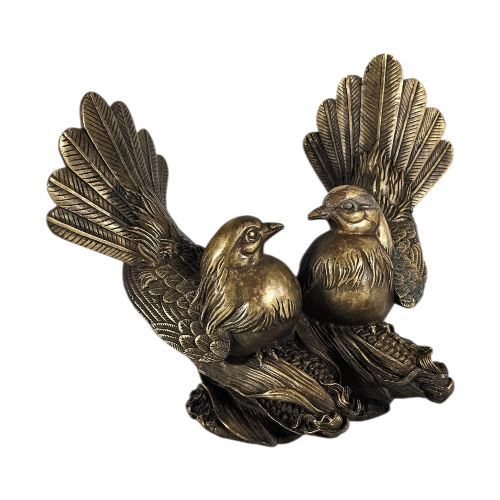
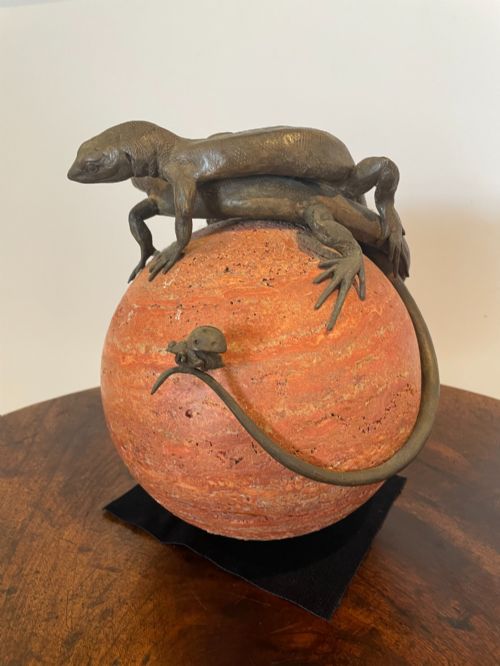
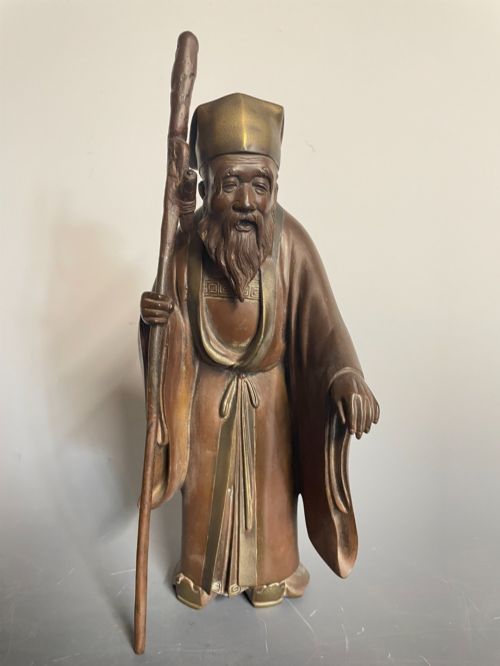
When you search for an antique bronzed ornament, you enter a world of metal figures, animals, and architectural mounts spanning several centuries.
Antique Bronzed Ornament
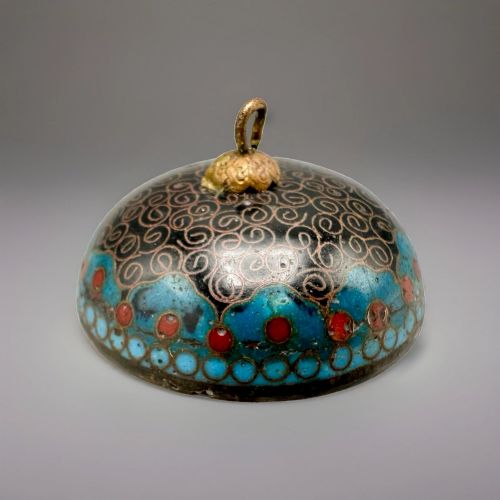
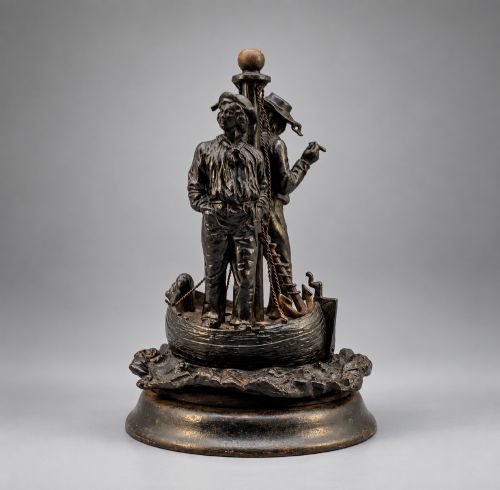
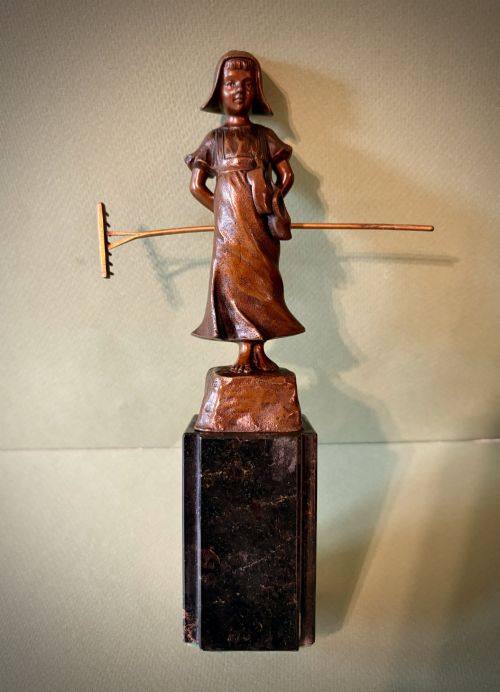
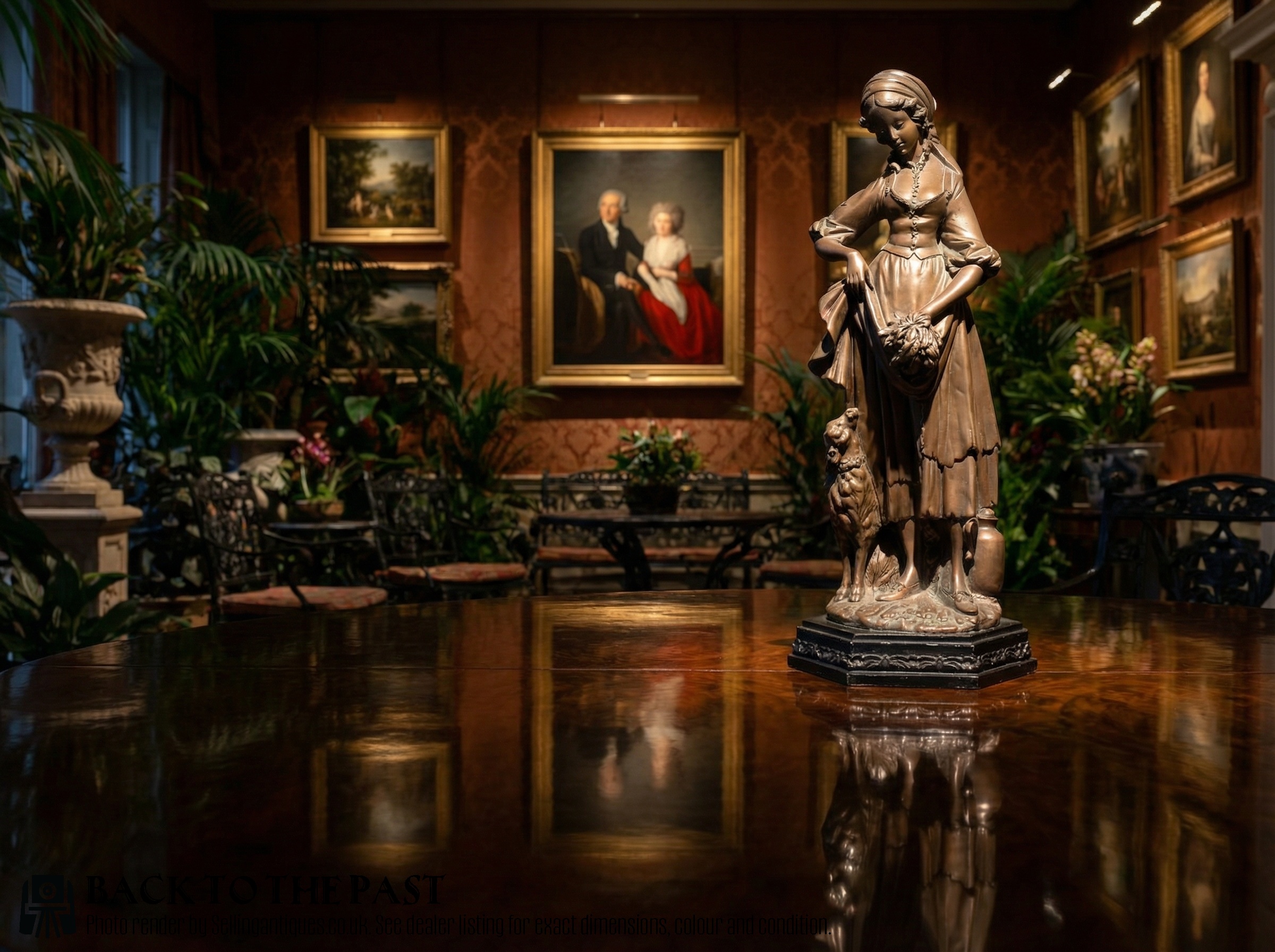
An antique bronzed ornament covers a broad mix of figurative works, animal studies, and decorative mounts produced in various metals across the nineteenth and early twentieth centuries. Buyers encounter European foundry casts alongside Asian works, ranging from small desk accessories to large sculptural groups.
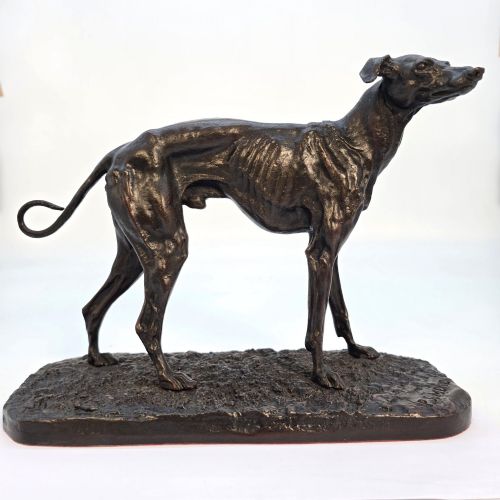
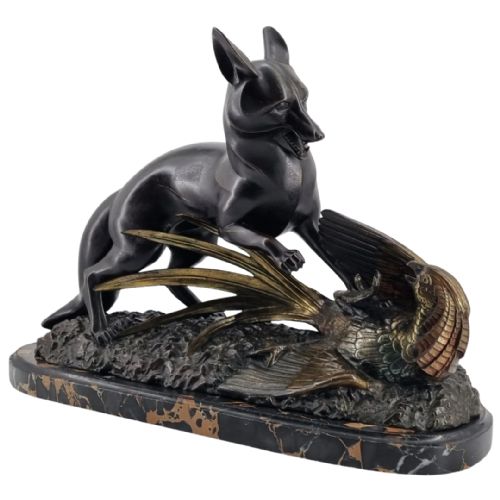
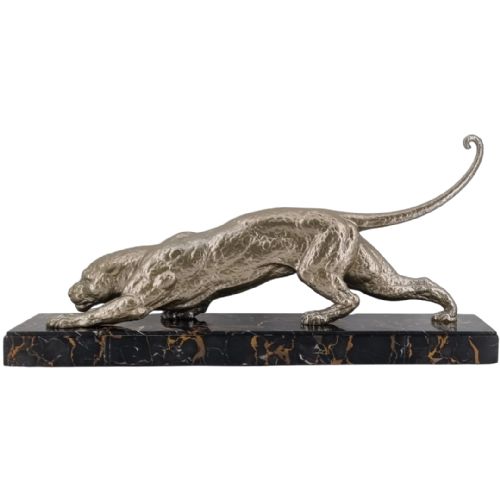
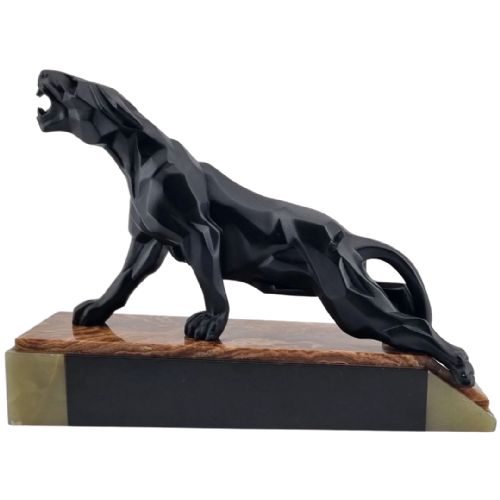
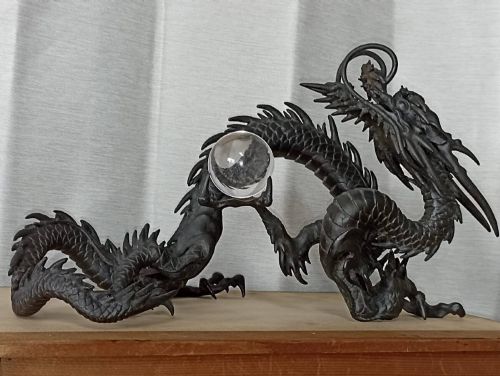
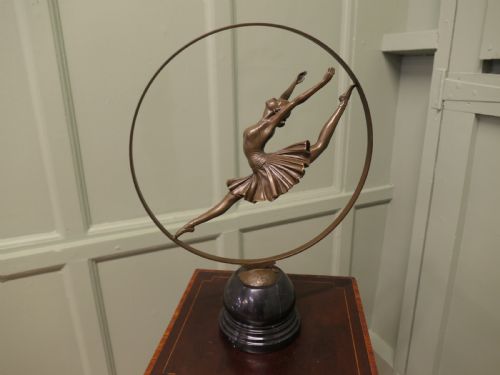
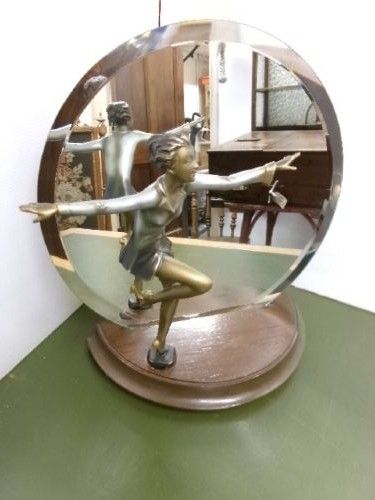
The selections on this page lean heavily towards nineteenth-century European bronzes, Art Deco dancer figures, and Japanese Meiji period metalwork. Common forms include human figures, mythical beasts, birds, and dogs mounted on stone bases or cast as standalone studies.
How they were made
Many of these items rely on traditional casting methods, resulting in solid or hollow metal forms that frequently receive patination, cold-painted coloration, or fire-gilding. Materials span standard bronze, patinated bronze, gilt bronze, and spelter, often paired with marble bases or glass elements.
Makers utilised skilled chasing and finishing techniques to sharpen details on hair, feathers, and drapery after the casting process. Mixed-metal techniques also appear, combining different metal alloys within a single object.
Several miniature bronzes capture eccentric subjects, including a tiny mining dwarf with a giant crystal diamond and a scholarly monkey holding court.
What varies in quality
The standard of casting and chasing dictates the crispness of anatomical details and surface textures across different pieces. Superior examples show precise definition in facial expressions, clothing folds, and animal musculature without smoothing or softening from worn moulds.
The quality of the surface finish also plays a role, with intentional patination, original cold painting, or fire-gilding remaining intact and expressive. Heavier, solid-cast metal objects generally demonstrate greater structural integrity than lighter alloy casts.
Poix Blin·Rudolf Küchler·Bruno Zach·P J Mêne·Josef Lorenzl·Louis Emile Cana·Jomi Eisuke·Tsunemitsu
The Antique Bronzed Ornament Glossary
- Patinated bronze
- Bronze treated with chemical solutions to produce a specific surface colour or aged tone. This protective and decorative layer ranges from deep brown to greenish hues.
- Spelter
- A zinc alloy commonly used as a less expensive alternative to bronze for sculptural figures, particularly during the Art Deco period. It takes patination and paint well but is softer than bronze.
- Grand Tour
- A term for souvenirs collected by wealthy travellers touring European cultural centres during the nineteenth century. These items typically include miniature bronzes of classical sculptures and architectural models.
- Animalier
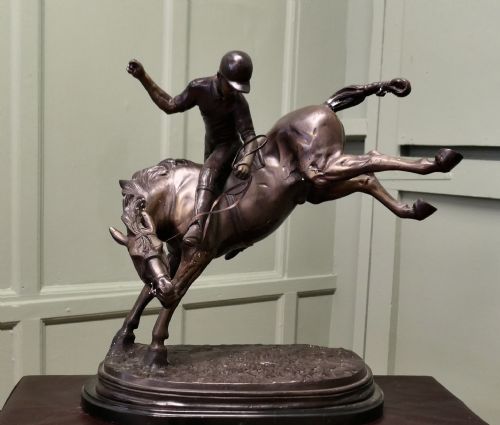
- A nineteenth-century artistic style focusing on realistic depictions of animals, often shown in natural motion or combat. Sculptors in this tradition studied anatomy closely.
- Cold painted
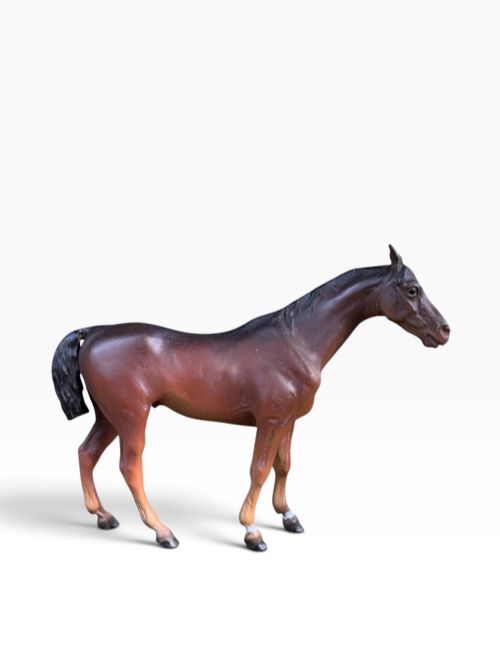
- A technique where paint is applied to a metal object without heat firing, commonly seen on Austrian bronze animal and figure studies. The paint sits on the surface and can show wear over time.
Antique Bronzed Ornament: Frequently Asked Questions
What is an antique bronzed ornament?
These items are small decorative sculptures, figurines, and architectural mounts cast from metal or finished to resemble bronze. They include animal studies, human figures, and desk accessories created across the nineteenth and early twentieth centuries.
Craftsmen produced them using various casting and finishing methods, resulting in pieces designed for display on desks, mantels, and furniture.
How do I tell bronze from spelter?
Bronze is heavier, harder, and cooler to the touch than spelter, with a more resonant sound when tapped gently. Spelter is a softer zinc alloy that often shows a greyish metal underneath worn areas of paint or patination.
Many decorative figures from the early twentieth century use spelter as an affordable alternative to traditional bronze casting.
Where were these pieces made?
The pieces originate from various regions, with significant contributions from French, Austrian, and Italian foundries, alongside Japanese Meiji period workshops and Chinese artisan studios. European works often reflect academic sculpture or Art Deco design trends.
Asian pieces frequently showcase traditional metalworking skills, such as mixed-metal inlay and detailed animal casting.
How should I clean my ornament?
Dusting gently with a soft, dry brush or microfibre cloth is generally sufficient for maintaining metal surfaces. Avoid using commercial metal polishes, water, or chemical cleaners, as these can strip away patination or damage cold-painted finishes.
Keeping the object away from direct sunlight and damp environments helps preserve the metal and any attached stone bases.