


Antique Bronze Satyr
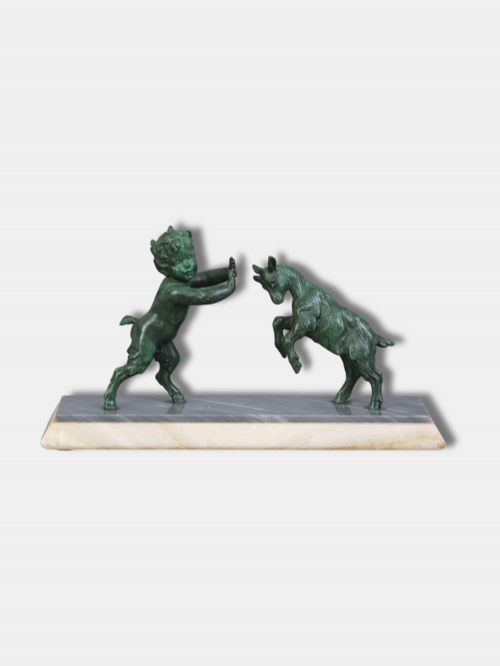
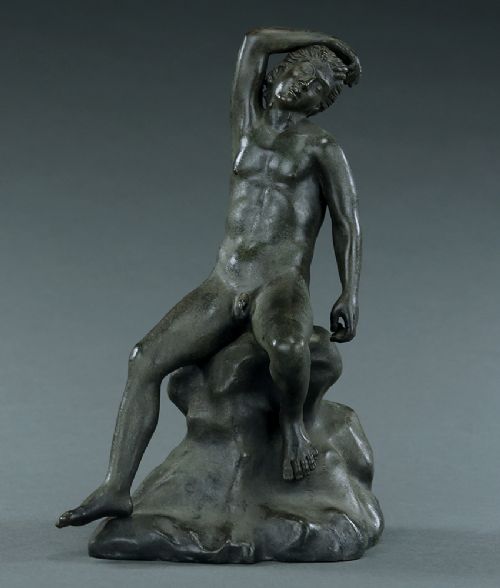
An antique bronze satyr brings classical mythology into the room, typically cast as a dancing figure from Grand Tour travels or French sculpture.
Antique Bronze Satyr
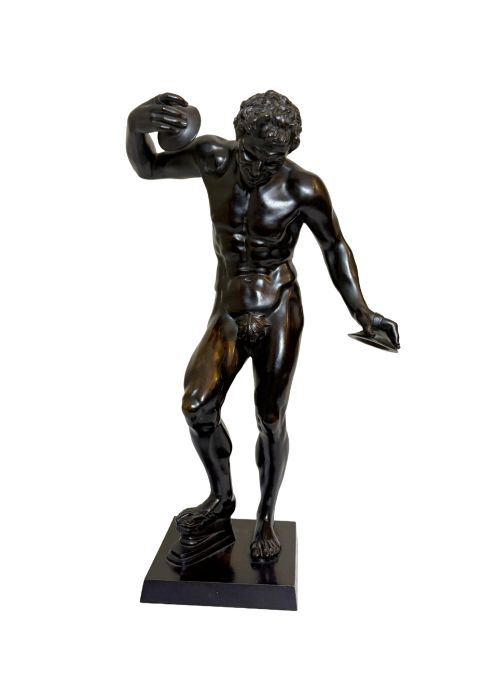
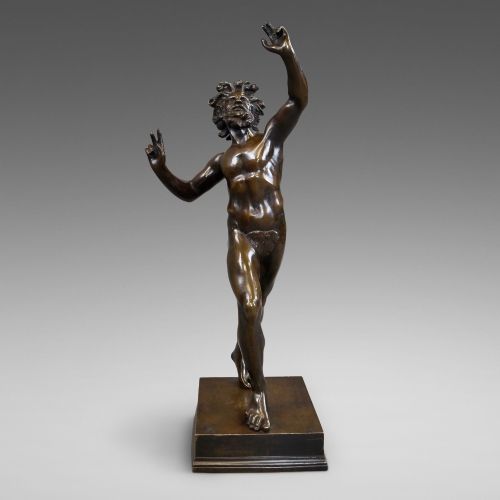
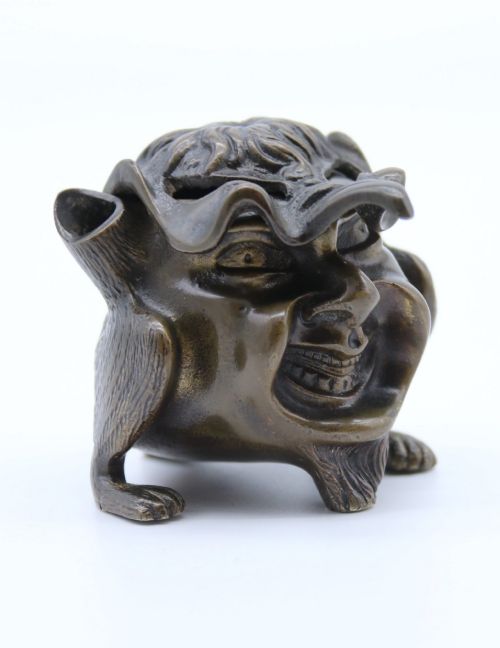
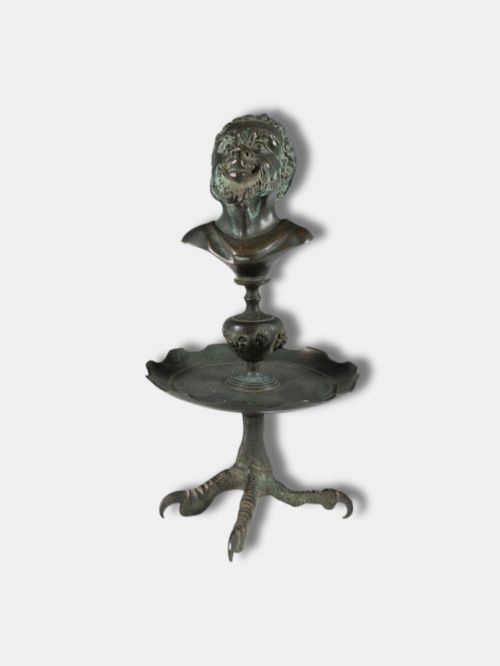
When you search for an antique bronze satyr, you find figural sculptures, inkwells, oil lamps, and door knockers drawn from classical antiquity. These pieces range from small Grand Tour souvenirs brought back from Italy to larger French foundry groups after classical models.
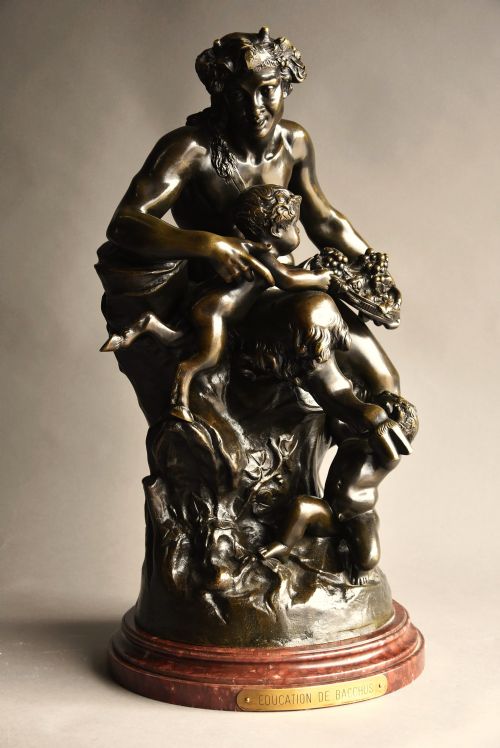
The dancing faun of Pompeii appears most frequently among these listings, captured with cymbals, clappers, or pipes alongside figures like Bacchus and infant fauns. Nineteenth-century examples dominate the selection, crossing stylistic revivals from Neoclassical to Art Nouveau.
How they were made
Foundries produced these works primarily in cast bronze, sometimes employing patinated bronze, polished bronze, or verdigris finishes to achieve varied surface tones. Makers also utilised marble bases for support and occasionally combined cast metal with gilt plaster or paint.
Many of these sculptures relied on reductions of classical antiquities found in museums like Naples, translated into cabinet bronzes by European workshops.
Listings feature works spanning the nineteenth and early twentieth centuries, executed in bronze, patinated bronze, and marble.
What varies in quality
Quality rests in the crispness of the chase work and the sensitivity of the metal casting, which dictates how sharply musculature, hair, and facial expressions render. Finer reductions capture the vitality and movement of the original ancient marbles without losing anatomical proportion.
The depth and richness of the patina also distinguish better examples, showing careful chemical treatment or natural ageing rather than flat, uniform modern colouring.
Claude Michel Clodion·Emile Carlier·Augusto Rivalta
The Antique Bronze Satyr Glossary
- Grand Tour
- A cultural journey undertaken by wealthy young Europeans visiting continental art and antiquities, spawning a market for miniature bronze souvenirs.
- Faun
- A mythological creature half-man and half-goat, synonymous with satyrs in classical art and frequently depicted dancing or playing pipes.
- Patination
- The process or result of treating a bronze surface to alter its colour and texture, protecting the metal while adding visual depth.
- Reduction
- A smaller copy of a larger sculpture, often achieved mechanically in the nineteenth century to create cabinet-sized bronze figures.
- Campana
- A bell-shaped vessel form utilised for classical vases and wine-coolers, decorated with classical figures and motifs.
Antique Bronze Satyr: Frequently Asked Questions
What is a satyr?
A satyr is a mythological follower of Bacchus, depicted with goat ears, tails, and horns, known for music, dancing, and revelry.
In antique bronzes, they appear most often in dynamic poses derived from classical statues discovered in excavations at Pompeii and Herculaneum.
Are these period pieces?
The pieces listed date primarily from the nineteenth century, reflecting nineteenth-century revivals of classical, Renaissance, and Rococo styles.
Many serve as direct souvenirs from the Grand Tour era when travellers collected bronze reductions of famous museum sculptures.
Where were they made?
These bronzes originate mainly from French foundries and Italian workshops catering to collectors and travellers during the eighteen-hundreds.
French pieces often display sophisticated casting and grouping, while Italian items emphasise direct connection to classical excavation sites.
How do I display them?
Small bronzes fit easily on desks, mantels, and bookshelves, often mounted on heavy marble plinths for stability.
Keep them away from direct heat sources and clean them only with a soft, dry cloth to preserve the historic surface patina.